Disagreement between the Executive and the Legislative has left the victims of traffic accidents helpless since November 2024
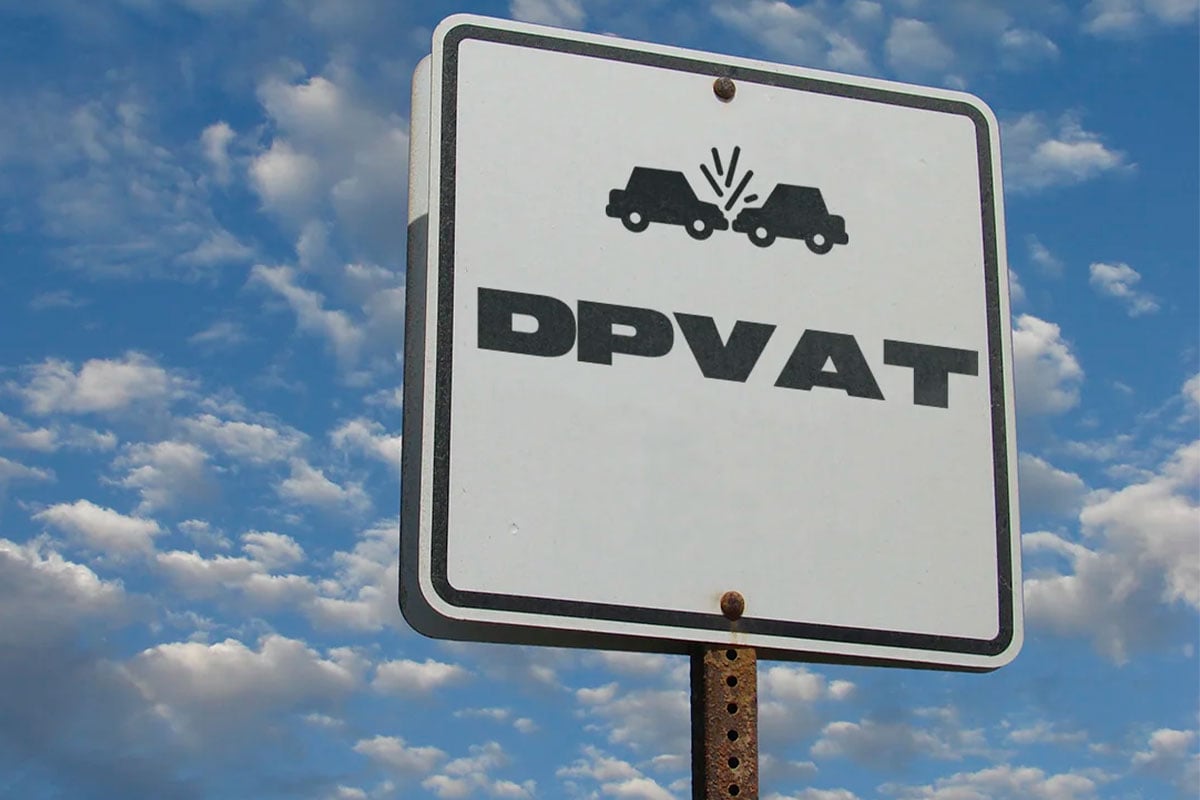
Exactly 60 years ago, mandatory insurance for traffic accidents emerged: it was Recovat, which lasted until November 2024, while there were funds to compensate the victims.
Long story: the insurance was created by Decree-Law n.73/1966 and several times amended, but it remains in force to this day, although there are no financial mechanisms to compensate victims. It was transformed into DPVAT in 1974. A consortium with the largest insurance companies in the country was created in 2007 to manage it, the Seguradora Lider.
SEE ALSO:
It was charged every beginning of the year along with the payment of the IPVA and so vehicle owners imagined it to be another tax or government fee. There were billions of reais to Líder’s coffers every year, which allocated about half of the amount to SUS.
The lobby of Lider’s directors was so powerful that they managed to increase the amount paid per vehicle every year, while maintaining the indemnity to the insured without readjustment. R$ 2,700 for reimbursement of medical expenses and up to R$ 13,500 for permanent disability or death.
Billions of reais were embezzled until Susep’s intervention at the end of 2020 that eliminated Seguradora Líder, transferring the responsibility for indemnities to Caixa Federal. And insurance was no longer charged to vehicles as of 2021, as Caixa used the “leftovers” of more than four billion reais from Lider to indemnify victims.
But the safe dried up in November 2023, the government did not move to continue the DPVAT and, since then, the injured have not been compensated.
There was an attempt by Congress to return with it in May 2024, through a bill that created SPVAT, sanctioned by President Lula. But it was knocked down by himself in December of that year, leaving the victims of these accidents helpless to this day.
Now, new movement in the Legislature for the return of DPVAT. The Traffic and Transport Committee of the Chamber approved a bill presented by federal deputy Pedro Aihara (PDR-MG) last year, with his colleague Hugo Leal (PSD – RJ) as rapporteur. But it must still be approved by the Chamber and then by the Senate.
The problem with the new bill is that it does not specify how the owner of the vehicle would pay it again. This is where the great danger lies: your return to a single insurance company, unlike all other countries in which the vehicle owner has the option of paying the mandatory insurance to the insurance company of his choice. Thus avoiding the creation of another insurance company along the same lines as Lider, allowing swindles and swindles of all kinds. This could have been the advantage of SPVAT, inexplicably overthrown by President Lula.
While the Executive and Legislative do not understand each other, for imaginable but difficult to explain reasons, traffic accidents, especially those on low incomes, remain helpless.



