General Motors' new president will have a Herculean task: to put the automaker back on track in our market, after strategic mistakes by the headquarters
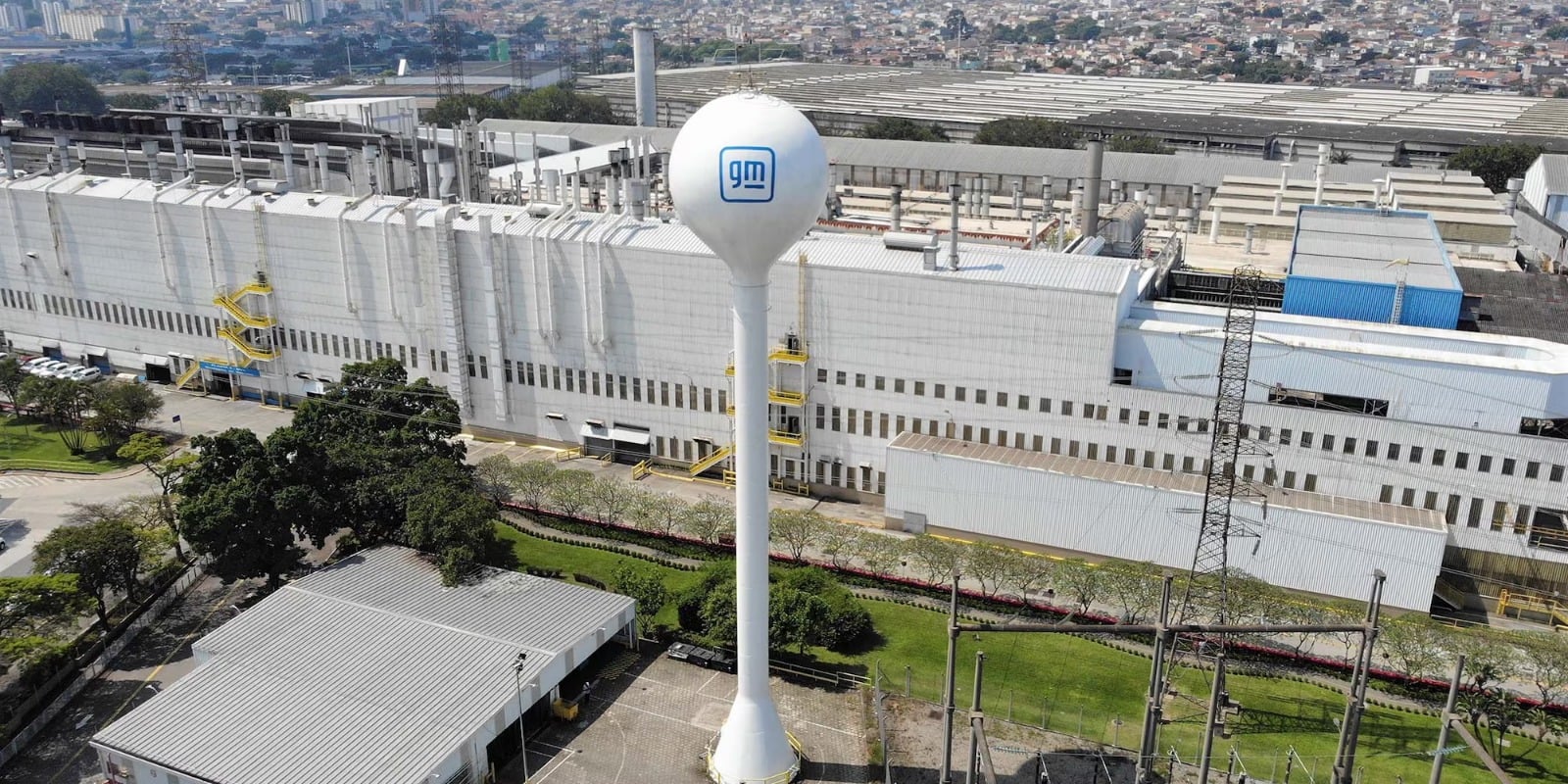
Celebrating a centenary in a market like the Brazilian one is not for everyone. General Motors has just reached this historic milestone, a feat that deserves all the honors. However, the birthday toast is accompanied by a bitter taste of uncertainty: the manufacturer seems, today, like a compass that has lost its way.
The recent change of command — the departure of Santiago Chamorro for the entry of Thomas Owsianski, who has worked at VW — signals the urgency of a new direction. The mission that the new president has ahead of him is herculean.
SEE ALSO:
GM’s first major obstacle in Brazil is its current over-reliance on a single platform, which supports the Onix, Tracker and Montana. Although the Onix has a good sales volume, the controversy of the “oil-bathed belt” has brought headaches that affect consumer confidence.
Launching the new SUV, the Sonic, on this same mechanical basis is a risky strategy. Trying to fight the competition — like the Volkswagen Tera — with “more of the same” may maintain sales volume in the short term, but it does not solve the brand’s technological breath for the next decade.
GM’s biggest strategic knot, however, was given at the automaker’s headquarters in Detroit (USA). Global CEO Mary Barra decreed three years ago that the company would jump directly from combustion to electric, dismissing hybrid as a transition.
It was a monumental misreading of emerging markets. While Brazilians seek hybrid as the ideal balance between economy and infrastructure, GM was left without the “middle ground”. Now, it is chasing the loss after Mary Barra herself admitted that the hybrid is necessary. In Brazil, this gap is glaring: either we have the traditional combustion engine, or electric cars imported from China – and with outsourced production in Ceará at the former Troller factory – and from the USA.
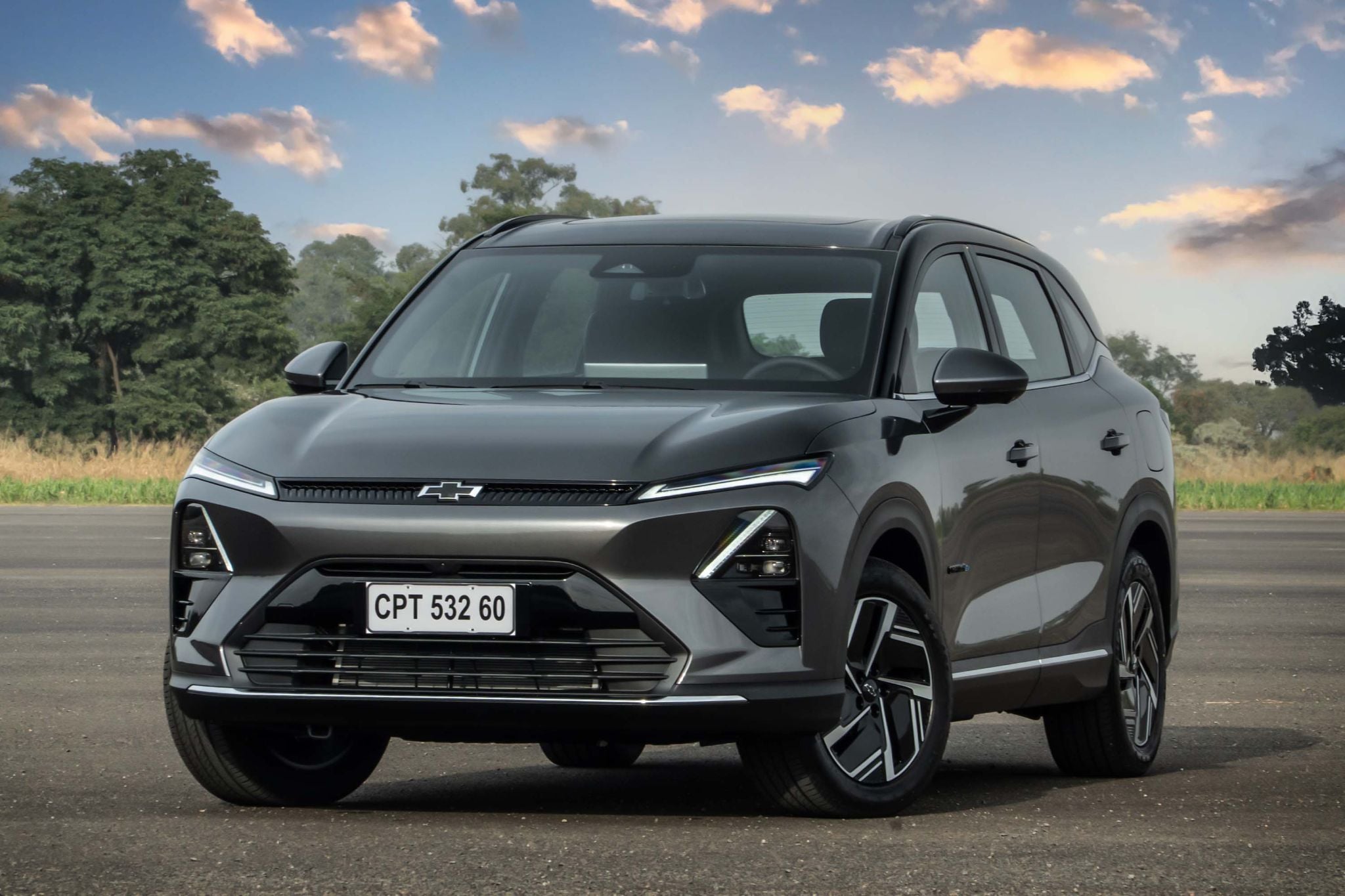
The recent bet on the Cadillac line, with cars around R$ 600 thousand and few dealerships, seems more like a “light show” than a market solution. Luxury niches bring prestige, but they do not sustain gigantic industrial complexes such as those in São Caetano do Sul (SP), São José dos Campos (SP), Gravataí (RS) and the engine factory in Joinville (SC).
Unlike Ford, which chose to close factories and become a profitable importer, GM still maintains a heavy structure in Brazil. Leaving doesn’t seem to be the plan, but staying requires a clarity that we haven’t seen in a while.



