Although the new rules of the CNH do Brasil have facilitated the practical test, anxiety still prevents many candidates from obtaining the license
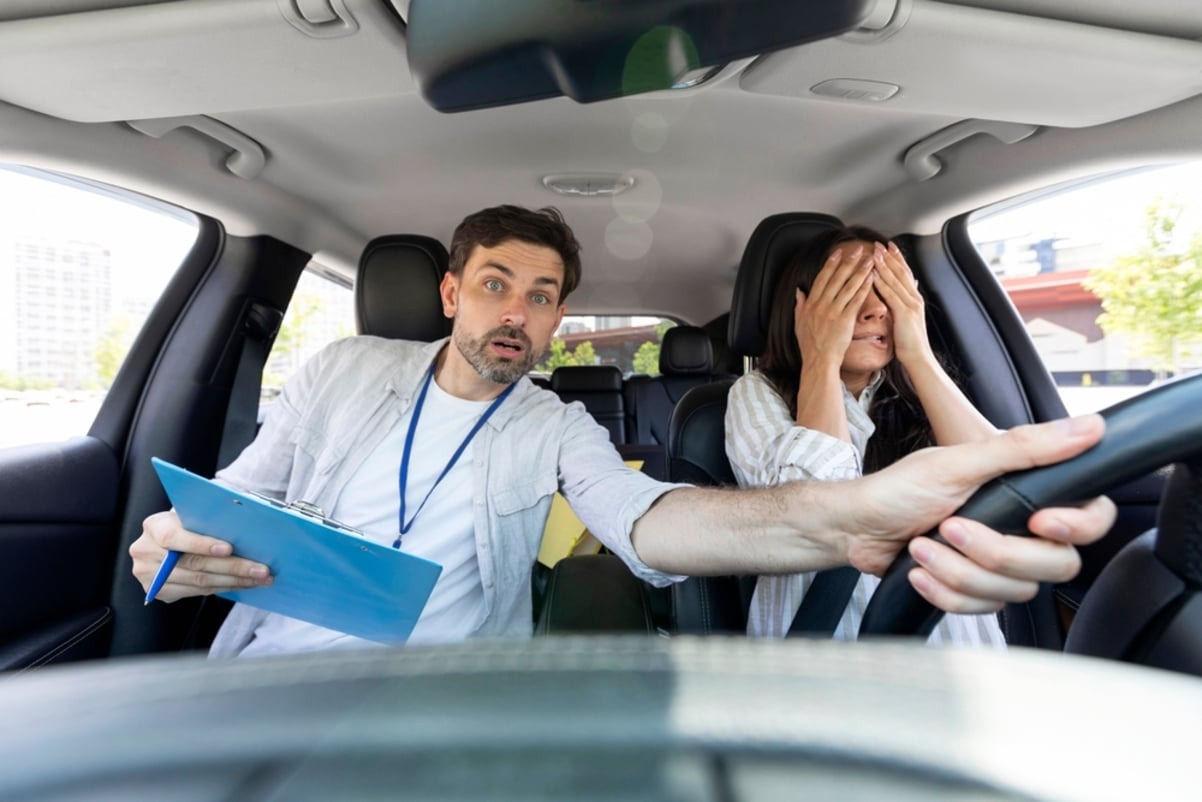
The process to obtain the National Driver’s License (CNH) involves several steps, among them is the dreaded driving test, which has the highest failure rate compared to the theoretical test. And one of the biggest ‘villains’, which greatly harms the performance of candidates, is anxiety.
At the time of the exam, it is very common for well-prepared students to forget to make some signaling, not to have good command of the vehicle or to make silly mistakes due, not to lack of knowledge or technique, but to nervousness. The emotional pressure of the theory test is concrete and should not be minimized.
SEE ALSO:
Anxiety directly compromises essential competencies evaluated by the DMV, such as:
The good news is that there are practical and simple methods to maintain tranquility and mental clarity before the test.
When a person is anxious, the tendency is for the heartbeat and breathing to accelerate, and they may even become panting and intensify the feeling of loss of control. Therefore, using your breath consciously can completely change your mental state in the minutes before the exam.
According to the Drauzio Varella portal, learning to breathe correctly and using simple techniques help relieve the symptoms of anxiety. The most basic rule is to pay attention to how the air enters and leaves your body, it must enter through the nose and exit through the mouth.
When training driving or at the time of the DMV test, if you are feeling anxious and with a very agitated mind, do the following procedure:
The second strategy can also be practiced daily, during training and before the exam, so that you get more used to the movements:
Although the indication is for shorter periods, repeating these cycles for about a minute already contributes to slowing down the heartbeat and activating the nervous system responsible for the feeling of calm.
Another technique that is widely used by high-performance athletes, which can work very well for CNH candidates, is visualization. By imagining himself taking the test calmly, the candidate reduces the feeling of threat and activates a positive emotional memory.
This can be applied by following the steps:
This exercise reduces the impact of the unexpected, one of the main triggers of anxiety, and helps you feel more prepared.
Many candidates end up suffering in anticipation and destabilization, as their focus is on negative scenarios, possibilities of failure, and consequences of failure. This type of thinking fuels anxiety.
Therefore, the technique of anchoring attention can be of great help to keep the mind in the present moment, preventing the brain from entering a cycle of worries. To execute this strategy, the candidate must:
Practicing these three techniques in the days leading up to the test, especially while waiting to be called by the examiner, allows the student to regain emotional balance and convert fear into concentration.



