Parliamentary proposal also defines minimum age for driving and reinforces other requirements that are in force by Contran
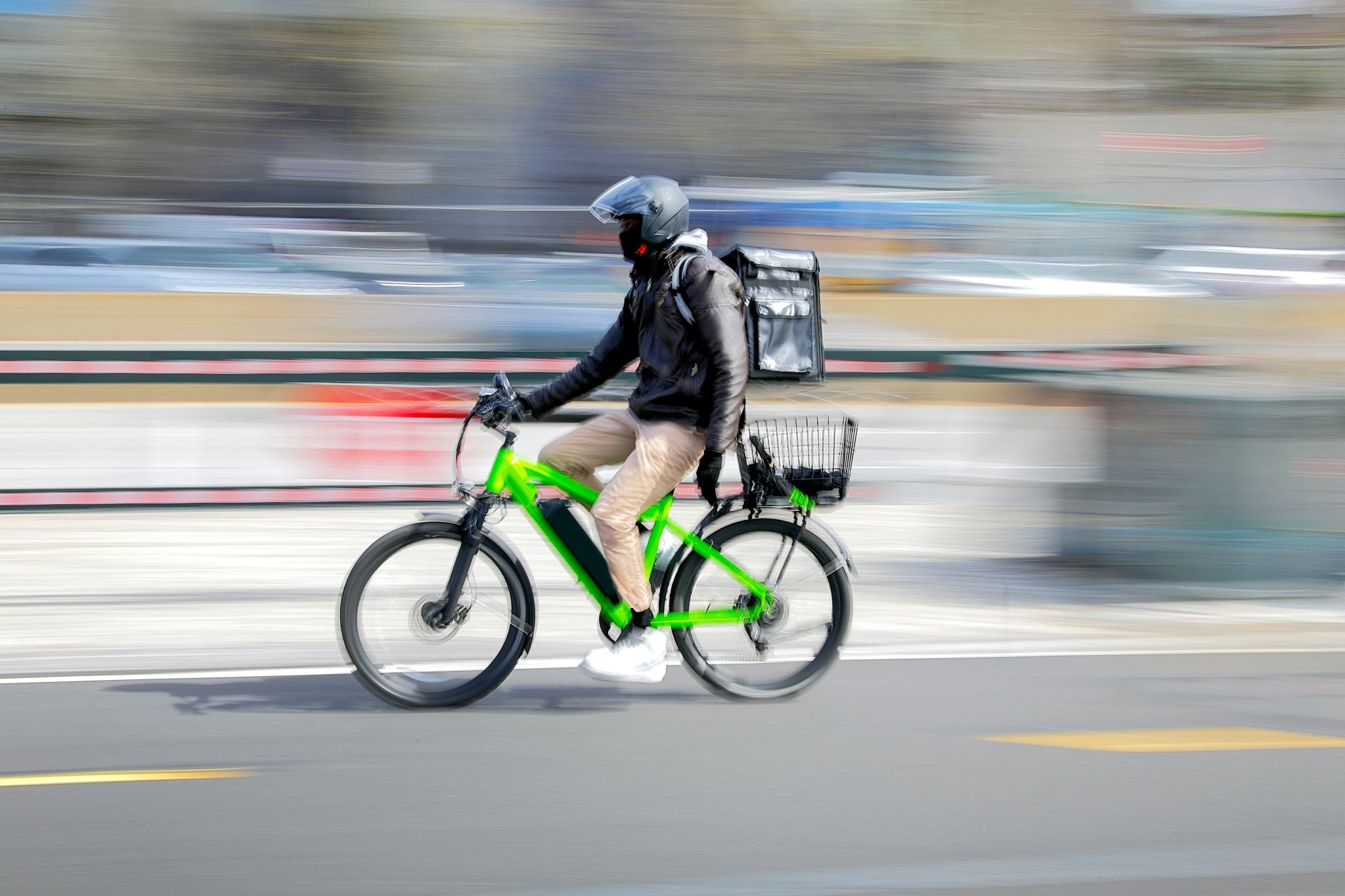
Bill 4920/25, under analysis in the Chamber of Deputies, establishes new general rules for the circulation of electric and motorized bicycles throughout Brazil. The text, authored by Federal Deputy Dr Victor Linhalis (Podemos – ES), defines a minimum age for drivers, makes the use of helmets mandatory and creates a national registry for these vehicles, in addition to reinforcing measures already established by Resolution No. 996 of Contran.
SEE ALSO:
The objective of the measure is to standardize traffic rules and increase safety, given the growth in the use of this equipment in cities.
The deputy argues that the increase in accidents with electric bicycles has generated serious consequences for public health, citing the growth of head trauma.
The exponential growth in the use of electric and motorized bicycles, although it represents a welcome advance in sustainable urban mobility, has brought with it a significant increase in the number of accidents”, said Linhalis. He also points out that the requirement of the helmet is “an indispensable measure for the protection of life”.
According to the text, the new requirements that most impacted drivers are:

The proposal also sets specific speed limits. These also reinforce rules implemented in Contran Resolution No. 996, of June 15, 2023, which came into force in its entirety in 2026.
In the changes, it is expressed that the speed limits for electric and motorized bicycles are:
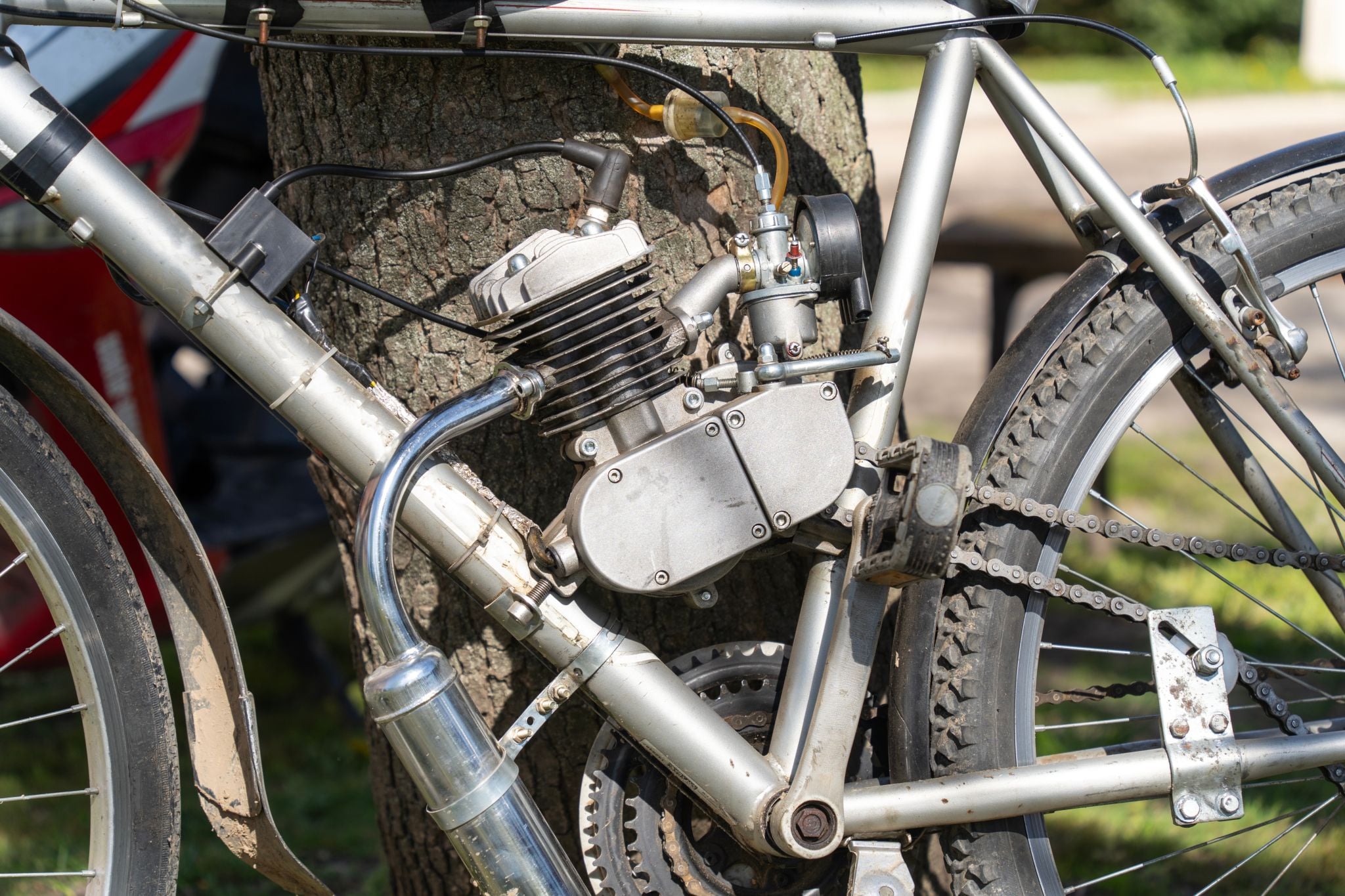
The bill also prohibits modifying the original power or top speed of bicycles. Anyone caught with an adulterated vehicle will suffer a fine and seizure of the bicycle. Workshops and stores that perform this service may be interdicted and pay a double fine.
The text also creates the National Registry of Electric Bicycles (CNBE), which will be free and linked to the owner’s CPF or CNPJ. Bicycles must have a QR Code to facilitate inspection and identification in cases of theft or robbery.
The proposal, which is being processed in a conclusive manner, will be analyzed by the committees of Industry, Commerce and Services; Road and Transport; Finance and Taxation; and Constitution and Justice and Citizenship.
On June 15, 2023, the National Traffic Council (Contran) published Resolution No. 996 with the objective of establishing clear technical criteria for the circulation, on public roads, of mopeds, electric bicycles, and self-propelled individual mobility equipment. The rule came into force in a staggered manner and had its adaptation period ended in December 2025, becoming fully effective in 2026.
According to the rule, the following are considered:
If the vehicle exceeds the established power or speed limits, it is no longer classified as an electric or self-propelled bicycle and is now classified as a moped, scooter or motorcycle — categories that require registration, registration and qualification (ACC or category A).
The resolution also establishes mandatory equipment for electric and self-propelled bicycles, such as a bell, front, rear and side night signaling, as well as an electronic speed limiter device. For mopeds, requirements similar to those for other motor vehicles apply, including rearview mirrors, headlight, taillight, horn, speedometer and use of helmet.
The text also provides for an express exception for equipment intended for the locomotion of people with disabilities or reduced mobility, which remain exempt from the requirements of the rule.



