Commission focused on traffic will analyze changes in the CTB, including inspection with radars and the licensing process
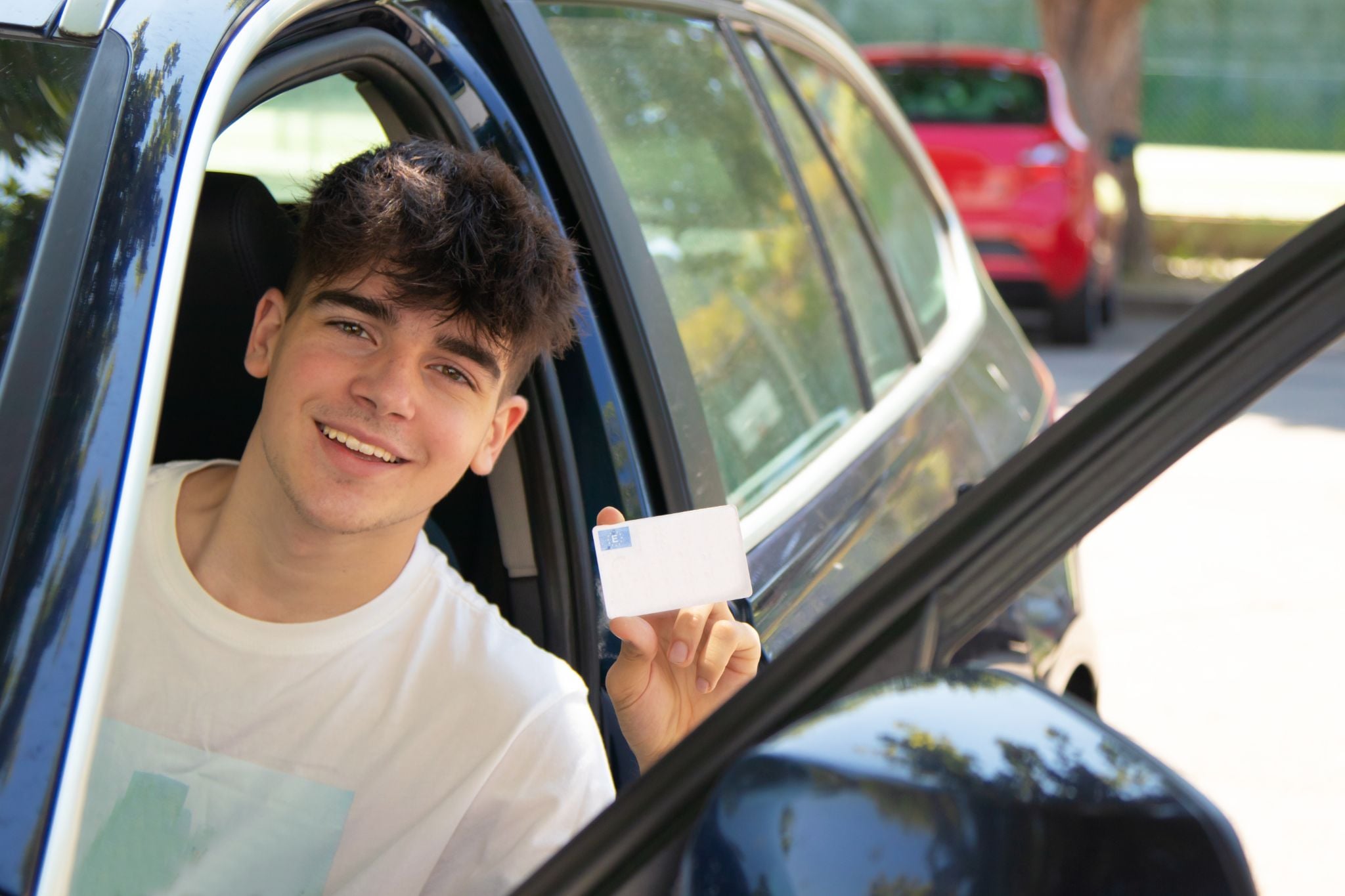
This Wednesday (11) a meeting of the special commission took place in the Chamber of Deputies to discuss changes in the Brazilian Traffic Code (CTB). The work plan proposed by rapporteur Aureo Ribeiro (Solidarity-RJ) will discuss: lowering the driving age, facilitating the license process, new rules for the medical examination and classes on traffic in schools
SEE ALSO:
The topics will be discussed in public hearings, which can be followed online by the population. They will have the presence of deputies and the participation of specialists, see the schedule:
The most controversial issue that will be discussed by the deputies is the reduction of the minimum age to be able to drive, from 18 to 16 years old. The rapporteur argues that young people of this age can already vote, if they already have this responsibility they could also get their driver’s license.
This subject has been on the agenda on other occasions and fell due to the age of criminal responsibility in the country being 18 years old. The commission on April 1 will discuss this.
The subject of the first hearing, which is the qualification process, has become a frequent agenda in the Chamber of Deputies. At the end of 2025, the end of the obligation to take classes in driving schools to take the exam to obtain the National Driver’s License (CNH) was approved.
The discussion that will be held by the deputies involves a reformulation of the entire process, to reduce bureaucracy and costs. As a complement, they also want to propose classes in schools focused on the CTB.
Another topic that will be discussed in the Chamber of Deputies is the rules for medical exams carried out on drivers with category A and B CNH. This includes the addition of toxicological tests.
Finally, they will discuss the enforcement of speed limits. The example given by Aureo is of roads where the limits change over short distances, which result in frequent fines. The automatic toll system, called Free Flow, will also enter this discussion.
The public hearings will have the participation of: National Traffic Secretariat (Senatran), representing the federal government; the State Traffic Departments (Detrans), representing the States and the Federal District; the National Forum of Secretaries and Directors of Traffic and Urban Mobility, representing the municipalities; the Federal Highway Police, entities representing Driver Training Centers (driving schools), traffic doctors and psychologists, traffic safety specialists, entities representing professional drivers and organized civil society entities.



