Bill that allows the taxation of cars to finance buses, trains and subways passed through the Senate and is being processed urgently in the Chamber
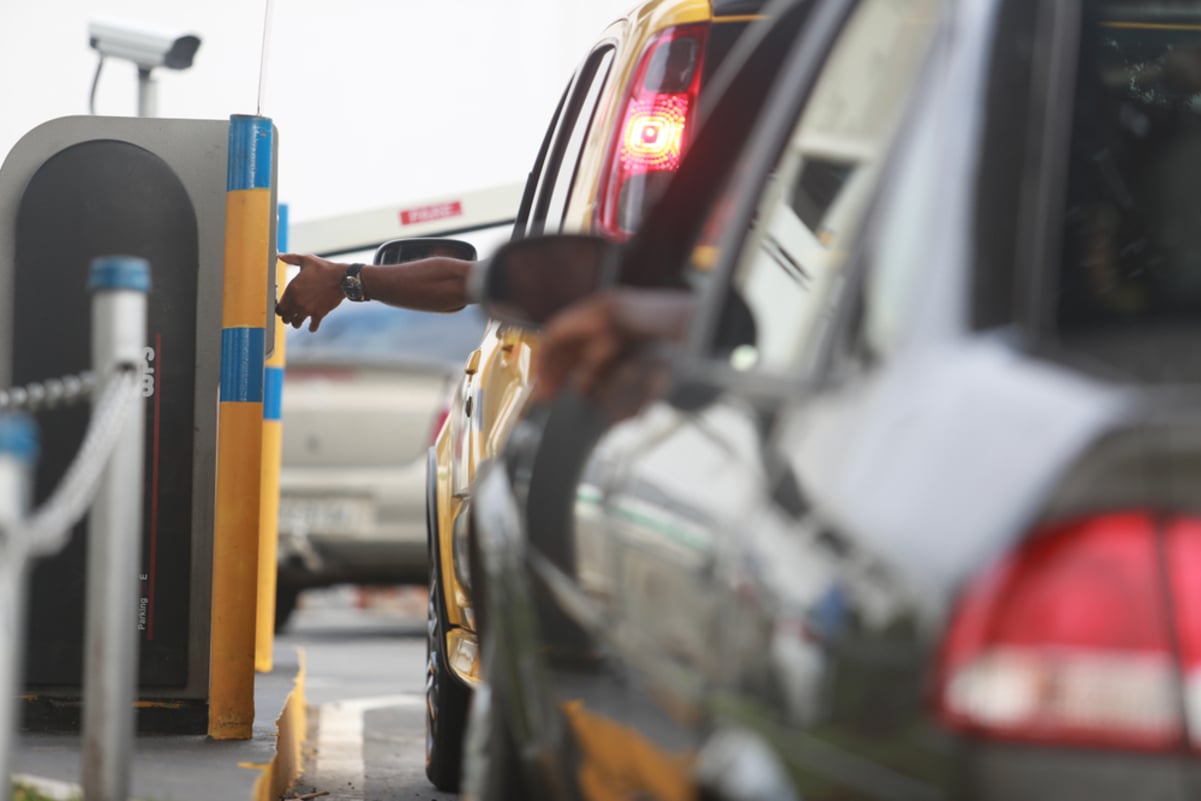
Over the years, bus, train and subway tickets have undergone readjustments and are increasingly expensive, with values that reach R$ 7.70, as is the case with buses in Florianópolis. To solve this financial and quality crisis, the new Legal Framework for Urban Public Collective Transport is being processed in the Chamber of Deputies, which, among other measures, proposes the ‘congestion tax’.
The objective of these new rules, provided for in Bill No. 3728/21 authored by former senator Antonio Anastasia (PSD/MG), is to seek ways to finance public transport and avoid a collapse of the collective mobility system. The text has already been approved by the Senate and is ready for agenda in the plenary of the National Congress on an urgent basis, that is, it will not need to go through other committees before the final vote.
SEE ALSO:
The new legal framework was designed to try to solve the high expenses of those who use public transport every day and suffer from the constant increase in fares, which often does not reflect on the quality of transport. The Bill amends legislation such as the City Statute and the Urban Mobility Law, which may be the biggest change in the sector since 2012.
If the Bill receives a favorable opinion, states and municipalities will have the autonomy to create circulation restrictions and subsidize part of the expenses, in addition to seeking other sources of revenue.
In practice, this means that all the operator’s expenses, whether for buses, trains or subways, will not depend only on the value of the ticket, as established in the current model. The legal framework provides that the government covers the difference between the operating cost and what the user pays.
For this to happen and be financially viable, the law formalizes and encourages the use of extra-tariff mechanisms, such as charges related to the use of the road system and parking. The Legal Framework for Public Transport also encourages the renewal of the fleet with a focus on sustainable vehicles. Revenues from carbon credits will also be used to fund the infrastructure and operation of the system.
The objective is to diversify the revenue base that sustains public transport to reduce the increase in fares without harming the efficiency of local public spending. However, all of this comes at a cost. Hence the much-commented ‘congestion tax’ and other speculated taxes, which come to be a possible source of revenue to pay for the buses and subways in circulation.
Article 30 of Bill No. 3728/21 provided that, in order to fund these subsidies and avoid the increase in fares, municipalities and states would be allowed to create new sources of revenue, such as:
However, last Monday (16), Deputy José Priante (MDB-PA), rapporteur of the new legal framework for urban mobility, removed from the proposal the sections that paved the way for the creation of new taxes. The entire article 30 was disregarded by the parliamentarian, but this does not mean that the new taxes will cease to happen.
Thus, until then, the text only authorizes states and municipalities to institute taxes and does not automatically create any fees. These taxes can be linked to the use of roads, circulation in central areas and emission of pollutants, with the aim of financing public transport and discouraging the individual use of vehicles. That is, each mayor or governor will decide on the level of subsidy for bus and train or subway tickets in his region.
The proposal also establishes that gratuities and fare discounts, which today correspond to 22% of fare costs, be funded by resources already provided for by law, without generating a burden on other passengers.
If the legal framework is approved, along with the possibility of new taxes, governments and operators will have to disclose the detailed costs of the operation; ticketing and passenger number data; exact calculation of the fare and subsidies, among other information.
Concessions for transport services are also no longer automatically renewed and now require mandatory bidding with performance criteria. Therefore, companies will be able to have their remuneration adjusted according to the quality of service and their planning must provide for the energy transition.
A group of nine entities in the sector, such as NTU (National Association of Urban Transport Companies) and ANPTrilhos (National Association of Rail Passenger Carriers), released a note last week in support of PL 3278/21.
The rule comes into force one year after official publication, the deadline for states and municipalities to adapt their legislation and prepare the new contract models and regionalized inspection.



