VW's SUV is the best-selling in Brazil and will now have a competitor with some good attributes to threaten this reign
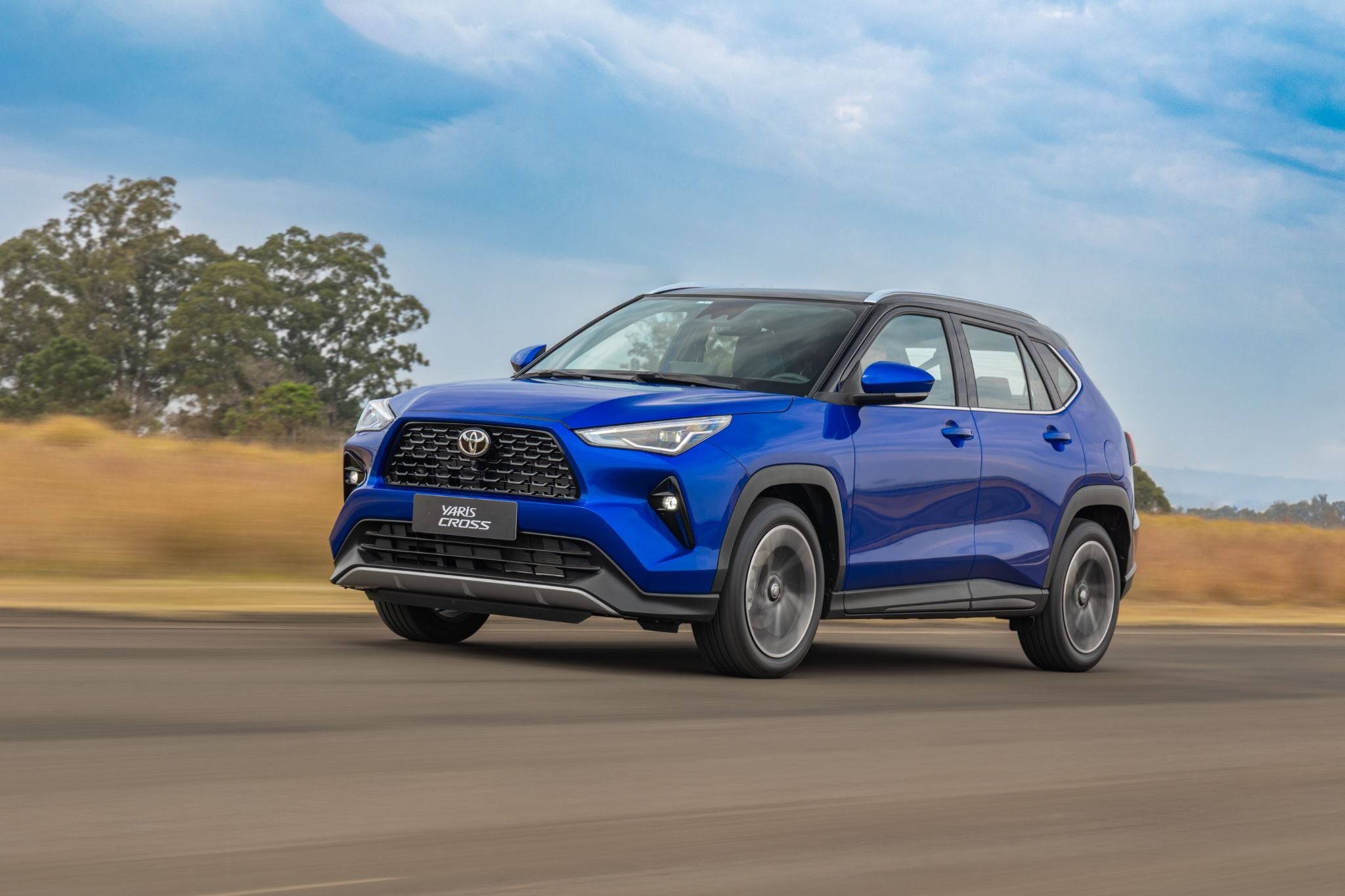
The Toyota Yaris Cross was launched in Brazil, after some delays. The Japanese compact SUV arrived in five versions, two of which are hybrids, with intentions of bothering the Volkswagen T-Cross, leader in the segment.
Toyota has been the leader in the midsize sedan segment in midsize pickup trucks for more than a decade and was dominating the midsize SUV segment by 2025. This was interrupted by the destruction of the engine factory in Porto Feliz (SP), which forced the suspension of car production and delayed the launch of the Yaris Cross.
SEE ALSO:
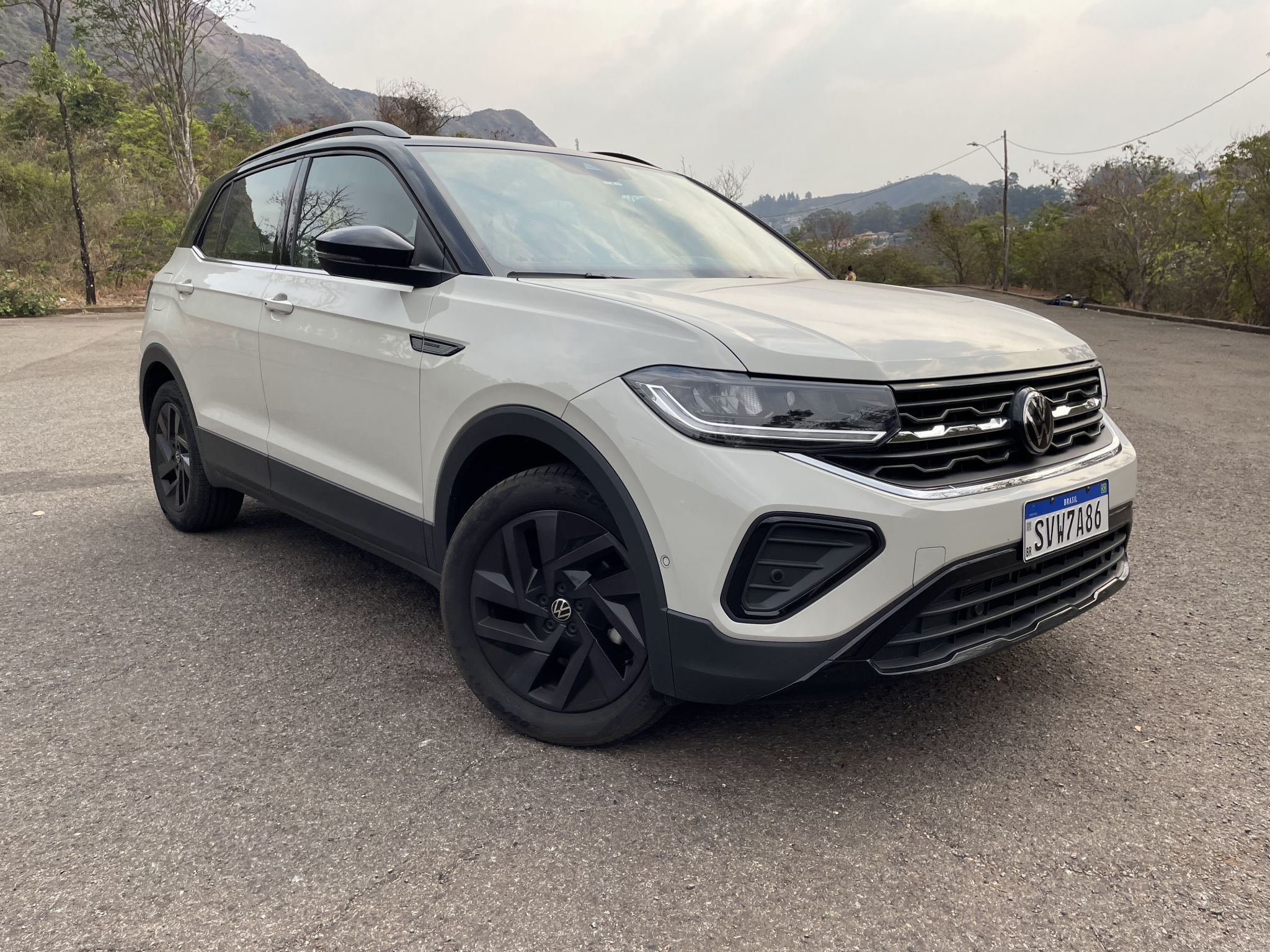
The Volkswagen T-Cross has been the best-selling SUV in Brazil since 2023. The German model started 2026 as the most licensed car in January, demonstrating its strength in the market.
But, like the Corolla Cross, Toyota is betting on the hybrid set and its good reputation to fight for leadership. We compared the novelty with the T-Cross to find out where each one stands out.
The Toyota Yaris Cross debuted in five versions, with prices ranging from R$ 149.990 to R$ 189.990. As usual in Japanese cars, there are no options, the additions are just the paint options.
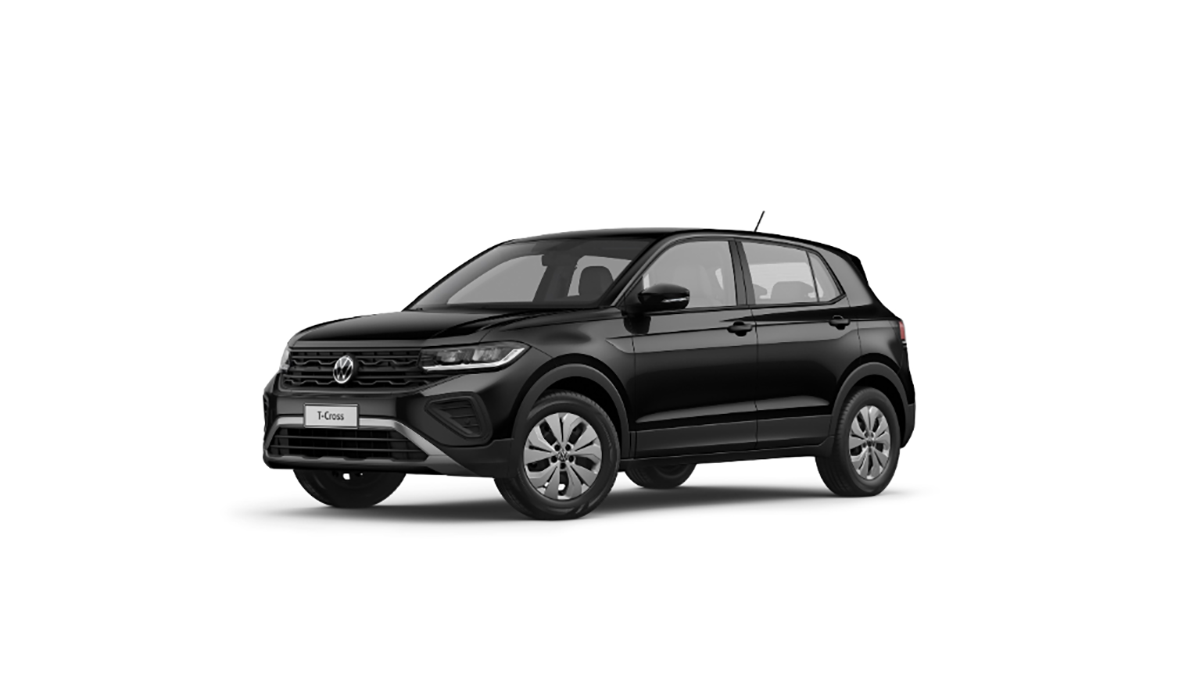
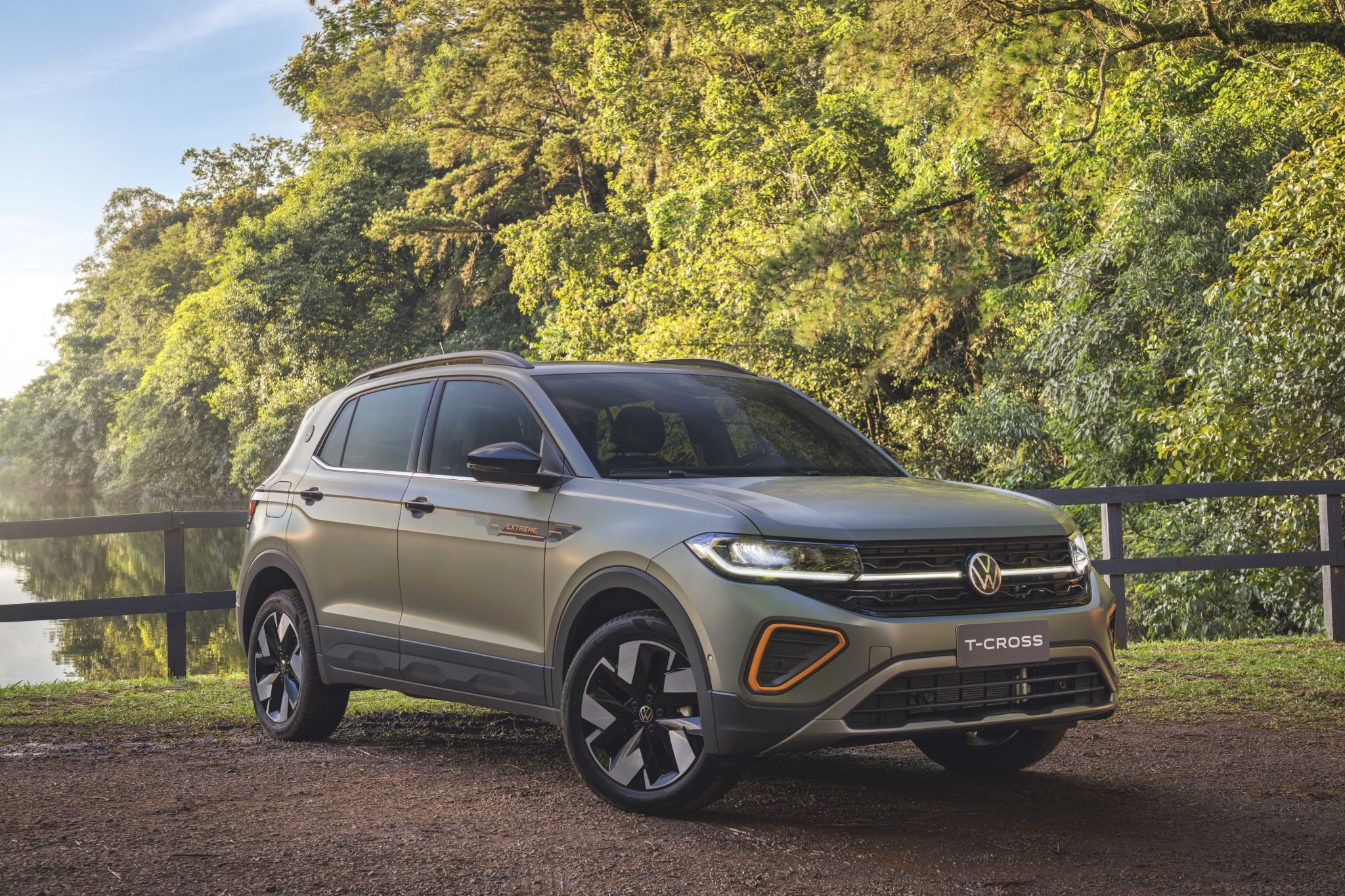
The Volkswagen T-Cross also has five versions, but the table starts at R$ 119.990 to adapt the Sense model in more exemptions for PwD. The top of the table is R$ 203.490, but can reach R$ 218.030 with the options.
| Version | Price | Version | Price |
|---|---|---|---|
| Yaris Cross XR | R$ 149.990 | T-Cross Sense | R$ 119.990 |
| Yaris Cross XRE | R$ 161.390 | T-Cross T200 | R$ 161.490 |
| Yaris Cross XRE Hybrid | R$ 172.390 | T-Cross Comfortline | R$ 181.990 |
| Yaris Cross XRX | R$ 178.990 | T-Cross Highline | R$ 196.290 |
| Yaris Cross XRX Hybrid | R$ 189.990 | T-Cross Extreme | R$ 203.490 |
The Toyota Yaris Cross has a price advantage over the Volkswagen T-Cross in almost all versions. The German’s advantage is to have the Sense model for less than R$ 120 thousand.
Toyota has not yet surrendered to turbocharged engines in Brazil. The Yaris Cross debuted an updated version in the 1.5 aspirated of the NR family, which gained direct fuel injection.
This brings it more in line with the Honda HR-V and Nissan Kait, which also use naturally aspirated engines. Toyota’s new 1.5 produces 122 hp and 15,3 kgfm. The hybrid model delivers 111 hp combined, with the electric motor delivering 14,4 kgfm.
The Volkswagen T-Cross has only turbocharged engines. Even the Comfortline version, the 1.0 turbo three-cylinder with 128 hp and 20,4 kgfm is used. The Highline and Extreme have the 1.4 TSI with 150 hp and 25,5 kgfm.
Among the turbo engines offered in Brazil, Volkswagen’s are among the ones with the best reputation. They have been in business for over 10 years and are known to mechanics.
SUVs also adopt different philosophies when it comes to the gearbox. In the Yaris Cross a CVT is used, which can simulate brands in the XRE and XRX models. The T-Cross has a six-speed automatic transmission in all versions, produced by Aisin, which belongs to Toyota.
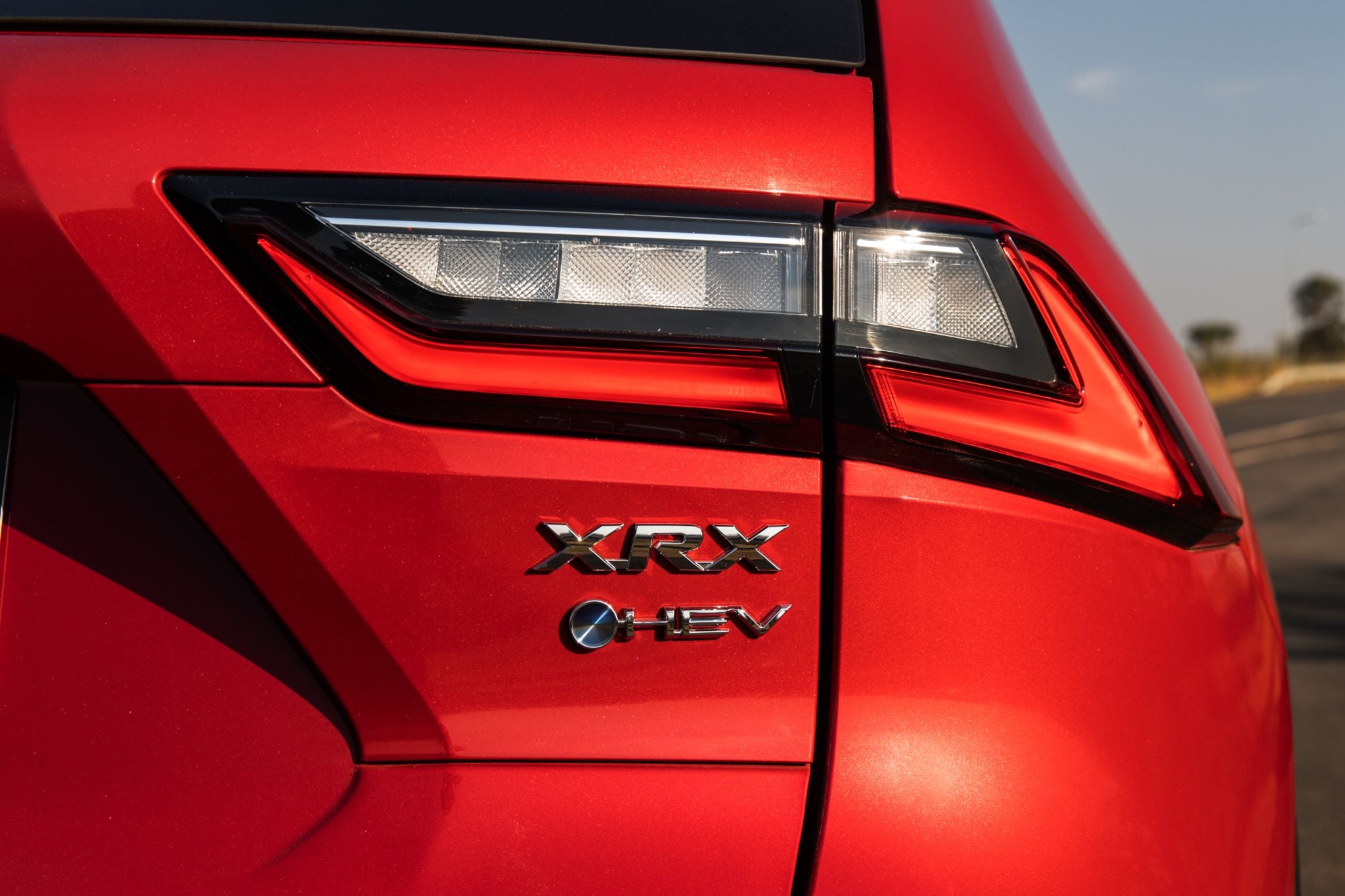
This is where the Toyota Yaris Cross stands out the most, both 1.5 and hybrid models are among the most economical cars in the segment. See the table below for its consumption:
| Fuel | City | Road |
|---|---|---|
| Gasoline | 12.6 km/l | 14.3 km/l |
| Ethanol | 8.8 km/l | 10.2 km/l |
| Fuel | City | Road |
|---|---|---|
| Gasoline | 17.9 km/l | 15.3 km/l |
| Ethanol | 13.2 km/l | 10.7 km/l |
The Volkswagen T-Cross is among the most efficient in the segment with a turbo engine, but when compared to the Yaris Cross it stands out in the road averages of the 1.0 TSI model. See the averages in the Inmetro standard:
| Fuel | City | Road |
|---|---|---|
| Gasoline | 12.1 km/l | 14.5 km/l |
| Ethanol | 8.5 km/l | 10.2 km/l |
| Fuel | City | Road |
|---|---|---|
| Gasoline | 11.8 km/l | 14.2 km/l |
| Ethanol | 8.2 km/l | 9.9 km/l |
Even though it is a light car, the Toyota Yaris Cross is at a disadvantage when it comes to performance. The T-Cross, regardless of the engine, is more powerful and faster than the Japanese rival.
Volkswagen discloses acceleration from zero to 100 km/h in 10 seconds for the 200 TSI and in 8.7 s for the 250 TSI. Toyota does not report performance data, but the instrumented test of Quatro Rodas magazine pointed to acceleration from zero to 100 km/h of 11.5 seconds for the Yaris Cross Hybrid.
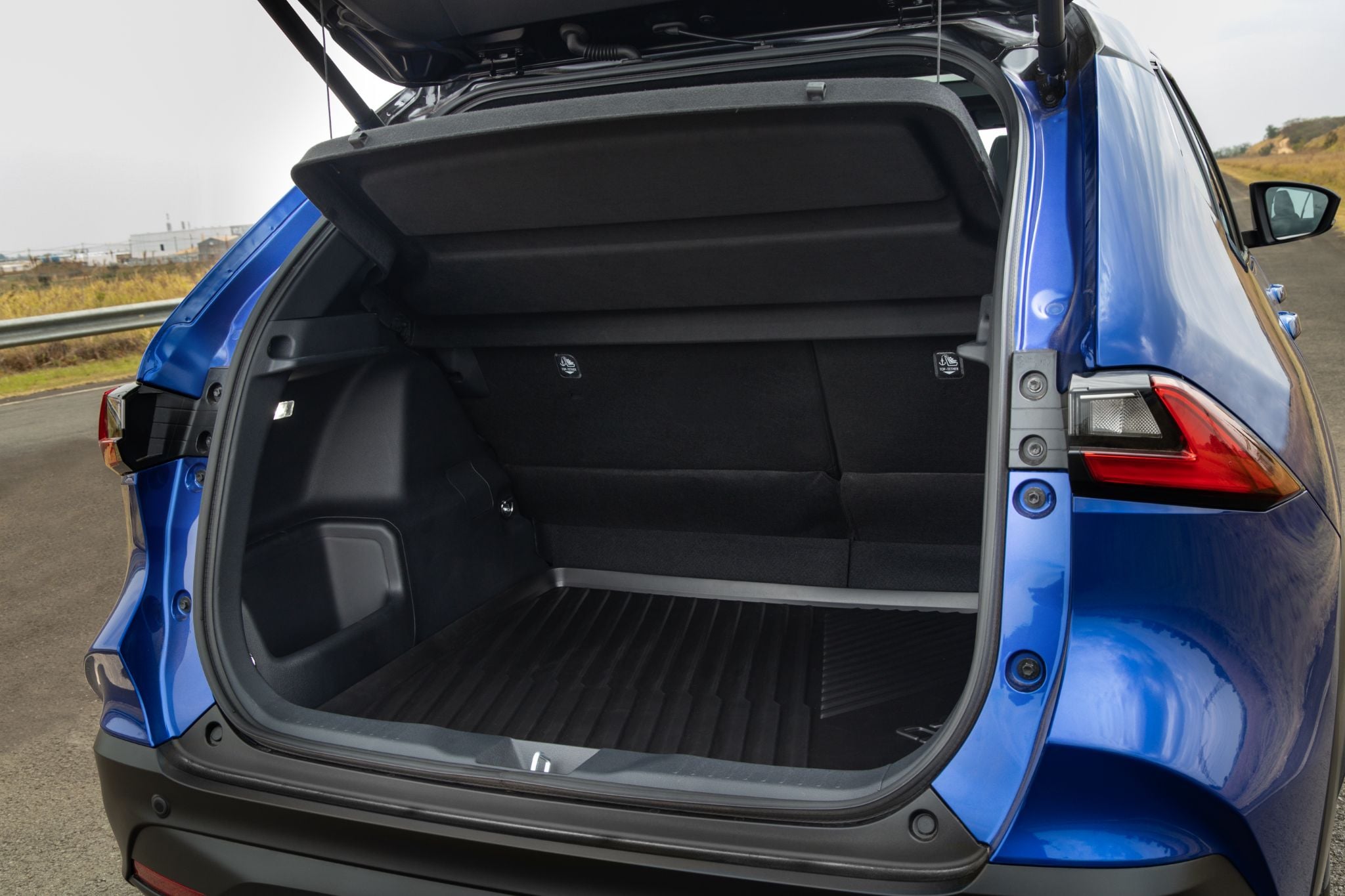
The volume of the luggage compartment is something important in a family car. The standard of compact SUVs is not the most favorable, both the Toyota Yaris Cross and the VW T-Cross are in the average of the segment.
The Yaris Cross has a trunk with 400 liters of volume, in the hybrid model it drops to 390 liters. The T-Cross has 373 liters of volume, which grows to 420 liters by changing the inclination of the rear seat — which impairs the comfort of the occupants.
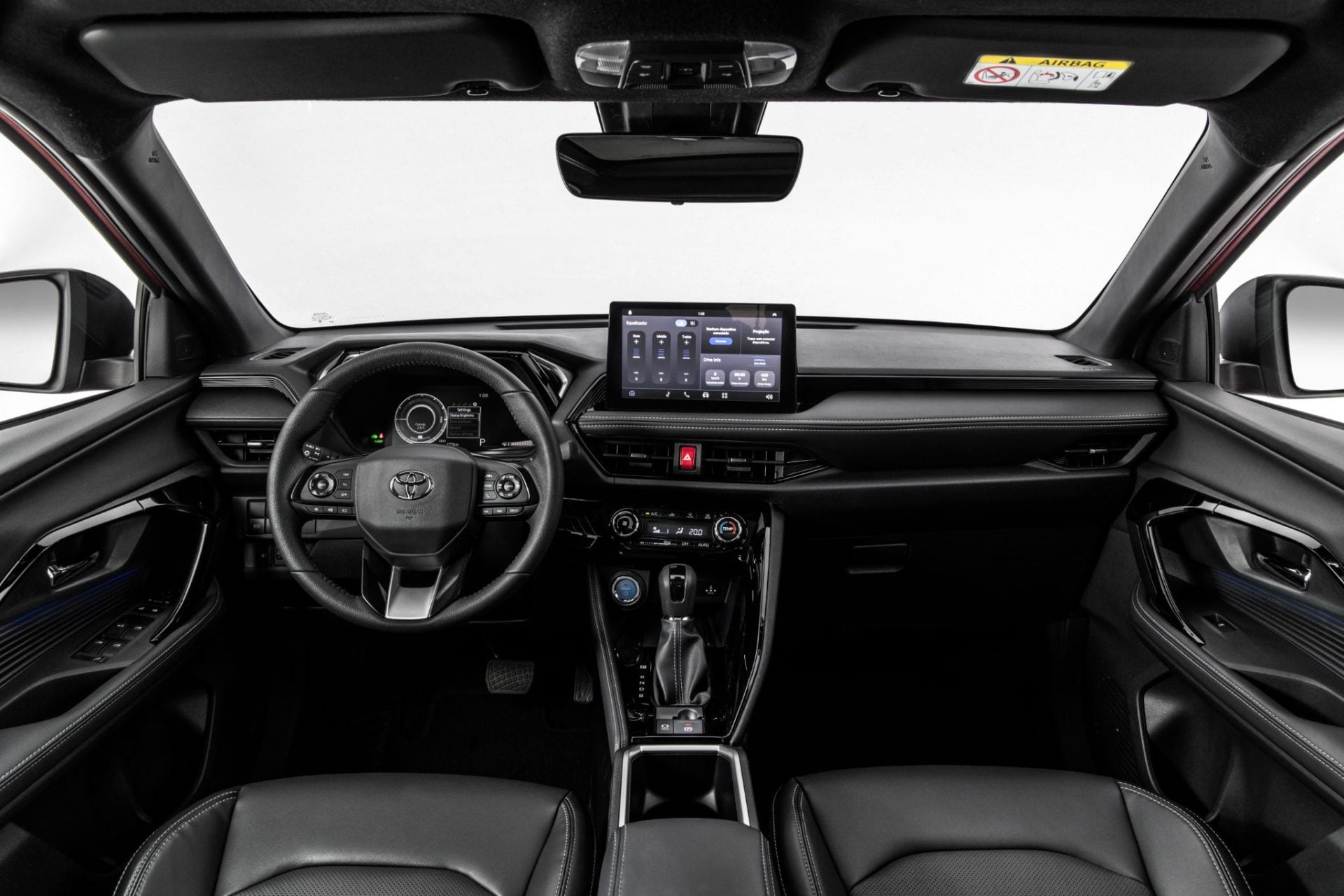
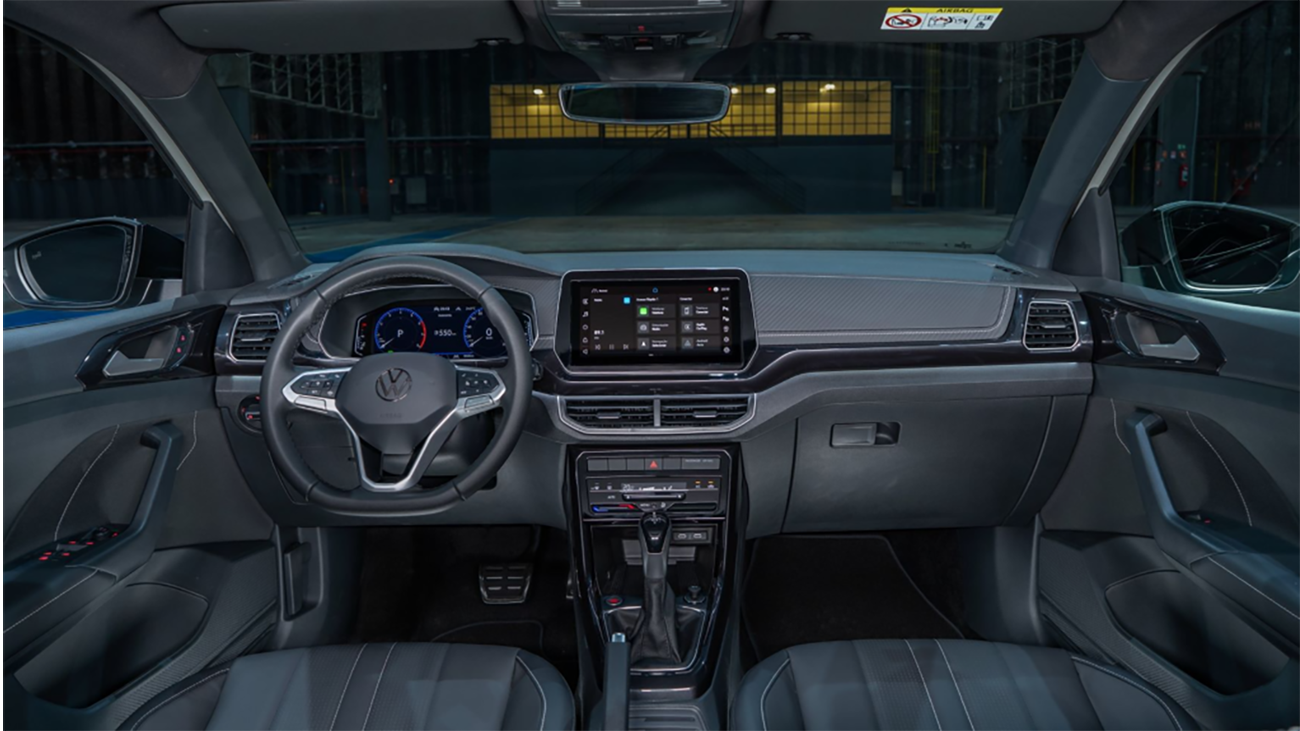
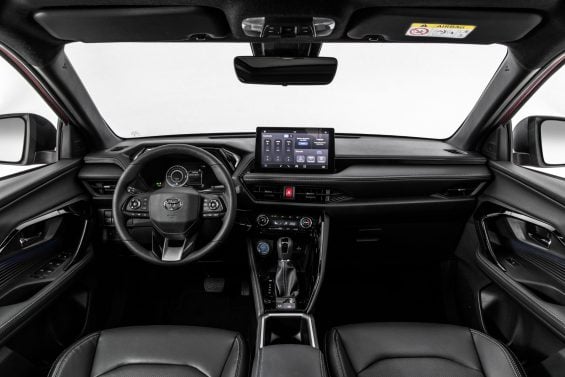
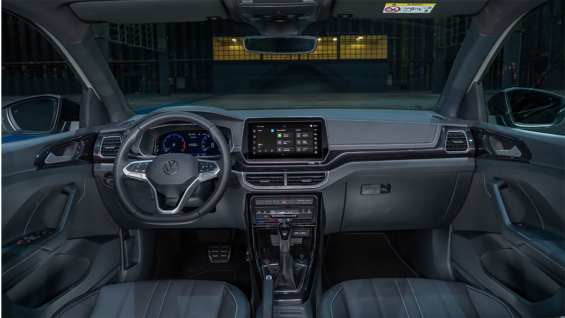
Both SUVs are equivalent in many items, such as offering full-LED headlights, 6 airbags, multimedia center and twilight sensor in all versions. The T-Cross has an advantage in having autonomous emergency braking and the digital dashboard from the Sense model, while the Yaris Cross does not offer these items in the XR model.
The Japanese makes up for this by having alloy wheels, electronic parking brake, more color options and a less Franciscan look in the entry-level model. Another advantage of it is that it comes with a complete ADAS package from the XRE model, in the T-Cross this item is optional in the Highline and Extreme.
The Toyota Yaris Cross also offers the electric trunk opening on the XRX, 360 camera and the fixed panoramic sunroof is standard. In the T-Cross it is optional, but it has the advantage of having an opening.
Finally, the Japanese SUV offers a more neat finish, with soft-touch on the front doors and vinyl on the dashboard. The T-Cross only has the vinyl on the dashboard, while the doors are in hard plastic. Even late, the Yaris Cross arrived with a good filling.



