New rules for getting a driver's license are already in force and include a reformulated theoretical course with new modalities and an online exam
At the end of last year, Andreza Lima dos Santos became the first person to get the National Driver’s License (CNH) with the new rules established by the CNH do Brasil project. The candidate, now qualified, tried the new model that removes the obligation of driving schools and presents numerous changes, which include changes in medical and psychological exams, new application, simpler driving test and reformulation of the Detran test.
The objective of the novelties in the license process is to make the process more accessible and flexible, however, it raised questions about the impacts on driver training and traffic education in general. In this article, you can see the main changes regarding the course and the theoretical exam. They are:
SEE ALSO:
To start the qualification process, the candidate needs to install the CNH do Brasil application, which came to replace the Digital Transit Card (CDT). It is available for free on Google Play and the App Store and allows citizens to carry out mandatory steps and follow the entire progress of the procedure.
To apply for a driver’s license, simply log in with the gov.br account and select the option “Application for the First License”. From there, you can start the first stage: the theoretical course.
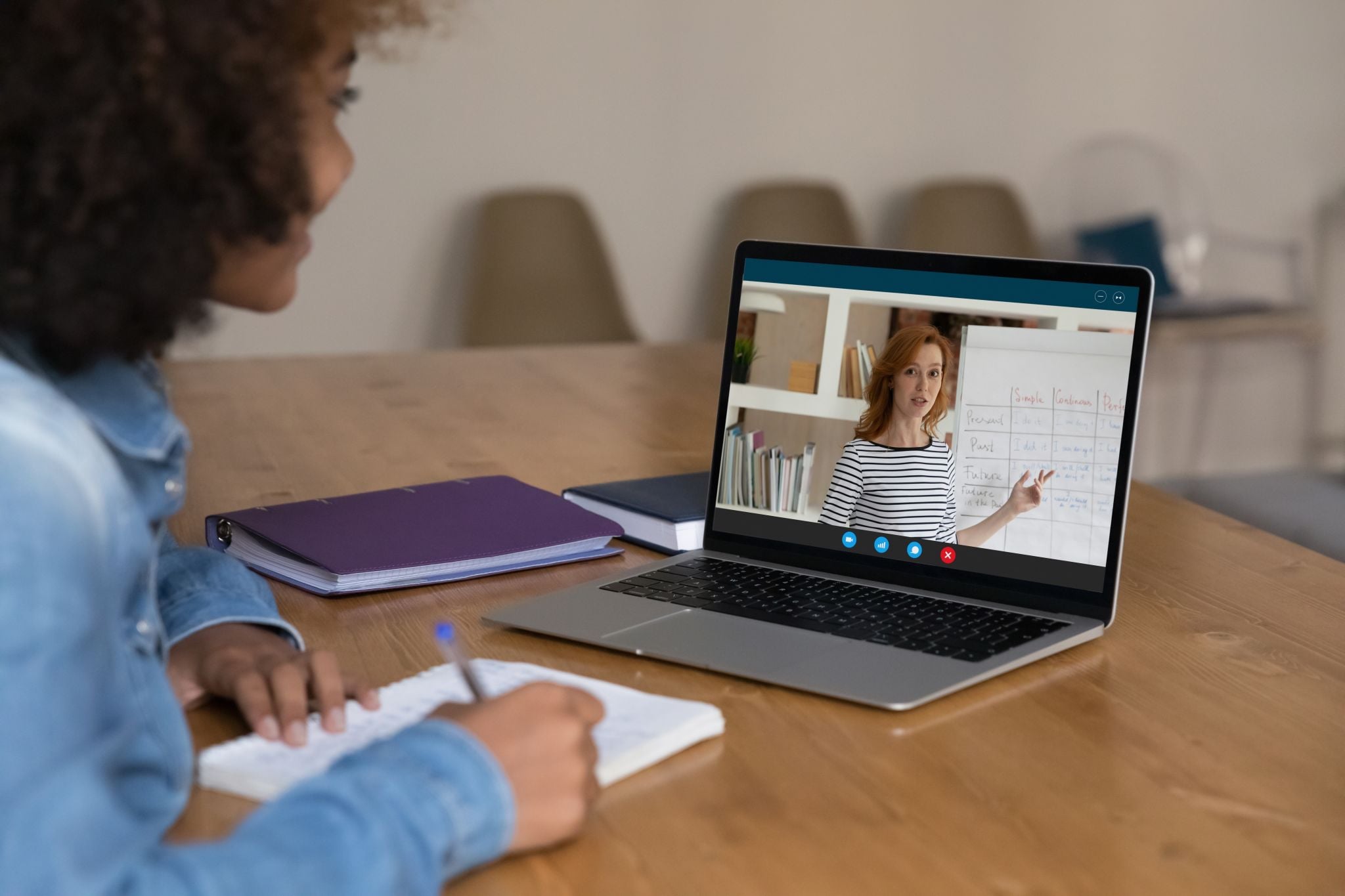
With the opening of the process, it is possible to take the free theoretical course offered by the Ministry of Transport. Resolution 1.020/25 of the National Traffic Council (Contran), which provides for all changes in the CNH do Brasil project, puts an end to the minimum mandatory national workload for the theoretical course, which was previously 45 hours.
In this way, there is no longer a fixed number of class hours defined and you gain total autonomy, so the study depends on the pedagogical proposal of the chosen institution and your commitment. In 2026, it is possible to choose where and how to study among the following options:
The Ministry of Transport has already made the theoretical course available with fully digital material. In the old model, the content was divided into the disciplines: traffic legislation, defensive driving for vehicles, notions of first aid, notions of protection and respect for the environment and social interaction in traffic; notions about the operation of the two- or more-wheeled vehicle.
According to Ordinance No. 923, now, classes deal with the following subjects:
This content is offered in multiple formats: videos, podcasts and complementary material. The candidate will also be able to take a mock exam to test their knowledge, exactly as they will be charged in the Detran test.
Upon completion of the course, the certificate is automatically issued and registered in the National Traffic System (SNT). This document does not necessarily attest to the student’s knowledge, but only that he has completed the theoretical course to obtain the license.
The platform saves progress automatically and remains available for review even after it ends. The next step is to take the Detran theoretical test.
According to the new CNH rules valid in 2026, the theoretical exams continue to be objective tests, consisting of 30 multiple-choice questions, with four answer alternatives and only one correct one. To obtain approval, it is necessary to get at least 20 questions right, which will be extracted from the National Bank of Questions, organized and maintained by the Ministry of Transport.
The old legislation stated that the test should be carried out in person at a Detran unit or at an accredited CFC with proper monitoring. Now, however, the responsible traffic executive agency is responsible for defining the format and form of application of the theoretical exams.
This means that tests can have a format: physical (printed) or electronic (digital environment) and can be applied in the following modality:
The last option even allows the test to be accessed through the candidate’s own hardware, so it is possible to take it from your sofa in the comfort of your home. The candidate who fails may take the test again, without limitation of attempts, until he passes, and the second attempt may be made without charging additional fees.



