Chinese engineering is known for being quick to develop new products and has experience with electrification, this has drawn attention around the world
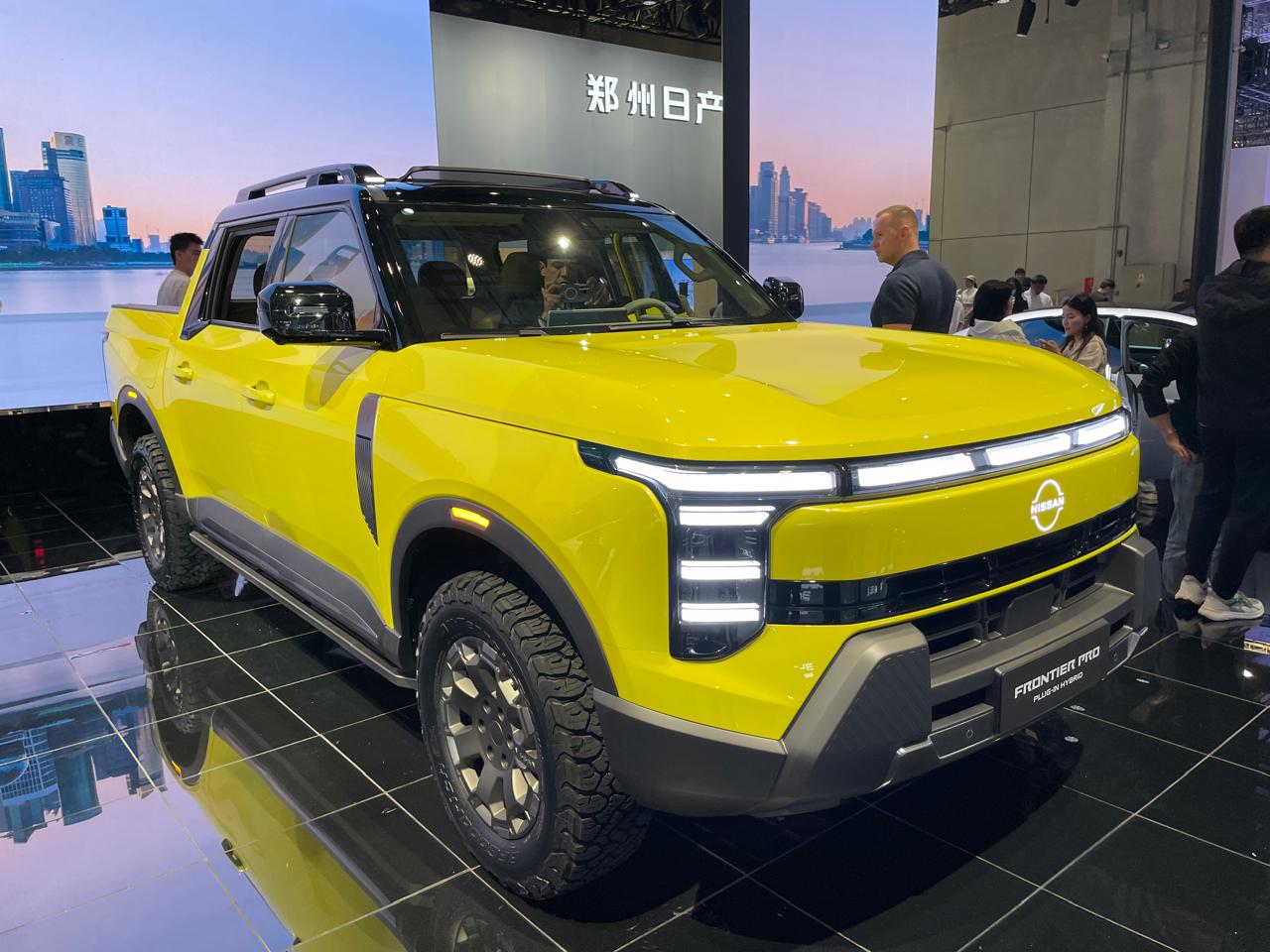
Japanese brands took the world by storm with their medium-sized pickup trucks, which made a name for themselves for their robustness. But the growing search for electrification and the reduction in development costs made some automakers look to the Chinese when making their new pickup trucks.
Nissan was one of them, it launched the Frontier Pro in some markets using the Chinese Dongfeng Z9 as a base. The model was spotted landing in Brazil, giving indications that we will have the model to succeed the model that was produced in Argentina.
SEE ALSO:
Volkswagen has a similar project, the new generation of the Amarok for Latin America will be derived from the Maxus Terron 9. Stellantis, on the other hand, inherited the Peugeot Landtrek project, which was made together with Changan and was launched in Brazil as Fiat Titano and Ram Dakota.
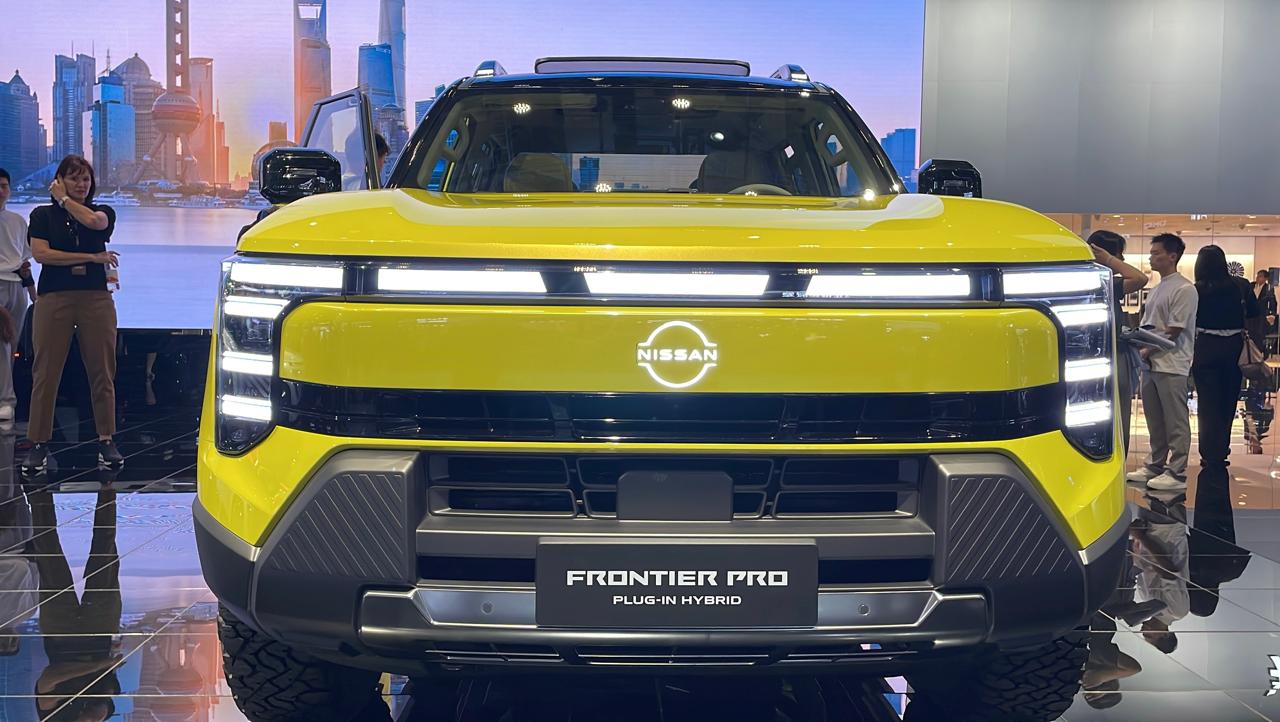
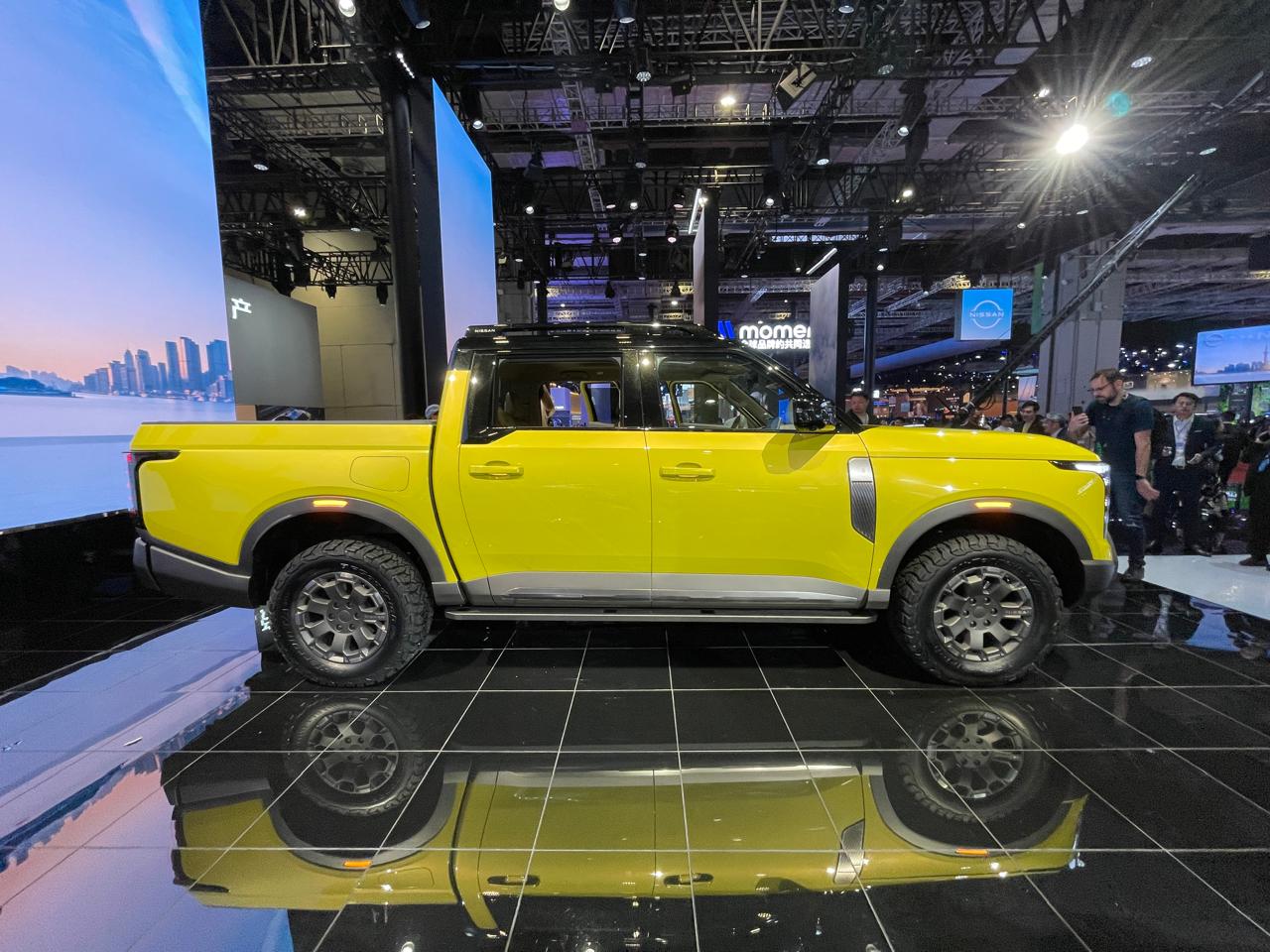
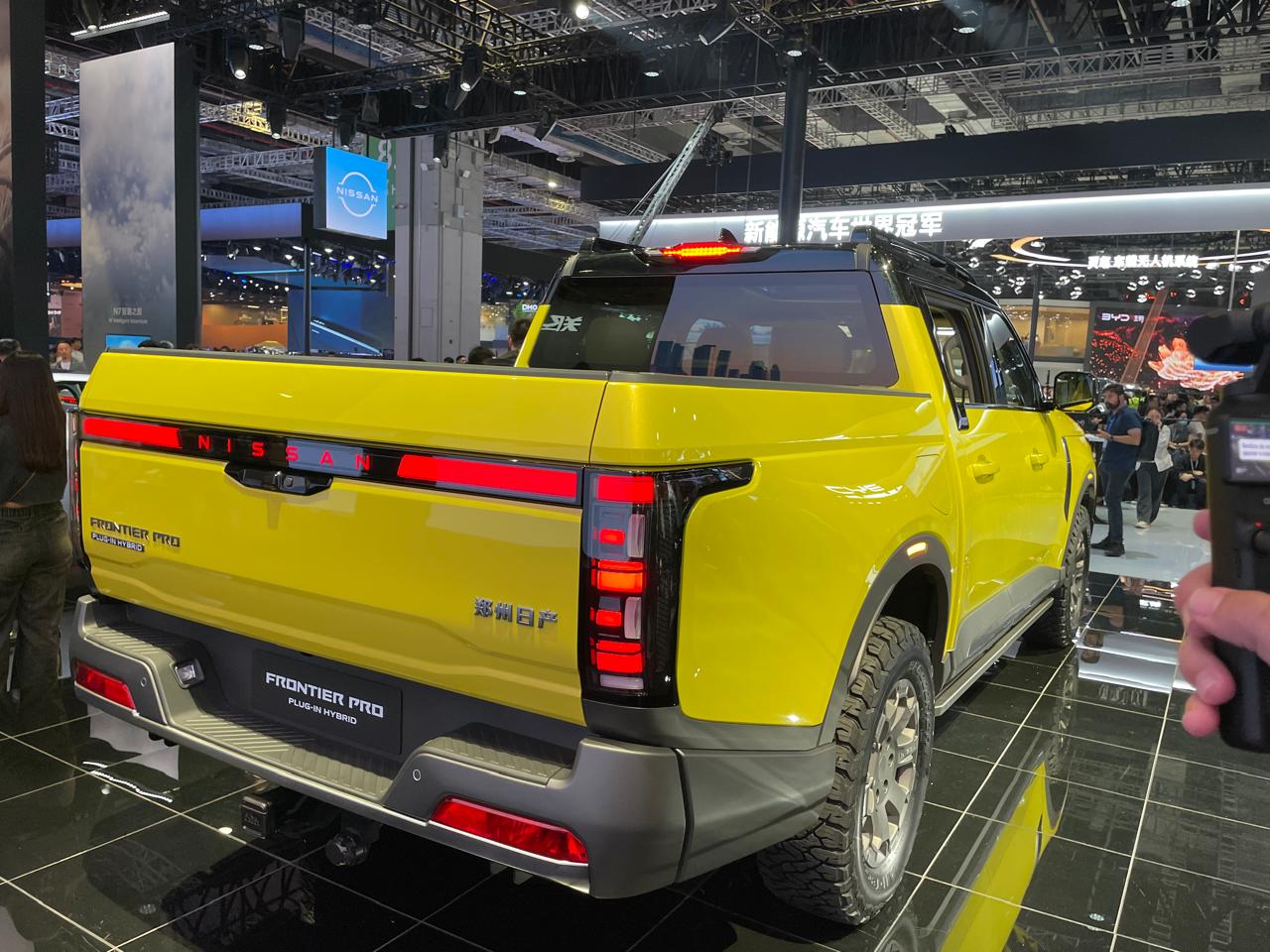
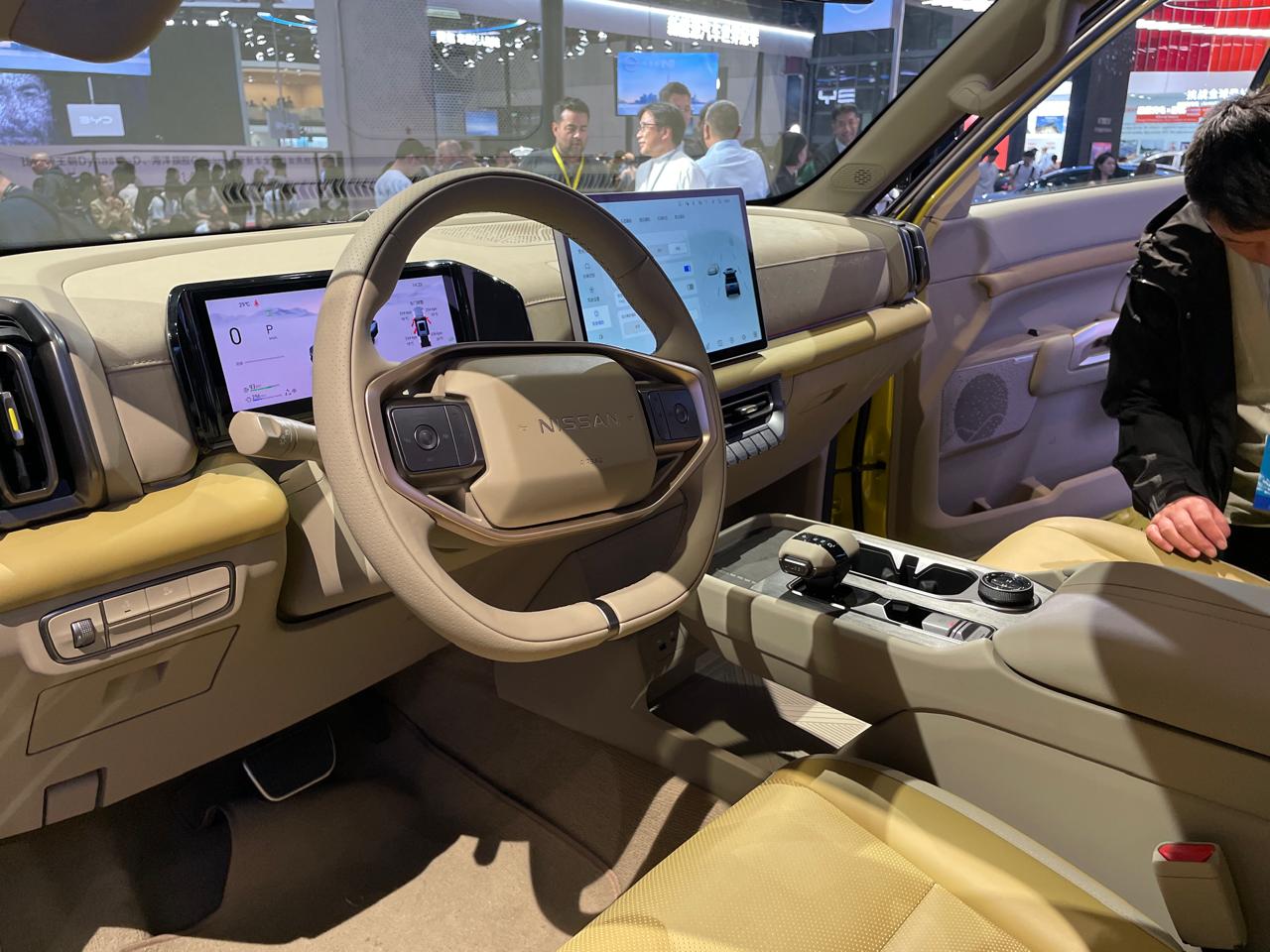
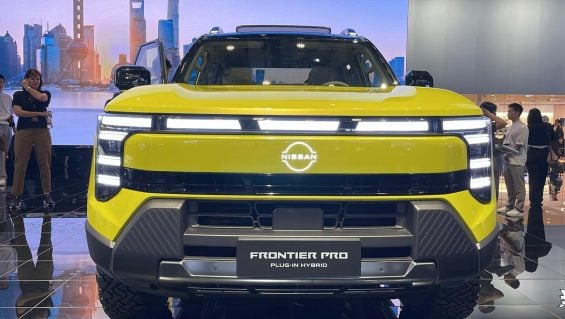
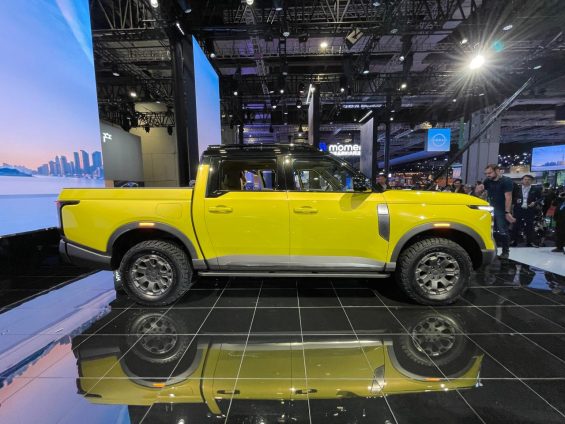
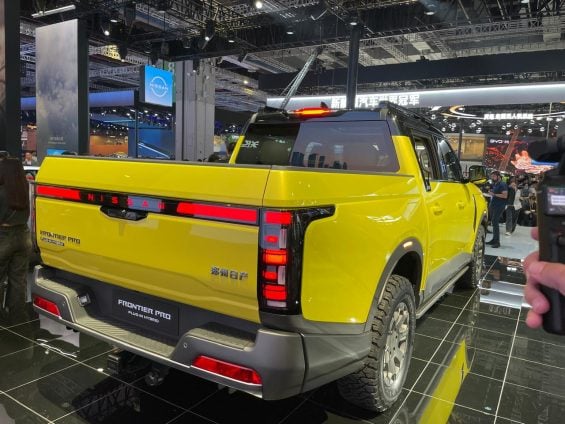
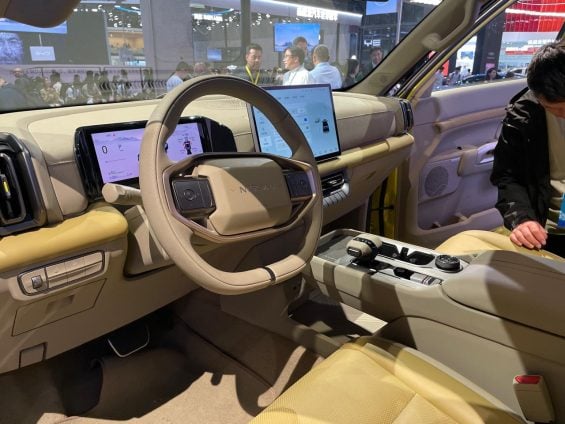
A difference from medium pickup trucks of Chinese origin is the larger size. Some of them are the same width as a full-size North American one. They are also already prepared to have electric or plug-in hybrid versions.
The Nissan Frontier Pro retains the coil-spring rear axle of the current generation. There is a version of it with the well-known 2.3 biturbodiesel engine, but the one spotted in Brazil is the plug-in hybrid.
This model combines a 1.5 turbo gasoline engine with two electric motors, totaling 416 hp. The battery is 32.85 kWh, with a range of 135 km in the Chinese NEDC cycle.
Inside, the Nissan Frontier Pro looks like a luxury car, with two large screens and a neat finish. If it comes to the Basil in this configuration, the pickup will no longer be a generalist model in its segment to become a niche vehicle, like the BYD Shark.
Nissan has another new Frontier in the world, with Japanese origin. It is the direct successor to the version that was sold here and uses the new Mitsubishi Triton as a base, sharing the engine, stampings and even parts of the interior.
There are chances that this model will come if it is produced in Mexico. However, the most certain thing is that we will have the Chinese pickup.
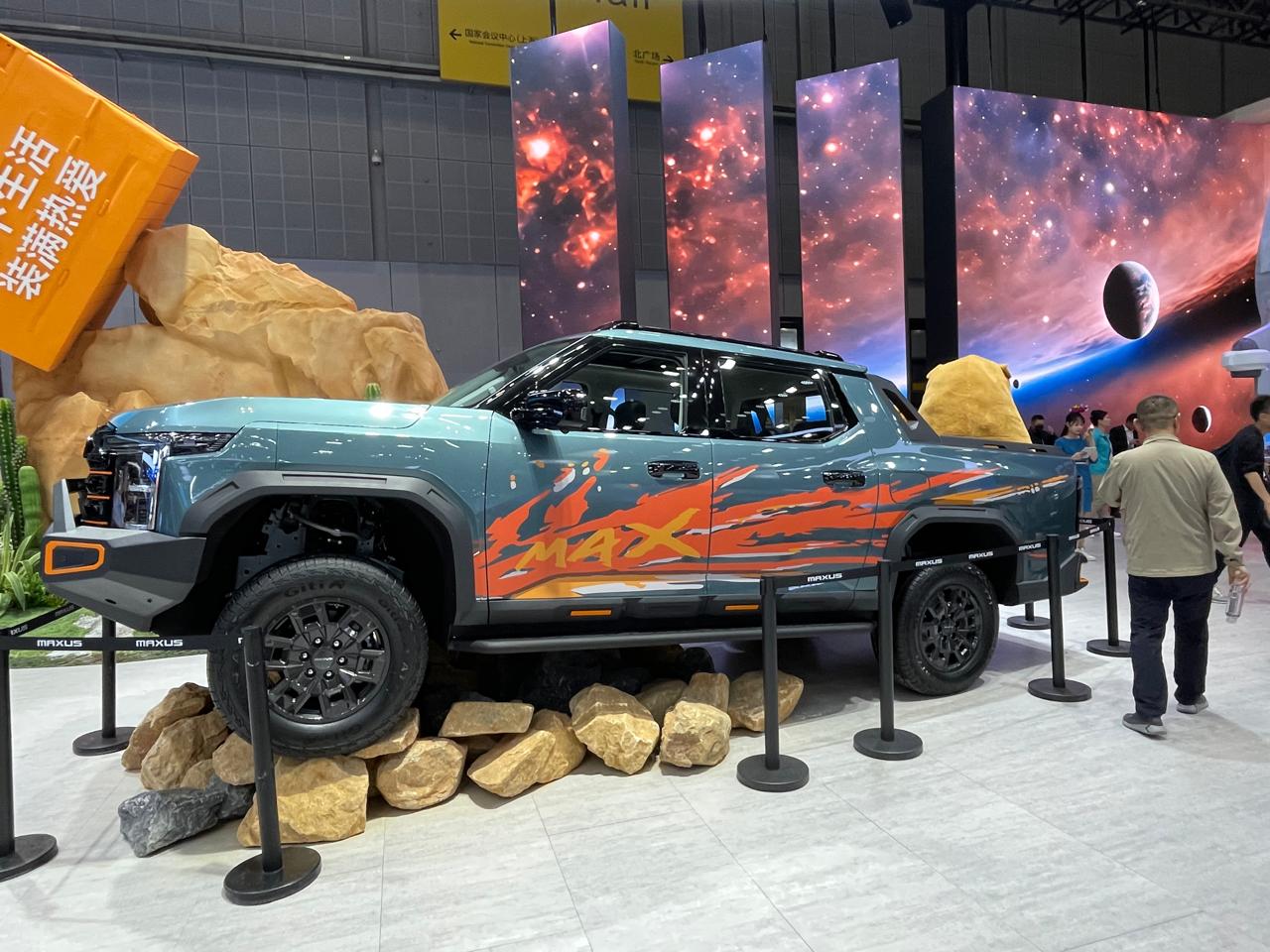
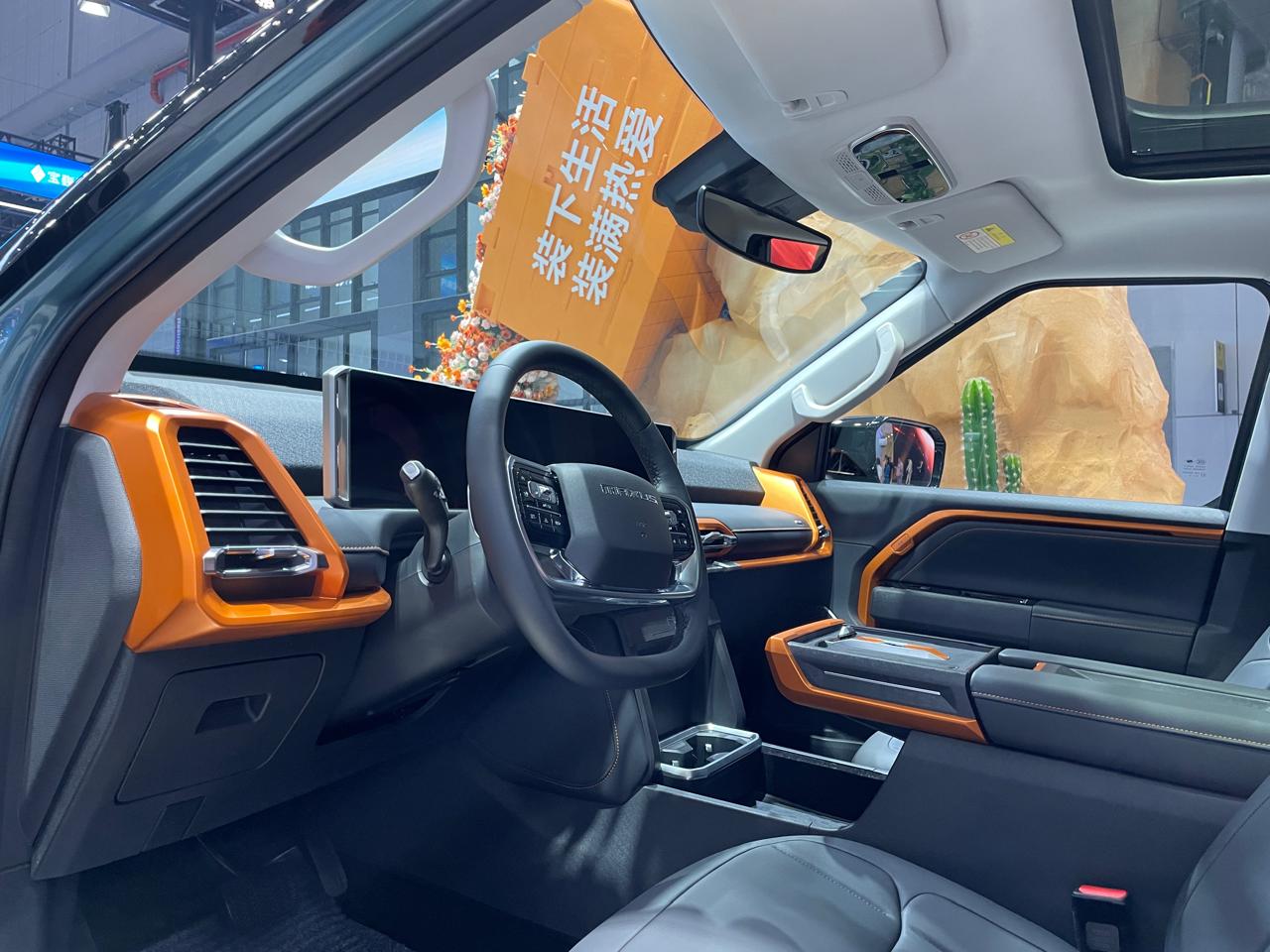
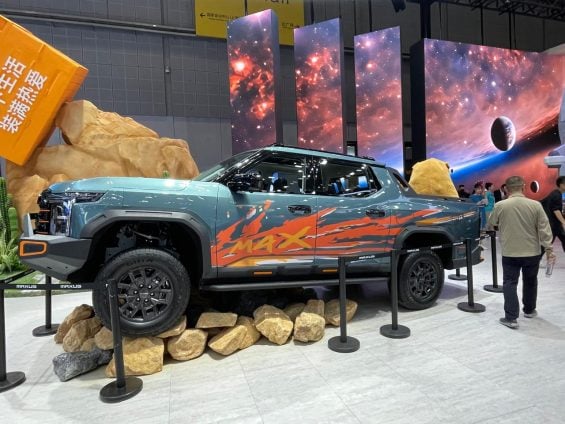
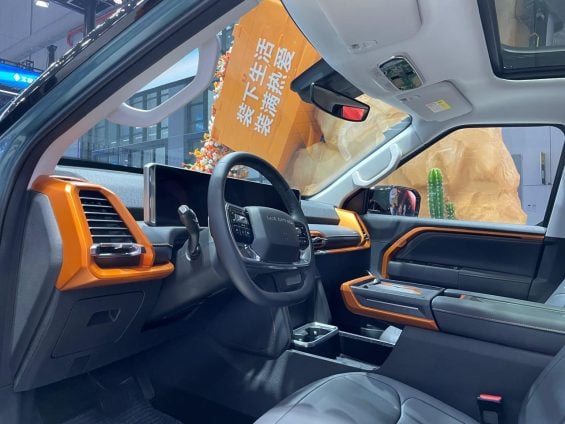
Volkswagen is developing the new Amarok using the Maxus Terron 9 as a base. The prototypes spotted point out that the central section of the pickup will be the same as the Chinese one, but the design of the front and rear will be exclusive.
Like the Nissan Frontier Pro, the new Amarok will be much larger than the current model. The Maxus Terron 9 measures 5.50 m long, 1.99 m wide, 1.86 m high and 3.30 m wheelbase.
But it seems that VW did its homework well and saw that the pickup segment does not accept electrification well, as the failure of BYD Shark showed. The new Amarok will continue with turbodiesel engines, with the return of the 2.0 TDI along with a mild hybrid system.
According to the Autos Segredos portal, this engine will be accompanied by another diesel without electrification and a plug-in hybrid version. A curiosity of the pickup is to have the bed integrated into the cabin, even using a chassis. Just like it was in the Chevrolet Avalanche.
The launch of this Chinese-based Amarok will be in 2027. The truck will be produced in Argentina, like the current one. Along will come a van, also of Chinese origin and a diesel engine from the German brand.
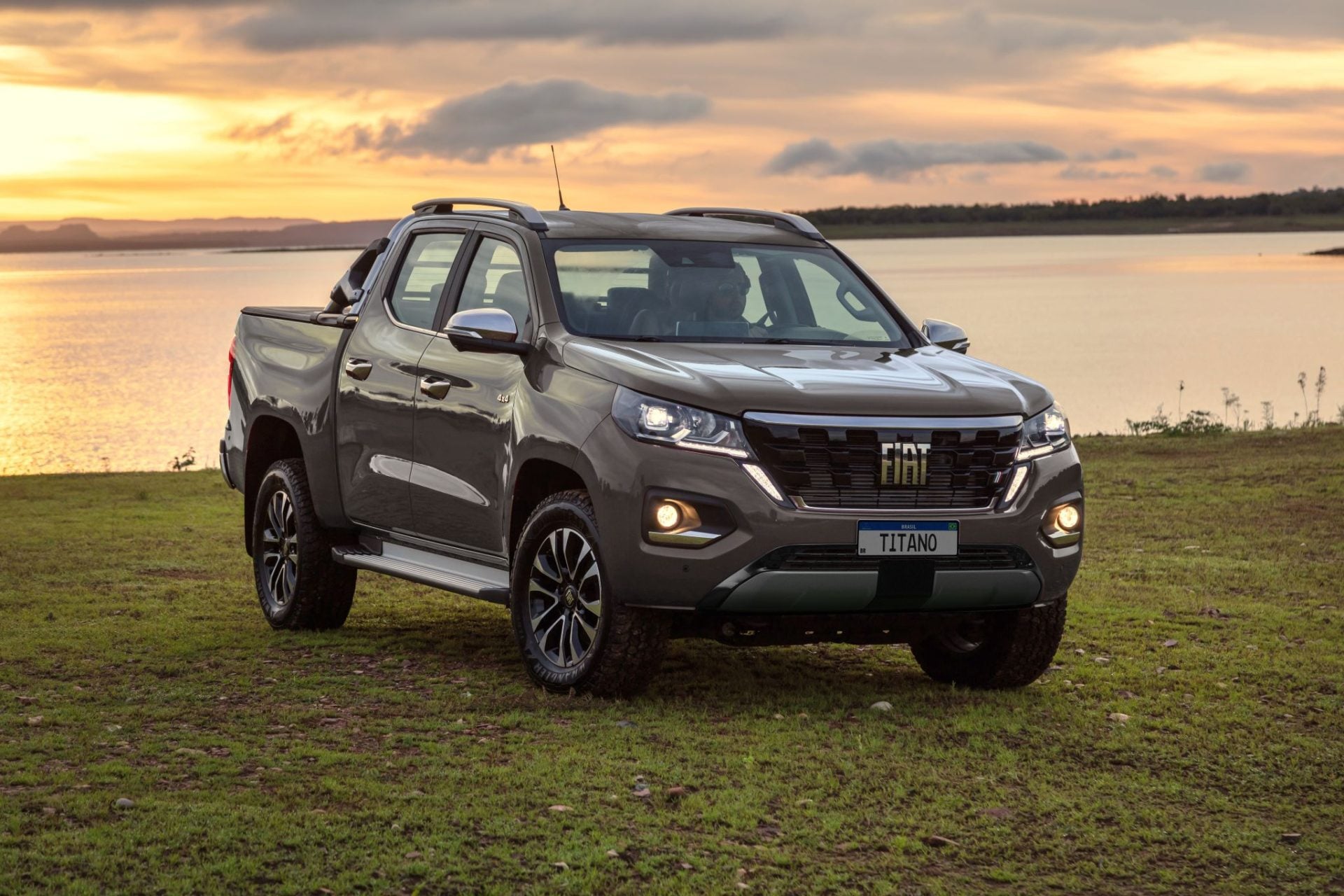
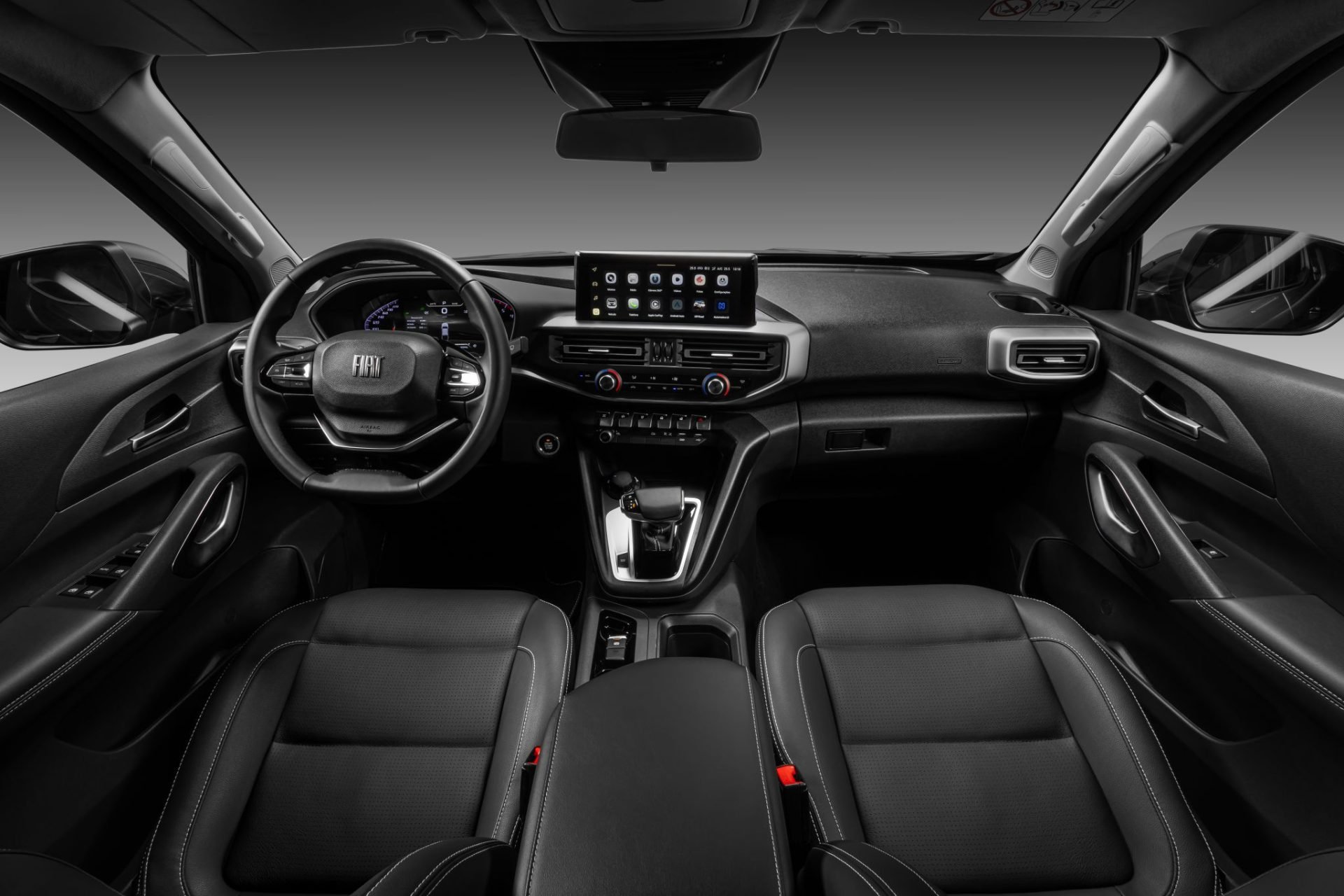
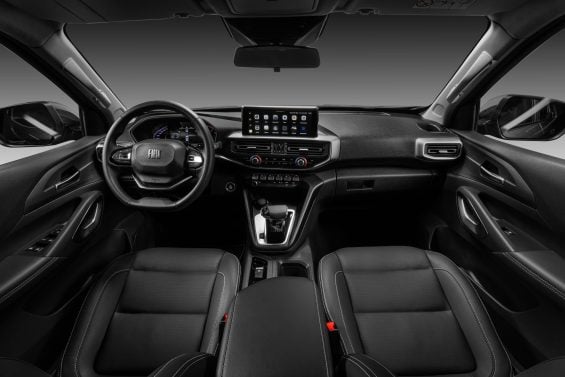
The history of the Fiat Titano is short and full of twists and turns. It started in 2020 as a partnership between PSA and Changan, which resulted in the Peugeot Landtrek.
The French brand was working on putting its 2.2 Blue HDI turbodiesel engine in the pickup to be able to sell it in Brazil. During this development, PSA merged with FCA, creating Stellantis.
Under new management, they saw that it would be better to sell this Chinese pickup as Fiat, since the Italian brand has a good reputation with the compact Strada and the intermediate Toro. It was launched with the same French engine, with a very hard suspension setup and low performance.
Behind the scenes, an update was already on the way, with the exchange of the 2.2 Blue HDI for Fiat’s 2.2 Multijet, which is more powerful and economical. The mechanics also received an 8-speed automatic transmission and a new transfer case.
The suspension was adjusted by Brazilian engineering to be more comfortable and even the cabin fixings on the chassis changed. Of Chinese, only the basic structure of the chassis remained.
The Chinese origin of the Fiat Titano still appears in the cabin, with the layout of the multimedia center and other details. Its production in Argentina still uses many imported components, but Stellantis has a nationalization plan.
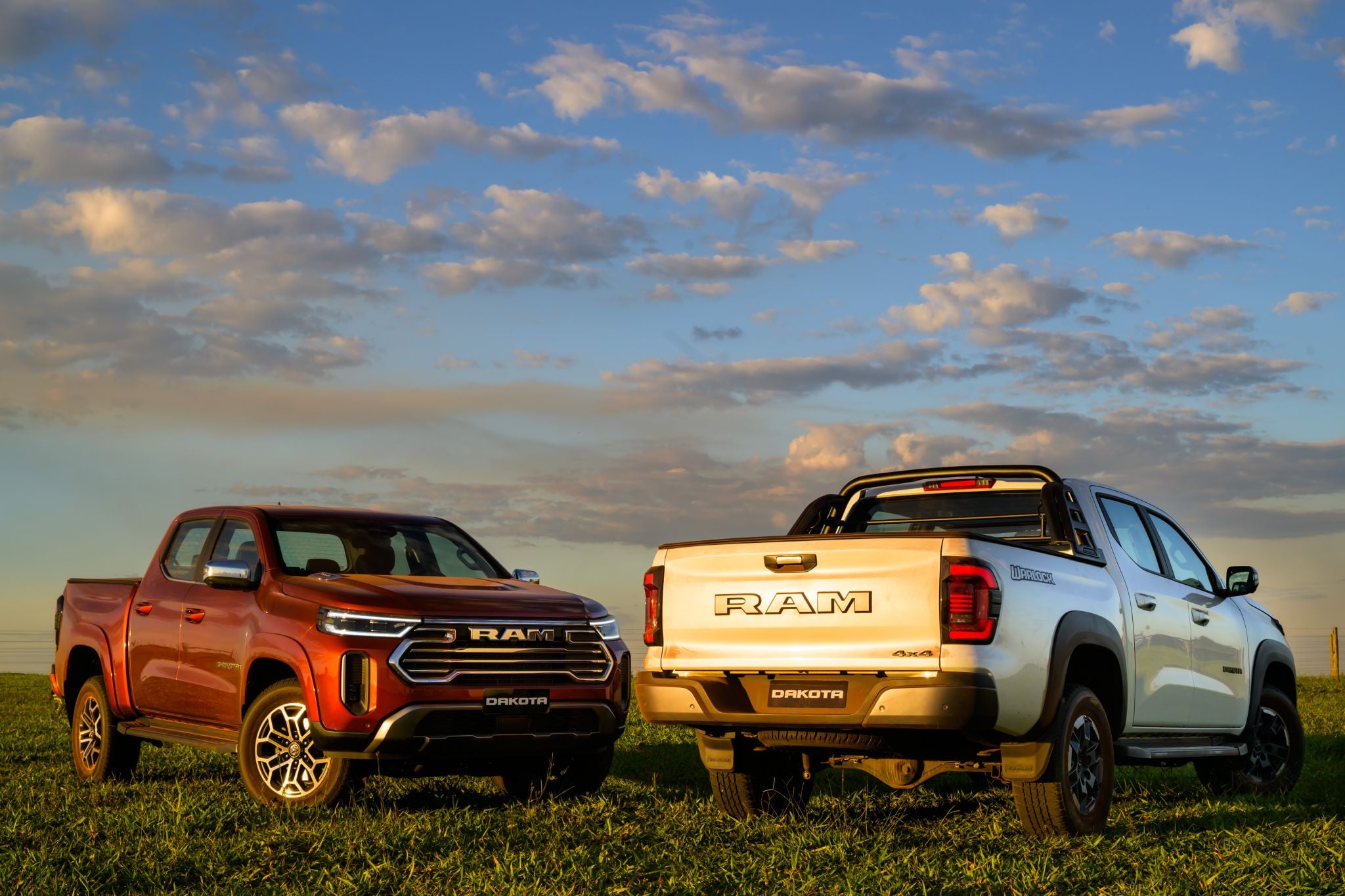
At the end of 2025, the Ram Dakota, Fiat Titano’s more luxurious sister, was introduced. Mechanically they are identical, the changes are in the style of the front and on the dashboard.
Instead of developing a whole new part, Stellantis adopted the restyled Changan Hunter panel, with the multimedia center screen integrated into the instrument panel and improved finish.
It is still possible to notice the Chinese origin in details such as the small number of buttons on the dashboard and in the layout of the instrument panel. At least they managed to give Dakota more identity, while the sister has some elements that refer to Peugeot cars.
For now, these are the only trucks with Chinese origin that are or will be sold by traditional brands in Brazil. We will also have several sold by the Chinese themselves, but that’s another matter.



