This part is used for emission control, but it also acts directly on the operation of your car's engine
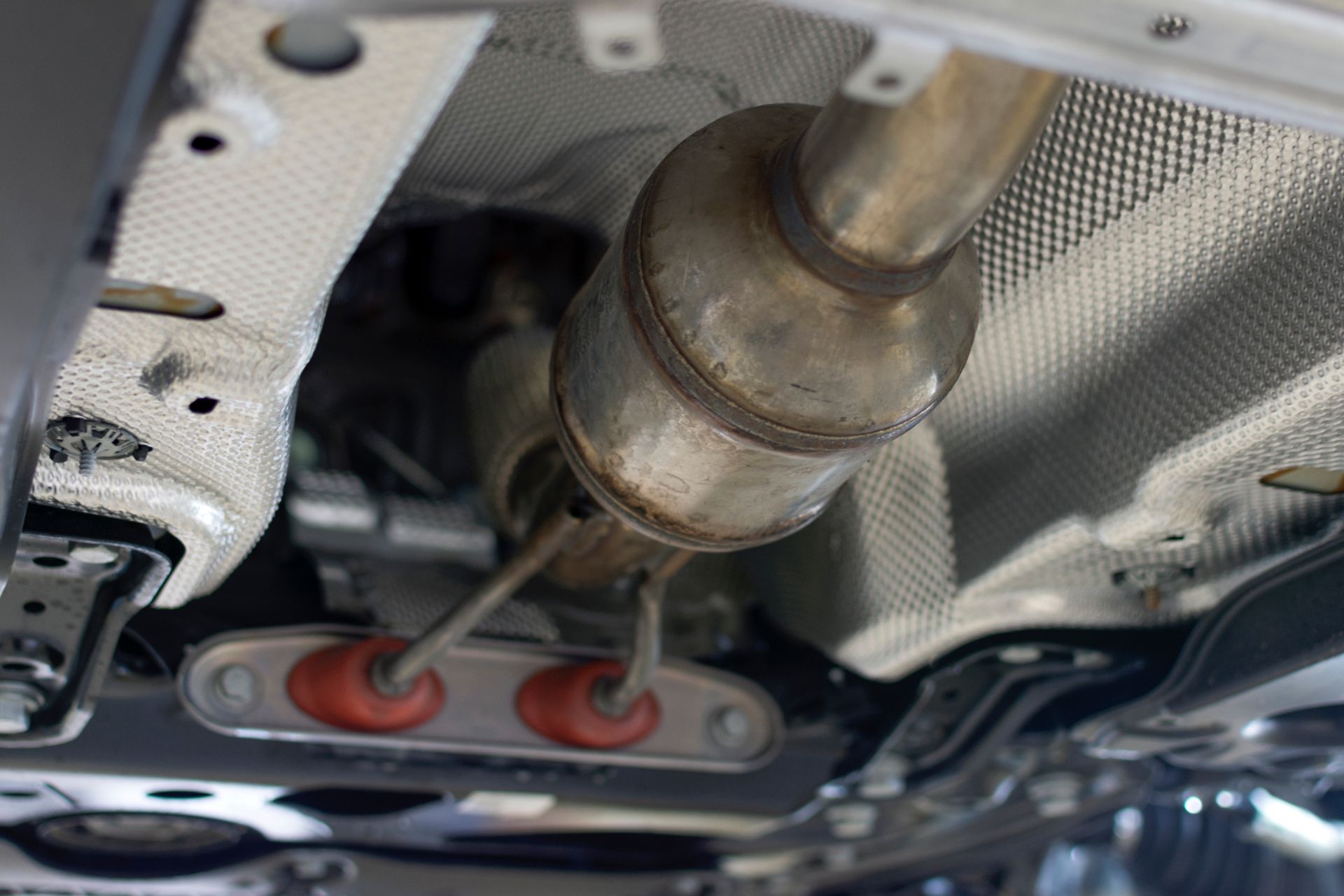
The car’s catalytic converter is the main component in emissions control. It is usually forgotten when it comes to maintenance, but it also acts for the proper functioning of the engine.
The car’s electronic center uses several parameters to adjust the injection and other vital components for engine operation. Part of these parameters are the readings taken by the lambda probe that is after the catalytic converter, which analyzes the result of fuel burning.
SEE ALSO:
Therefore, it is important to have the catalytic converter up to date. A wrong analysis of this probe can make the engine work less efficiently and even lead to other more serious problems.
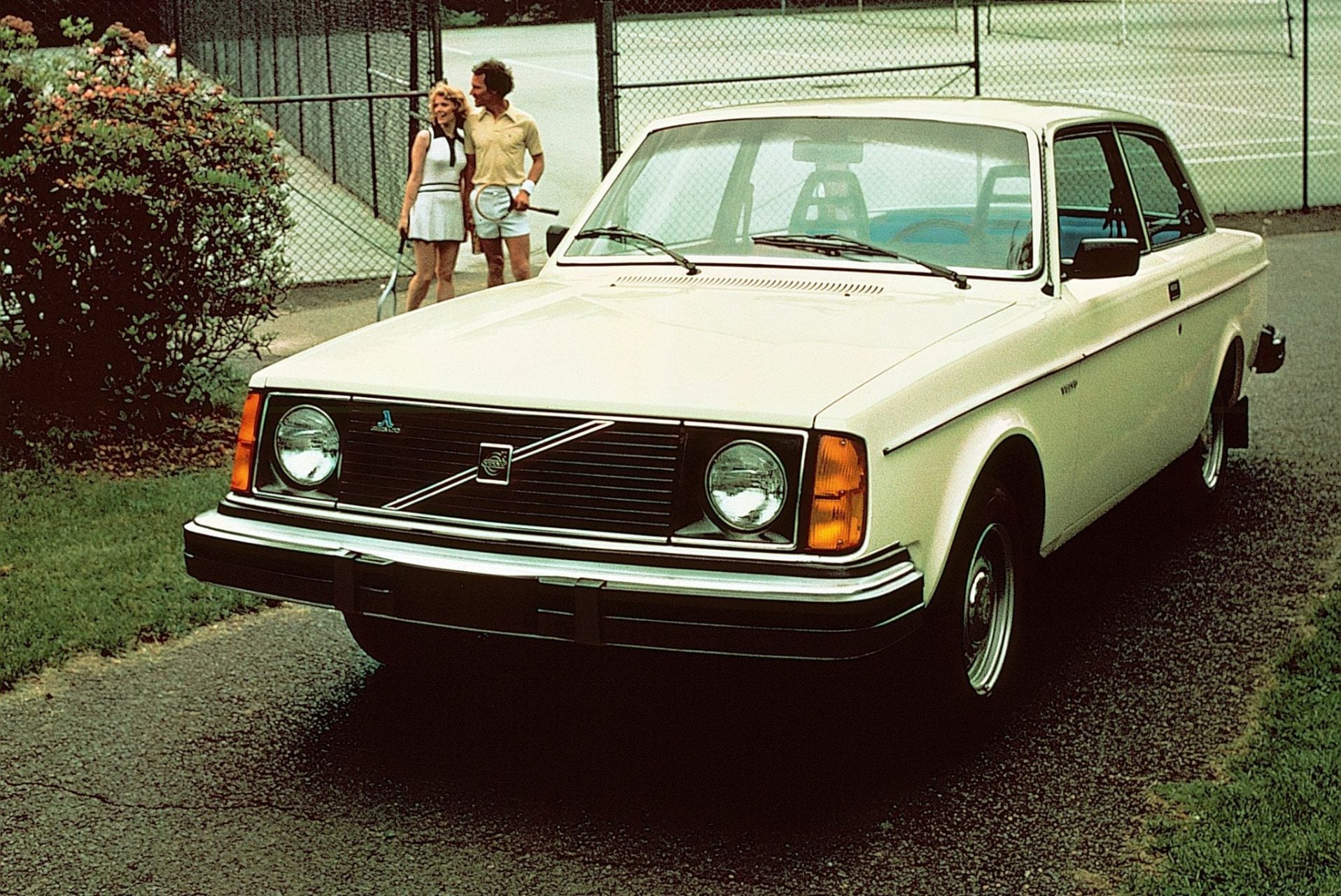

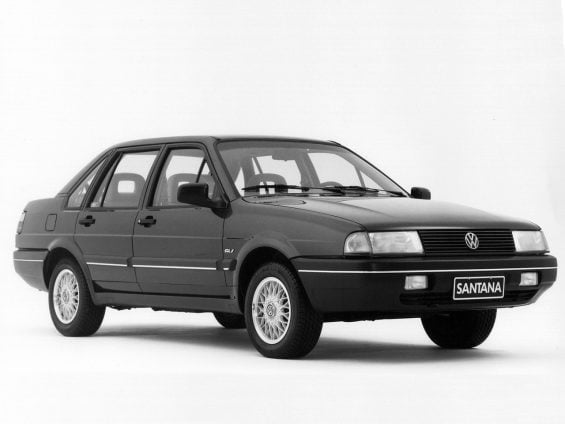
The catalytic converter, popularly known as catalytic converter, has the function of reducing the amount of pollutants emitted by the vehicle. The first car to use this component was the Volvo 240 in 1977, in Brazil adoption began with the Volkswagen Santana in 1991.
The catalytic converter is at the beginning of the exhaust pipe, near the exhaust manifold, as it needs to be at a temperature of 400°C to work properly. In today’s cars, two are used, one integrated into the collector and the other further down the pipe.
Inside the piece there is a ceramic core that looks like a beehive and also has precious metals, such as palladium, platinum and rhodium. These elements produce chemical reactions with the gases resulting from combustion, reducing the amount of nitrogen oxide and converting carbon monoxide into carbon dioxide and water.
The catalytic converter becomes saturated after running a lot. This will restrict the flow of gases leaving the engine, resulting in a loss of power and increased consumption.
The fact that it loses the ability to filter the gases will also affect the readings of the lambda probe. It analyzes what comes out of the engine to find out how it is working, this data is used to adjust various parameters.
If the catalytic converter has suffered physical damage, it will emit a metallic noise, coming from the core having come loose.
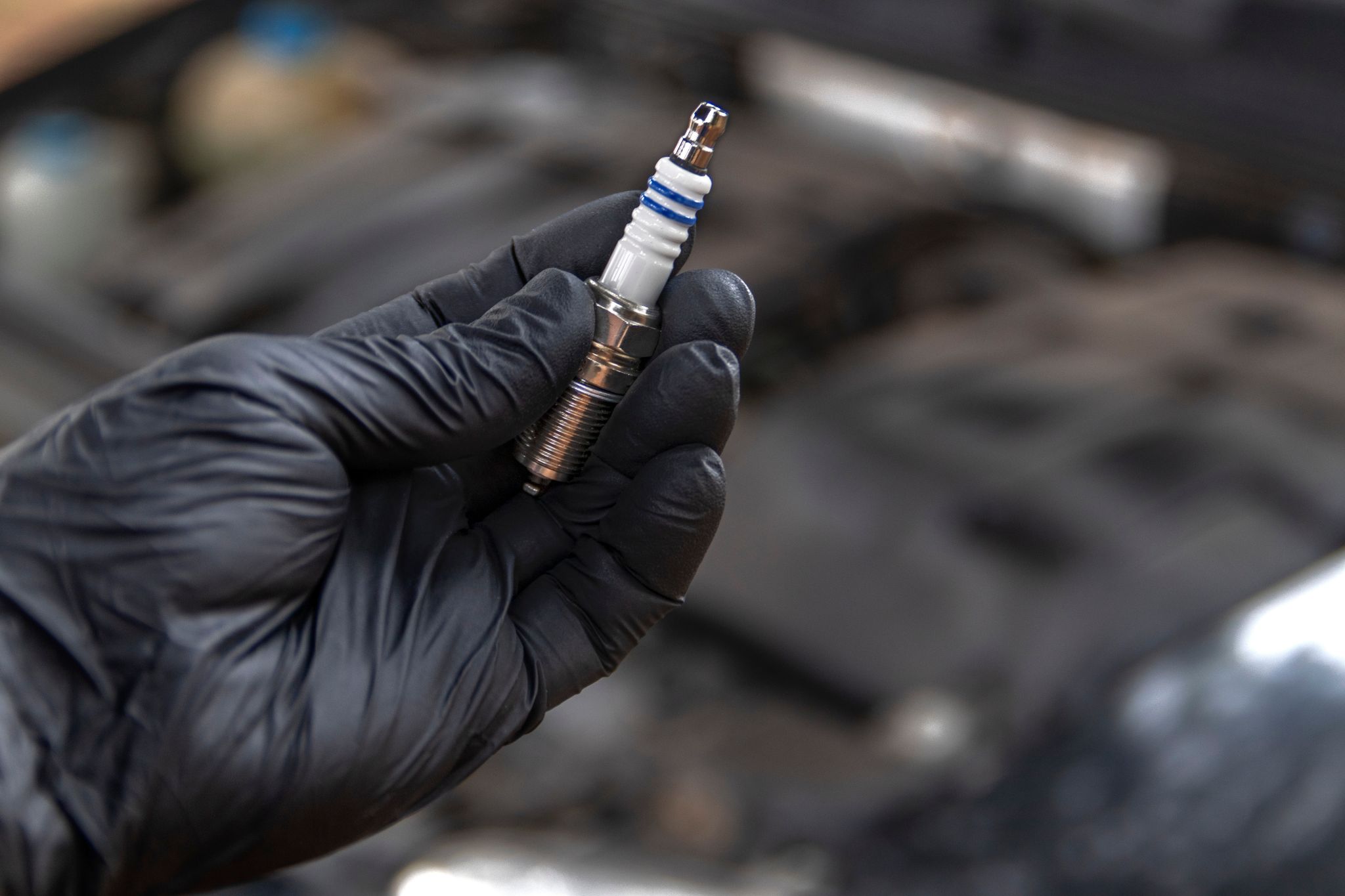
The catalytic converter is among the various parts of the car where wear depends on various external factors. According to Ludovico Ballesteros, experienced mechanic and owner of Pitucha Centro Automotivo, several external factors can shorten the useful life of the part:
It spoils very fast because of the ignition part, spark plugs, spark plug wires, coils, filters and bad fuel.”
Neglecting the maintenance of these components will harm the fuel burn. Insisting on neglect will cause damage to the catalytic converter, which in turn will hinder more operation.
Using low-quality or adulterated fuel also compromises the useful life of the part. When the damage reaches the catalytic converter, it means that there may be bigger problems with the engine.
When it is close to the time to change it, the engine warning light, popularly known as the “injection light”, will come on. In some cars it is accompanied by the text “check engine”.
The owner only remembers the existence of the catalytic converter when there is a problem, either in the injection light, or because the core has been damaged and starts to generate noise. Often the owner chooses the cheapest way, which is to “ocar” the catalytic converter, as they say. But it is essential to replace the part with a new one.
And there are several reasons to keep the catalytic converter in perfect working order, apart from reducing emissions: the engine will work as designed by the factory, the injection will work with greater precision and this will save you from a hefty fine. That is, without the catalyst, the engine will work irregularly, with a loss of performance and increased consumption, since the electronic center will have difficulty balancing the mixture due to the incorrect reading of the lambda probe.
In addition, driving without the catalytic converter is a serious infraction, resulting in a fine of R$ 195.23 and adding five points to the CNH.
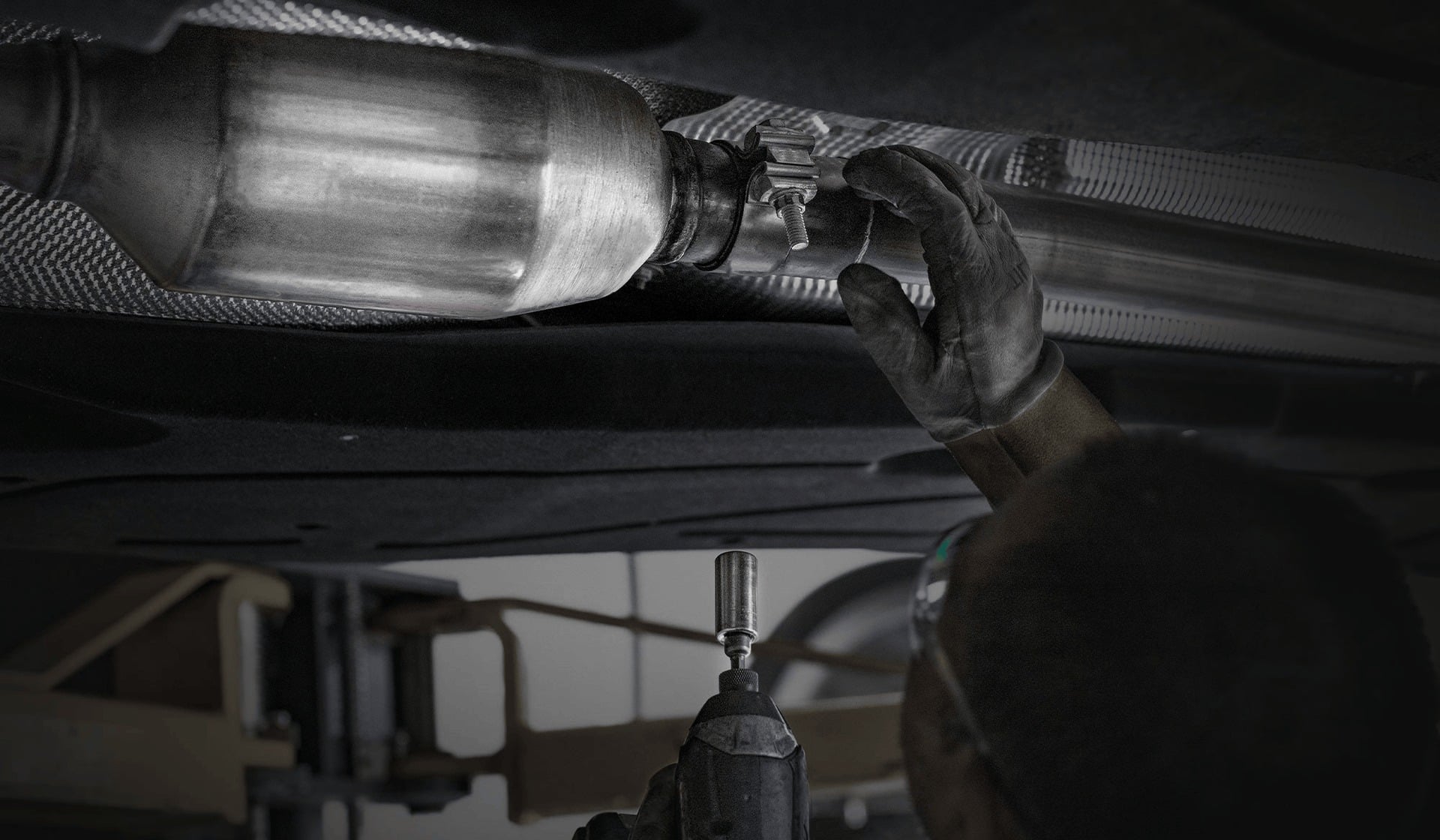
It is a practically standard procedure nowadays to remove the catalytic converter when preparing a car. This even earned a name imported from the English language, “cat delete“. But it is more like myths that only serve to take money from unwary drivers and that will worsen the operation of the engine.
As the car depends on the readings taken by the lambda probe to get the injection right, a specific map is made together to compensate for this. However, it is a crime to drive this way, the driver will be fined if he is caught driving in such a car.
Removing the catalytic converter in a modern car is not as advantageous when it comes to gaining power as it used to be. Trainer Steve Dinan, owner of a BMW specialist trainer that bears his name, told The Smoking Tire Podcast that he has already performed dynamometer tests to measure this.
The car that served as a guinea pig was a BMW M5 prepared with 921 hp. Removing the catalytic converter brought a gain of only 11 hp, an insignificant amount for a car of this power.
There are high-performance catalytic converters for prepared cars on the market. They have a greater flow and filter the gases, allowing the engine to generate more power and meet environmental standards.



