The Traffic Code provides for the use of high beams, however, this needs to be done correctly so as not to generate danger or fines
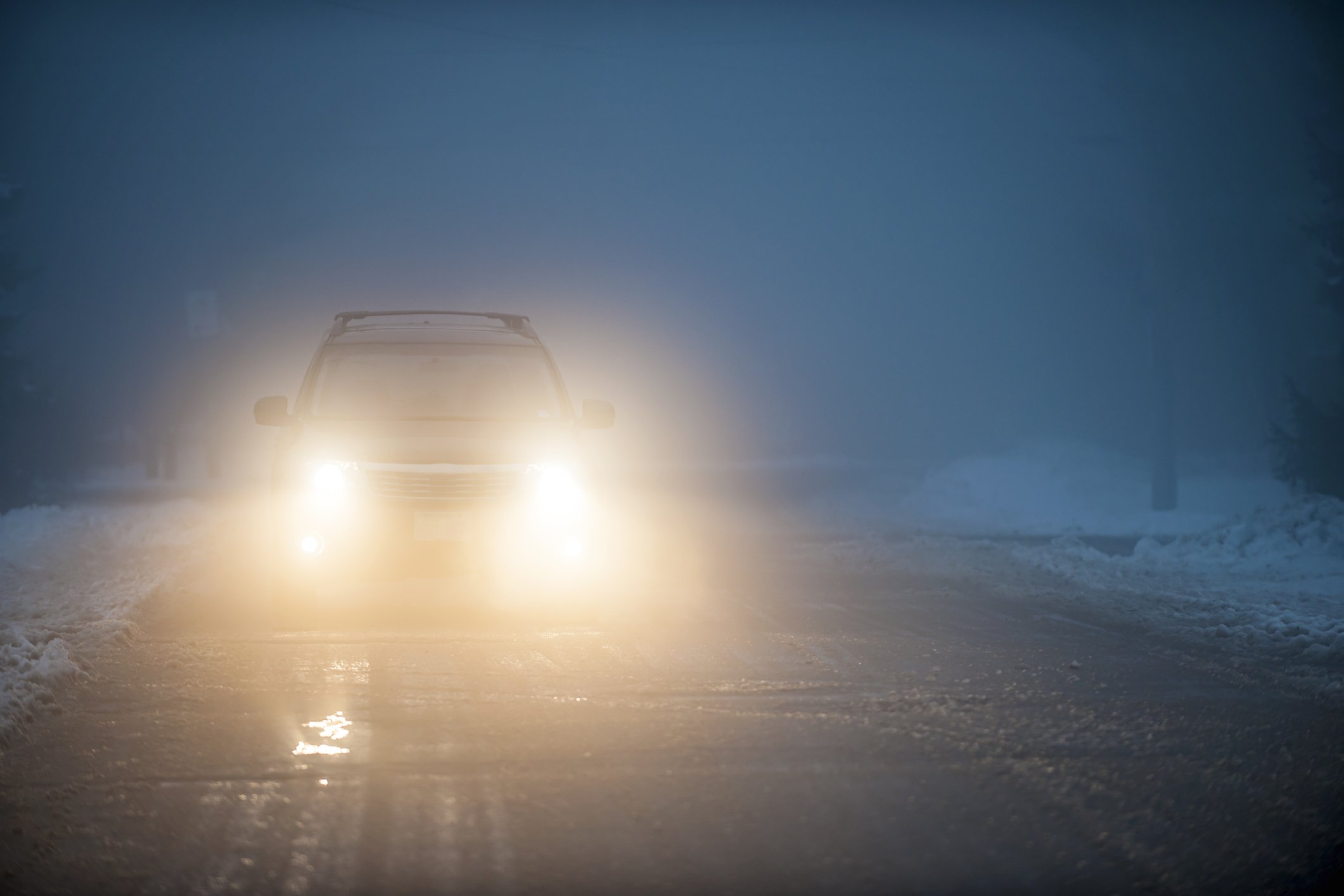
When driving on roads and avenues, it is very common to catch drivers activating the high beam to indicate the intention to overtake. Despite being a very common habit among most drivers, the question arises: is this practice allowed by the Brazilian Traffic Code (CTB)?
The legislation in fact authorizes this type of signage for this purpose, but this cannot be done by default and there are restrictions. In this article you can check out what the CTB provides under the high beam, what are its correct uses and why the incorrect habit can be dangerous and even constitute a traffic violation.
SEE ALSO:
The CTB allows the intermittent activation of the high beam for brief moments as a warning of overtaking, but disapproves of continuous, exaggerated or intimidating use.
The use of headlights is regulated by article 40 of the Traffic Code, which determines:
Art. 40 – The use of lights in a vehicle shall comply with the following determinations:
II – on unlit roads, the driver must use high beams, except when crossing with another vehicle or when following it;
III – the exchange of low and high beams, intermittently and for a short period of time, with the purpose of warning other drivers, may only be used to indicate the intention to overtake the vehicle in front or to indicate the existence of a safety risk for vehicles circulating in the opposite direction”
When it comes to the infractions provided for by the CTB related to the inappropriate use of high beams, it is possible to list a few. According to article 224, activating this device unnecessarily gives a fine:
Art. 224 – Make use of the high beam of the headlights on roads provided with public lighting:
Meanwhile, article 251 deals with the incorrect way to turn on the high beam:
Article 251. Use the vehicle’s lights:
II – low and high intermittently, except in the following situations:
a) at short intervals, when it is convenient to warn another driver that you intend to overtake him;
b) in immobilization or emergency situation, as a warning, using hazard lights;
c) when the road regulation signs determine the use of the hazard lights:
Thus, it is forbidden to use the high beam continuously, except at short intervals, when it is necessary to warn another driver about the intention to overtake. In other words, the law allows this signaling as long as it is fast, punctual and done with caution, without compromising road safety.
In addition, the misuse of high beams, when this action can harm other drivers , generates a more severe penalty and an even more expensive fine:
Art. 223 – Driving with the headlight unadjusted or with the high beam in such a way as to disturb the vision of another driver:
In conclusion, what the legislation prohibits is not the quick and objective warning, but the insistent, aggressive or unsafe use of high beams.
Although it seems harmless, the incorrect activation of the high beam can cause dangerous situations in traffic, such as:
In addition to the high beam, the Brazilian Traffic Code defines two other appropriate forms of communication when the driver wants to overtake:
These signs should be seen as instruments of communication and courtesy, and not as a requirement for priority. The driver must use only the allowed signals, briefly, waiting for the appropriate moment and respecting the signs and road conditions. Avoid insistence or attitudes that may embarrass other drivers.
In the same way that those who want to pass must follow these rules, those who are slow and will be overtaken, especially when they are in the left lane, have to cooperate.
Tips for those who receive the signal:



