Its function is simple: it turns off the engine when the car is stopped and restarts when the brake is released, but many drivers don't like it even with the economy
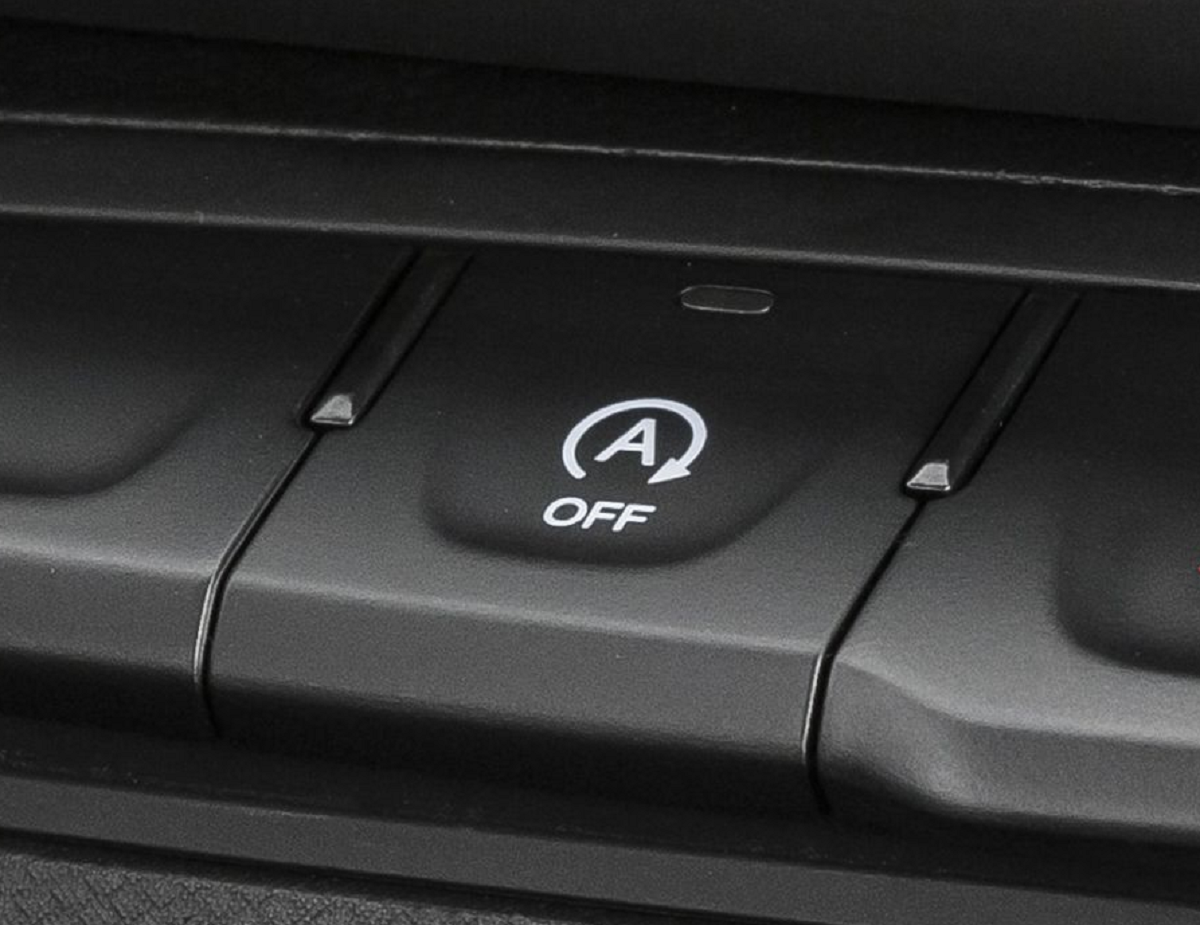
The start-stop must be one of the most controversial technologies present in modern cars. Even with several criticisms from the public, automakers continue to insist on using it. The reason for this is simple: it is a resource that helps reduce emissions and fuel consumption, especially in standardized tests by regulatory entities.
In the real world, the start-stop brings a certain reduction in consumption, which is put in check by the higher cost of the battery, which must have its own specifications to support the “on-off” of the engine during the day.
SEE ALSO:
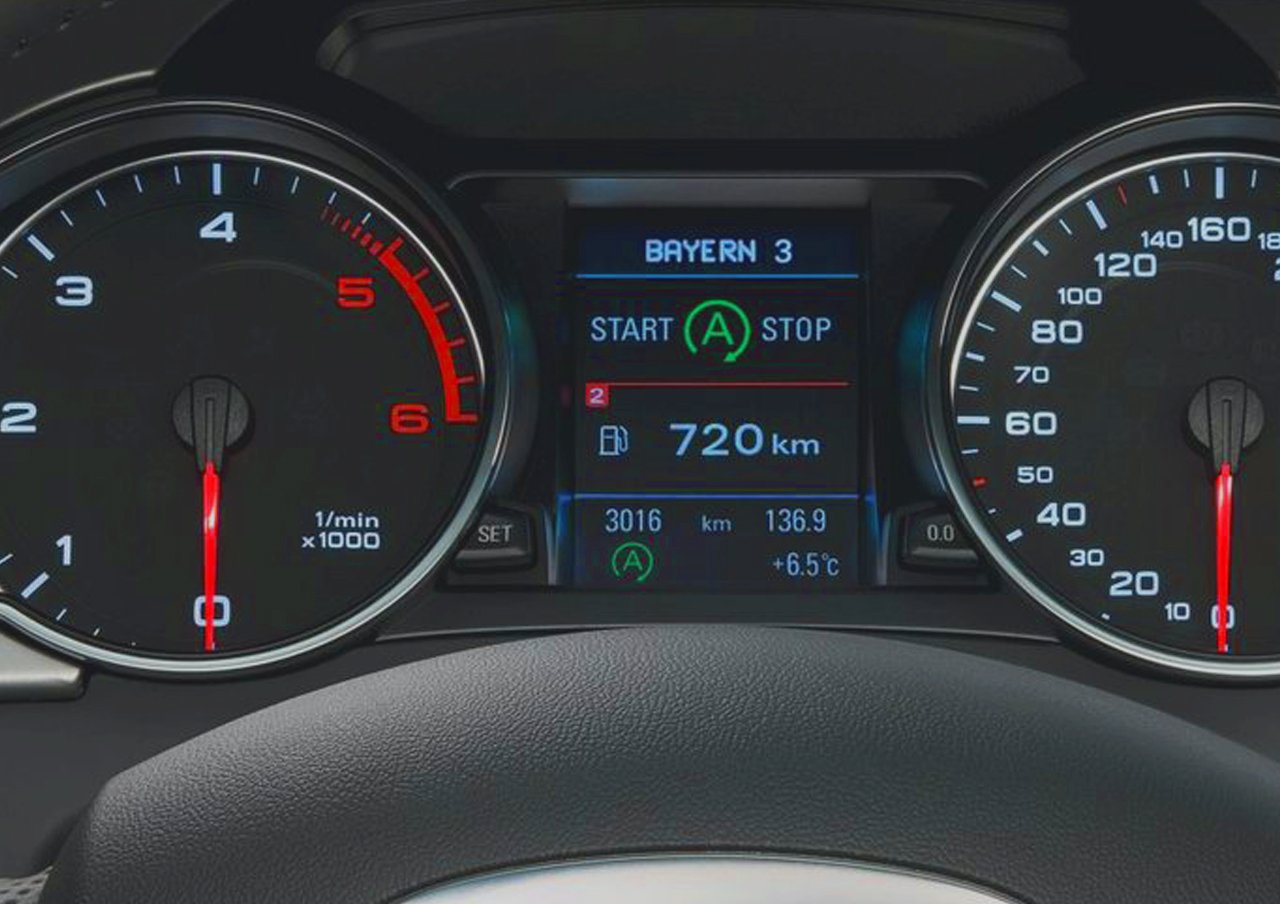
The car equipped with the start-stop from the factory has some differences from the equivalent without. The biggest one is in the starter motor, which is reinforced to be able to work more cycles. In addition, an EFB or AGM type battery is adopted.
S crankshaft bearings receive a treatment to reduce friction and avoid accentuated wear with frequent starts, since the oil pump also stops when the engine shuts down.
The start-stop system only works if certain conditions are met: the engine needs to be at the ideal working temperature, the doors need to be closed, the belt needs to be buckled, the battery needs to be at a high level of charge. Other factors that vary depending on the car.
With all this, the car automatically turns off the engine when it is stopped. In manual transmission models, this only occurs with the foot on the brake and the gearbox in neutral. The start-stop starts automatically when you press the clutch.
In automatic cars, the start is made when the brake is released. As the engine is already hot, the start is faster and done in about 0.4 seconds.
At longer stops, the motor is activated after about a minute to generate vacuum in the brake booster, touch the air conditioning again and maintain the battery charge level.

To have the start-stop system it is essential that the battery is reinforced for this use. Starting the engine is one of the conditions that demands the most from it, and in these cars it is also necessary to keep the electrical part running for up to a minute without the help of the alternator.
The EFB battery is the one used by simpler cars with start-stop. The acronym stands for Enhanced Flooded Battery . As its name implies, it is an evolution of the traditional drums. The difference is in the composition, which allows for faster loading and unloading. It also has a longer durability than a common one.
The AGM, for Absorbent Glass Mat , is recommended for more technological vehicles, such as luxury cars. Its ability to withstand charge and discharge cycles is even greater than that of EFB.
The fiberglass blankets that give AGM batteries their name absorb the electrolyte. This ensures greater resistance to leaks, vibrations and high temperatures than EFB. They are recommended for cars with a regeneration system, electronic turbo and other advances.
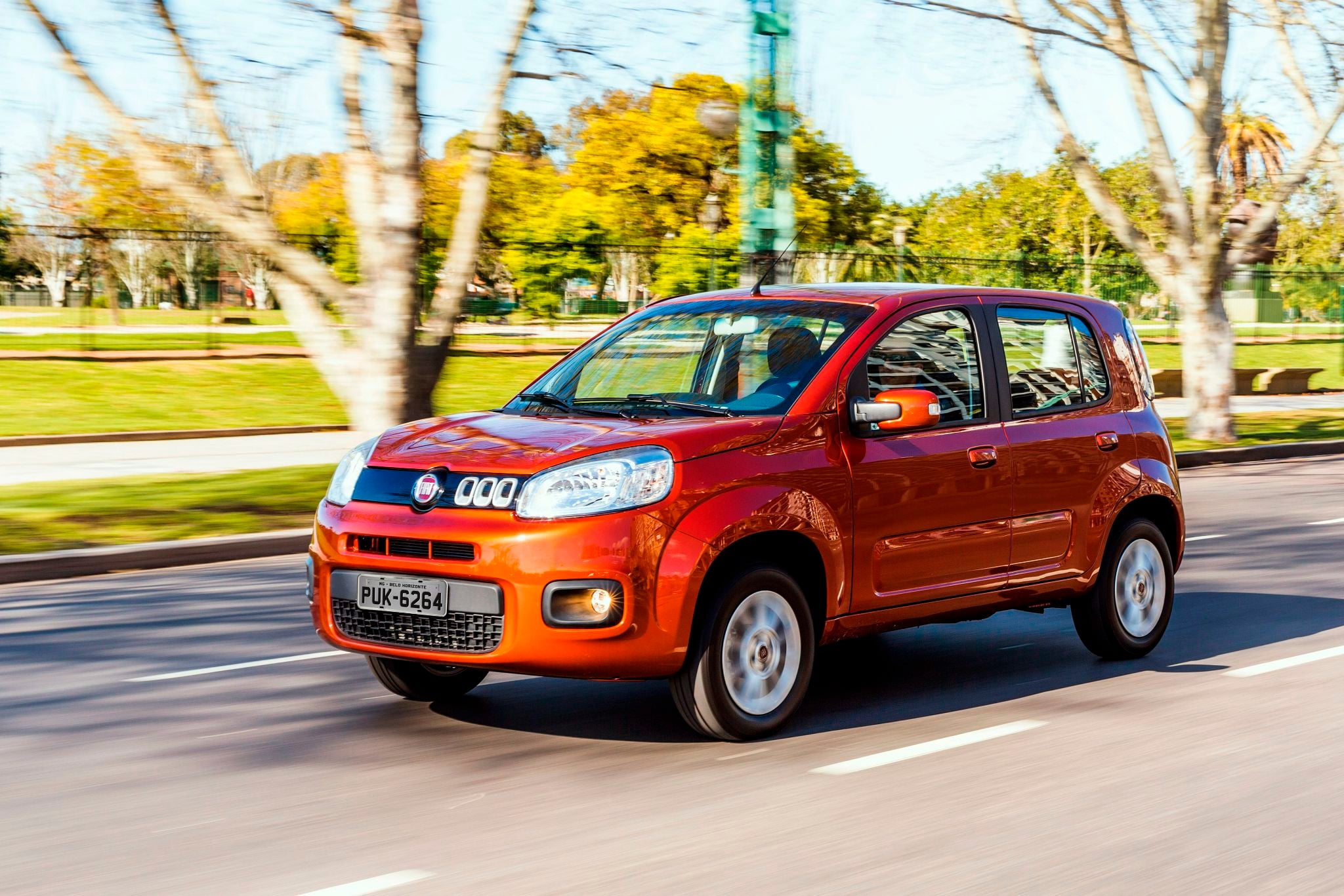
The ideal is always to follow the manufacturer’s recommendation when changing the car battery with start-stop, even if you are one of those who turn off the system as soon as they start. AGM and EFB batteries have greater durability than common batteries, and can compensate for the higher expense.
According to Fiat, using a common battery can compromise the operation of the vehicle:
The company always advises using batteries with the factory settings, indicated for each model. Batteries such as EFB, used in start-stop cars, have technologies that allow a greater number of starts, compared to a traditional battery. The use of batteries other than those indicated can considerably compromise the useful life and proper functioning of the system.
The car will identify that the battery is not adequate and will turn on a warning light on the dashboard. In cars that require AGM, the situation worsens, as it will not be able to recharge by regeneration and will not be able to keep some systems working.
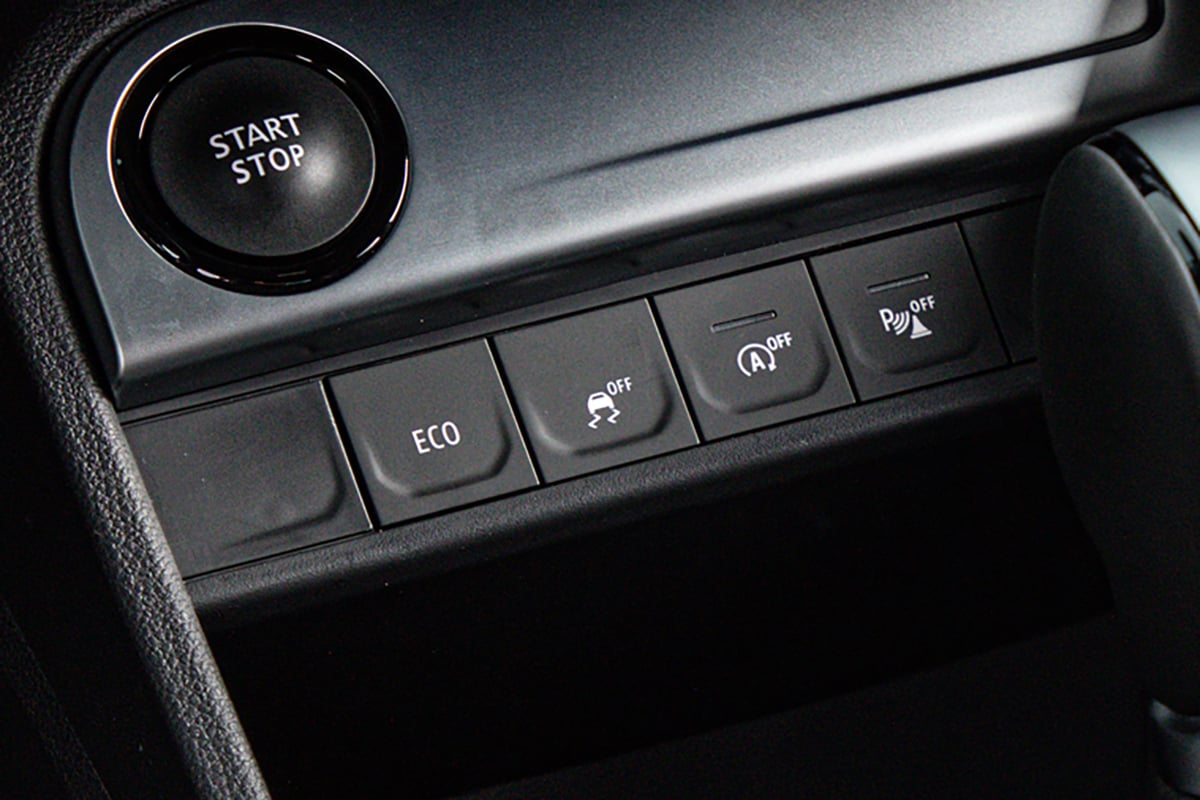
In most cars with the start-stop system, it is possible to deactivate the system by pressing a button on the dashboard. This setting is not saved, every time the driver turns off the car it will return to the default setting.
Usually this button is in an easily accessible place, it is not hidden in the menus of the multimedia center or the dashboard.
Even in cars where there is no button to turn off the start-stop, it is possible to deactivate it in other ways: the simplest is by setting the air conditioning to maximum, with the lowest temperature and the highest speed. The car also deactivates the system if the defroster is on – but there is a risk of damage from using it indiscriminately.
In Stellantis cars with the 12-volt mild hybrid system – Fiat Pulse, Fiat Fastback, Peugeot 208 and Peugeot 2008 – there is no button to deactivate the start-stop. According to Fiat, this is part of the electrification strategy of the models, which prioritizes fuel economy and the reduction of emissions.
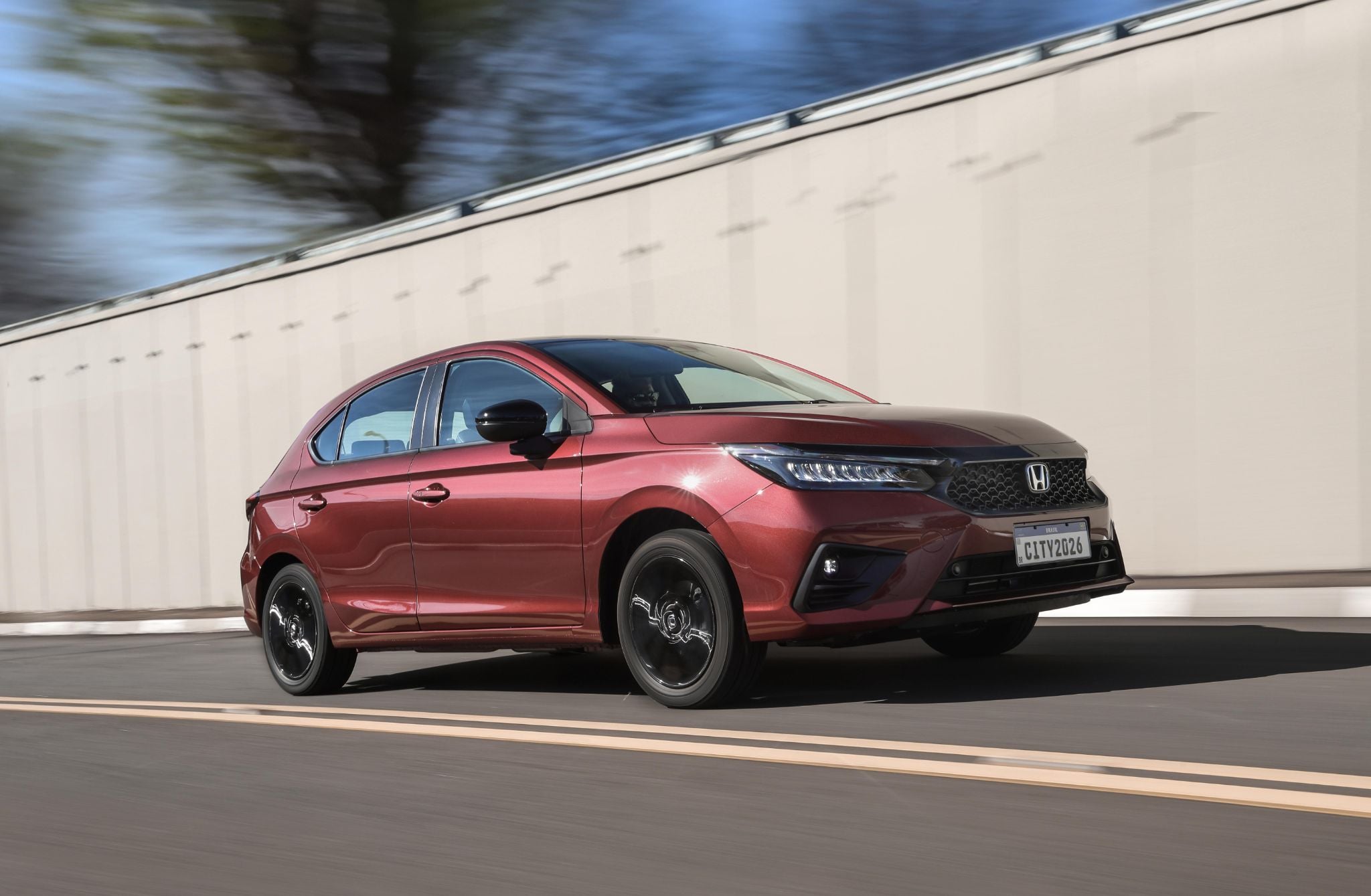
The adoption of the start-stop is not unanimous in the industry. Some brands have already used this system and then abandoned it, such as Chevrolet.
The Japanese also did not adopt the system in purely combustion cars, the exception being the new Nissan Kicks. Honda justifies that it did not see the need to adopt the start-stop in its cars:
Globally, Honda has several technologies to reduce consumption. In each market, its application is subject to multiple factors, such as consumer profile, climate, topography, type and quality of fuel, impact on the purchase price of the vehicle and maintenance cost, among many others. To date, the start stop system is not a priority item in the constant research and clinics carried out by Honda in Brazil.
The brand added that its engines are known for their low consumption and reliability. Currently, only Honda and Toyota do not have the start-stop in the range.
With the popularization of hybrids, this system will be in disuse. From the 48-volt mild hybrids, it is already possible to keep the air conditioning, brake booster, steering assistance and other peripherals working through the high-voltage battery.



