This Italian engineer made a career developing engines for all types of cars and helped create the Brazilian Fiat
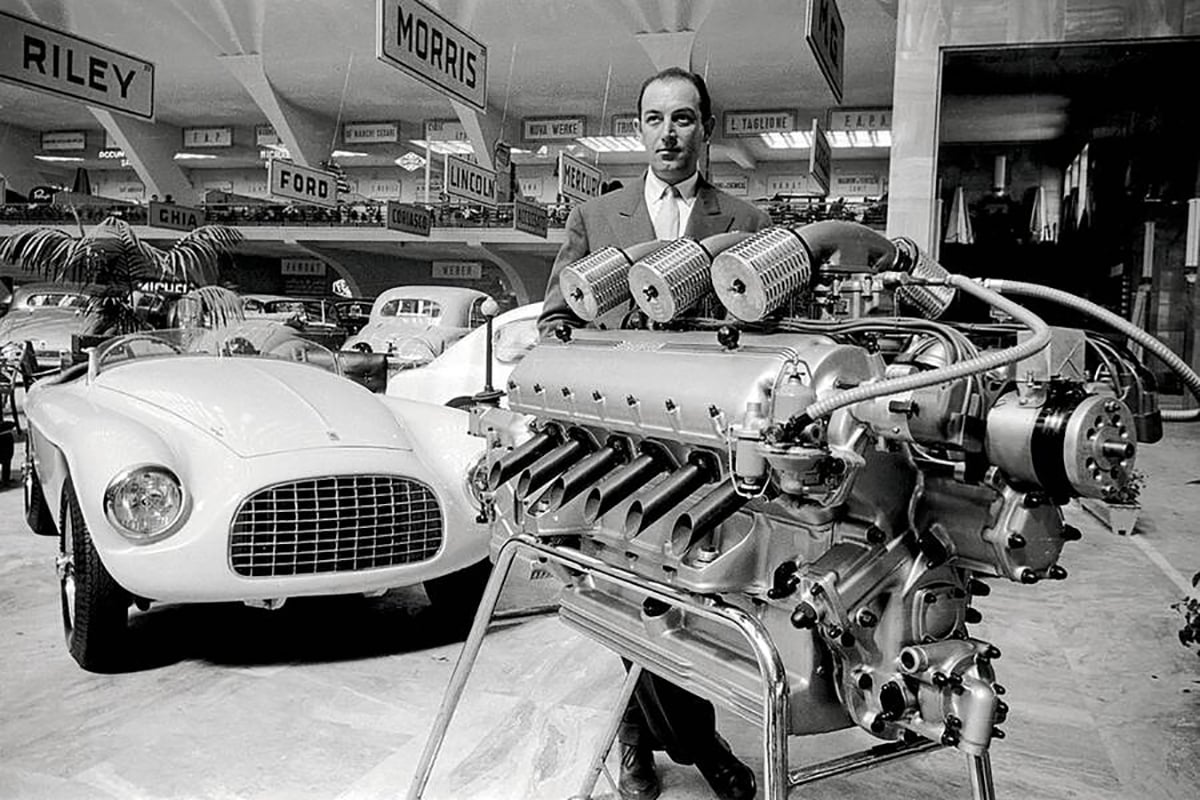
The Fiasa engine, used by the Brazilian Fiat from the 147 to the Palio, was an essential part for the consolidation of the brand in the country. Behind him is an engineer who made racing engines for Ferrari and Italian Fiat, Aurelio Lampredi.
In the past, it was common for engines to be born from the drawing boards of just one engineer or for him to lead the project alone. Today the processes are more complex, with teams taking care of different parts of the “heart” of the car.
SEE ALSO:
Italian Aurelio Lampredi, born in 1917 in the city of Livorno, Tuscany, was responsible for several important engines for Ferrari and Fiat. He graduated in mechanical engineering in Switzerland.
The beginning of Lampredi’s career was with aeronautical engines, in the 30s. He started at Piaggio and during World War 2 he was relocated to Officine Meccaniche Reggiane to work on engines for the air force.
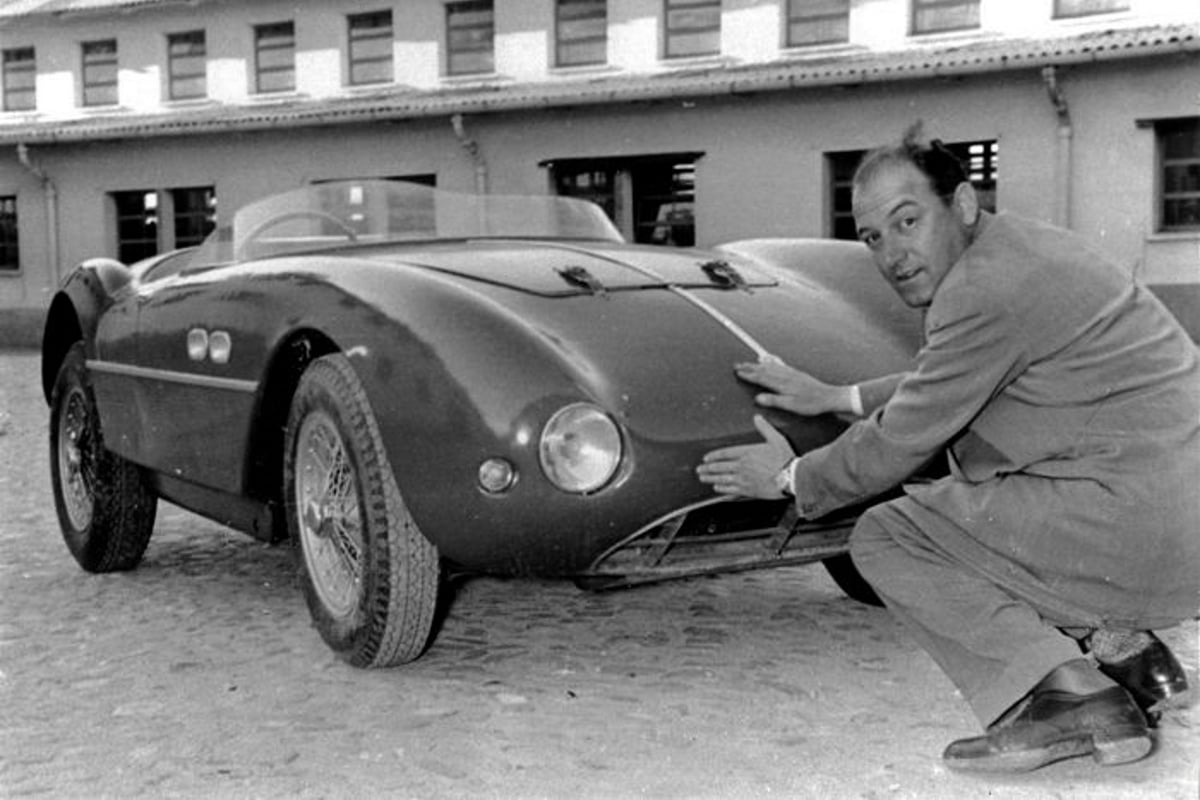
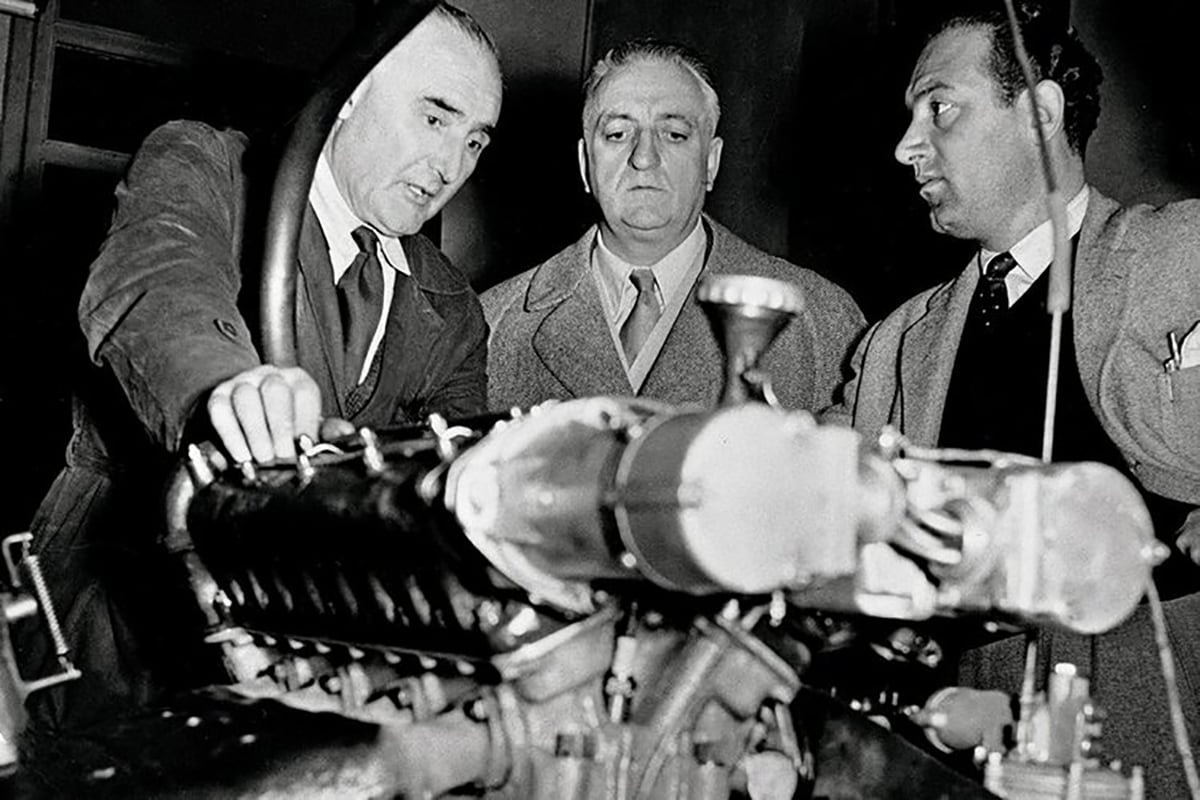
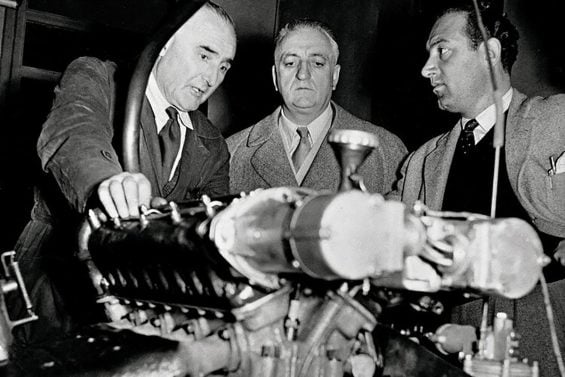
Aurelio Lampredi entered the world of cars after the war, with his boss at Reggiane recommending the engineer to Enzo Ferrari. At the time, the commander was building his team.
Lampredi’s first stint at Ferrari lasted only a year, he felt he had no room for growth working alongside icons such as Giuseppe Busso and Gioacchino Colombo. From there he went to Isotta Fraschini, where he designed the V8 engine that was used in the brand’s last car, the Tipo 8C Monterosa.
In 1950, with the departure of Giuseppe Busso to Alfa Roleo, Lampredi returned to Ferrari. The brand’s first V12 engine was compact and was designed by Gioacchino Colombo.
Lampredi’s first project at Ferrari was to create a larger V12 for Formula 1 cars, to succeed Colombo’s 1.5. The first version of this new engine was a 3.3 with a single overhead camshaft, but it even had versions of up to 5 liters and with dual camshaft.
Ferrari’s first victory in Formula 1 was with this engine, at the British Grand Prix in 1951. Argentine José Froilán González drove the 375 model, with a 4.5-liter engine of 350 hp, and began the scuderia’s history of victories.
Enzo Ferrari saw the opportunity to enter Formula 2 because the regulations allowed cars in this category to also compete in Formula 1. He asked the engineer to develop a 2.0-liter in-line four-cylinder engine that could enter both competitions.
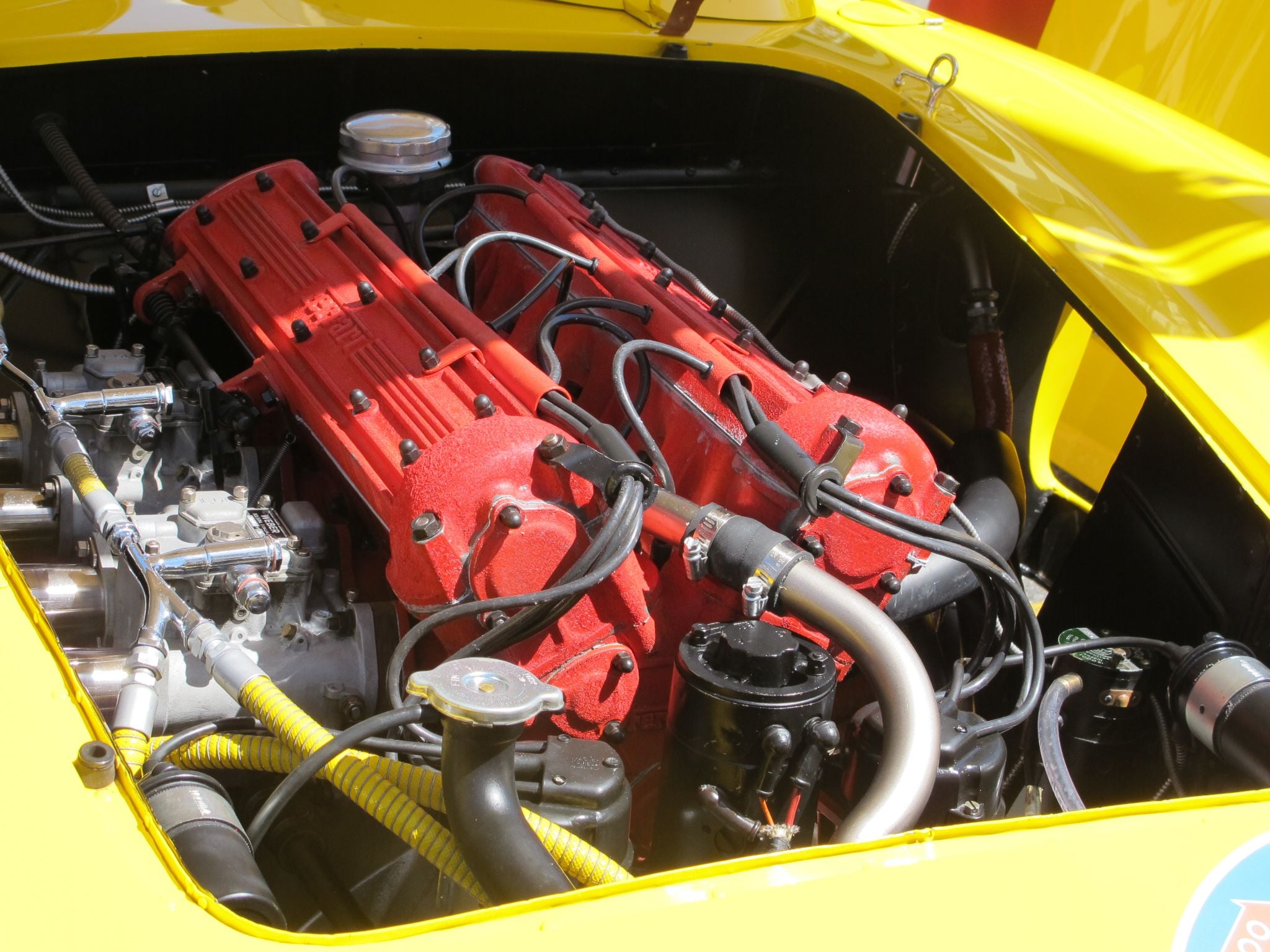
Lampredi’s four-cylinder was made of aluminum, had double camshaft and was fed by two Weber 45DOE carburetors. Enzo Ferrari’s idea worked and driver Alberto Ascari won the Formula 1 championship in 1952 and 1953.
In 1956 this engine ended up in a touring championship car, the 500 TR, and had the cylinder head painted red. This is how the Testa Rossa nickname was born for the brand’s engines, which now have this finish.
Aurelio Lampredi created other four-cylinder engines for Ferrari, with larger displacement, and an inline six-cylinder. He even made a two-cylinder prototype, which did not go forward because it was unreliable.
Her career at Ferrari ended in 1955 when she bought Lancia’s racing division. Along with this came the designer Vittorio Jano, who developed new V6 and V12 engines.
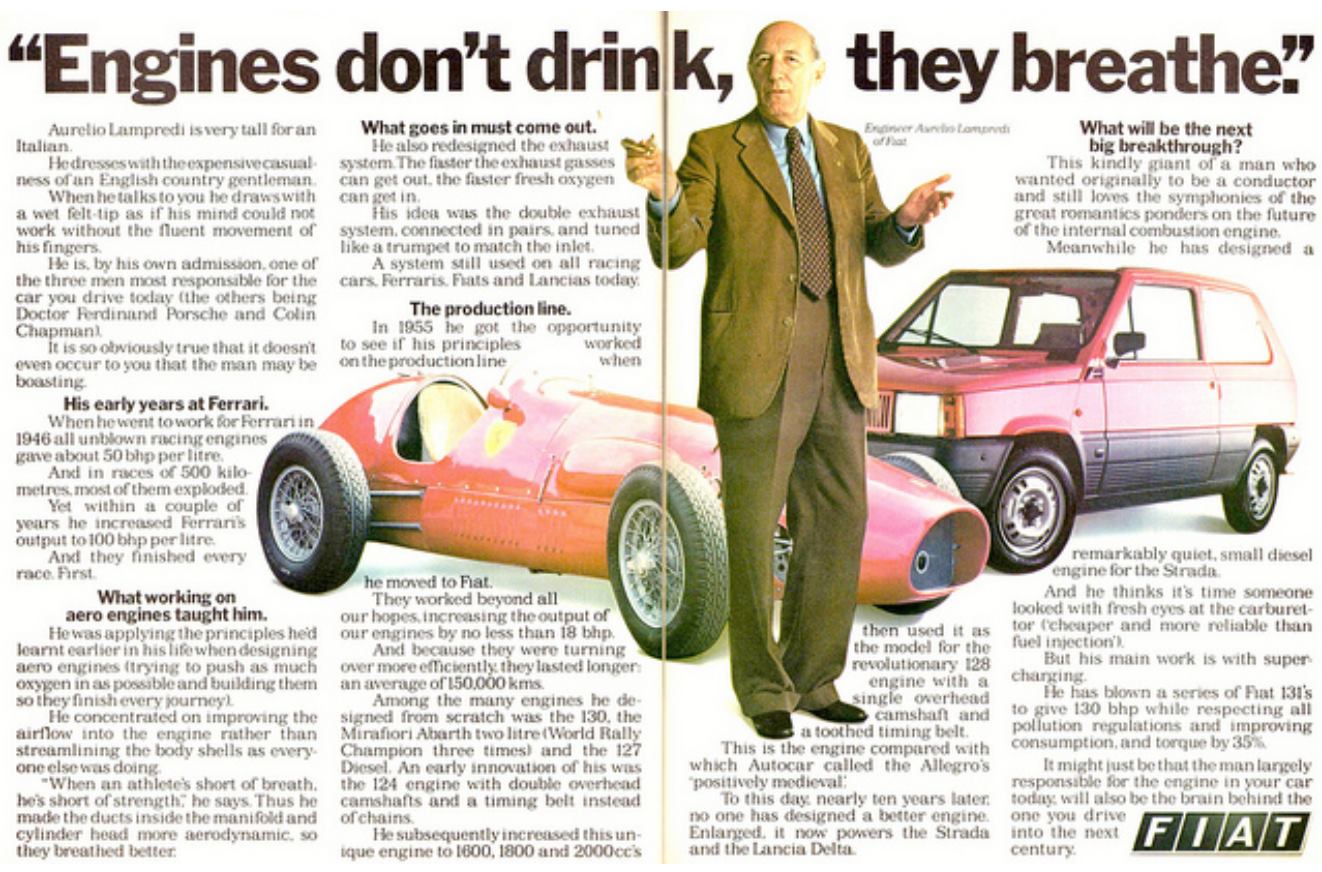
After so long taking care of only racing engines, Lampredi went to Fiat to have an even more difficult task: to develop engines for passenger cars. While competition vehicles need to focus only on performance, a road car has to balance this with durability, fuel consumption and being easy to use.
But as we are talking about Italian cars, the sporting spice was always present. The list of projects that Lampredi headed at Fiat was long, practically all the brand’s engines launched in the 60s and 70s were his.
The most iconic of these was the four-cylinder, dual-camshaft engine, which came to be known as the Lampredi engine. It debuted in the 124 Sport Coupé in 1966 and was taking on the role of being the big or sporty engine within Fiat and Lancia.
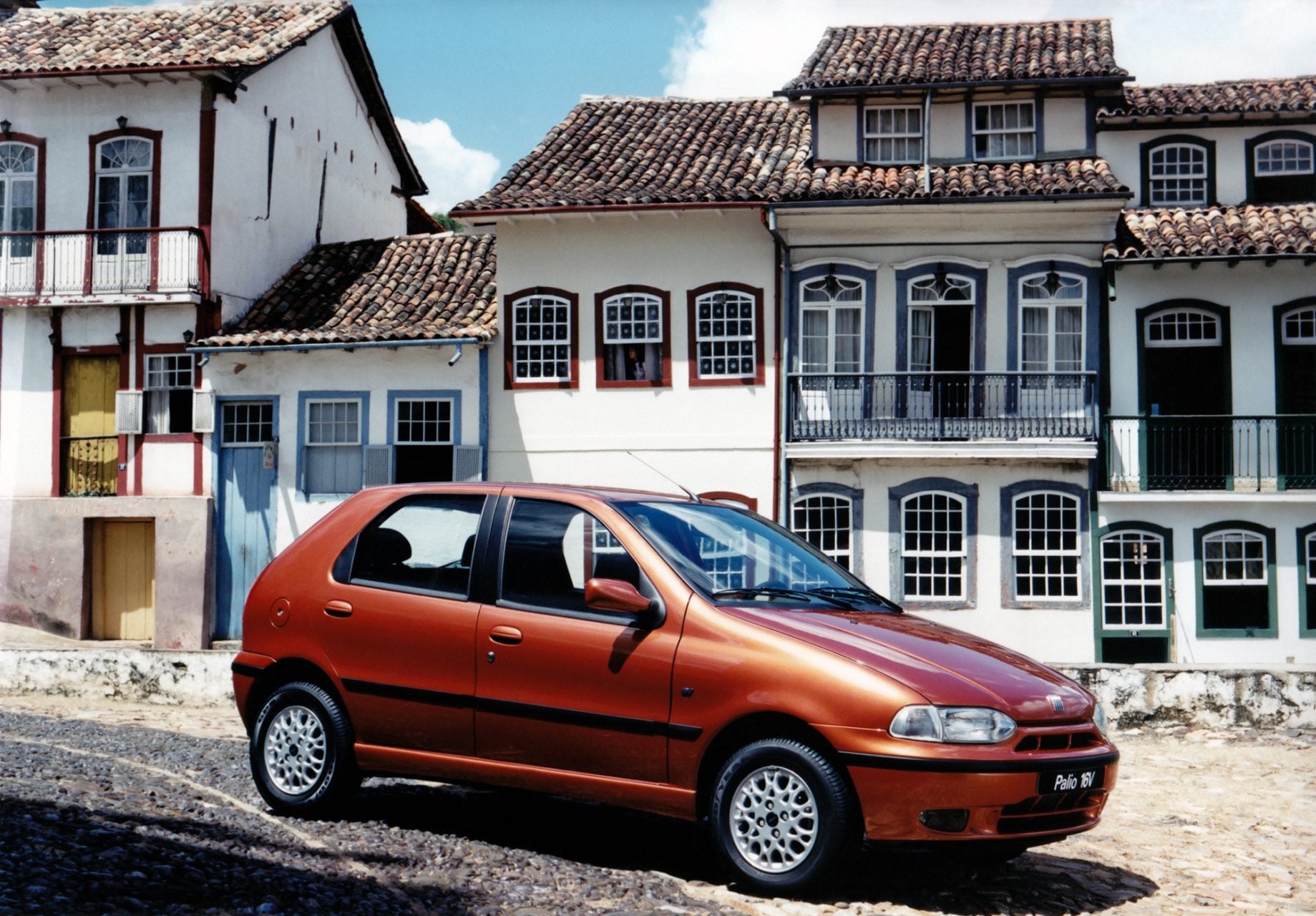
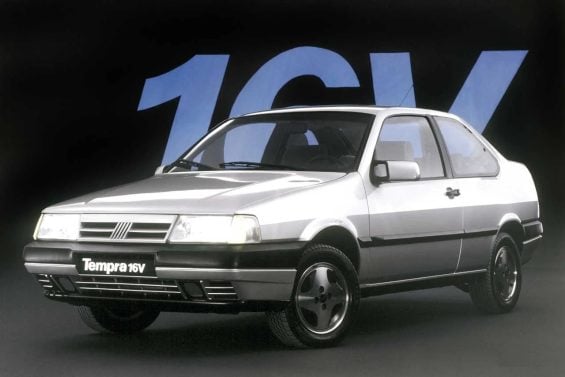
Although it started out as a street engine, it was quickly adopted by Abarth in racing cars. The 124 Abarth Rally and the 131 Abarth collected victories in the rally championships.
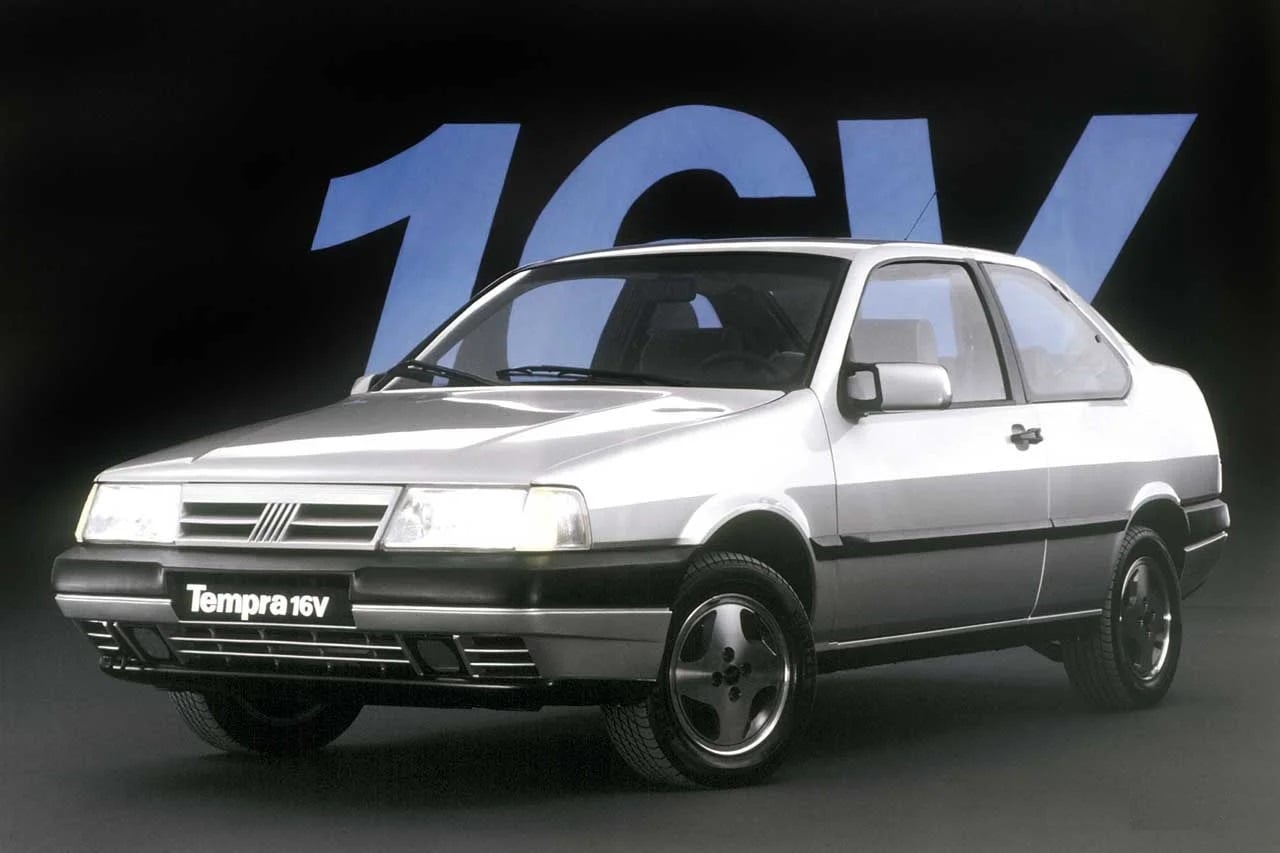
In the 80s it was the basis for the turbocharged engine of the Lancia Deltra Integrale, another great rally champion. The Lampredi engine arrived in Brazil with the Tempra, even though it was a project from the 60s, it did not look bad from rivals with engines two decades younger.
Aurelio Lampredi was also the designer of the SOHC 128, an engine known here as Sevel. It was a compact inline four-cylinder that sat below the dual-camshaft engine.
It was widely used by Fiat in Europe until 2005, in the 1.6 16v version. In South America it gained a survival as the 1.9 of the Linea, which was created using an Argentine preparation recipe.
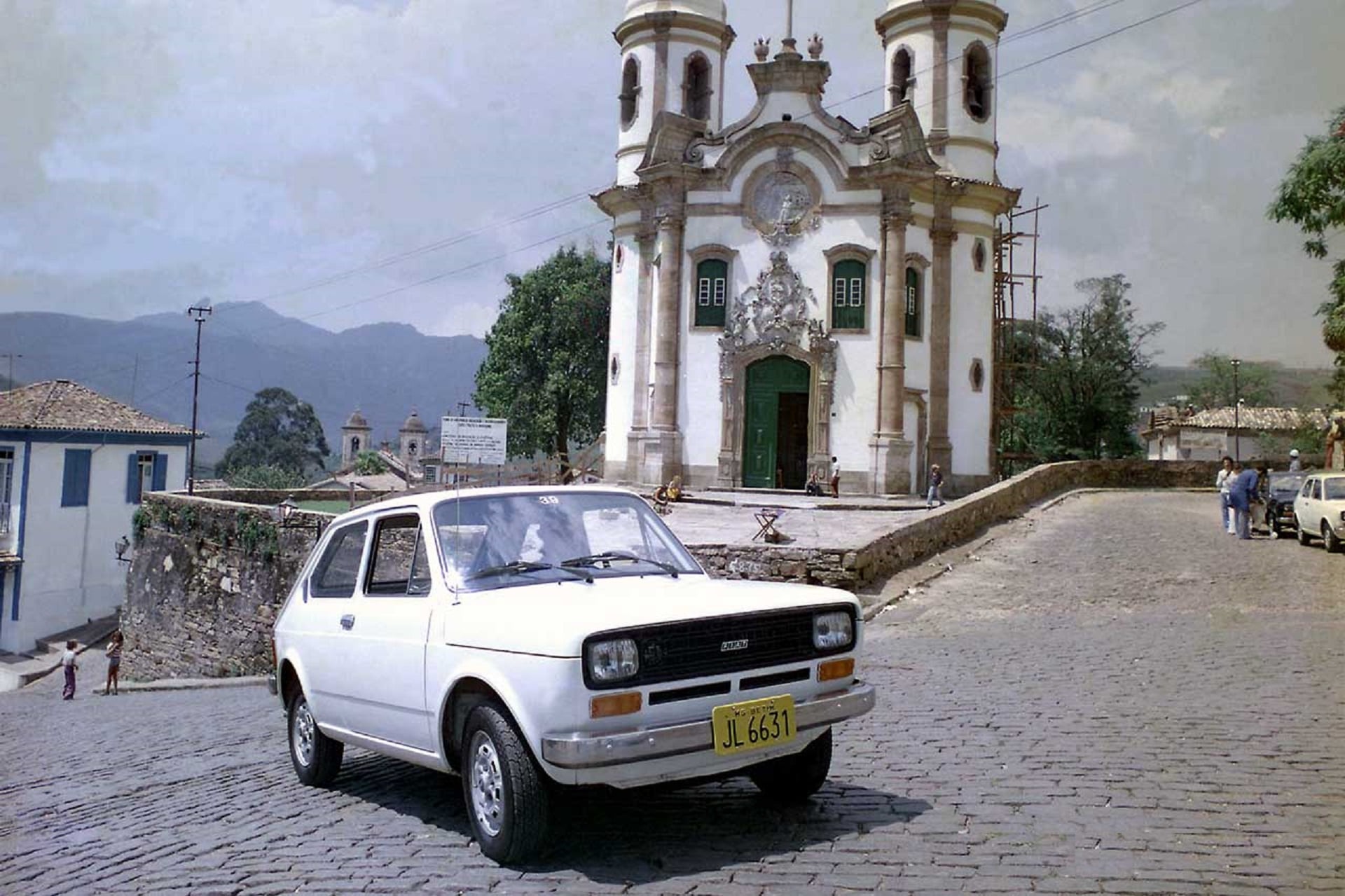
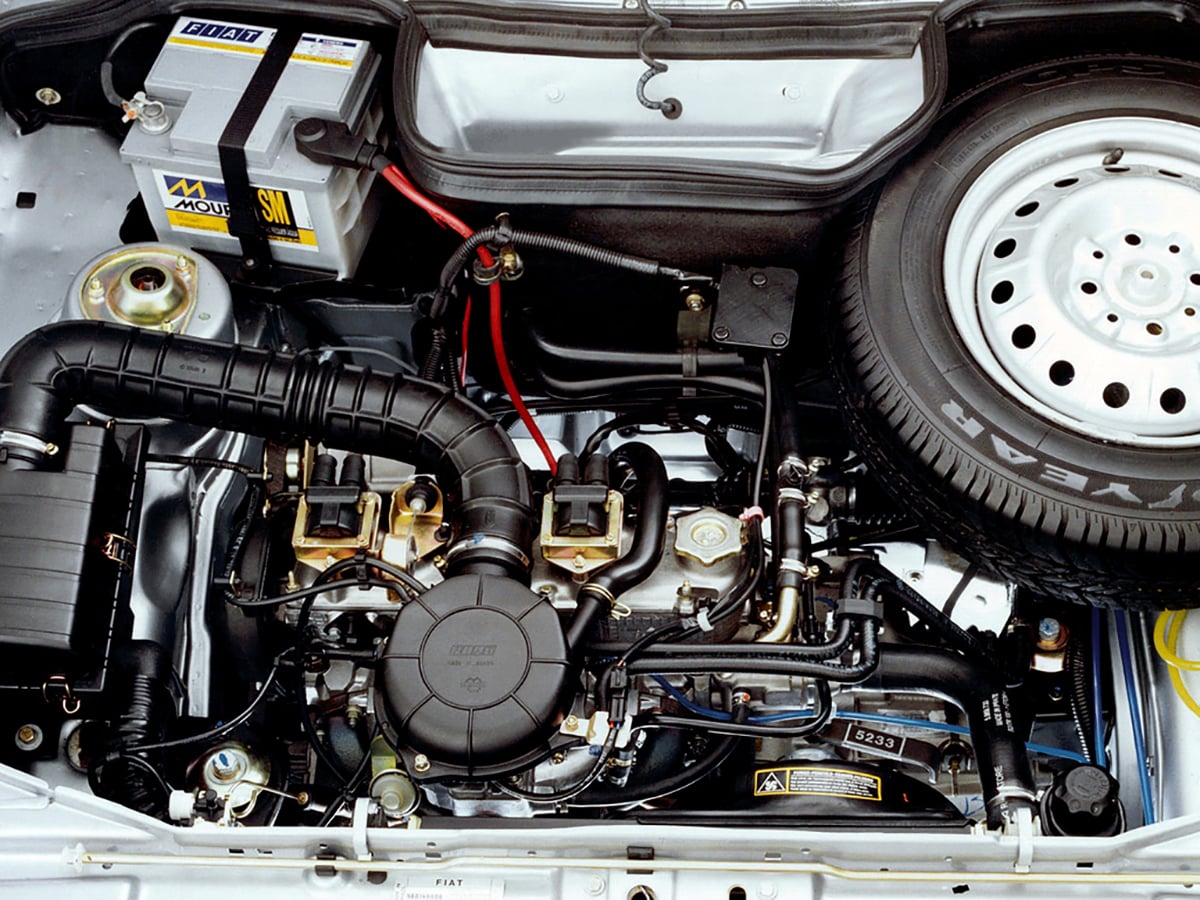
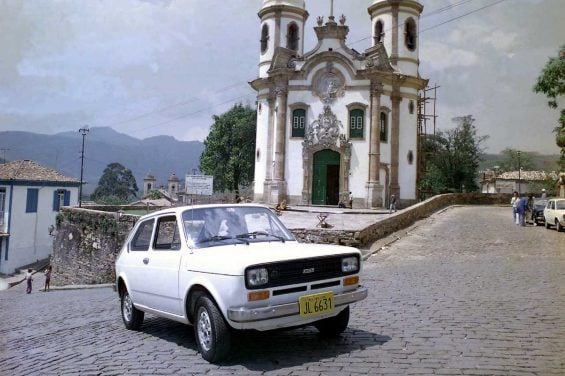
One of Aurelio Lampredi’s last jobs as an engine designer was to create a robust and economical in-line four-cylinder for Brazil. Fiat was preparing its entry into the country during the 70s and decided to create a dedicated product.
The car we already know well, the 147. It is derived from the 127, but with reinforcements and improvements to withstand the conditions of Brazil, such as reinforced sealing and raised suspension.
His engine was also made with Brazil in mind. It had a low compression ratio to handle the low-octane gasoline of the time, it was tuned to deliver torque at low revs and the length of the connecting rods was long, to allow for versions with greater displacement.
Its name is Fiasa, which is the acronym for Fiat Automóveis S.A. It was made only in Brazil and was even exported to be used in the 127, the Ritmo and the Autobianchi Y10.
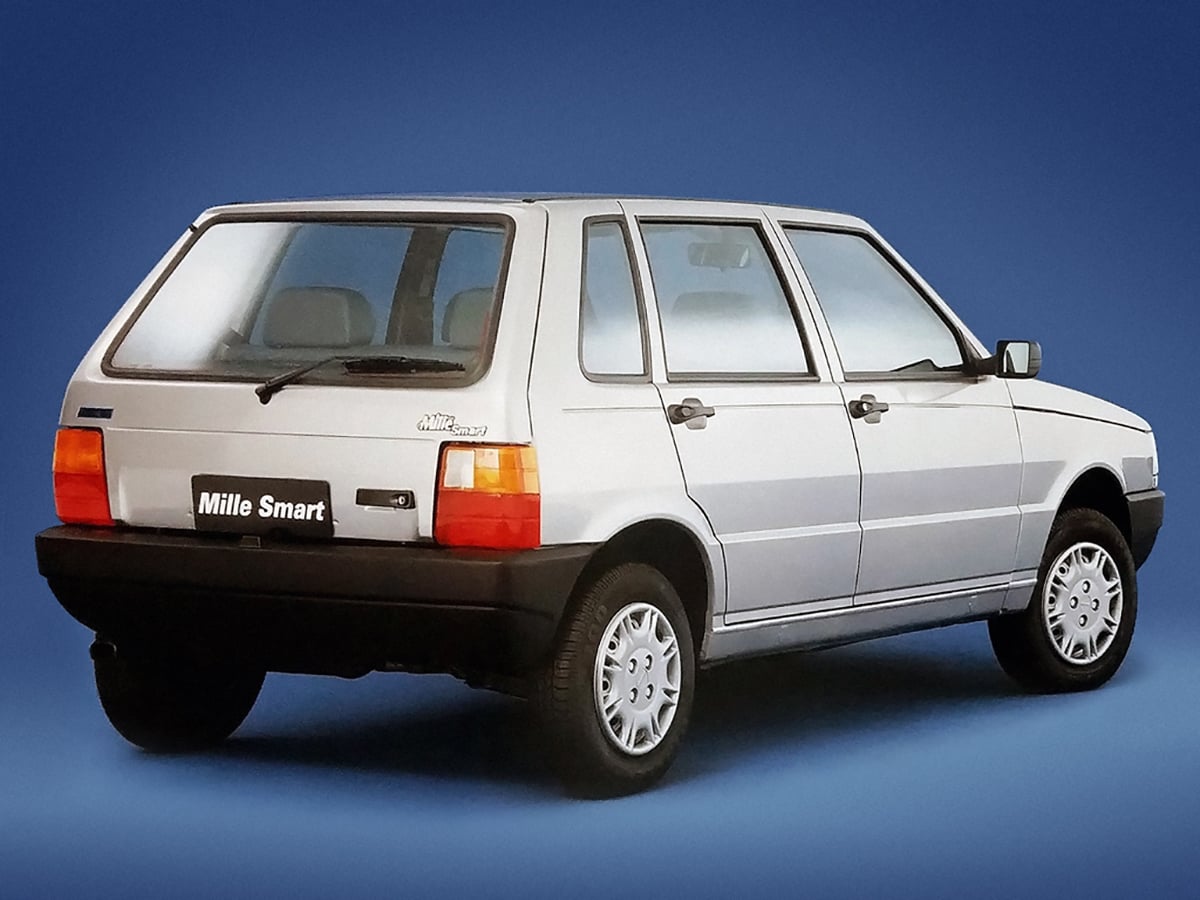
The Fiasa engine was the first alcohol engine in the world. It also had a diesel version for exports only, which is a testament to its robustness.
This engine designed by Aurelio Lampredi made history again in 1990 when it was the first popular 1.0 car in Brazil. The Fiasa was born with 1,050 cm³, the change to become 1 liter was made in a few months and basically consisted of reducing the stroke of the pistons.
The Fiasa engine was used by Fiat do Brasil until 2001. He equipped the 147, the Uno, the Palio and their respective derivatives. And, as usual, it even equipped racing cars such as the Oggi CSS.
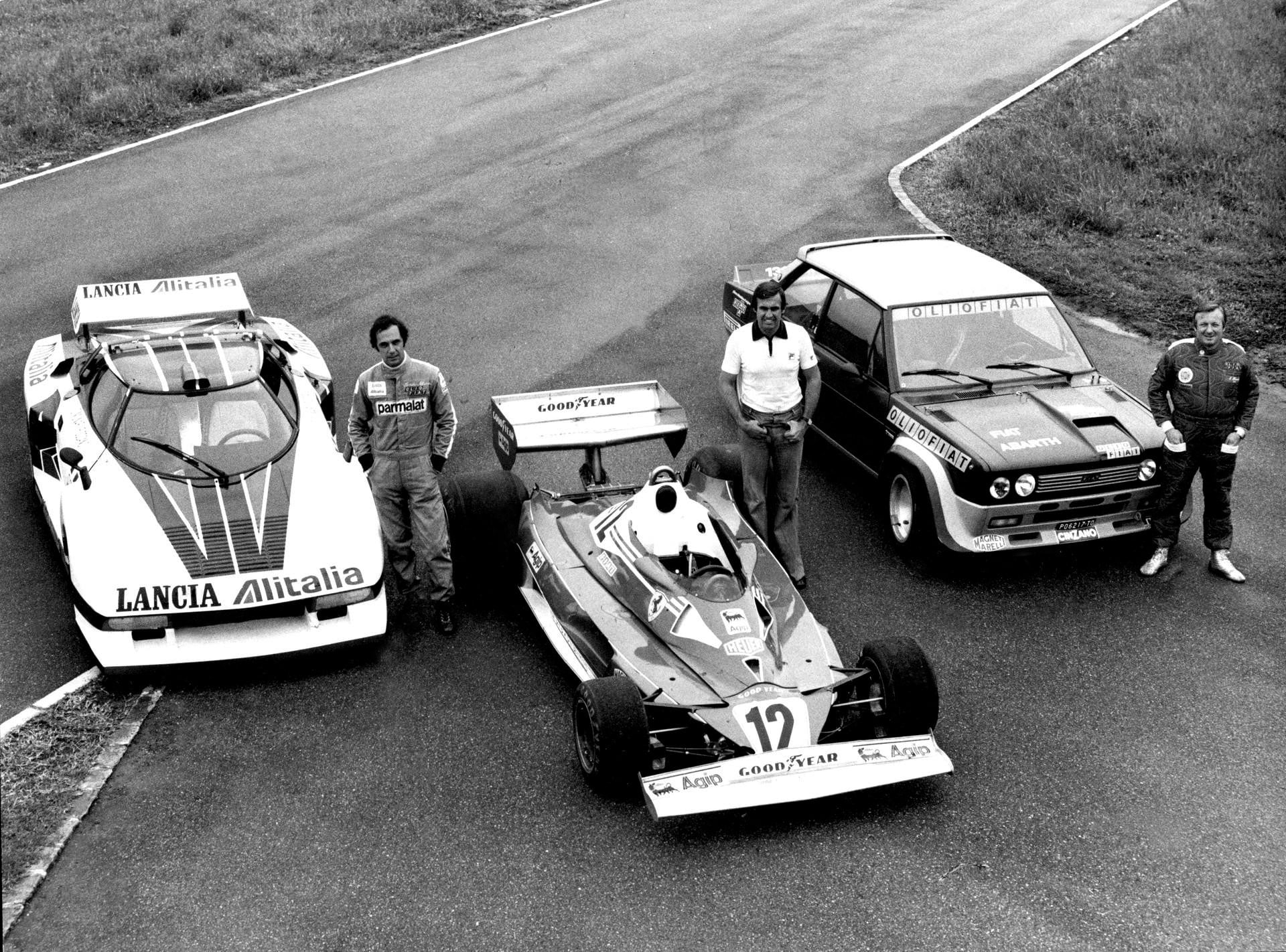
When Fiat bought Abarth in 1971, a preparer specializing in cars of the Italian brand, it passed the management of this division to Aurelio Lampredi. In 1977 he left the position of designer and became the responsibility of the competition team.
Under his management, Abarth took care of the Fiat and Lancia race cars. At that time she was strong in rally competitions, but also participated in touring car championships.
The Lancia Rally 037, the last 4×2 car to win in Group B, was one of the projects of that time. It used the 2.0 Lampredi supercharged engine with turbo and mechanical compressor.
His 1983 championship victory was almost like a farewell to Aurelio Lampredi, who had retired the previous year. The engineer passed away in his hometown in 1989
The engine that bears his name was discontinued in 2000, giving way to the Pratola Serra. Fiasa was retired in 2001, being succeeded by Fire. And SOHC lasted until 2010, when it gave way to E.Torq. But Lampredi’s legacy lives on at Fiat, with the current engine line that tries to combine sportiness with economy.



