Check out the list of common actions that seem simple and habitual, but, to the surprise of many drivers, are traffic violations
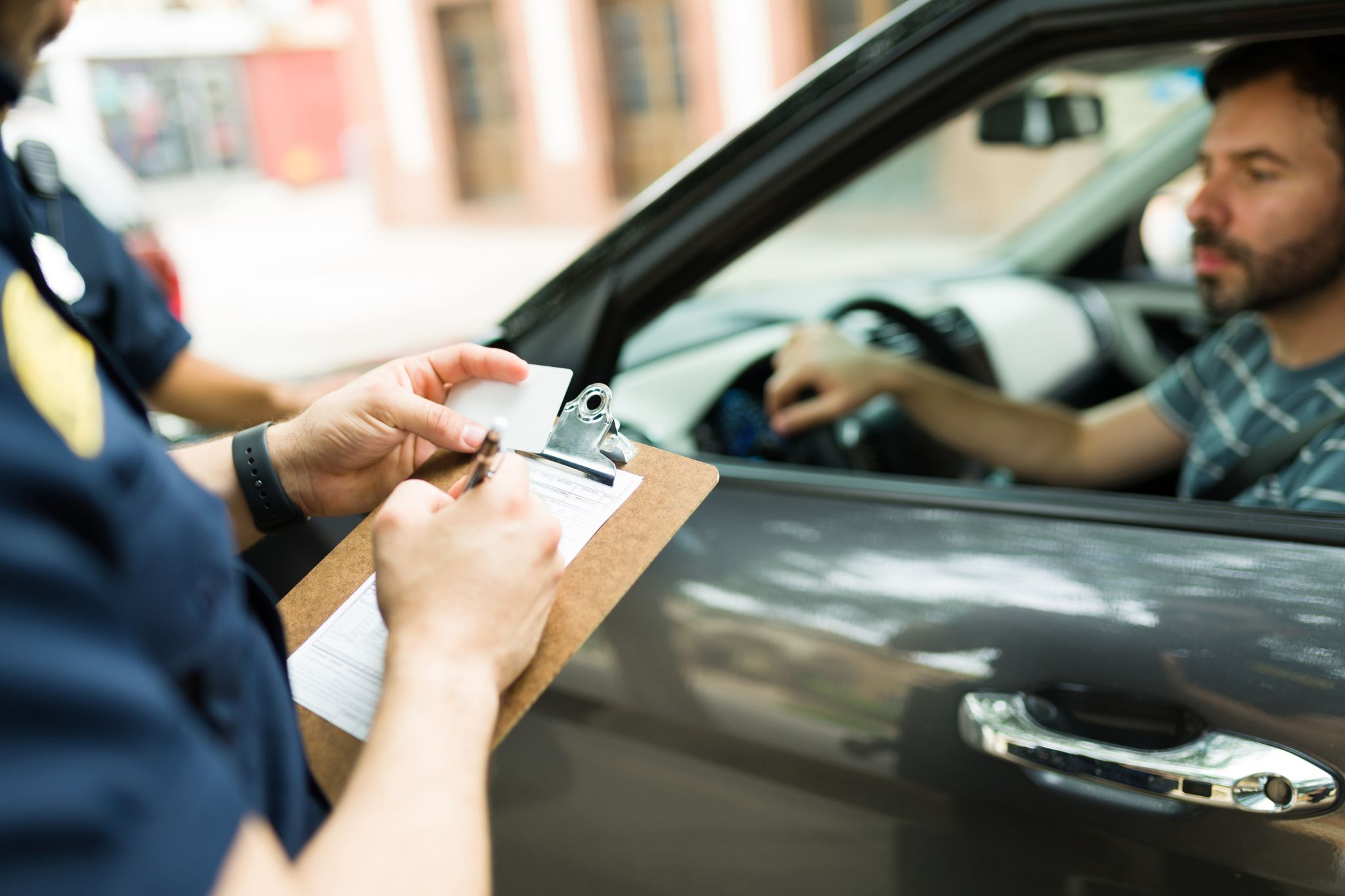
Summer in Brazil is school vacation time and at this time many drivers decide to take their car out of the garage and put it on the road to travel. It is in this situation that a silly inattention or a simple lack of knowledge can be costly, literally, making you get traffic tickets.
The Brazilian Traffic Code (CTB) provides for more than 200 infractions that can be punished with points on the National Driver’s License (CNH), fines and administrative measures. And many of these actions are so common that they go unnoticed, but are still punishable.
SEE ALSO:
Check out six unexpected infractions that can cause you a loss of up to R$ 1,467.35.
Even though Brazilian drivers have practically developed their own ‘dialect’ for the horn, it cannot be activated by default. Very common actions such as honking horns to greet someone or using it to vent anger in traffic are among the conducts punished by the Brazilian Traffic Code (CTB).
According to article 41 of the CTB:
The vehicle driver may only use a horn, as long as it is a brief sound, in the following situations:
I – to make the necessary warnings in order to avoid accidents;
II – outside urban areas, when it is convenient to warn a driver that he intends to overtake him.”
That is, the horn should only be activated to warn other road users about some safety risk or intention to overtake in rural areas. Article 227 says:
Use a horn:
I – in a situation other than a simple brief sound as a warning to pedestrians or drivers of other vehicles;
II – prolonged and successively under any pretext;
III – between twenty-two (10 p.m.) and six a.m. (6 a.m.);
IV – in places and times prohibited by the signs;
V – in disagreement with the standards and frequencies established by CONTRAN”
Many people don’t know what plumbing marks are, but they pass by them daily or on roads, where they are quite common to separate lanes or entrances. Stripes, popularly known as zebras, are a type of horizontal signage that has the function of directing the circulation of vehicles and regulating unusable pavement areas.
According to article 193 of the CTB, driving the vehicle over these marks is an infraction:
Driving the vehicle on sidewalks, sidewalks, walkways, bike paths, bike lanes, islands, refuges, landscaping, medians and lane dividers, shoulders, channel marks, lawns and public gardens”
Did you go on a trip and some luggage didn’t fit in the trunk? The solution for many people is to put it in the back seat or on the floor of the car. However, this goes against what is established in the traffic code.
Article 109 of the CTB deals with the safety criteria for transporting cargo and takes into account that in the event of sudden braking or collision, loose objects inside the vehicle can be thrown with force, putting the occupants at risk. The most correct thing is to put all these things in the trunk.
According to article 248:
Transporting excess cargo in a vehicle intended for the transport of passengers in disagreement with the provisions of article 109:
Many drivers when they hit the road stop to buy a lacnhe, but in a hurry or any other reason, they choose to eat in the car while driving or even when they are stuck in traffic. Although it seems very simple, this action is punishable.
This is because depending on the food or drink, you can divert your attention from traffic and the car and not react correctly in an emergency situation. According to article 252:
Driving the vehicle:
V – with only one hand, except when you must make regulatory arm signals, change the vehicle’s gear, or activate vehicle equipment and accessories”
Overtaking on the wrong side is a very common action, especially for those who hit the road daily. However, this cannot be done by default, only in specific conditions that respect vertical and horizontal signage (white, yellow, continuous, dashed stripes, etc.).
Article 203 of the CTB provides that:
Overtaking another vehicle on the wrong side:
I – on curves, slopes and slopes, without sufficient visibility;
II – at crosswalks;
III – on bridges, viaducts or tunnels;
IV – standing in line next to light signals, gates, gates, intersections or any other impediment to free circulation;
V – where there is longitudinal road marking for the division of opposite flows of the type double continuous line or single continuous yellow line”
Being involved in a traffic accident, such as light crashes, is very common and will probably happen to every driver. However, you have to be careful, because in addition to the damage of the accident, you can also get a free traffic ticket.
This happens when you don’t clear the road and continue to hinder circulation. Contrary to what many think, the public road should not be used as a vehicle repair site. Exceptions happen when it is not possible to remove it from the place where it is, for example, when changing tires.
Thus, Article 179 of the Traffic Code establishes:
Repairing or permitting repairs to be made to a vehicle on public roads, except in cases of absolute impediment to its removal and in which the vehicle is properly signposted:
I – on highway lanes and rapid transit routes;
II – on other roads”
On highways and rapid transit:
On other roads:



