China discourages self-driving cars after fatal accidents and bans retractable door handles on electric cars by 2027; in the US, they are still under evaluation

A serious accident that resulted in the death of three university students in March 2025 led Chinese regulators to discourage the autonomous car program only last December. The car, a Xiaomi SU7 electric sedan, features lines clearly “inspired” by the Porsche Taycan.
The SU7 comes with its own Level 2.5 automation system and crashed into a partial lane closure obstacle on a highway. In reality, other similar accidents had already occurred, but Chinese censors prevented widespread dissemination.
SEE ALSO:
Xiaomi has a strong presence in mobile phones in Brazil and in China it is considered one of the national champions in cutting-edge technology. This led it to produce cars and go to face Tesla, which has also been involved in several accidents so far investigated in the US. The current Level 2.5 requires drivers to keep their hands on the wheel and be ready to intervene when alerted to the risk of an accident.
Several accidents, some fatal, have occurred with Tesla’s in the US and the company faces investigations. In 2018, a Level 4 autonomous Volvo XC90 during Uber’s night test was fatally hit by a cyclist. Earlier, in 2016, the driver of a Tesla died when he crashed into a white box truck not detected by the car’s camera. Experimental self-driving cars continue to be evaluated on public roads in the U.S. Europe and Japan are much more cautious.
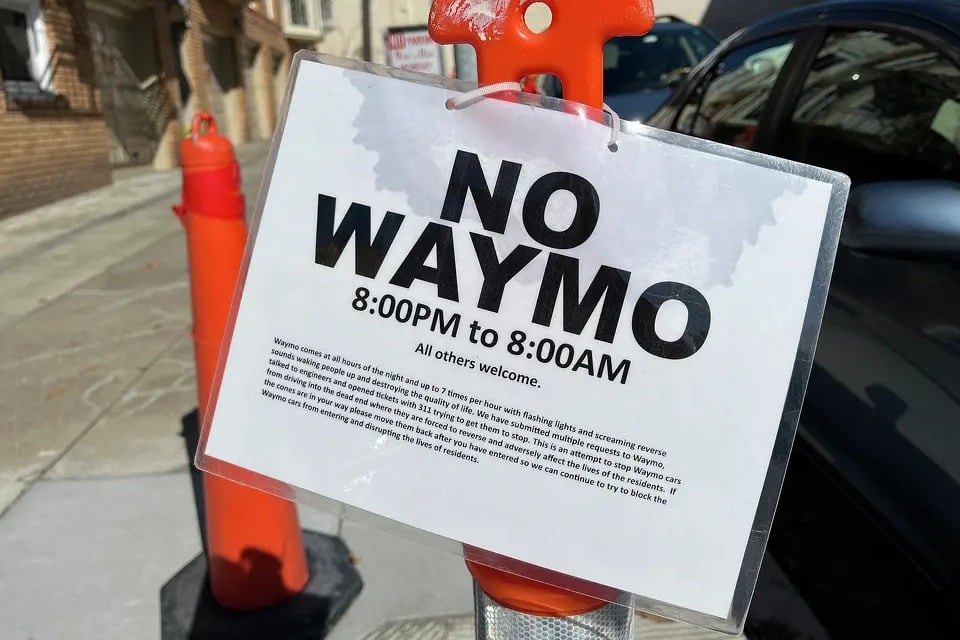
Recent research in the US indicated 9.1 accidents per 1.6 million kilometers driven with autonomous vehicles and 4.1 accidents (less than half) in vehicles driven by flesh and blood drivers. GM, Uber and before Apple have given up, but Waymo (Google) continues.
China has also just banned, from 2027, the use of retractable external door handles on electric cars. These must have internal and external mechanical systems so that the doors can be opened in the event of accidents.
There is a risk of people being trapped inside the vehicles, without rescuers having a way to open them. At least one interior handle will have to be clearly identified and not half hidden as in some current models.



