Brazilian factories do not only operate for the domestic market, we export many cars to various parts of the planet
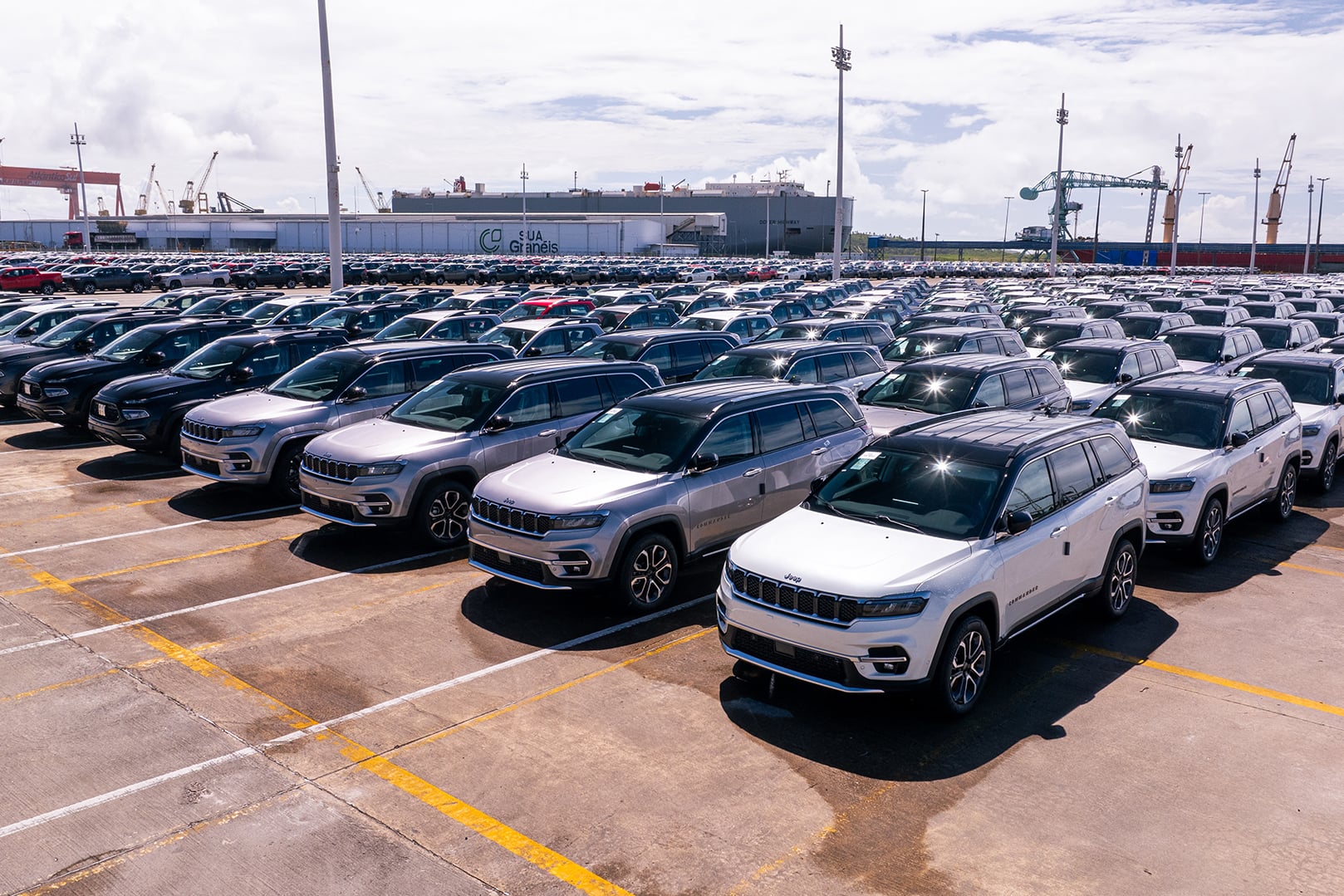
The Brazilian automobile industry is not only strong for the domestic market, it also exports to several countries. The Middle East region is one of the most customary and distant, buying national cars since the 1980s.
This good relationship continues to the present day, with cars, buses and trucks crossing the globe until they land in the Middle East. Check out some examples.
SEE ALSO:
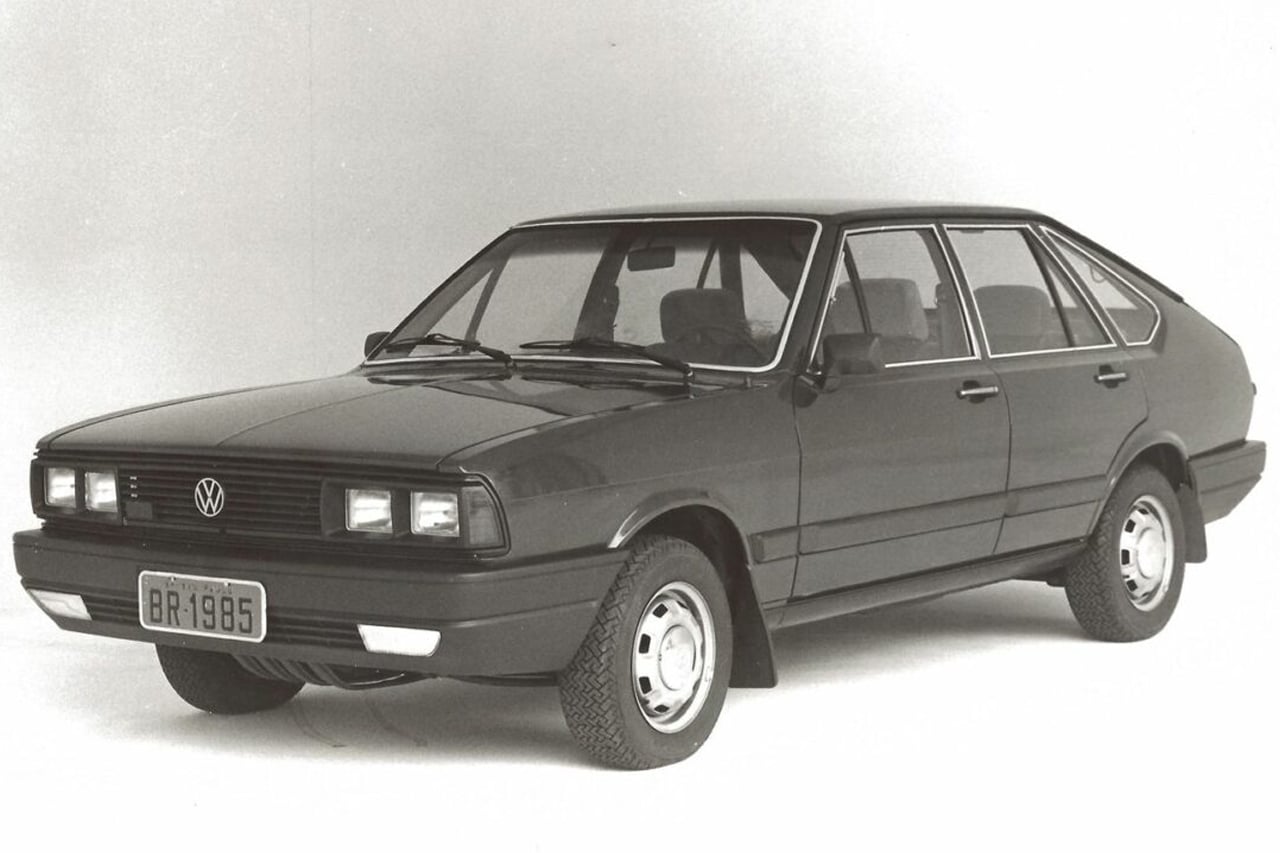
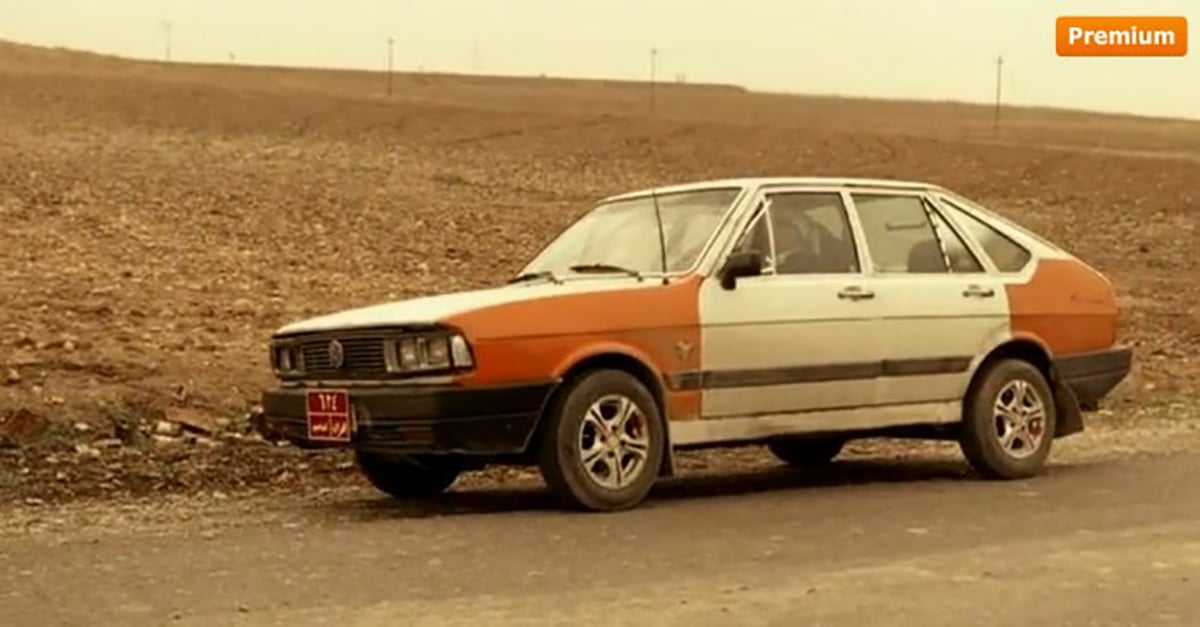
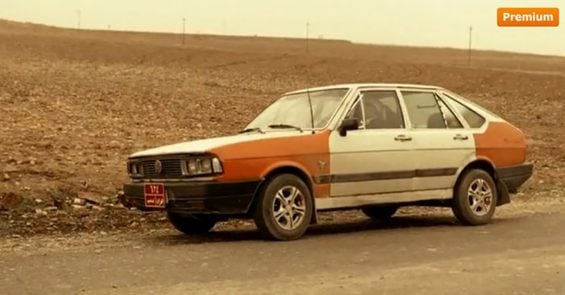
This is the most famous story of a Brazilian car being exported to the Middle East. Volkswagen do Brasil signed an agreement with the Iraqi government for the export of the Passat.
The branch of the German brand was paid with barrels of oil, which were passed on to Petrobras. The agreement lasted from 1983 to 1988, the year in which the Passat was discontinued.
In 1986 there was a surplus in the production of the car, so Volkswagen decided to sell it in Brazil. The specifications brought some differences to meet the extreme heat of the Middle East and local taste.
The “Iraqi” Passat had a four-door body, air conditioning, 250 W fan, copper radiator, crankcase protector, four tow hooks, four headrests, textile radial tires, thicker carpet and interior finished in red, except for units with blue paint. The engine used was the 1.6 MD 270 and the gearbox was a four-speed, the national line already had the updated AP600 and a five-speed gearbox.
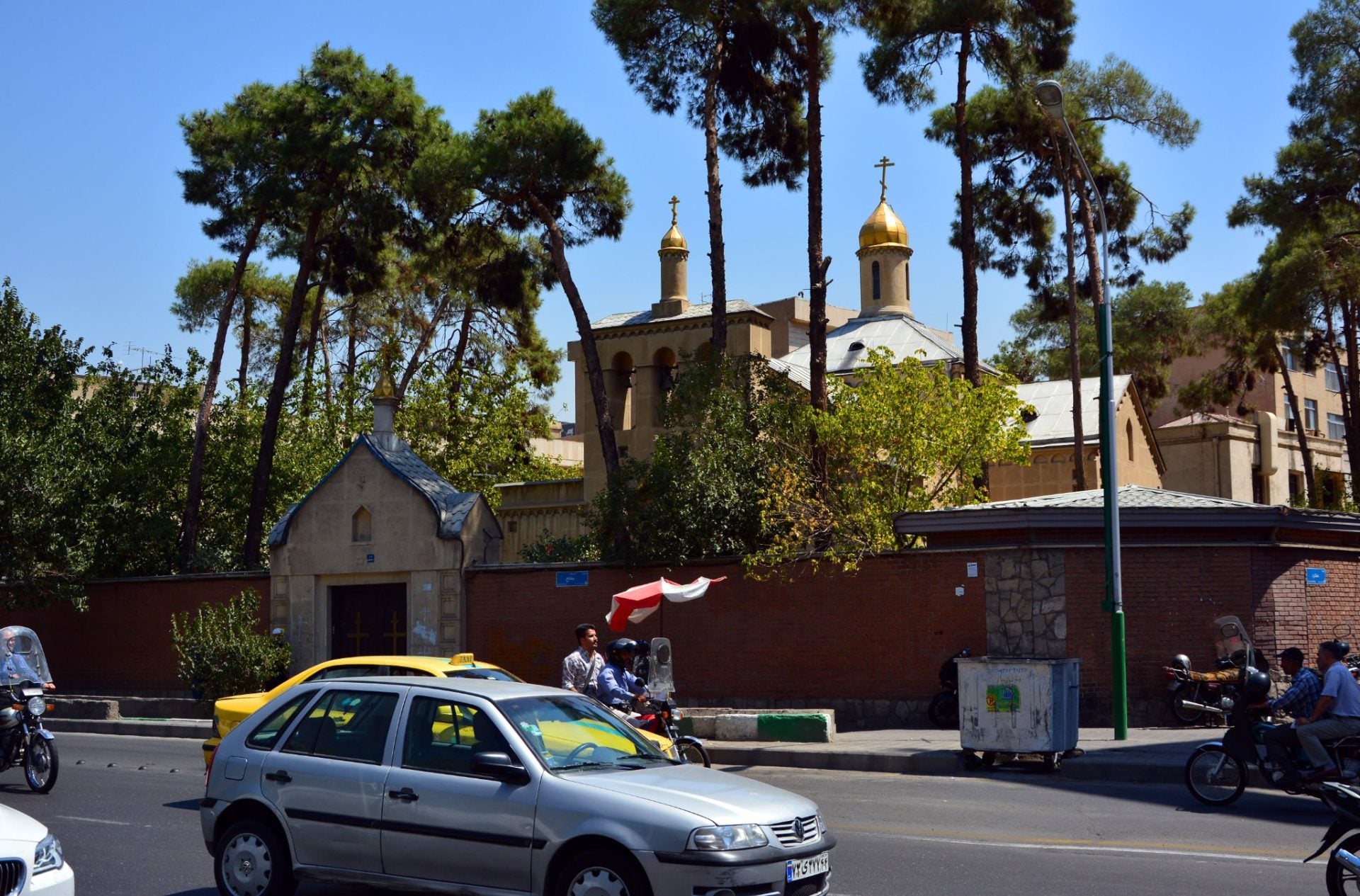
Iran is the country in the Middle East with the largest local automobile industry. Iran Khodro and Saipa produce local designs as well as traditional brand cars under license, the most famous being the Peugeot 405 which was produced there from 1992 to 2002.
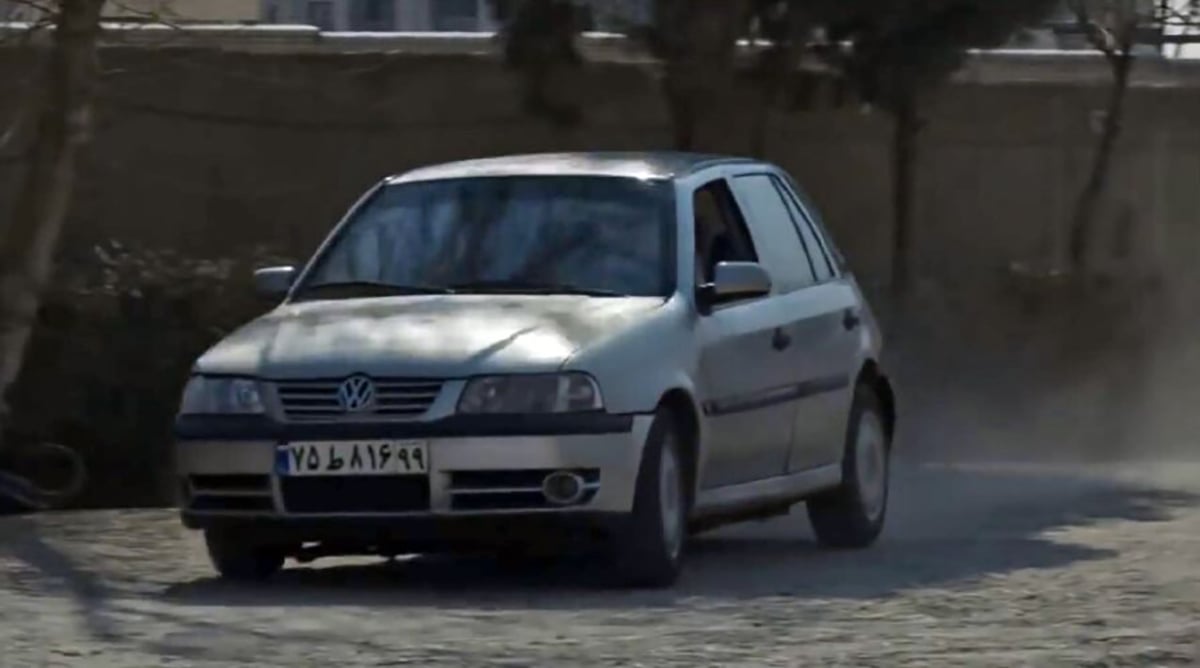
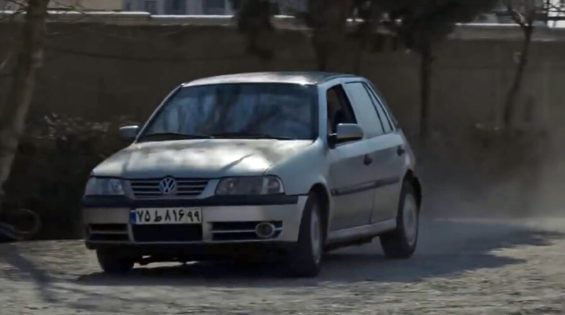
Between 2003 and 2010, Volkswagen had a joint venture with Kerman Khodro to produce the Gol on Iranian soil. The hatch was assembled under the CKD regime, with only the third generation being made.
It is difficult to find information about the car. A news report of the launch says that it was produced with a four-door body, 1.8 engine, air conditioning, power steering, front airbags and electric windows and locks. The engine received a second radiator to handle the heat.
In the news it says that the body was sent from the Taubaté (SP) plant and the engine from the São Bernardo do Campo (SP) unit. Volkswagen do Brasil supervised production. The expectation was to sell 20 thousand cars per year in a network of 70 dealerships.
The car even starred in the 2017 Iranian film Negar. We used some photos of him to illustrate the article.
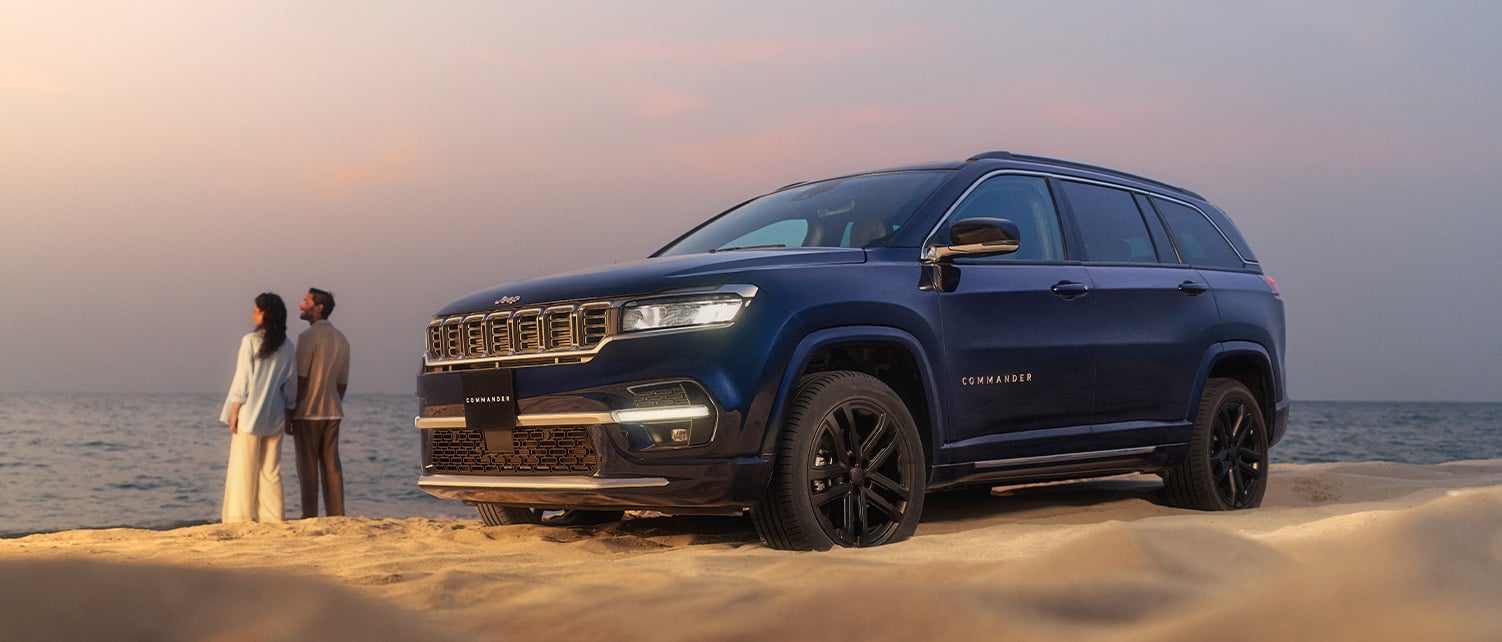
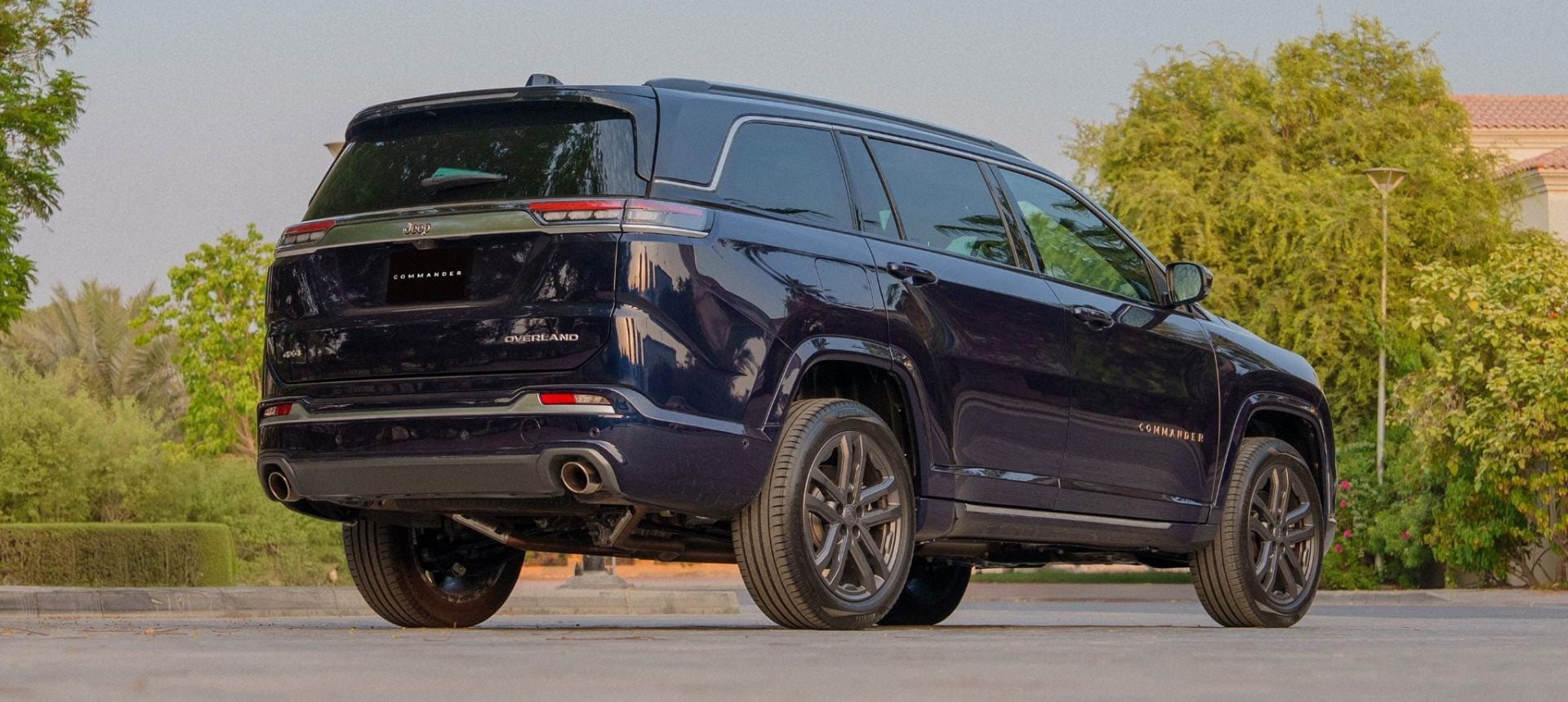
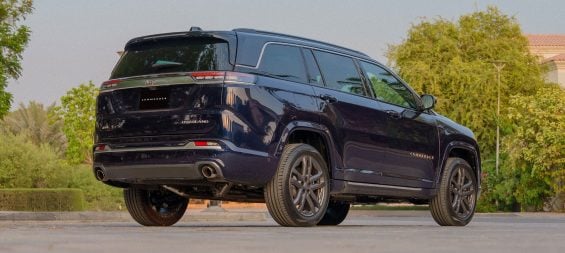
The Commander was the first Jeep car entirely developed in Brazil. It is not a mere “jabuticaba”, this seven-seater medium SUV formula is popular in other countries.
Therefore, Stellantis also produced the Brazilian model in India with right-hand steering and exports it to Japan. The Goiana plant, in Pernambuco, produces the Commander for the American continent and the Middle East.
It is currently sold in Saudi Arabia, the United Arab Emirates, Oman, Qatar, Kuwait and Bahrain. The only engine offered is the 2.0 turbo Hurricane, gasoline, diesel is not popular in passenger cars in these countries.
One difference from the Commander export model is that it combines this engine with the Limited and Overland versions. Here the Hurricane was once offered in Overland, but today it is only used in the sporty-looking Blackhawk.
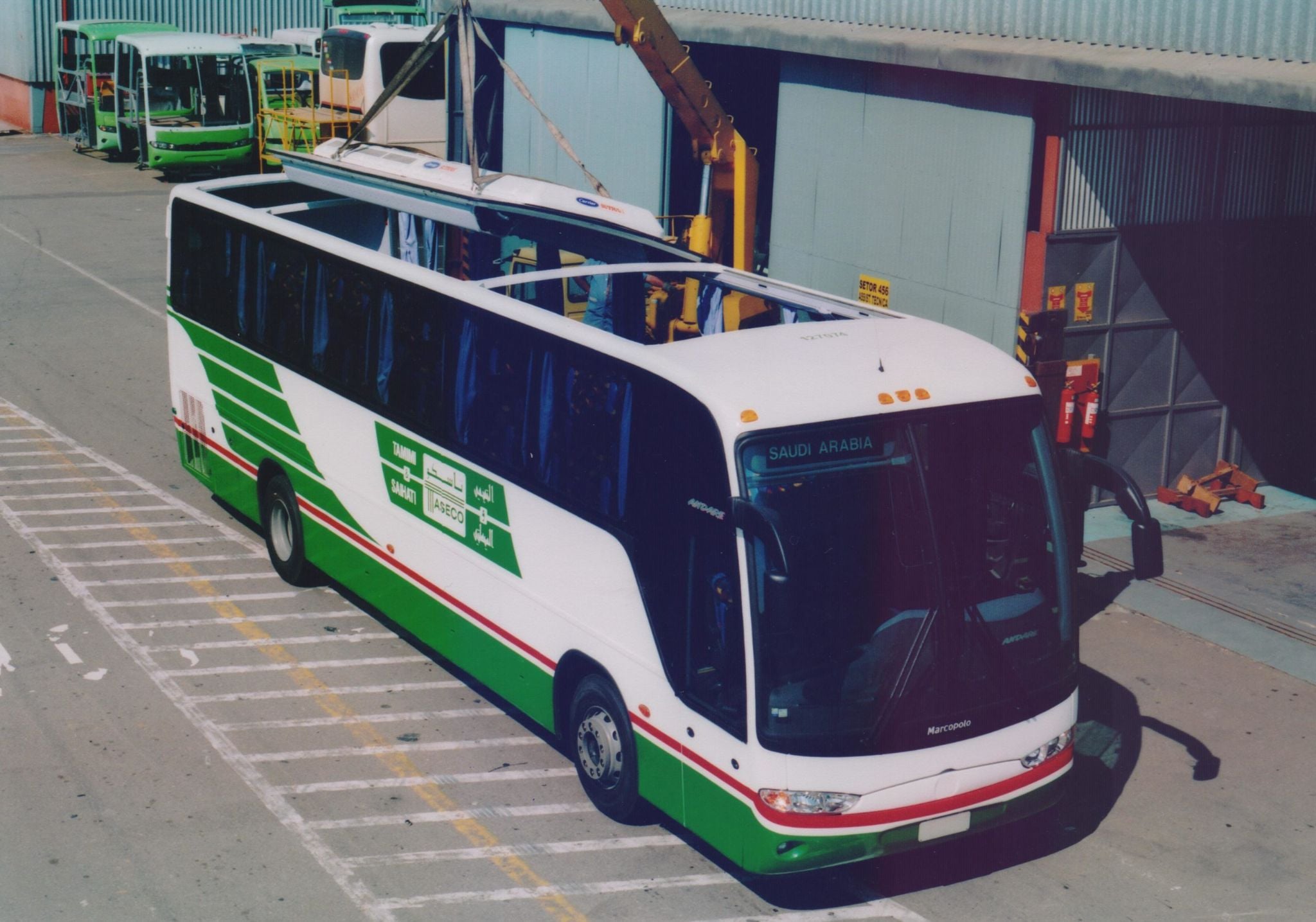
Brazil may not have a national car brand, but in the bus sector we are a reference. Marcopolo designs and produces bodies here with global standards.
It exports buses to Latin America, Europe, South Africa, Australia and the Middle East. In India it has had a joint venture with Tata since 2008 and in Australia it owns Volgren.
The Middle East has been a Marcopolo customer since the 1980s. According to the Brazil-Arab News Agency (ANBA), the company exported 3.5 thousand buses from 2003 to 2023.
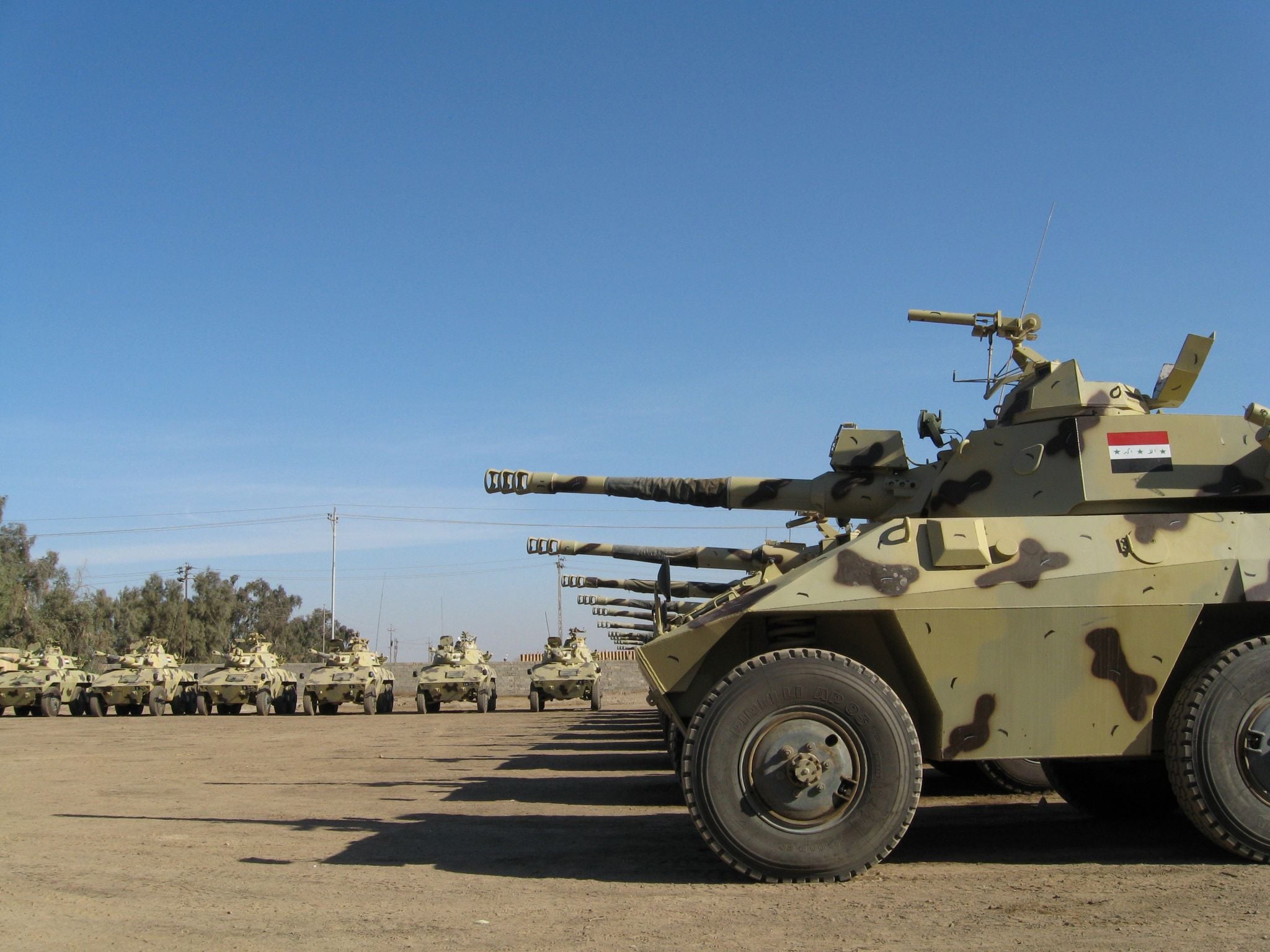
Engesa’s military vehicles were not only made for Brazil. They were exported to several countries, including those in the Middle East such as Libya, Iraq, the United Arab Emirates, Jordan, Iran and Qatar.
The EE-11 Urutu, an armored personal transport vehicle, and the EE-9 Cascavel, an armored car, are still in use in several of these countries. The demand for exports was so great that the Brazilian Army was only Engesa’s 10th largest customer.
The company was monitored by the CIA due to its list of clients, which included Libyan dictator Muammar al-Gaddafi. Several of these armored vehicles were destroyed in conflicts against the US, such as the Gulf War.
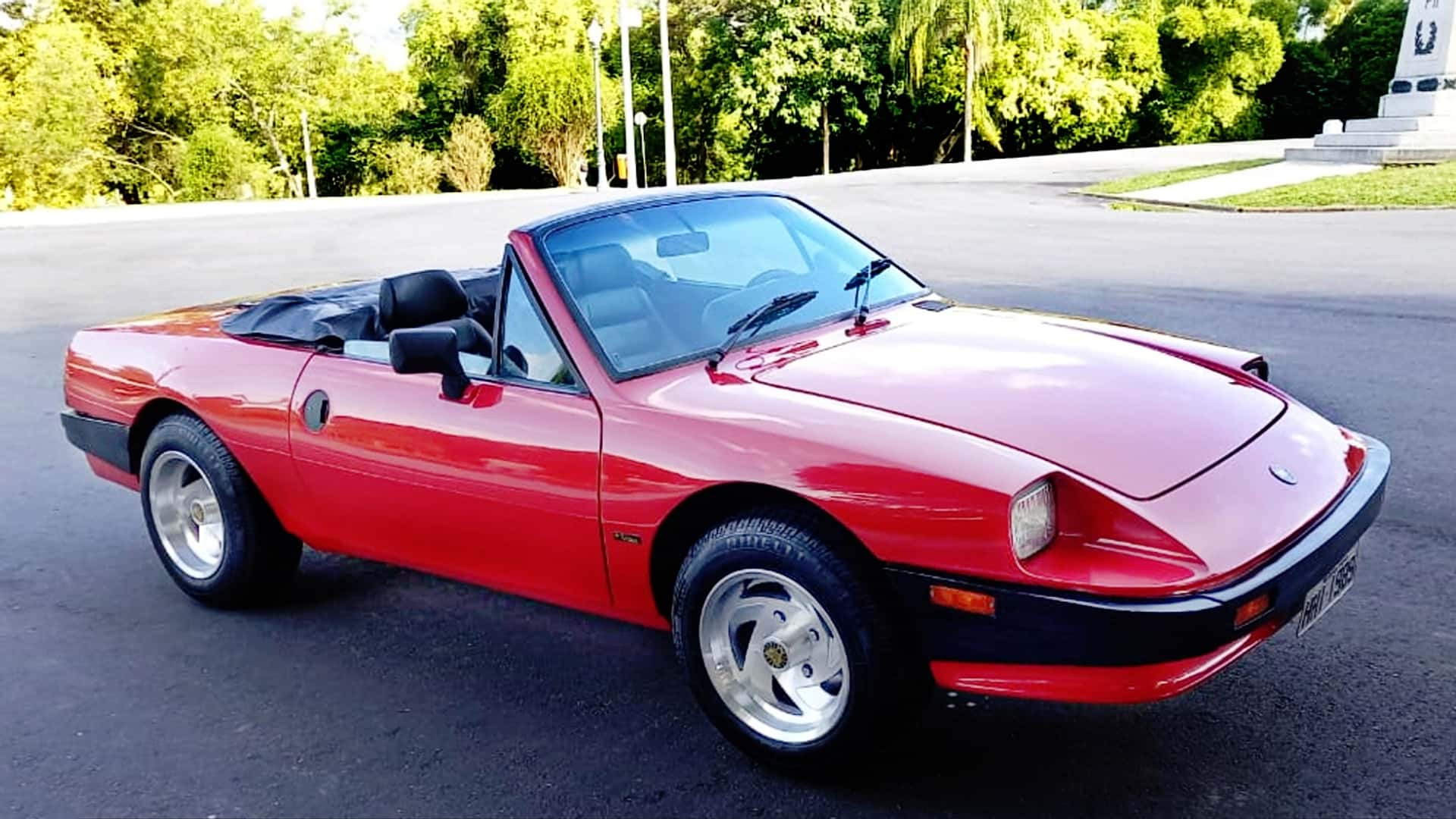
Can you imagine that boxer Muhammad Ali came to Brazil to negotiate the export of the Puma to Saudi Arabia? Yes, that happened in 1987.
The boxer was a friend of Sheikh Mohammed Al-Fassi, who was interested in selling the Puma in his homeland. However, it required some changes to the fiber sports car, such as the wider windshield, wooden panel and square headlights — which came from the Honda CB400.
The original agreement was to export 400 units. They would be sent to the USA, where they would receive a Porsche 911 engine, and from there they would be sent to the Middle East.
After Puma made the modifications, produced the molds and had everything settled, the sheik canceled the order due to bureaucratic problems in Saudi Arabia. The blow of this contributed to Puma’s bankruptcy process.



