The most modern heavy trucks use this equipment to gain efficiency and maximize operator profit, with no room for unnecessary frills
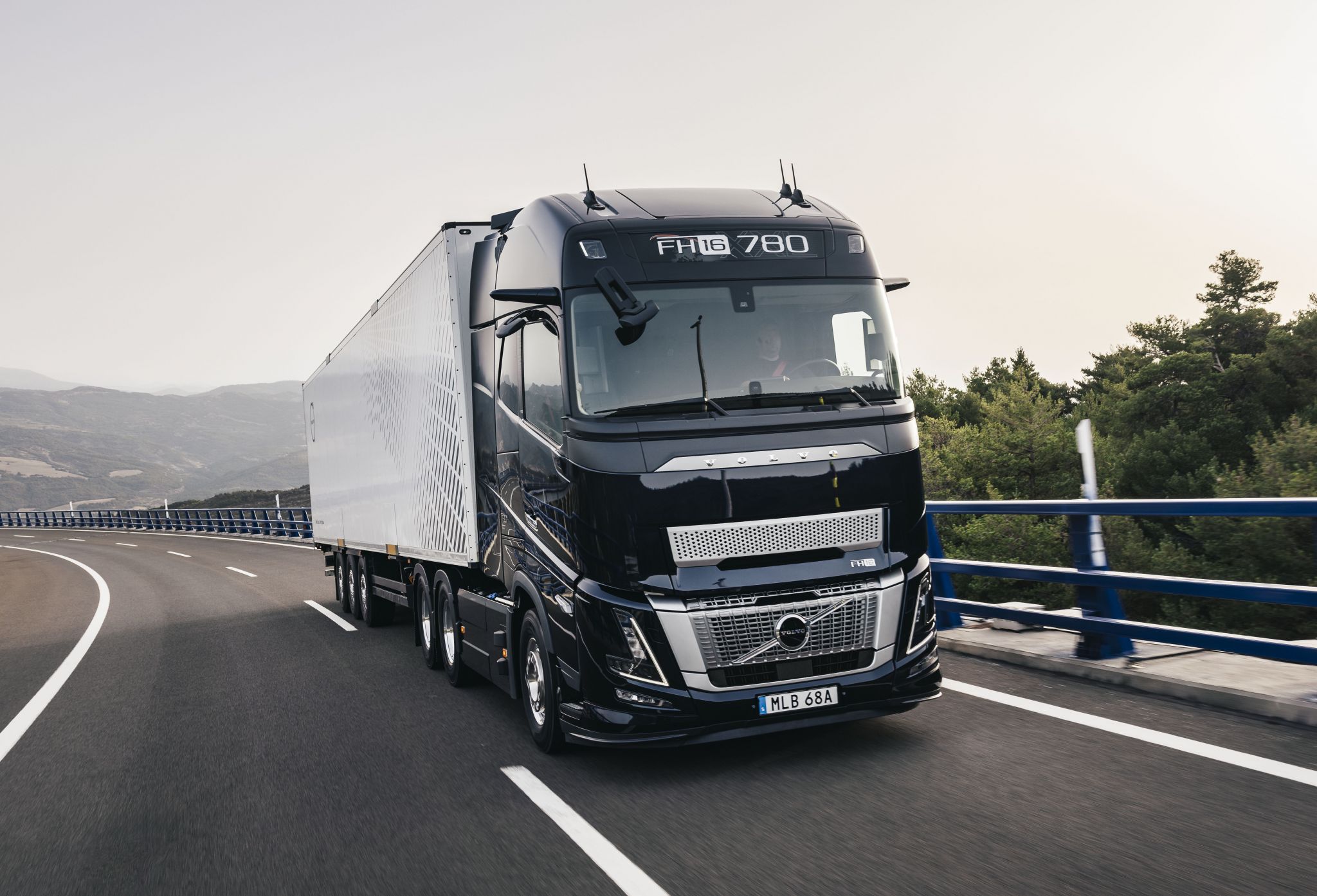
Gone are the days when driving a truck meant being behind the wheel of a rustic machine. Modern heavy trucks are packed with technology and are closer inside a luxury sedan than a popular hatchback.
As it is a 100% rational market, the evolutions in trucks are focused on efficiency and maximizing the operator’s profit. Passionate and marketing arguments are left aside here or in the discussions at the gas station between drivers.
SEE ALSO:
Increasing comfort and making it easier to operate a truck means that the driver gets less tired on the journey and is more alert. Advances in mechanics, on the other hand, serve to improve performance and economy.
An example of this rationality in trucks is how the number of gears decreased as the power increased. As modern engines have a greater range of torque and maximum power, it is not necessary to change gears as much. If in the 90s the standard was 16 gears in road trucks that had, on average, less than 400 hp, today heavy trucks with more than 500 hp do well with only 12.
If you are aware of how much trucks have evolved in recent years, check out some of the technologies present in road models.
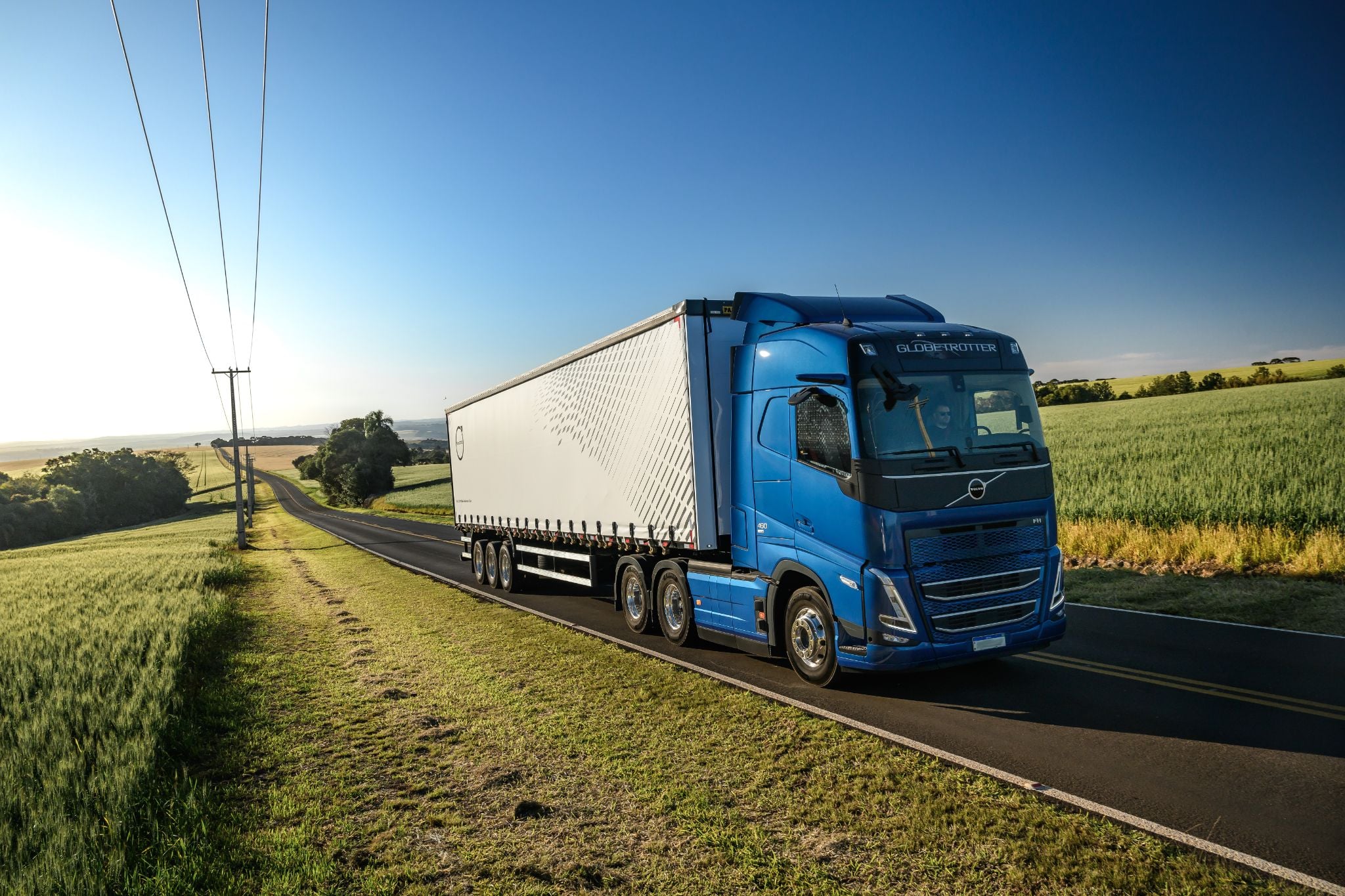
You know when you’re on a highway behind a truck, a slope starts and it practically stops? As they are heavy, the inclines greatly affect the pace and the driver needs to reduce at the right time so as not to lose too much momentum.
Currently, almost all road trucks have an automated transmission, with a few exceptions. The operation is similar to that used by cars, with actuators activating the clutch and changing gears.
Volvo launched the I-See in 2014, which integrates the box with GPS. This lets the truck know that there is a relief change coming or a curve, already advancing gear changes.
That way it starts to accelerate before the hill and downshifts to keep pace. When descending, it uses the freewheel to gain speed and the engine brake to hold the truck without needing the service brake.
Volvo says that the I-See achieves savings of up to 3% in diesel consumption. A similar technology is present in Rolls-Royce cars for a different reason: they do not have sequential mode or butterflies for manual shifting.
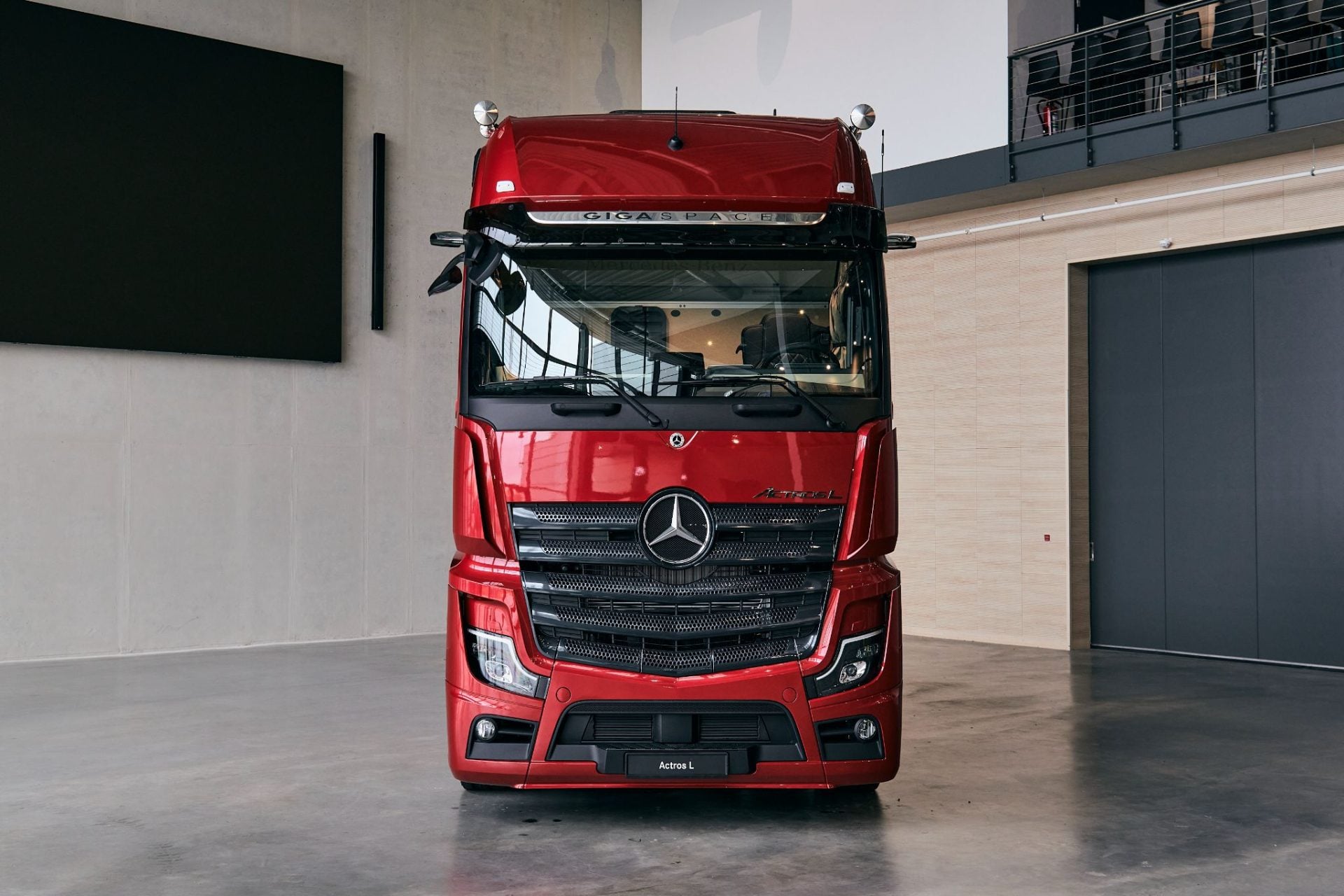
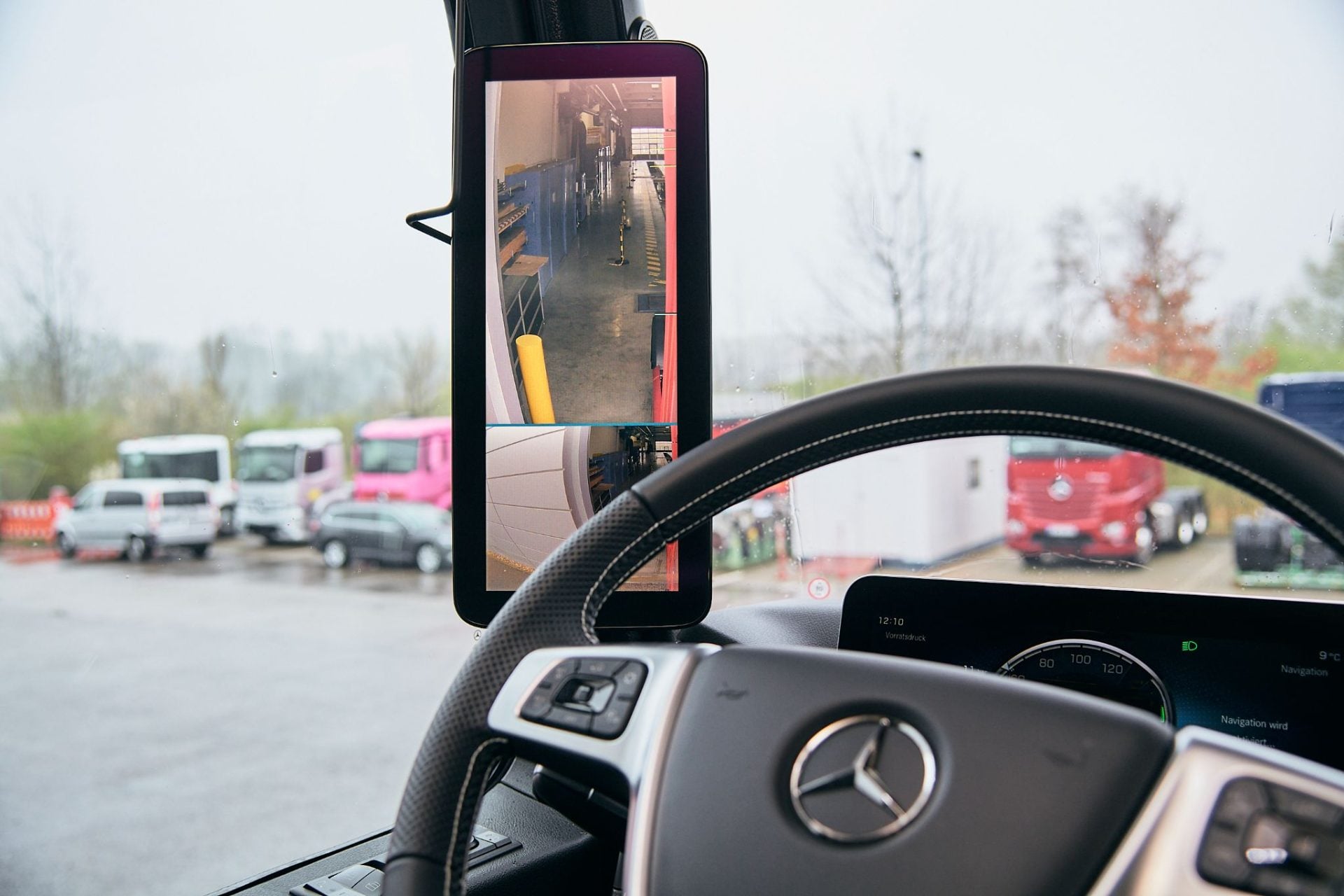
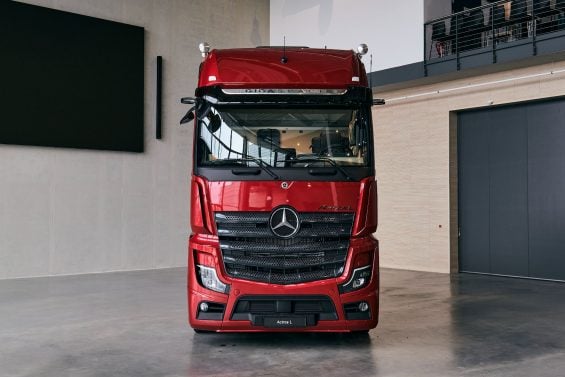
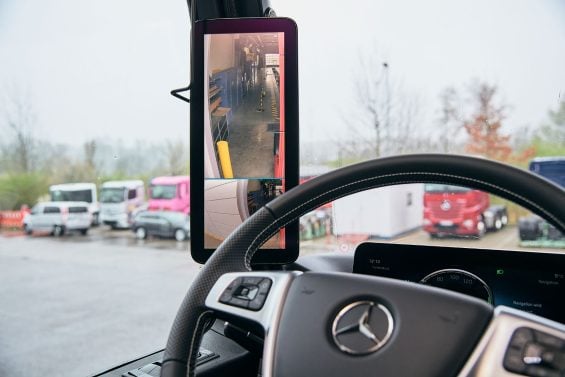
For decades, concept cars used cameras instead of mirrors, arguing that it was better for aerodynamics. This only hit the streets in 2018, with the Mercedes-Benz Actros, which preceded the Lexus ES 300h sedan.
In trucks, this digital rearview mirror helps reduce aerodynamic drag and also removes a large blind spot. The driver consults through two screens, one in each front column.
In the US it is not allowed to have only the digital rearview mirror, but some brands offer it without removing the mirrors. In Brazil, the legislation is like the European one, but this option is not so popular.
The Volvo car division began adopting autonomous emergency braking in 2008, in the XC60. The FH truck won this feature in 2012 and a video of it going into action went viral.
A child crosses the highway behind a bus and was saved thanks to the electronic assistant that applied the brakes at full power. This was a better proof of the efficiency of the system than the fair by the car division, where an S60 crashed during a presentation to the press and on another occasion an XC60 ran over a brand executive.
Modern trucks already have more ADAS systems, such as adaptive cruise control with stop and go, blind spot cameras, headlights with automatic beam control and lane keeping assistant.
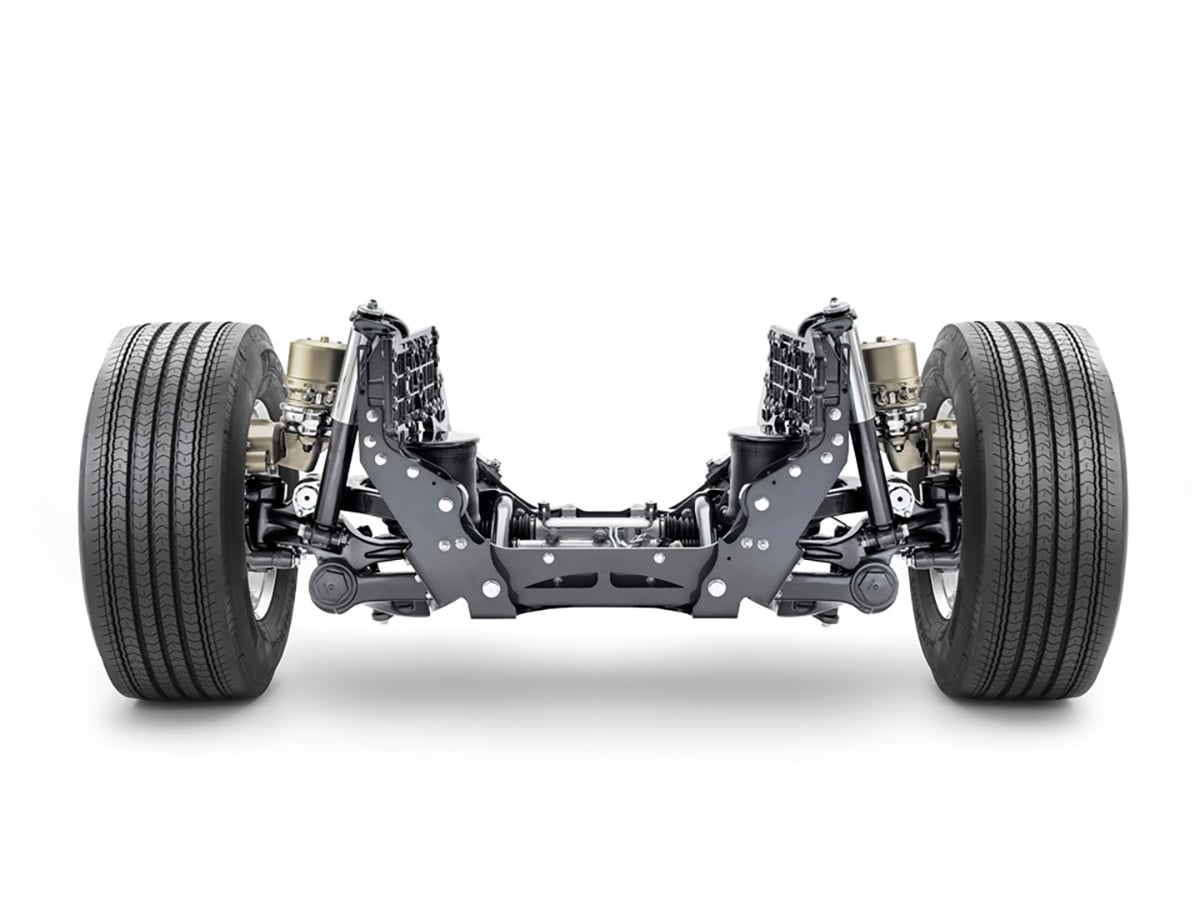
The current generation Volvo FH, launched in 2012, debuted the first independent front suspension on a road truck. This innovation was only in Europe, in Brazil the offer was only of the rigid axle with parabolic springs.
The premise of the independent suspension is to improve the handling and comfort of the truck. It works together with a rack and pinion steering system, with more direct responses.
Outside this segment of tractors, we already have some light trucks with independent front suspension, such as VUCs. The Volkswagen Delivery Express has this configuration in the lighter versions that can be driven with a category B driver’s license.
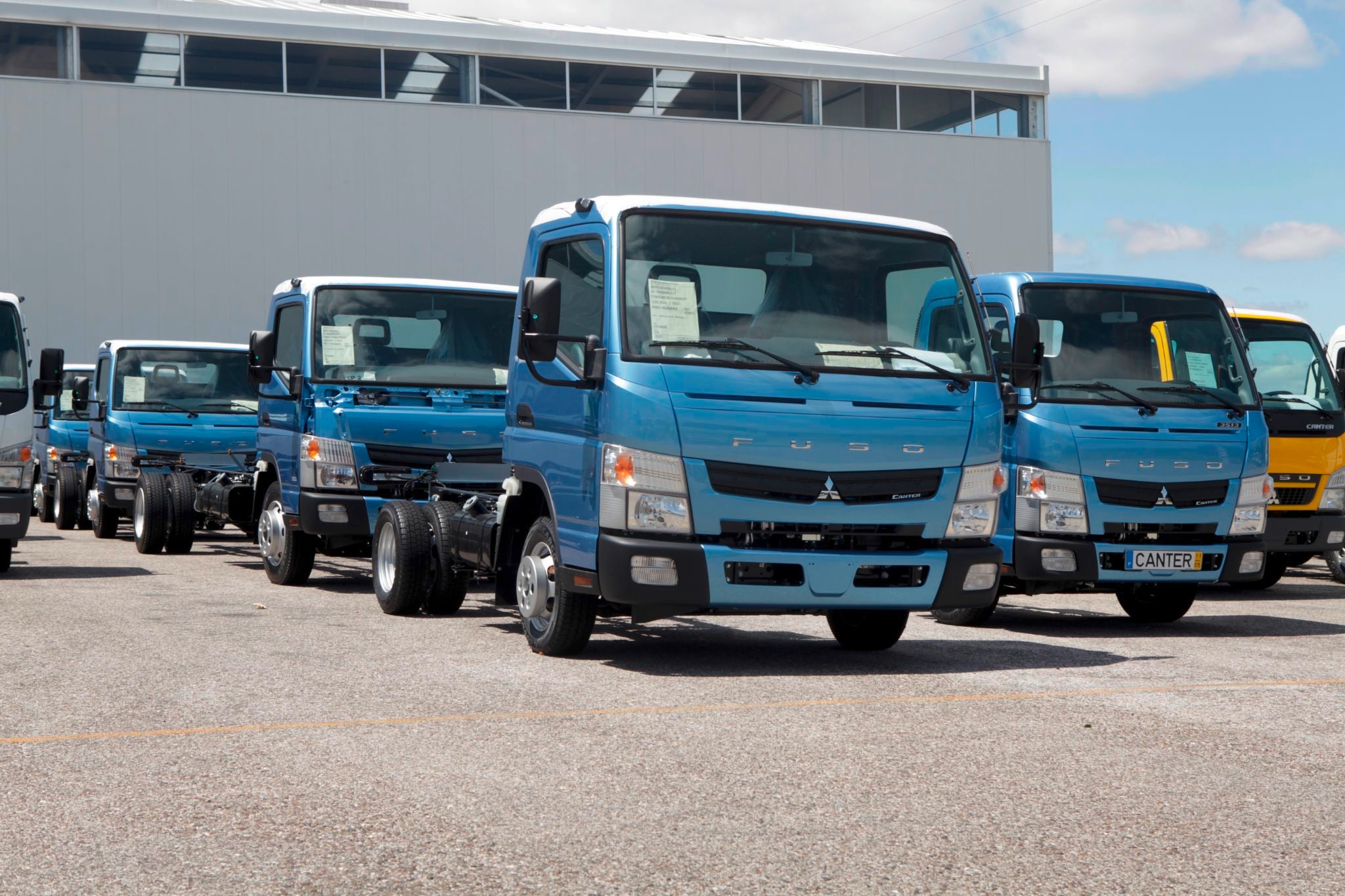
On-highway trucks use single-clutch automated transmissions. They work efficiently for this professional use, but there is a delay between gear changes.
The Japanese Mitsubishi Fuso presented in 2010 the Duonic dual-clutch gearbox. Its operation is like that of cars: one axle has even gears and the other odd gears, each with its own clutch. At the time of change, these clutches change.
Volvo took this concept to its heavy-duty trucks with the I-Shift DCT in 2014. The advantage of quick shifts is that there is no loss of speed during changes and also helps with fuel economy.



