Driving addictions can end up affecting your pocket, especially for those who drive a lot in the city every day
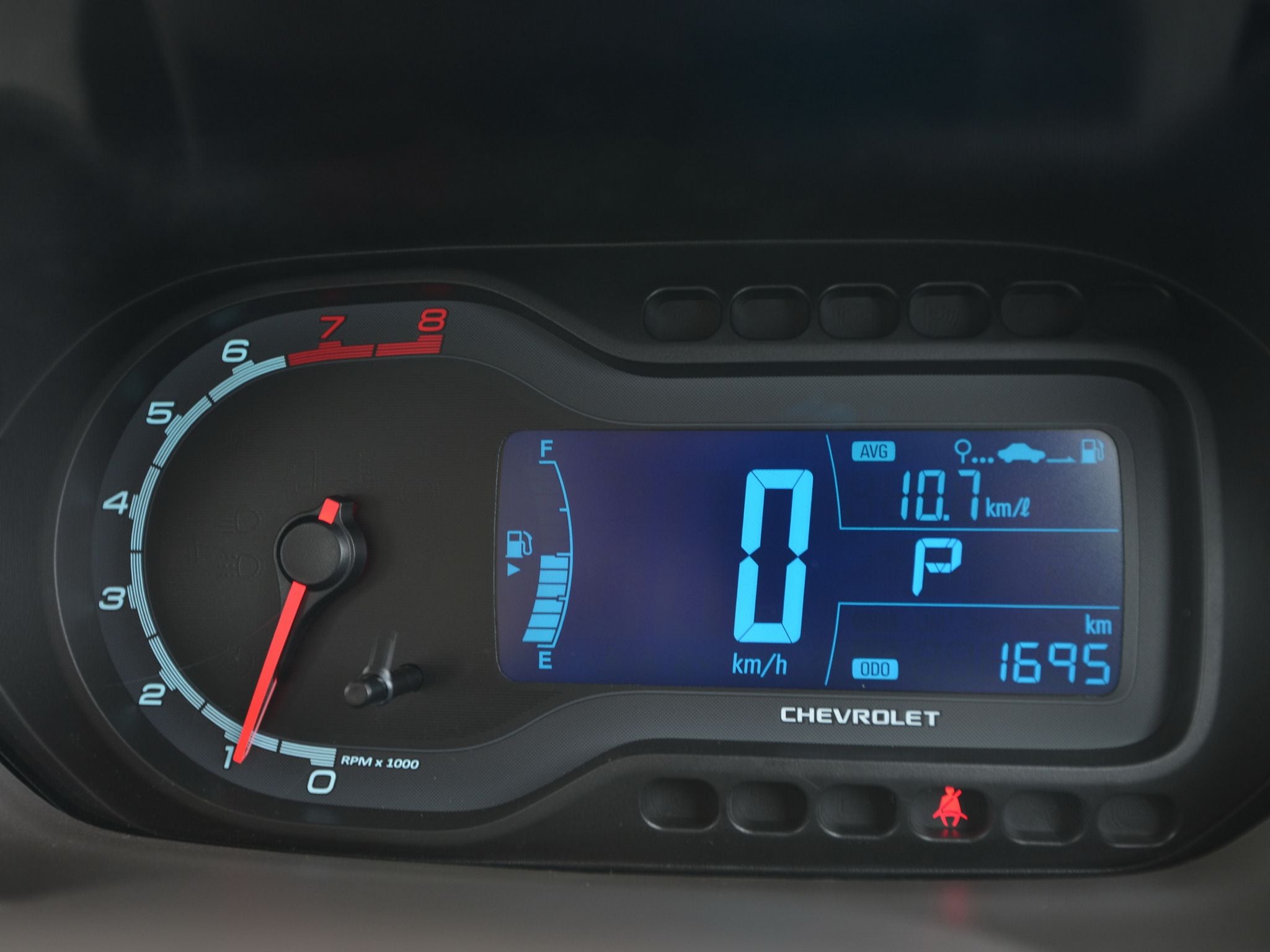
Many drivers blame high car consumption on all sorts of factors, but the cause may lie with who drives. The consumption averages presented by the car are a direct reflection of how it is driven, its state of maintenance and the conditions in which it runs.
It’s no use having a car that did well in standardized consumption tests and driving it aggressively in traffic. The lack of control on the right foot will end up affecting your pocket.
SEE ALSO:
We list below five driver habits that can increase the car’s fuel consumption. If you commit any of these, it is worth re-educating yourself, your pocket and car will thank you.
We can’t control city traffic and we know how stressful it is to spend hours walking-and-stopping. But you need to stay calm and stay smooth behind the wheel to spend less in this situation.
Did you see that the light ahead is going to close? Release the accelerator and reduce speed little by little, you can even use the engine brake if possible. Has the signal opened? Accelerate gently, there’s no point in stepping on the metal knowing that you’ll have to brake in a few meters.
It is also important to anticipate the route: if you need to exit to the right in a few meters, stay in the appropriate lane. Those who leave to change lanes or take a last exit may need to accelerate to catch a gap. In addition to spending more, it is dangerous and can cause an accident.
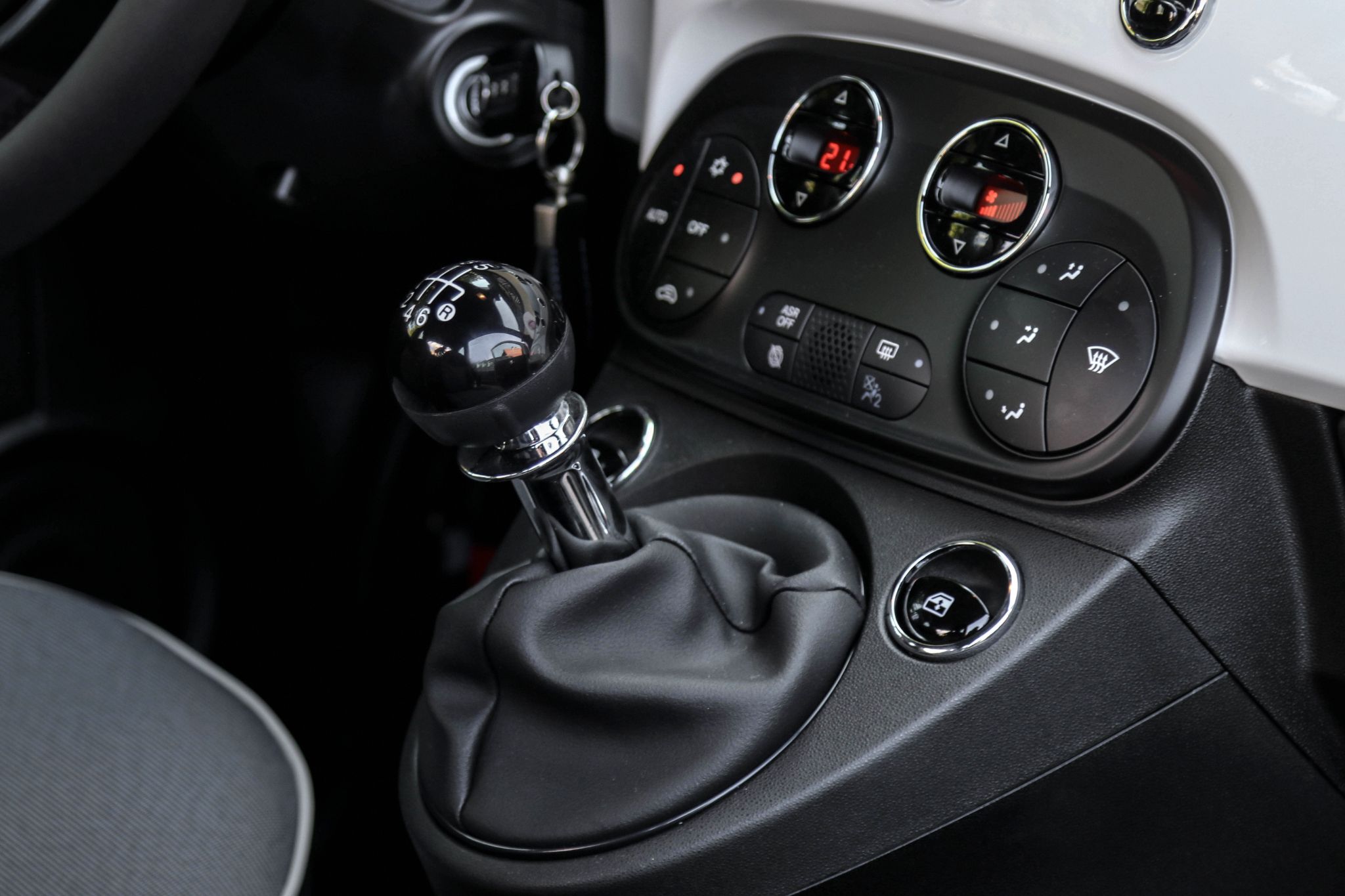
This tip is more aimed at those who have a car with a manual transmission. To have more economy, it is necessary to change gears at the most efficient revs, postponing or delaying causes different problems.
Changing gears too early and forcing the engine at low revs may seem like you’re saving money, but the opposite is true. The car will inject more fuel to be able to spin more or it will require a downshift to keep pace.
Delaying shifts, on the other hand, means working at high revs, which is also more consuming. In this case, it takes practice to get the time to change gears right without letting the car lose steam.
In the past, when cars used a carburetor, it was more economical to leave the gearbox in neutral to gain speed on descents. Today, with electronic injection, the situation is different.
When you go down disengaged, popularly known as “toothless”, the car continues to inject fuel to maintain idleness. If it is engaged, the injection computer will not provide fuel, because the movement of the wheels is keeping the engine turning.
That is, with the car engaged you will spend less fuel. In addition to saving, you will also have the engine brake, saving the service brakes on long descents and avoiding fading.

Stop by the station closest to home to calibrate your tires every 15 days. It sounds like a bummer, but always running at the pressure recommended by the manufacturer will help you spend less on fuel.
If you can, buy a calibrator to do this at home, it helps save money if the stations in your city charge for the air. The ideal is to always do this service with cold tires.
Running with low tire pressure increases drag, requiring more force to move the car and, consequently, increasing consumption. This also makes wear uneven, shortening the life of the tire.

Have oil changes, filters, valve adjustments, spark plug changes and other services won? Do not delay and do it within the deadline, otherwise the losses will only increase.
Let’s take the air filter as an example. When it is saturated, the flow of air going to the engine is impaired and increases consumption. And the piece costs less than R$ 70.
Running on old oil can increase wear and tear on internal parts. Bad spark plugs cause an incomplete burn of the fuel. Insisting on running this way can result in breakdowns.
To spend less, the car needs to have the engine up to date. Not only will you save fuel, but you will also save trips to the workshop outside of preventive inspections.



