These five cars will complete 30 years of launch in 2026, and will be able to receive this desired certification if they are original
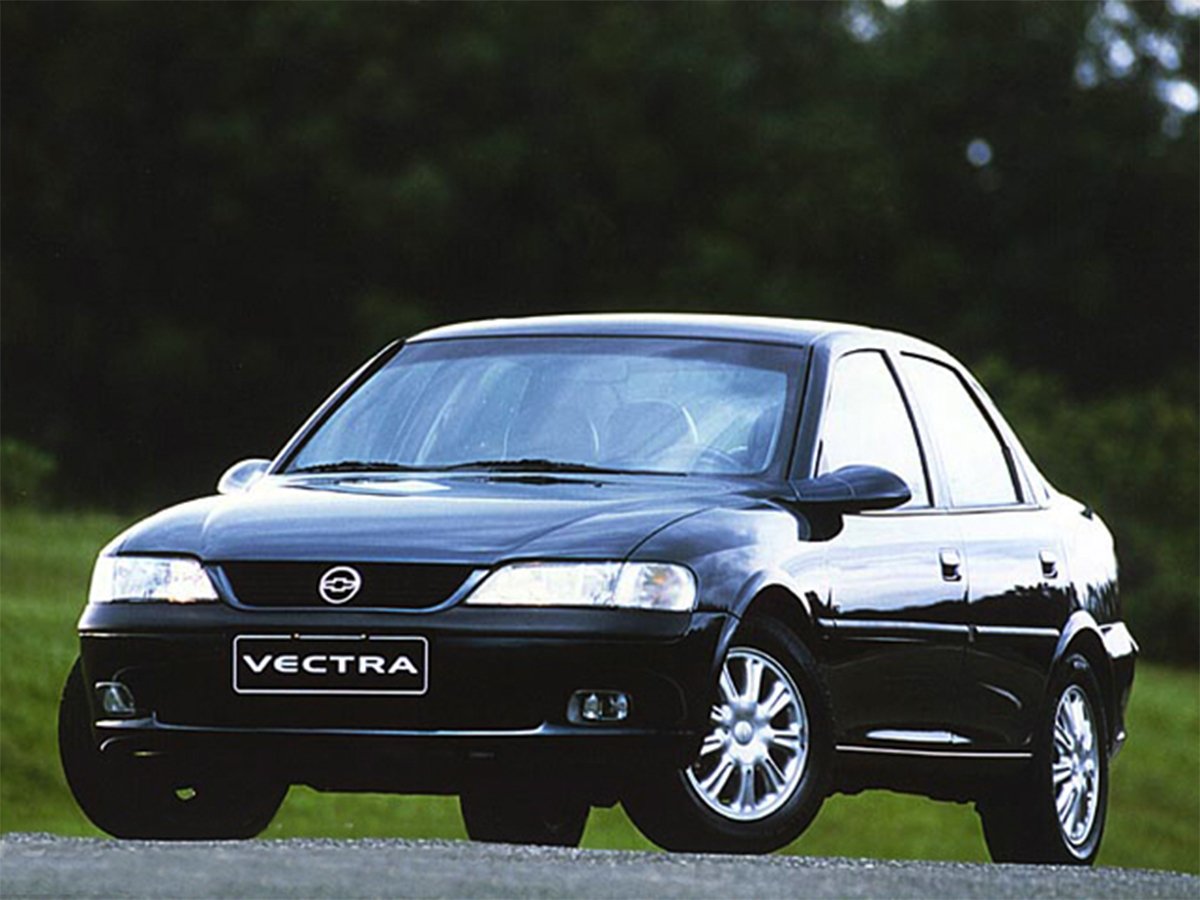
The black plate was born as a “historic tip” of cars aged 30 and over. To have this, you need to have a high level of originality, attested by a club. In 2026, cars made in 1996 will be able to receive this certification.
For many it is still strange to see the cars of the 90s with the black plate. At that time, national cars evolved a lot, we started to receive imported ones and new factories were installed in Brazil.
SEE ALSO:
In 1996 there were two iconic launches coming from traditional brands: the Fiat Palio and the Chevrolet Vectra. They were global models that made an impact in their respective segments. They and other models can now receive the black plate, check it out:
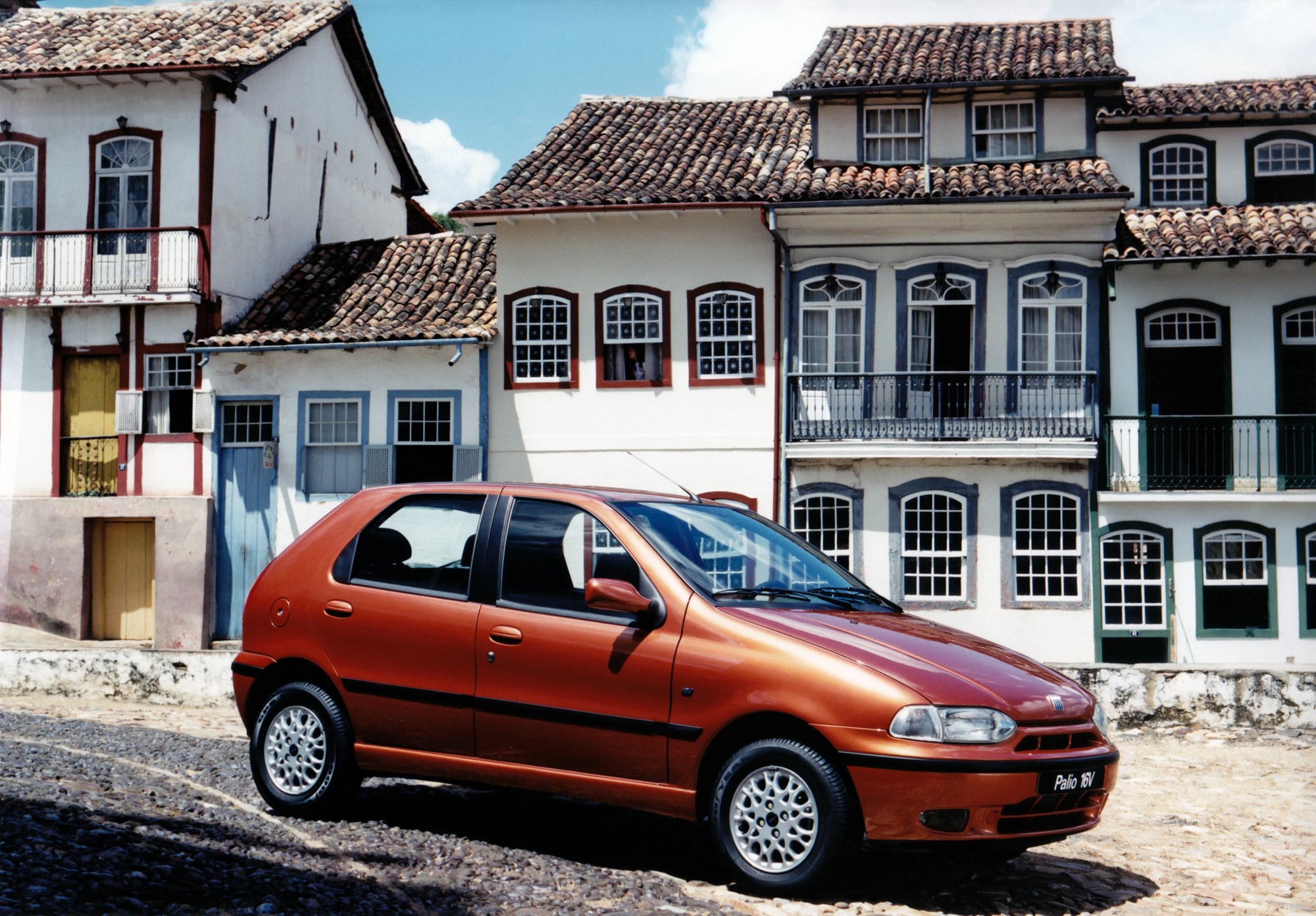
Fiat’s first car in Brazil was the compact 147, launched in 1976. The brand took time to get into gear in the market, it became a success after the arrival of the Uno, in 1984.
It arrived just a year after the global launch, marked by the modern lines signed by Giorgetto Giugiaro and the interior space. But in the 90s the competition was already modernized: Chevrolet had the Corsa and Volkswagen already had the second generation of the Gol.
Fiat succeeded the Uno with the Punto in Europe in 1993, but for Latin America and Africa it created a dedicated and more robust model: the Palio. His project had Brazil as one of the main focuses and the platform was the same as the Punto.
The global launch of the Fiat Palio was in April 1996, in the historic city of Ouro Preto (MG) — the same stage as the launch of the 147. The Palio arrived with a wide range, with 1.0, 1.5 engines. 1.6 8v and 1.6 16v, all with electronic injection. The bodies were two- or four-door, while the rival Gol only had the first type.
The Fiat Palio can be considered the first competitor to the Chevrolet Corsa in the 90s, as it also had a modern platform. The Gol used an evolution of the architecture of the first generation, from 1980 and with a longitudinal engine.
Fiat offered a wide range of options and accessories for the Palio. A rare combination, but one that has already been found, is the 2-door body, with the 1.6 16v engine and the factory sunroof. He also had a very flashy color palette.
But because it is a robust and popular car, it is difficult to find a first-generation Palio in good condition. Anyone who has one can prepare for the black plate.
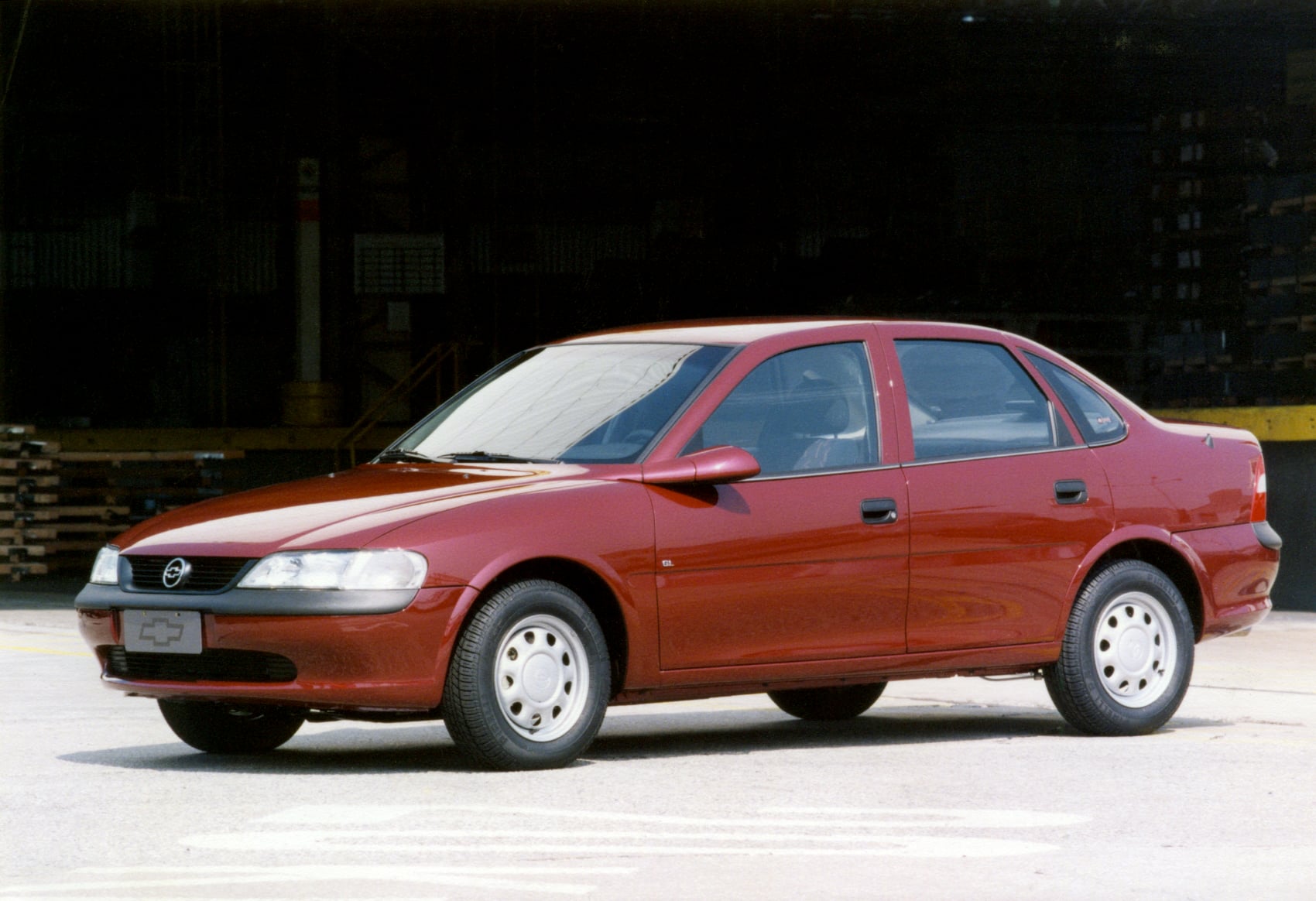
The midsize sedan segment as we know it today, with the Toyota Corolla leading by far, was born in Brazil with the Chevrolet Monza. It arrived in 1983 and was a success, to the point of being the best-selling car in the country for three years.
Like the Fiat Uno we mentioned earlier, the Monza quickly became dated in the 90s with the arrival of more modern competitors. It was sold in Brazil along with its successor, the Vectra, which came as an import and was later assembled here under the CKD regime.
The first Vectra was not a success to the point of retiring the Monza, but Chevrolet planned to launch the second generation to reaffirm its leadership in this segment. It arrived in 1996, just a few months after its presentation in Europe and already with national production.
The second-generation Vectra is a beautiful car to this day, it was the first national with dual airbags and multilink rear suspension. Under the hood was the well-known 2.0 Family II engine, in 8 or 16-valve versions.
It arrived in line with imported models and showed how much national rivals, Fiat Tempra, Volkswagen Santana and Ford Versailles, were outdated. In some ways it aged even the bigger brother Omega, which was a project from the 80s and owed some equipment such as airbags and traction control.
The first vintages of the Vectra are considered the best by fans, as it has some equipment that was cut in the following years and for the 2.0 16v yielding 141 hp. It was tamed to 136 hp in the following years and later gave way to a 2.2.

Ford seems to have been forgotten when it comes to popular cars. It had the Escort Hobby, which was a generation behind the rest of the line and still used a carbureted engine, while Corsa, Palio, Uno and Gol were a generation ahead and already with electronic injection.
It was updated with the national Fiesta, launched in 1996, a year after the European one. It had a design as modern as the Palio and the Corsa, but under the hood was the old-fashioned Endura-E engine, derived from a 1959 engine and with in-block control.
The only version with a modern power plant was the top-of-the-line CLX 1.4 16v, with the Zetec SE. As the volume versions were below average, the Fiesta did not stand out in this new phase of national compacts.
Despite all these regrets, the Fiesta 1.4 16v was a good car to drive and well finished. Whoever puts a black plate on one will stand out in the meetings.
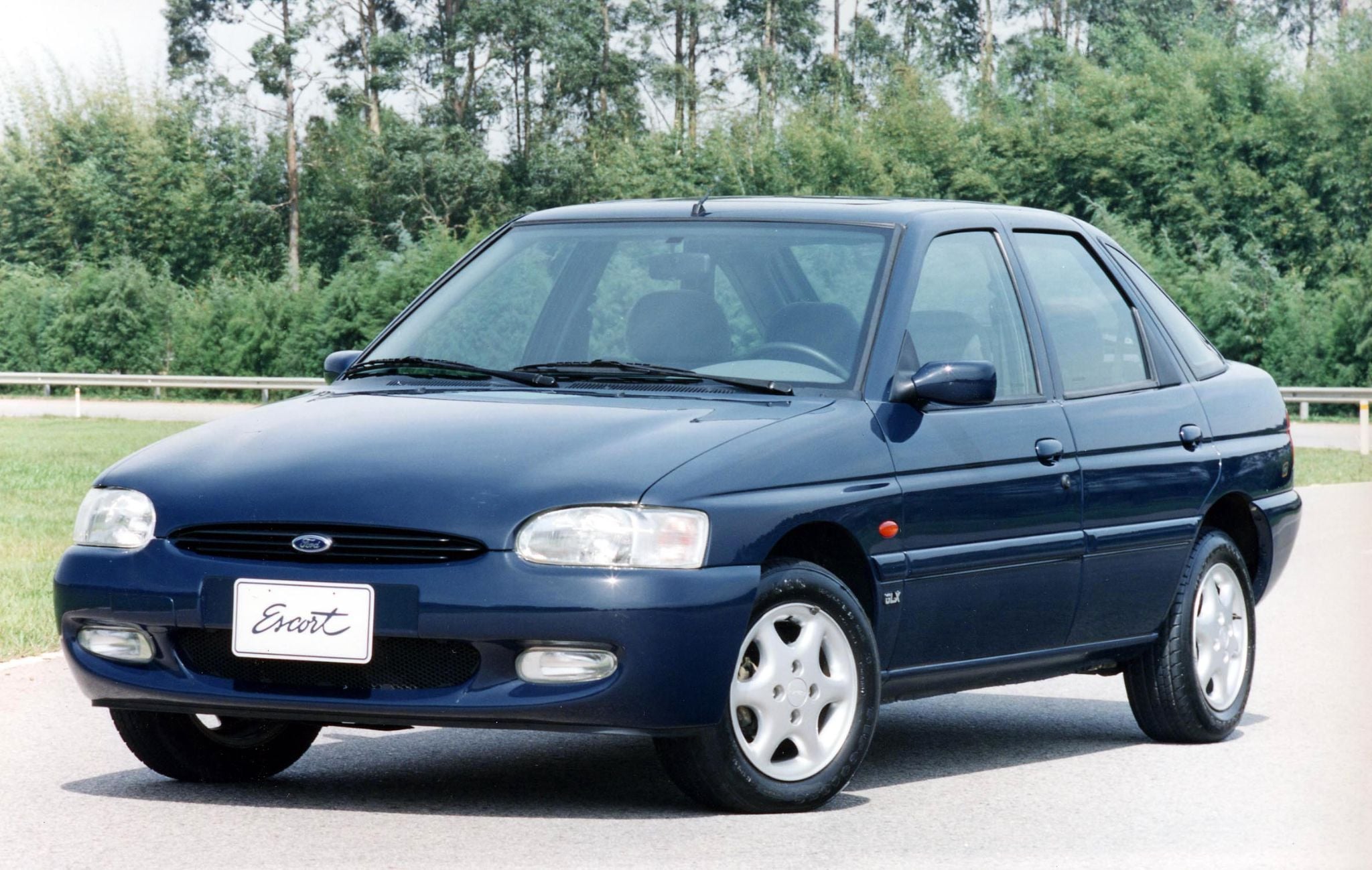
Another major 1996 launch at Ford was the latest generation of the Escort. With the nationalization of the Fiesta, its bigger brother began to be made in Argentina.
The sixth-generation Ford Escort still had a lot in common with the previous one, but the design was more rounded. The AP and CHT engines were retired, in place came the modern 1.8 16v Zetec, imported from England and made of aluminum.
This set put him in a better situation to compete in the midsize car segment. The biggest compliments came for the performance, the 115 hp of the Zetec vigorously pushed the 1,180 kg hatch.
The Escort Zetec had no sports versions in 1996, only the GL and GLX. At launch, the bodies were always hatchback, with two or four doors, later the sedan and the station wagon would come.
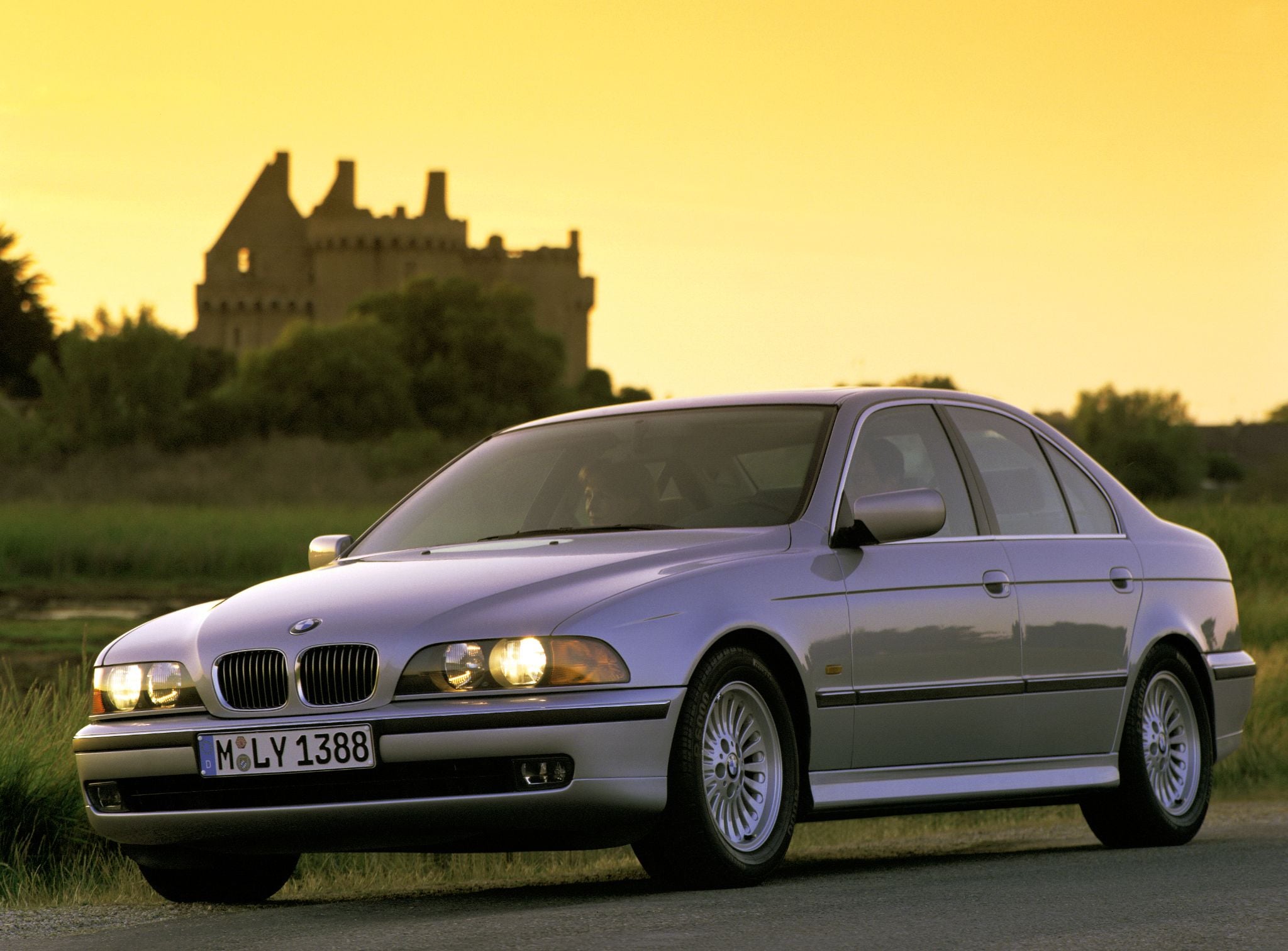
Of the imported cars that were launched in Brazil in 1996, the one that caught our attention the most was the BMW 5 Series E39. This is the fourth generation of the luxury intermediate sedan and for many it is considered the most beautiful ever made by the Bavarian brand.
This generation was launched in Germany in 1995 and arrived in Brazil the following year in two versions: 528i and 540i. The first had a 2.8-liter six-cylinder in-line engine with 193 hp, the transmission could be manual or automatic. The second had the 4.4 V8 with 286 hp and automatic transmission.
The BMW E39 was the first 5 Series with rack-and-pinion steering, only in the six-cylinder models, and used more aluminum in its construction. For a used luxury car, it is not the most complicated to maintain, as it predates the profusion of electronic features that came in the next generation.
The “problem” is that it is increasingly difficult to find one that has not been modified for lower prices or that is not armored. If you find it, it’s worth the expense because you’ll have a nice car, good to drive and with a black license plate.



