Advances in the aeronautical industry helped improve passenger cars, with several features that are now present even in popular models
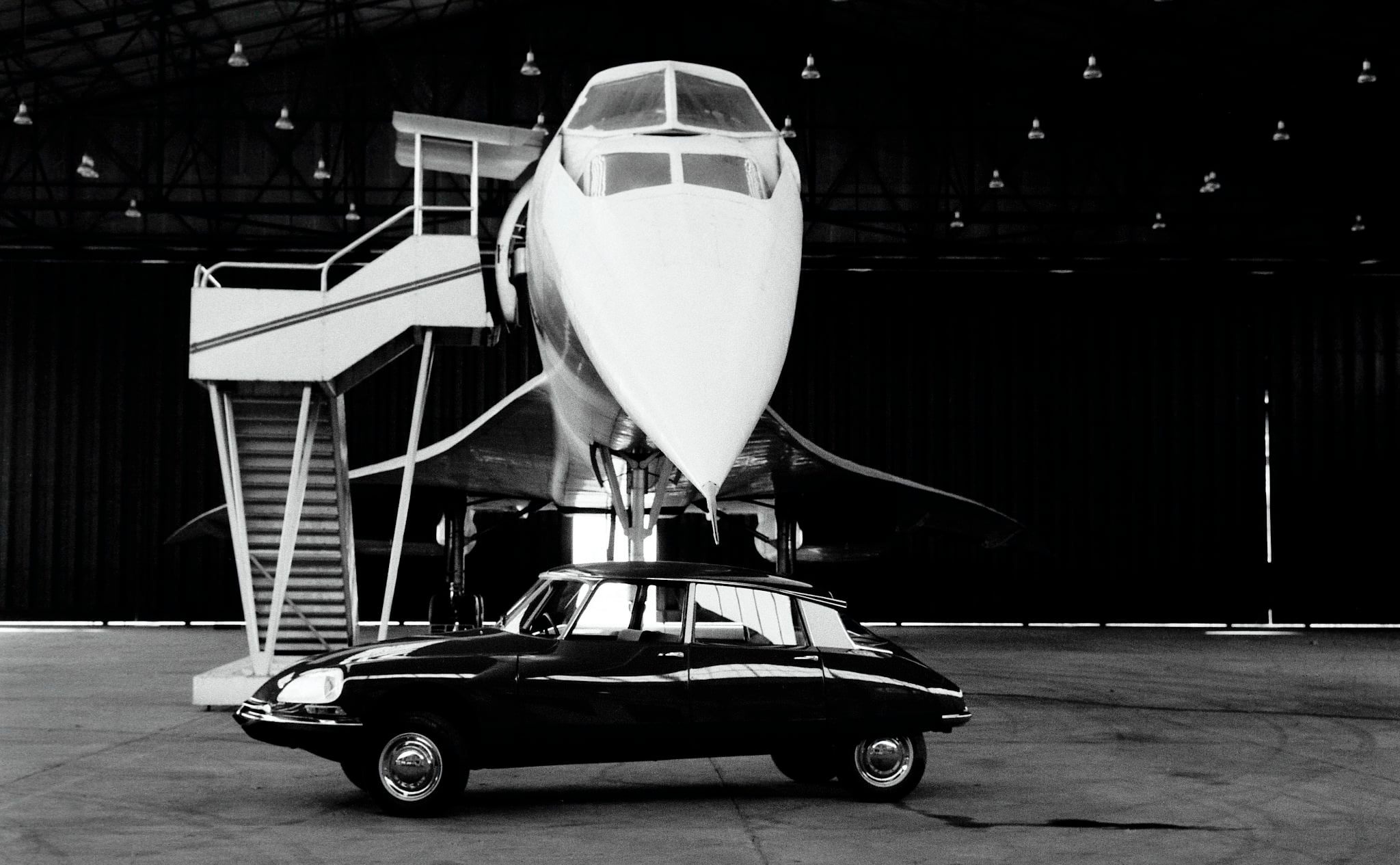
The aviation industry often meets that of cars. There are brands that operate or have worked in both branches, such as Saab, BMW, Mitsubishi and Ford, for example. However, the most common are technologies that are born in one area and go to another.
Santos Dumont’s 14-Bis, the first plane in history, used a V8 gasoline engine similar to that of cars. To this day there are small aircraft that use automotive engines, Viking Aircraft Engines converts units such as Honda’s 1.5 and 1.8, Mitsubishi’s 1.2 and Chevrolet’s 1.2 turbo for this purpose.
SEE ALSO:
But here the subject is the technologies that came from airplanes to cars. Even a popular car already has some of these features.
Planes land at high speeds and need to stop safely. That is why some of the great advances in brakes came from the aeronautical industry.
The first example of this is in disc brakes, which began to appear in 1940 on German Arado Ar 96 military aircraft. They were quickly adopted by Tiger tanks, as they were more efficient than drums.
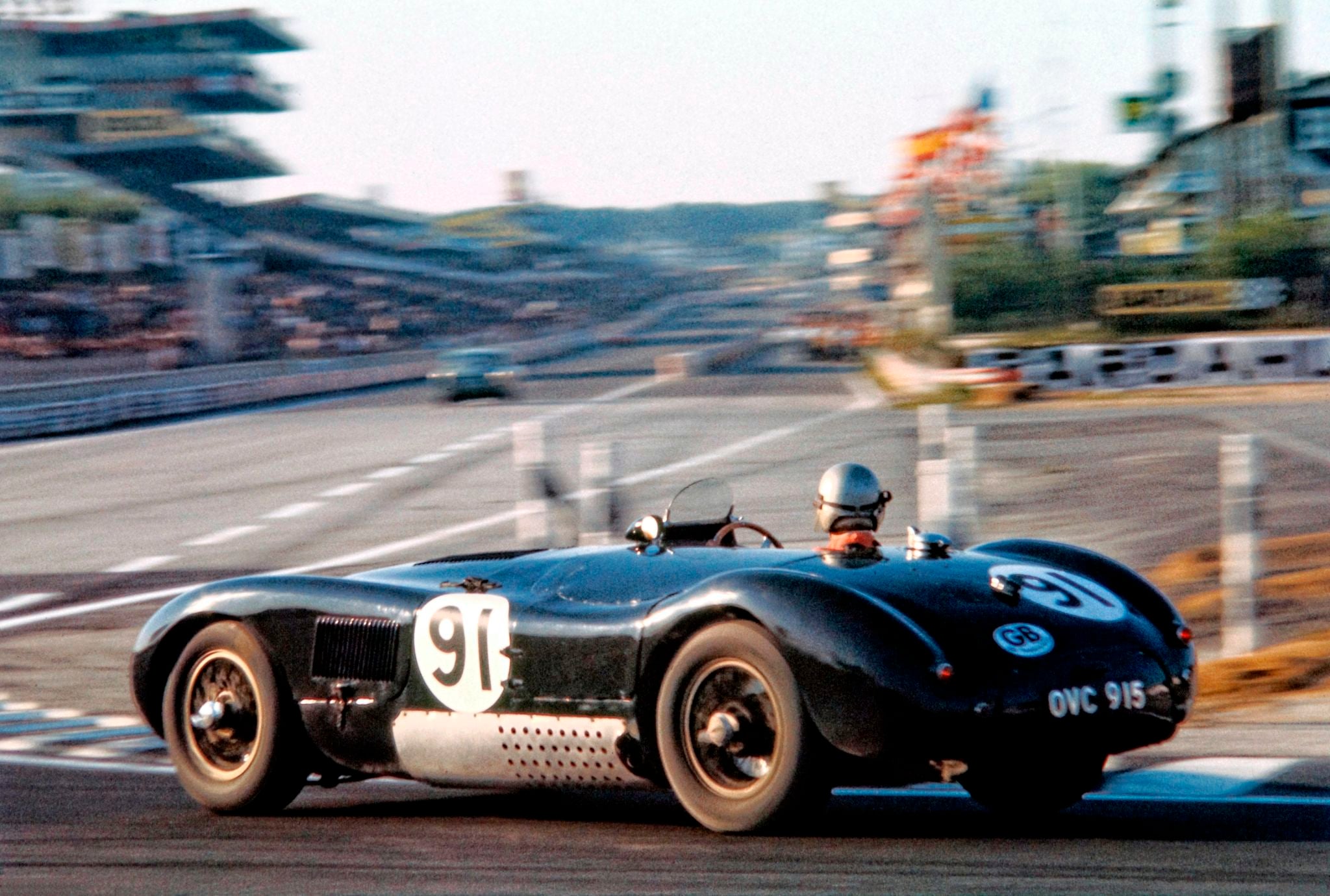
The first production car to use disc brakes was the North American Crosley Hot Shot, in 1949. But this technology coming from airplanes was only popularized after Jaguar used it in the C-Type that raced in the 24 hours of Le Mans. Greater resistance to fading helped the British brand defeat the Mercedes-Benz 300 SL.
Locking the wheels during braking increases the space needed to immobilize the vehicle and also wears out the tires more. In airplanes, these problems are more critical.
ABS prevents the brakes from locking up, allowing for the highest possible braking force before this lock. The first system of its kind was the Dunlop Maxaret, which entered the market in the 1950s.
It was first adopted by airplanes. At the time, it was common for the pilot to apply the brake a few moments after touching the runway, to ensure that all the weight of the aircraft is already supported on the wheels and avoid locking. With the introduction of ABS, they started to brake as soon as the touch occurs.
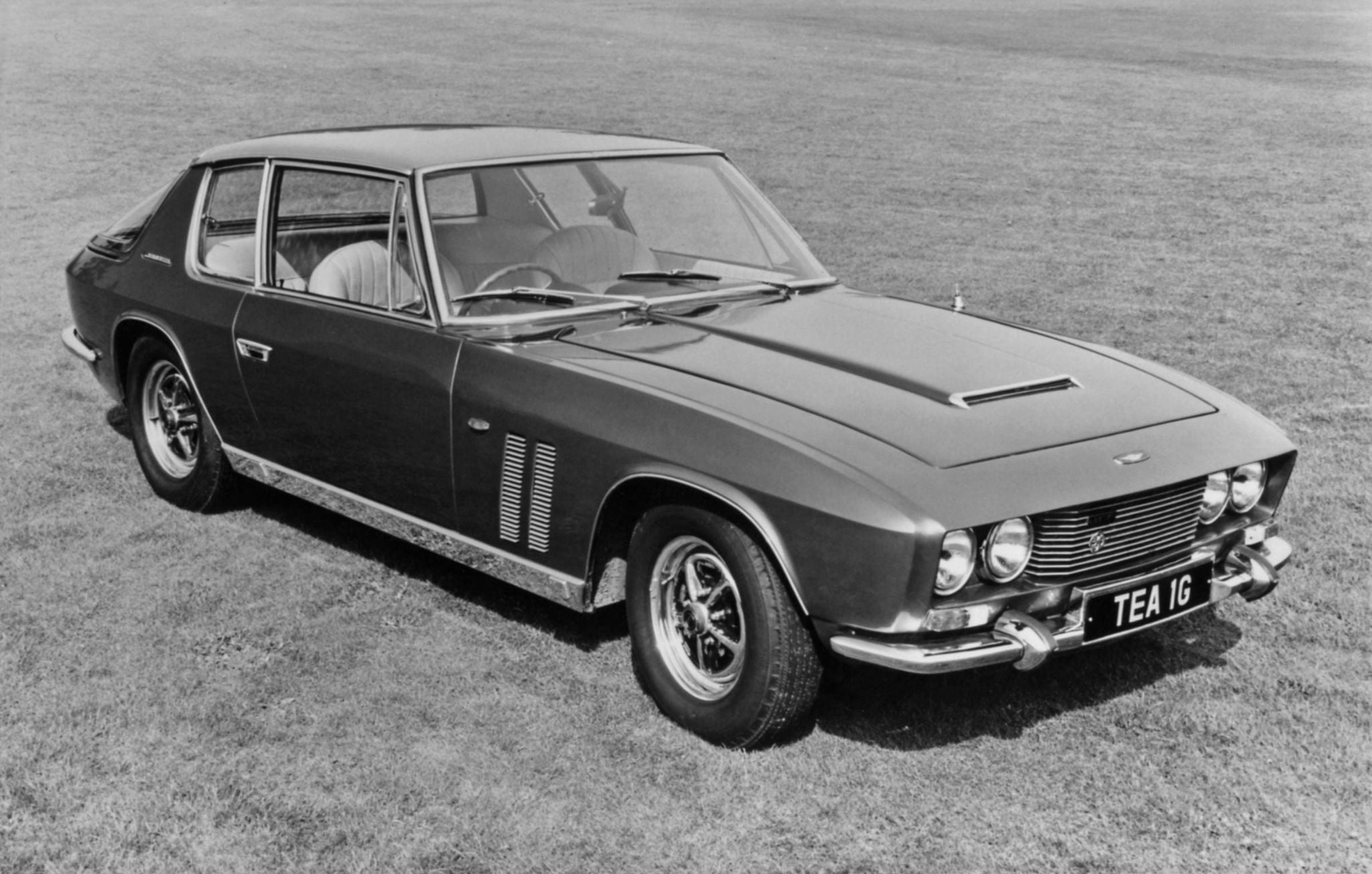
The use of anti-lock also brought more safety on rainy days and other conditions that reduce grip. The Dunlop Maxaret was used in a car, the Jensen FF, which was also the first with all-wheel drive. This aeronautical system was also adopted in semi-trailers.
The naturally aspirated internal combustion engine, also called atmospheric, loses power with altitude. This is because oxygen becomes thin and this element is essential for the combustion of the fuel.
In cars this is already felt when going down a mountain, the engine responds better to sea level. In airplanes it is aggravated because they work at higher altitudes than cars.
Before World War II, it was common to use the mechanical compressor in cars and aircraft to give more power and compensate for the effects of thin air. This system is touched by a mechanical link between the compressor and the crankshaft, stealing power from the engine. That is, even helping him is not the most efficient form of supercharging.
The turbocharger appeared during World War 2, with the American Boeing B-17 Flying Fortress bomber. It uses the gases coming out of the exhaust to touch the turbine rotor, compressing the air going into the intake.
In this way, there are no parasitic losses as in the mechanical compressor. The turbo quickly became popular in piston aero engines after the success of the B-17.
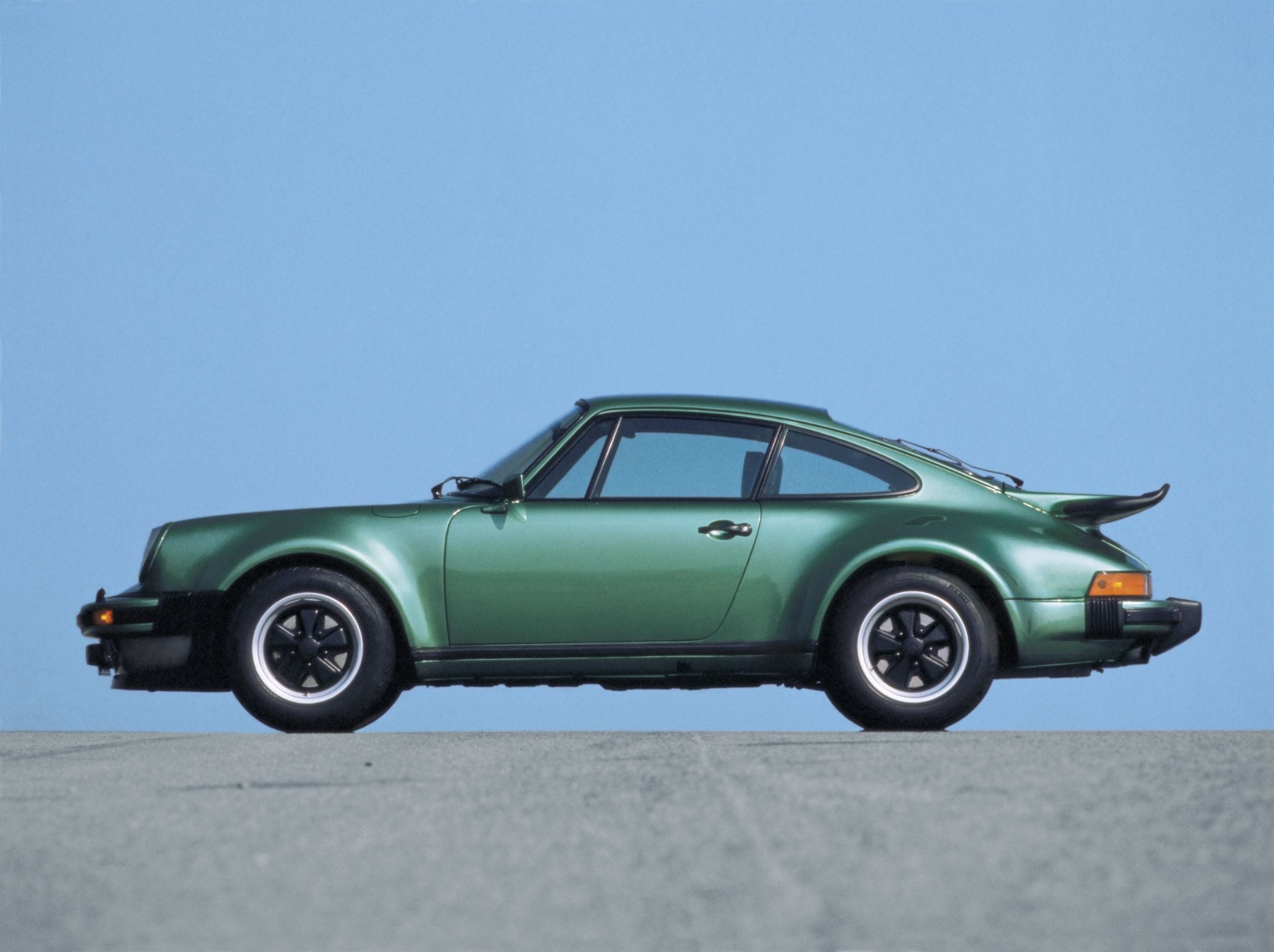
The first passenger car to use the turbo arrived much later, it was the Oldsmobile F-85 Jetfire of 1962. It was not successful and lasted only two years, this technology was only popularized in the following decade with the Porsche 911 Turbo and the Saab 99 Turbo.
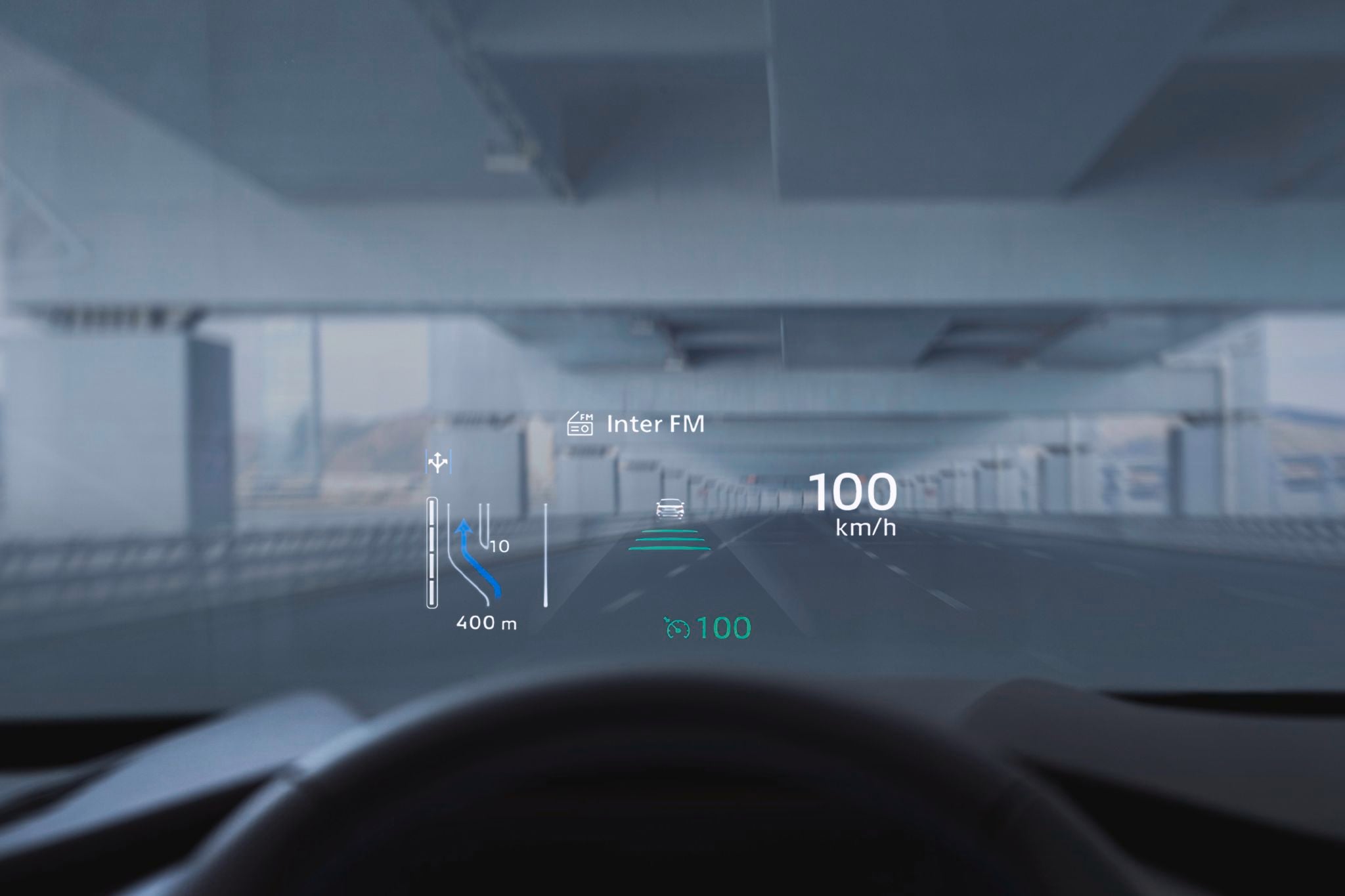
Looking away from the instruments can cause fighter pilots to lose precious seconds in combat. It was with this thought that the head-up display was created, to project the most important information in the field of vision.
The first airplane to fly with this technology was a prototype of the Blackburn Buccaneer, in 1958. Until the 70s, the head-up display was used only in military aircraft, until it began to be adopted by commercial aircraft.
In the world of cars, the first to use this technology from military aviation was the Oldsmobile Cutlass Supreme in 1988. At first it only showed speed, today the head-up display displays GPS information, music and other functions.
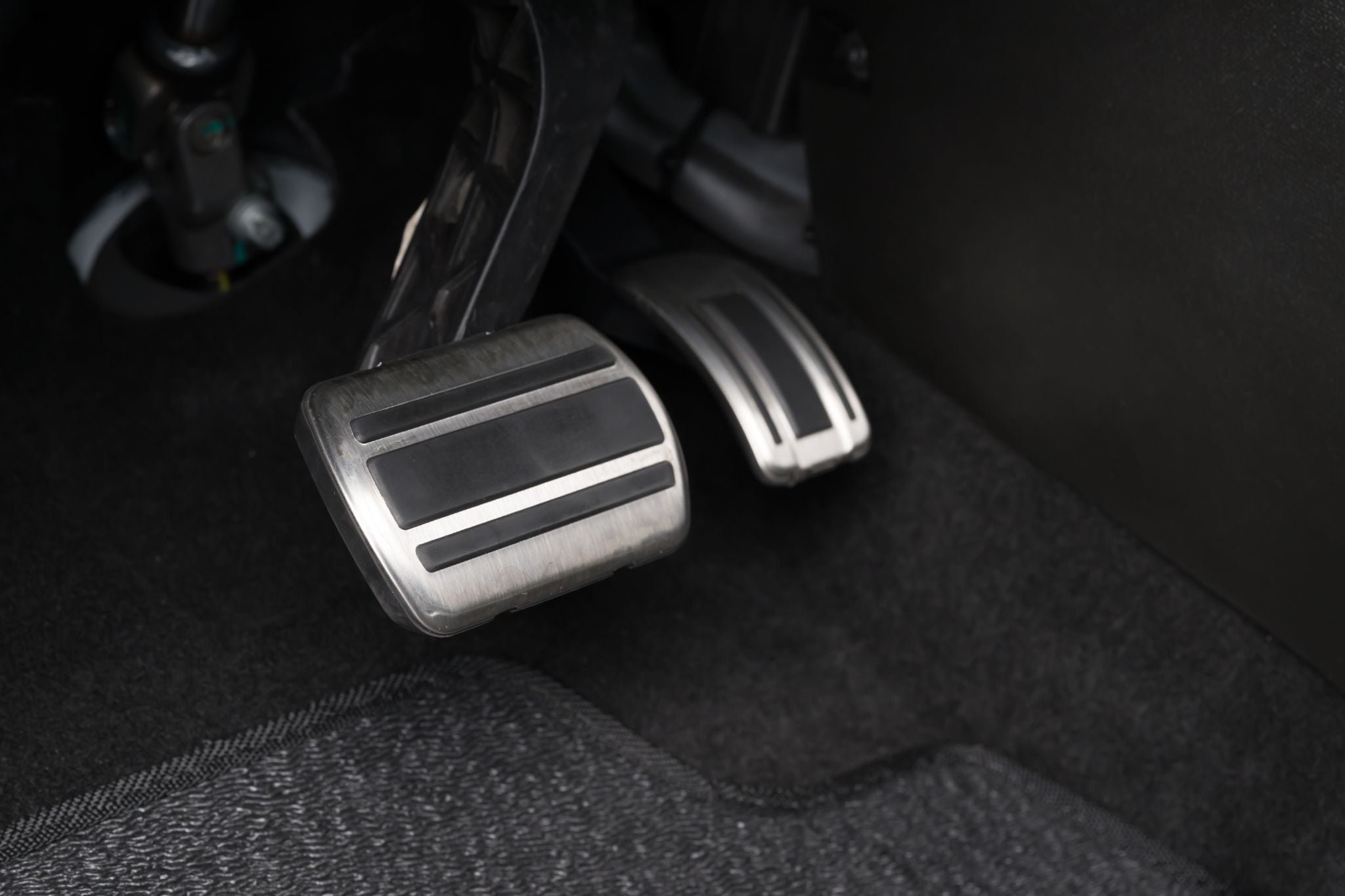
Moving the joystick on an airplane drives several hydraulic actuators until the movement is replicated by the ailerons. This system was simplified by fly-by-wire, with the cockpit controls emitting electronic signals to the components.
This reduced complexity and enabled new functions such as automatic motion correction and reduced effort. This technology began in military aircraft, the first commercial aircraft to use fly-by-wire was the Airbus A320 in 1988.
The automotive version is called drive-by-wire and started with the electronic throttle. It swaps the cable that goes from the pedal to the throttle body for a position sensor and an electronic actuator.
In the last decade, the electronic brake has appeared, with no physical connection between the pedal and the brake booster. Infiniti, Nissan’s luxury division, created a steering wheel with no physical connection between the steering wheel and the rack. It has a steering rod that can be activated in emergencies.
Tesla was the pioneer in making a system of this type without the steering rod as a redundancy, in the controversial Cybertruck pickup.



