Automakers create solutions to problems that did not exist in the need to make the car look more modern
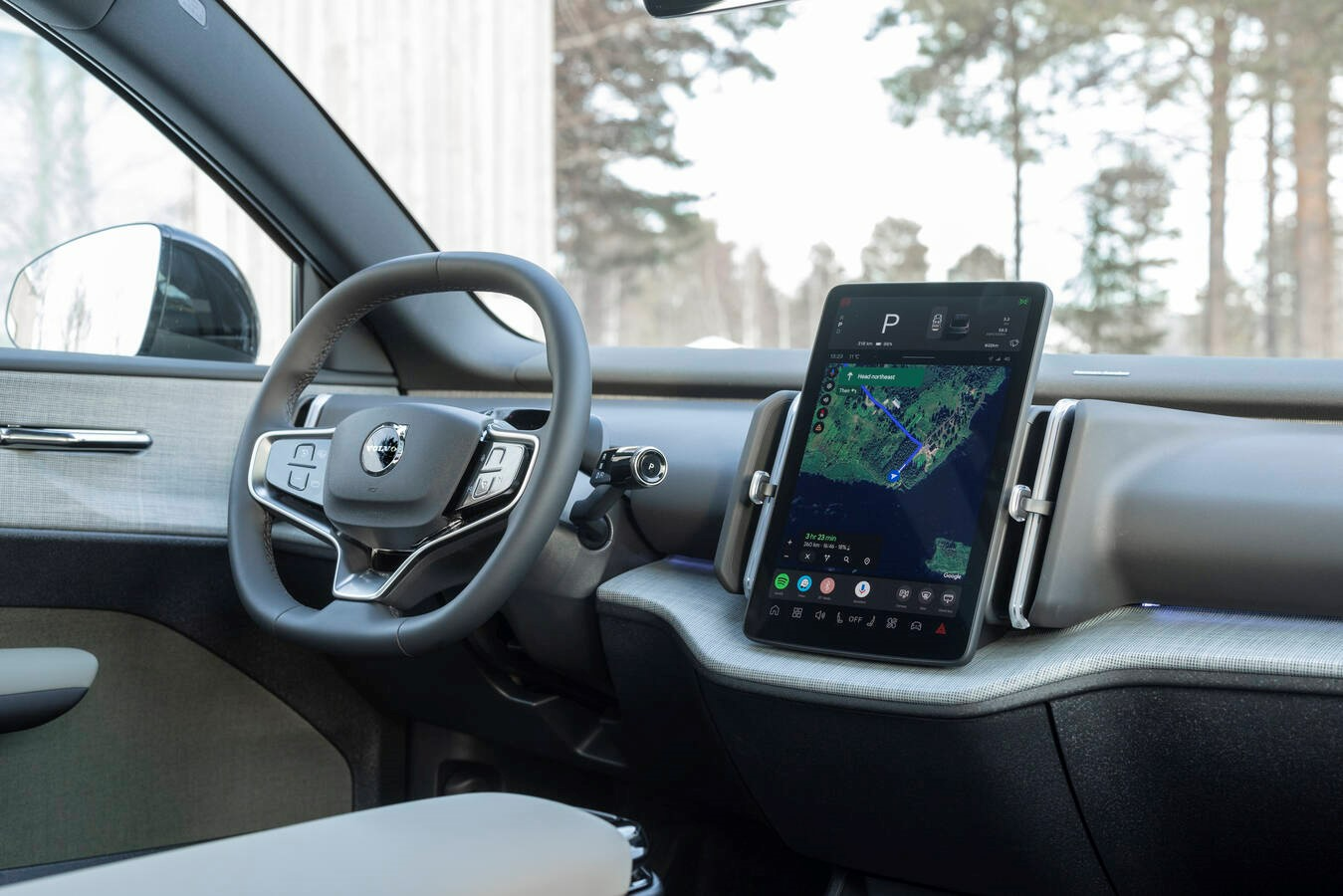
Ergonomics is a subject that should always be taken seriously in cars. The ideal is to access the controls easily and without taking your attention away from traffic. But today this is not always followed, many brands try to reinvent things or put everything on screens to save money.
This is very noticeable in Chinese cars, many have a large multimedia center that commands everything and there are no physical buttons. This gets worse when you have to switch between screens and menus to find something that could be positioned more simply.
SEE ALSO:
We know that it would be impossible to have buttons for everything in modern cars due to the number of functions they have, especially in more expensive models. But the five commands that we are going to list below should not be reinvented.

The ergonomics of the air conditioning controls reached its peak when they started using rotary knobs. They can be operated easily and are suitable for both simple and automatic systems.
In the 2000s, some brands began to complicate things, such as Honda, Ford and Volkswagen with capacitive buttons. They are those keys like those of a microwave, without tactile feedback. Today Nissan jumped on this bandwagon with the new Kicks.
Now the situation has worsened with the air conditioning being controlled by the multimedia center. Some brands put shortcuts or leave them fixed to the screen, but there are models that require you to leave mirroring or another function to access the climate screen.
Fortunately, there are brands that have heard the criticism and are going back to using physical and off-screen buttons, such as Volkswagen and BMW. At this point, entry-level cars irritate the driver less than luxury models.
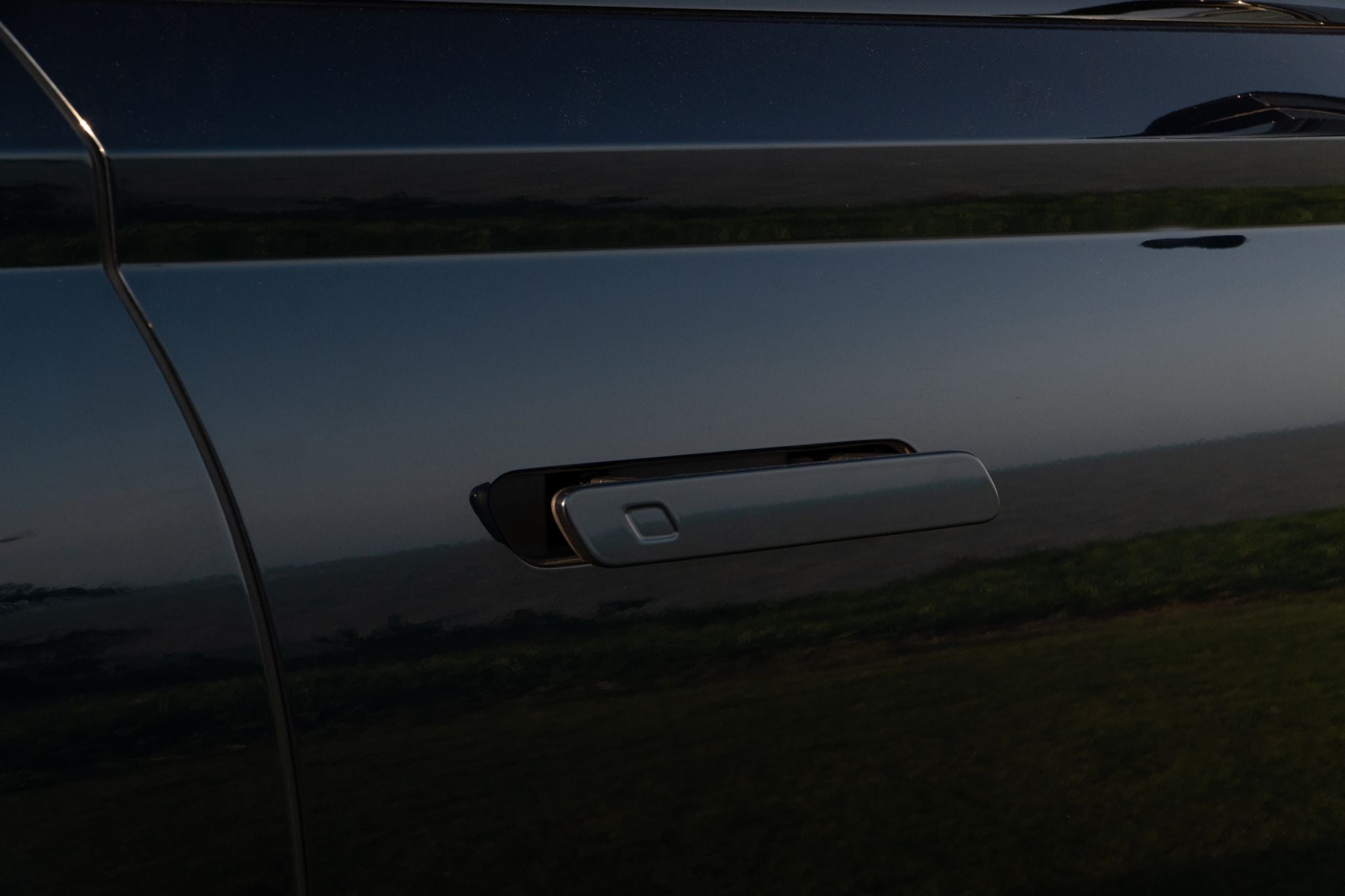
The Chinese government has banned electronic and built-in door handles for security reasons. In cases of accidents, they may not work, leaving passengers trapped in the cabin.
Opening the doors has always been simple. Both the inner and outer handle pull a steel shard that releases the door latch. Electronics replace this with actuators.
That is, in addition to being unsafe in the event of an accident, electronic door handles add complication. There are other ways to make the car look modern.
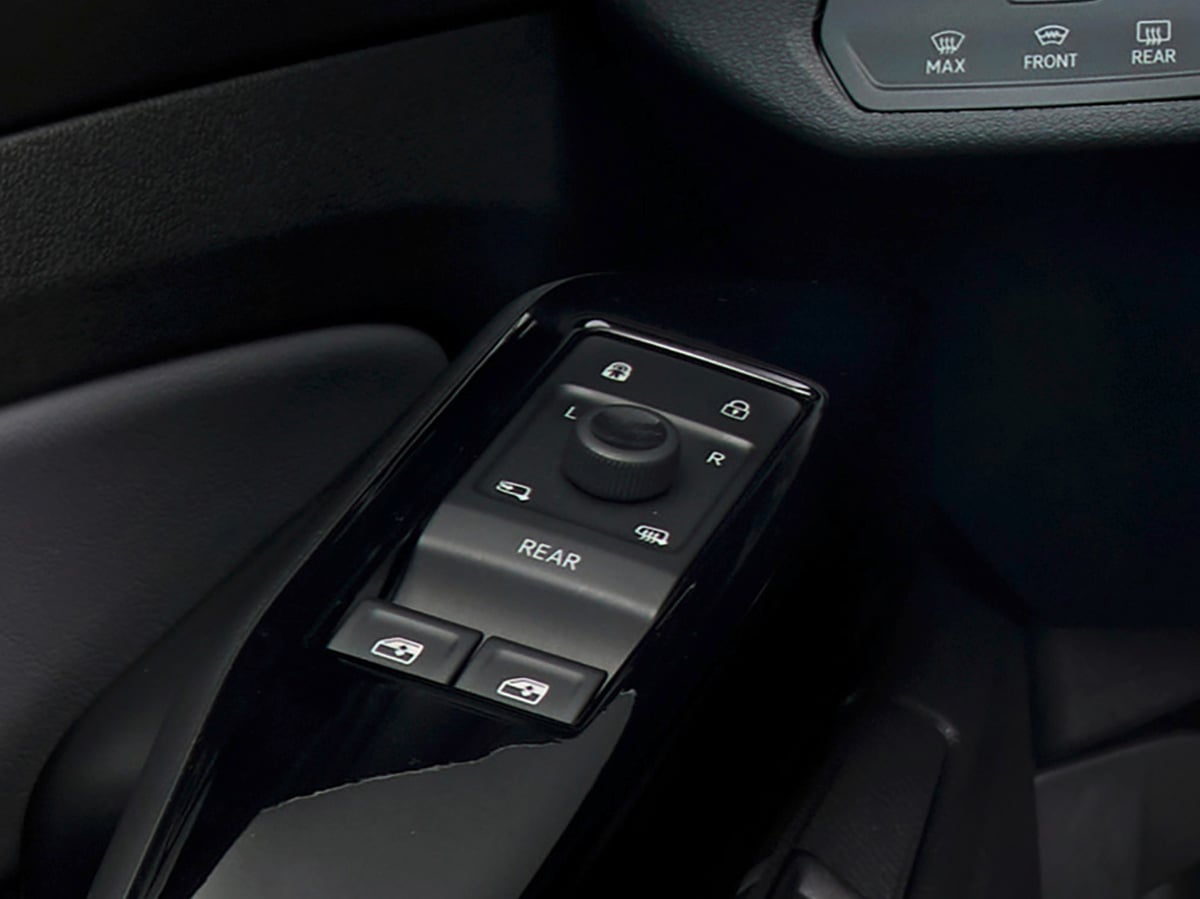
Since the invention of electric windows in the 1940s, their buttons have been on the doors, with the driver being able to control all the windows. Either they are in the center console, to facilitate conversion in cars sold with right-hand drive or just to save wires.
In recent years, Volkswagen and Volvo decided that window buttons were too simple and decided to complicate things. In the German electrics and in the EX30 there is only a couple of buttons, if you want to lower the rear windows you have to press a button written “rear” so that the controls start activating the rear windows.
In other words, what was done at the touch of just one button is now done with two. Volkswagen at least seems to have regretted this and showed some concepts with more buttons in the cabin and four for the power windows.
The Chinese created another invention with these commands: some cars such as the Jaecoo 7 and the Leapmotor C10 use buttons that need to be pushed or pulled horizontally. Currently the standard is to pull or squeeze vertically because of US legislation, but as there are no Chinese cars there, this new type appeared.
Cars with electric mirror adjustment have a button dedicated to this, which can be on the doors or on the dashboard. It allows a quick adjustment, so the driver can find the driving position without having to do much work, as well as the seat and steering wheel adjustments.
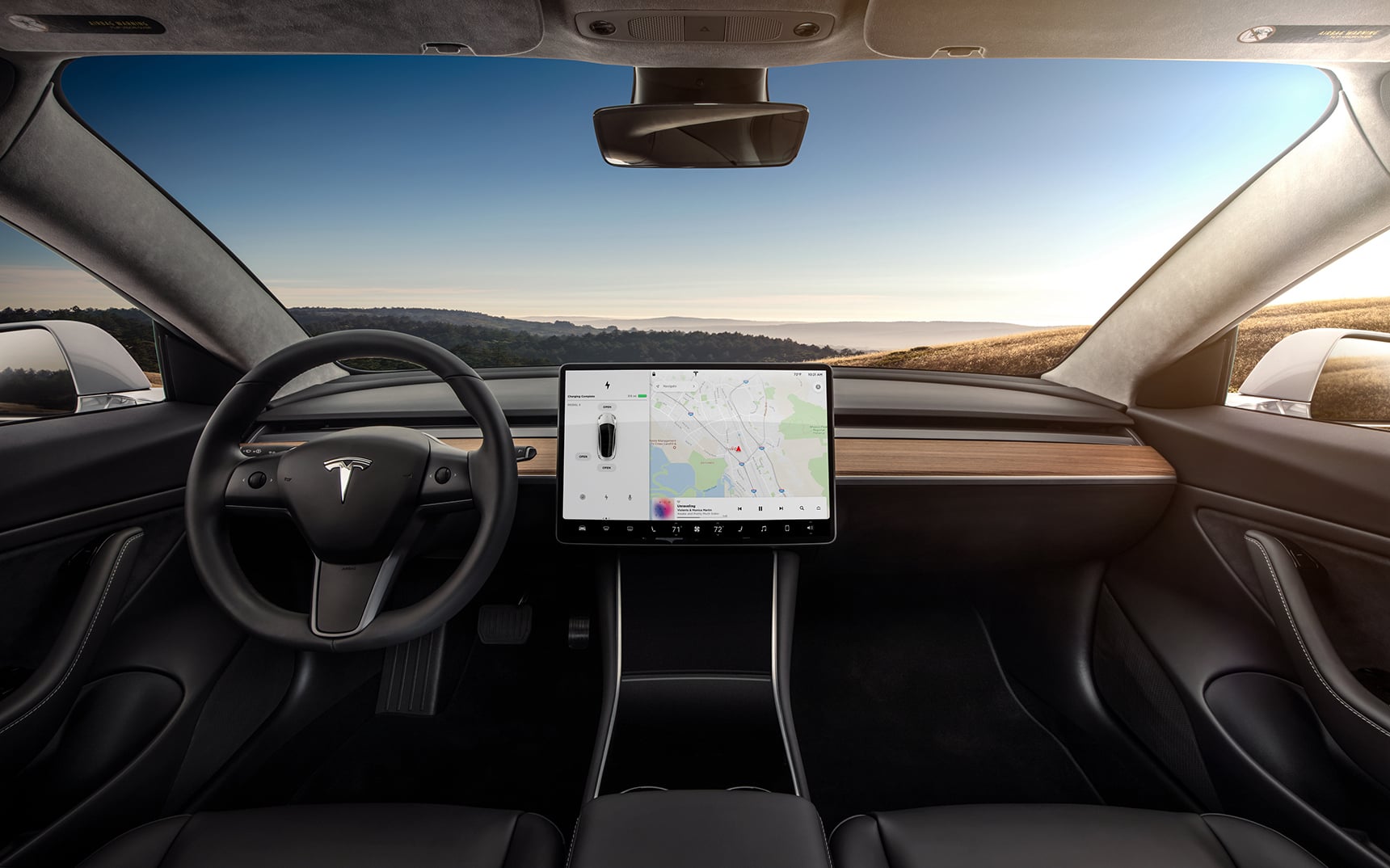
However, Tesla decided to eliminate practically all the buttons from its cars and included the one in the mirrors. The adjustment started to be made by the steering wheel controls after accessing an adjustment menu in the multimedia center.
This has been copied by Chinese brands and Volvo in the EX30, which is produced in China. This has several disadvantages, such as not being able to make a quick adjustment with the car in motion.
There is the positive side of this adjustment being saved along with the adjustment of the seats in different profiles. However, cars with traditional buttons can also save the position of the mirrors along with the memory.
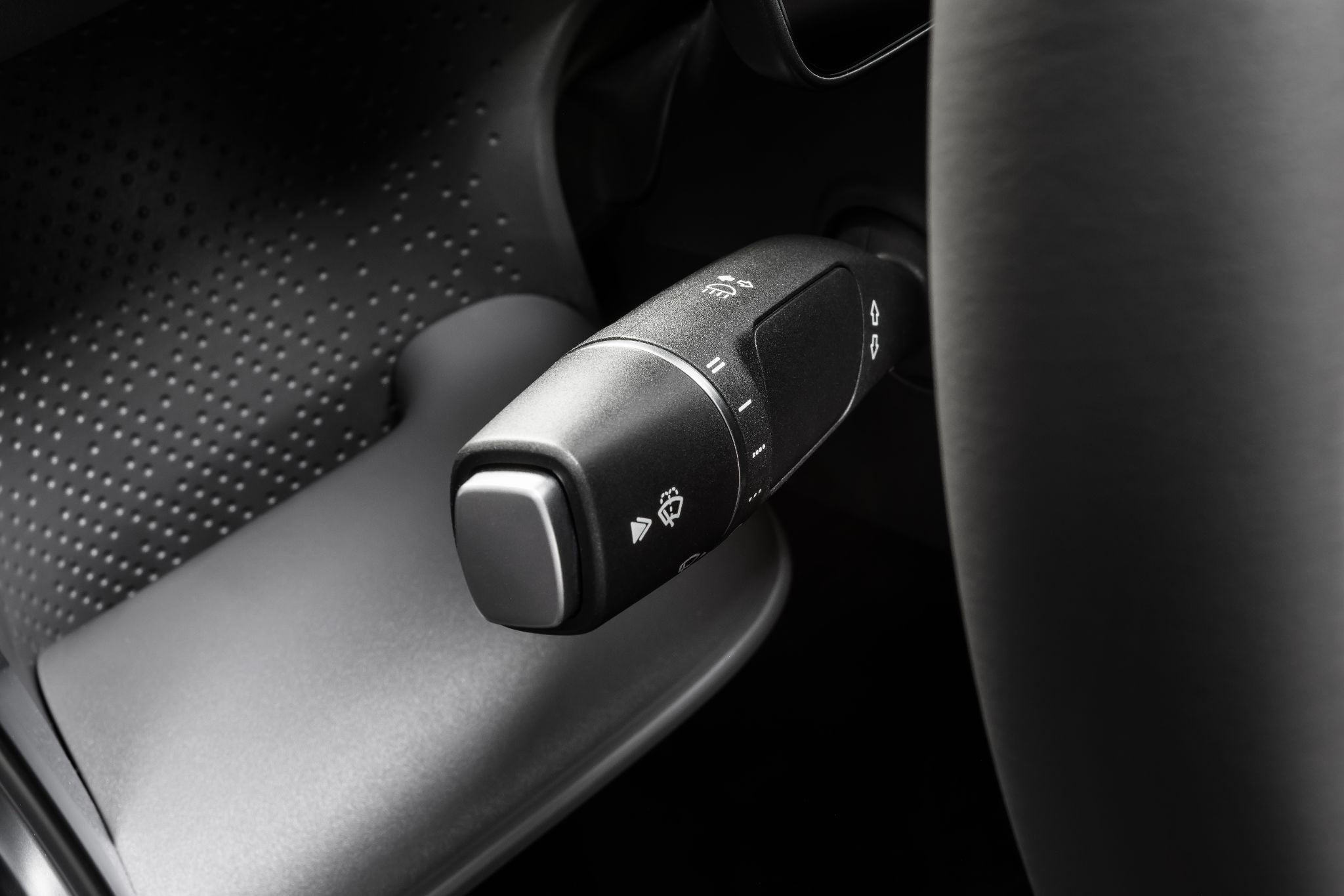
The BMW made an arrow lever that returned to the center after being activated. To cancel it was necessary to give it a light touch, but if it missed the hand the driver signaled to the other direction.
This generated more complaints than praise, so much so that the brand returned to using traditional controls in its cars. However, this German fiasco did not serve as a lesson for other brands, the Chinese are adopting this scheme in force.
If you see a car turning an arrow unnecessarily or alternating between directions, it may just be a driver “fighting” with this lever.



