Nissan used the old tactic of repurposing an old car and updating it to look like a new model, we show you 10 similar cases
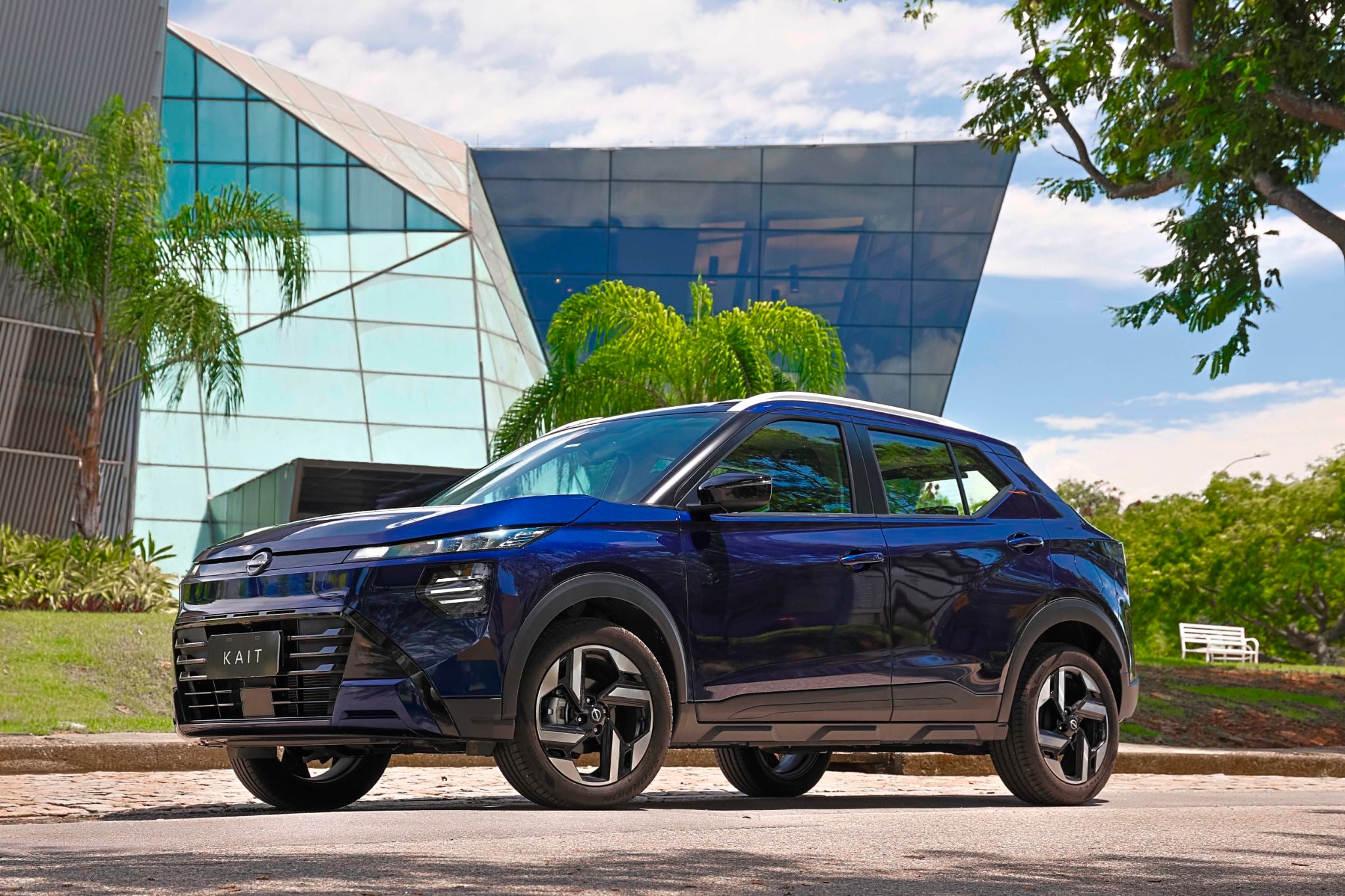
The development process of an all-new car needs to go through several validations. To contain costs, reduce risks, maximize profits or even due to lack of approval from the headquarters, it is common for brands to launch new cars using old platforms.
The new Nissan Kait is an example of this: the Japanese brand is going through a crisis and its alliance with Renault is reeling. To have an entry-level SUV in Latin America, the solution was to update the first-generation Kicks and give it a new name.
SEE ALSO:
It is sold at Nissan dealerships alongside the new Kicks. This is a new car, with a modern platform, turbo engine and gearbox. See below 10 cases of cars launched as new, but based on old models.
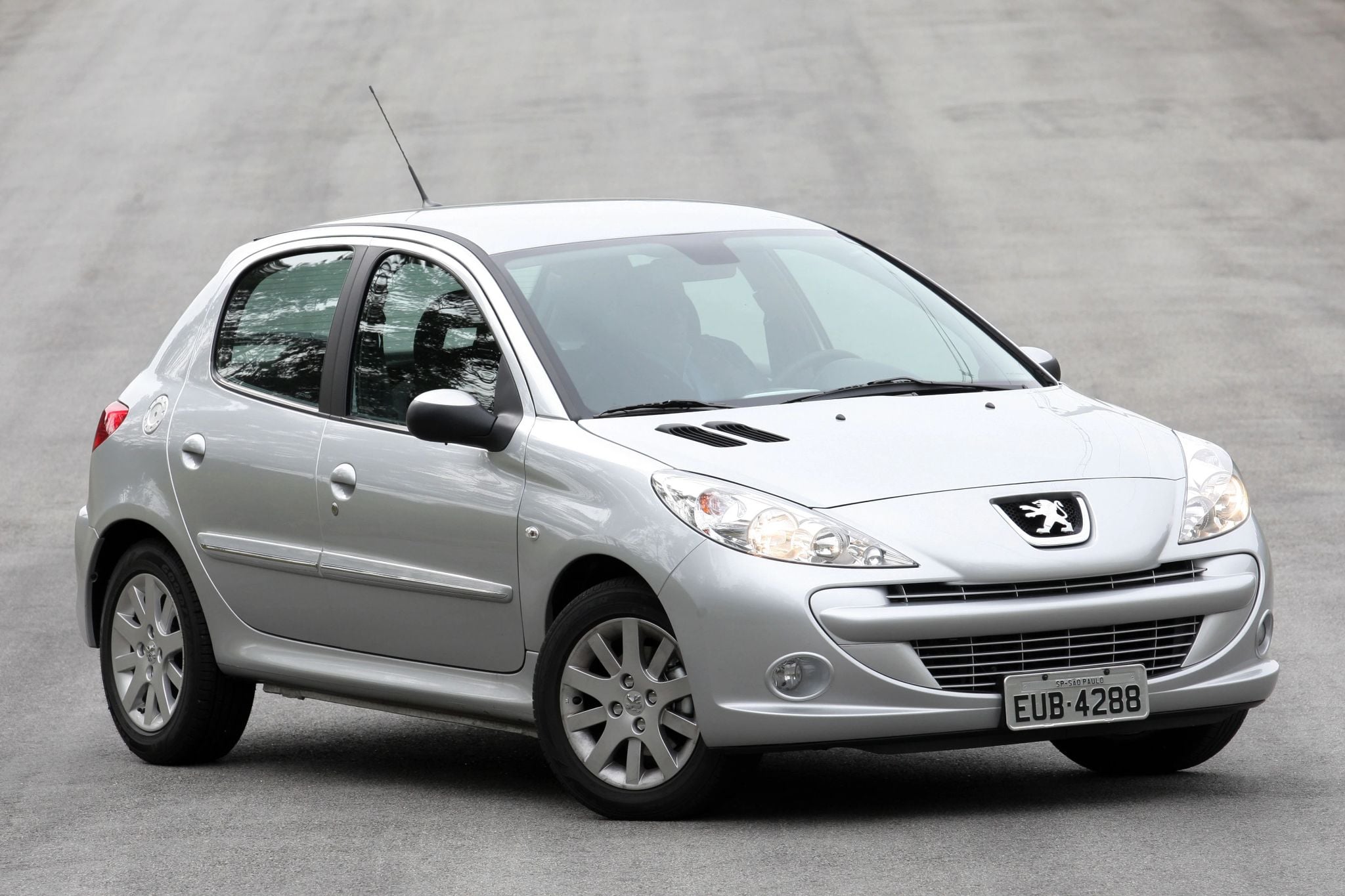
The Peugeot 206 was the brand’s first national car and won over a captive audience for its style. The next generation of it in Europe, baptized as 207, gained size and sophistication. Which would be expensive for a Brazil that was migrating to low-cost compacts like the Renault Logan.
The Brazilian solution was to give a face and a panel inspired by the 207 in the 206. The name also came. To disguise more, the hatch and station wagon were joined by a sedan body, which was designed in Iran and had a clumsy design, but with a large trunk.
At least there were some improvements to the suspension to make it more robust, a recurring criticism. The 207 was a fiasco, which fortunately was corrected with a European-aligned 208.
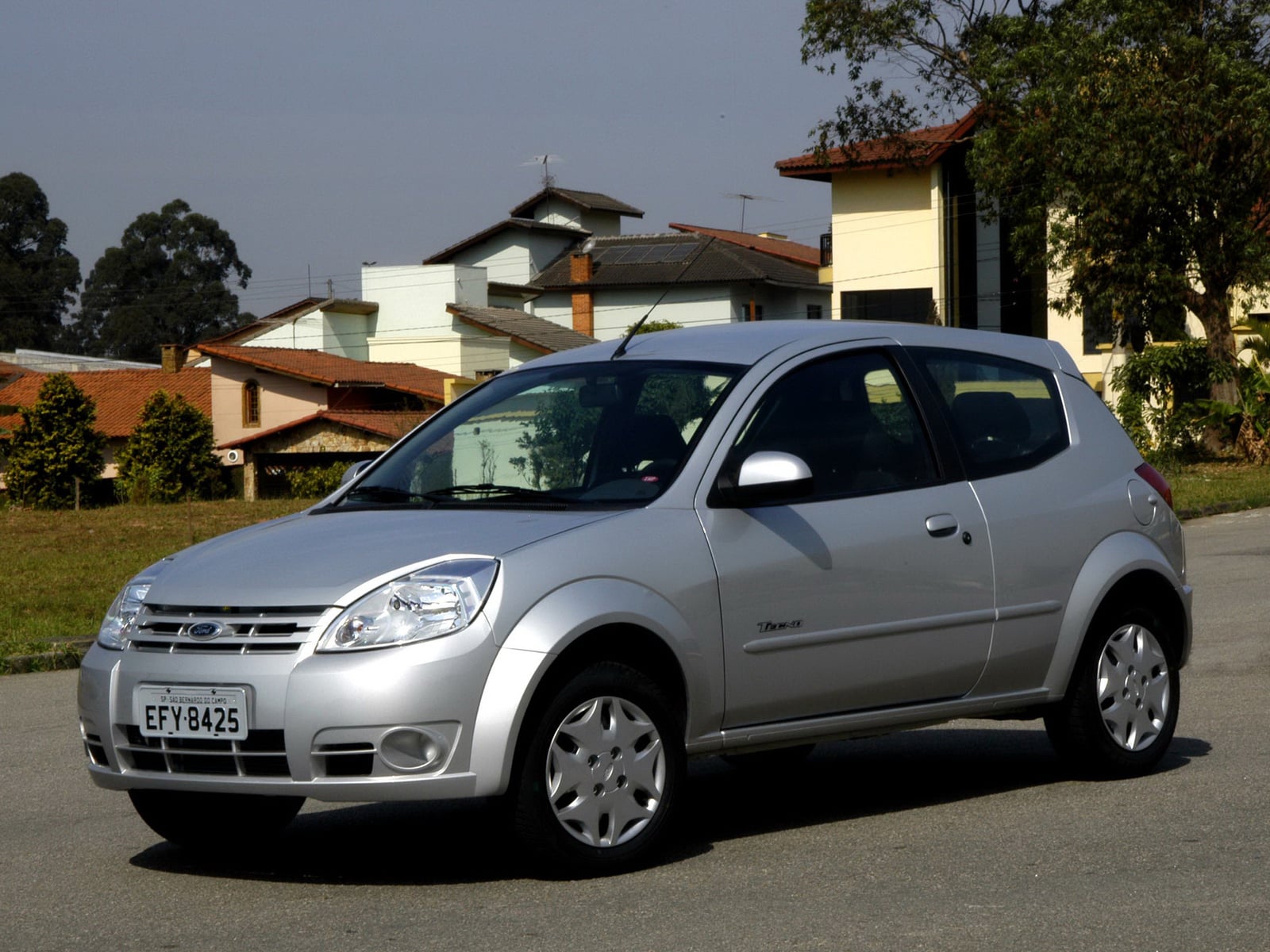
At the turn of the millennium, Brazilians already preferred cars with four doors. The Ford Ka arrived as an entry-level subcompact, below the Fiesta, but it had only two doors and four seats.
As the second generation of the European Ford Ka followed the formula of being a cramped car and became the result of a partnership with Fiat, Brazilian engineering had to be creative. It stretched the Ka where it could and used the Fiesta Street’s front subframes to make the hatch more spacious.
Visually, only the front door and windshield were the same as the first Ka. More than 80% of the car’s components were reused, whether from the previous generation or from other cars of the brand.
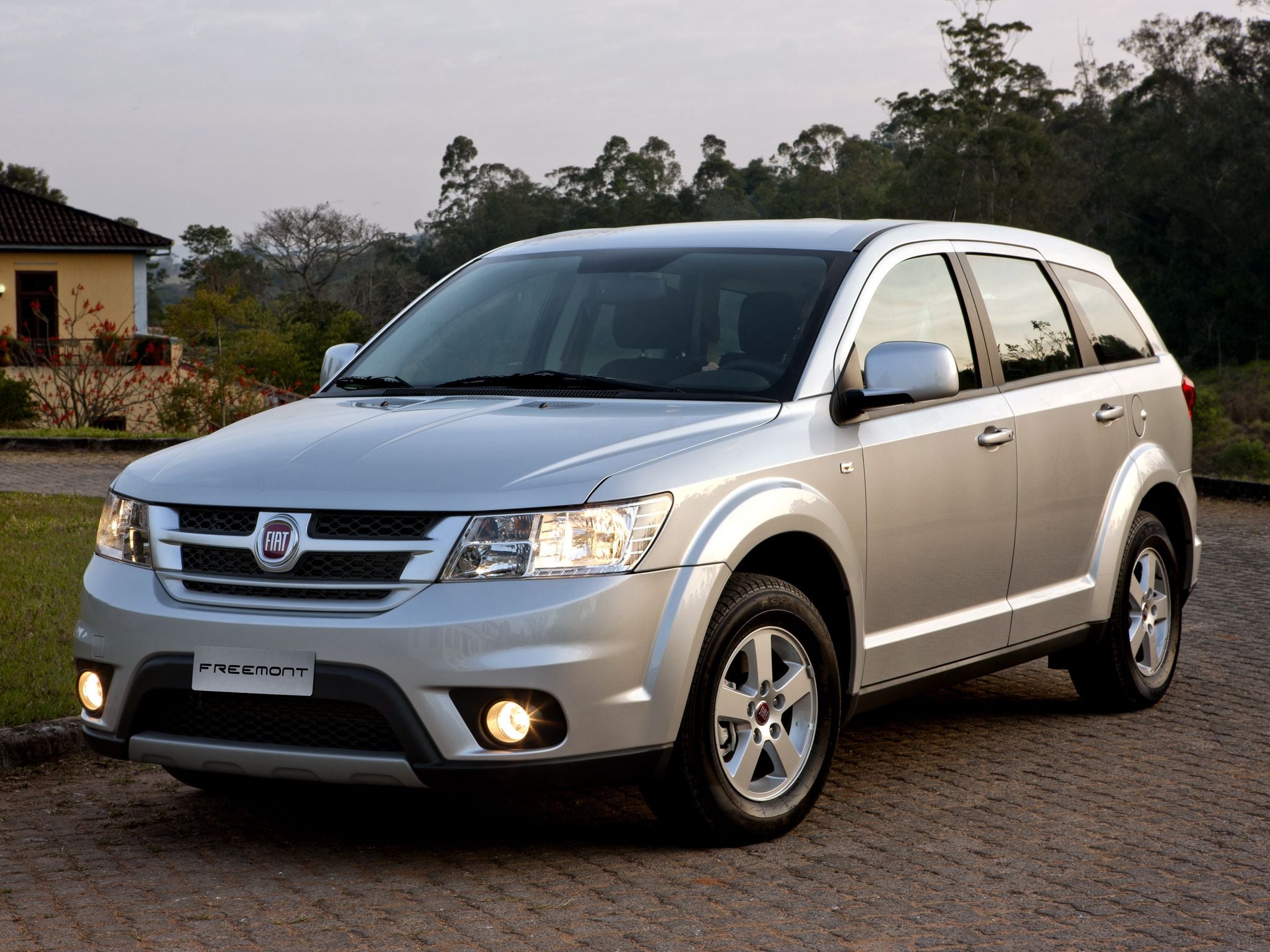
Fiat do Brasil can read the Brazilian market well, but sometimes it is limited to the resources that the parent company makes available. With the success of the Adventure line and the Ford EcoSport, the brand wanted to have an SUV in its range.
The solution came when the Italian group bought Chrysler, thus FCA was born. It started to bring the Dodge Journey as Fiat Freemont, differentiating itself from its brother by using a 2.4-liter four-cylinder engine while the North American brand sold its model only with V6.
The funniest thing is that Fiat reinforced in all advertisements that the Freemont was an SUV. While in the Journey campaigns the vehicle was called a crossover.
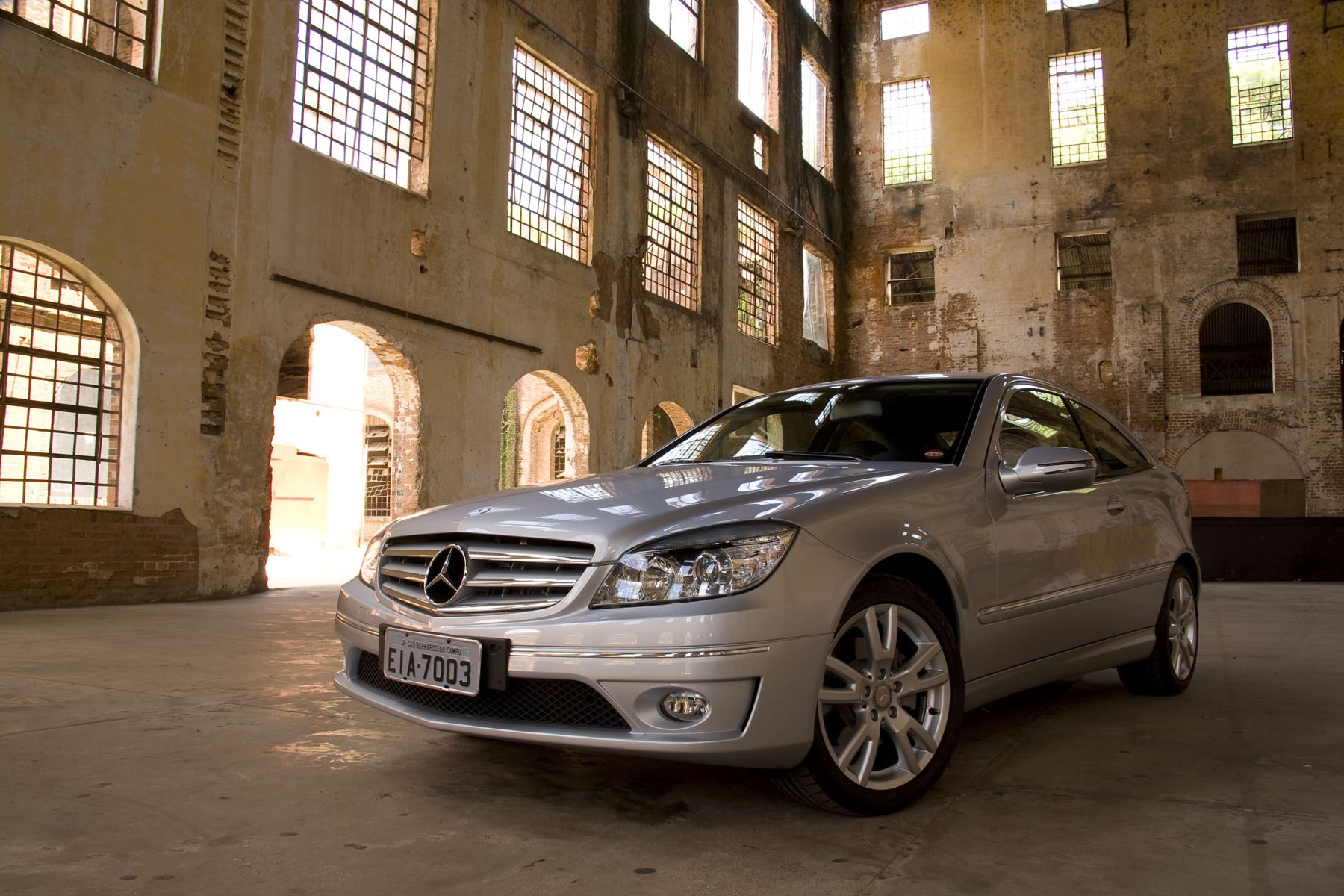
Yes, even Mercedes-Benz puts a new face on an old platform and tries to sell under another name. The CLC was an update of the 2000 C-Class Sport Coupé with the front end of the new generation C-Class introduced in 2007.
The model was produced only at the brand’s Brazilian factory, located in Juiz de Fora (MG), but was exported to Europe. The proposal was to be a gateway to the brand’s traditional cars, with rear-wheel drive, unlike classes A and B that were front-wheel drive.
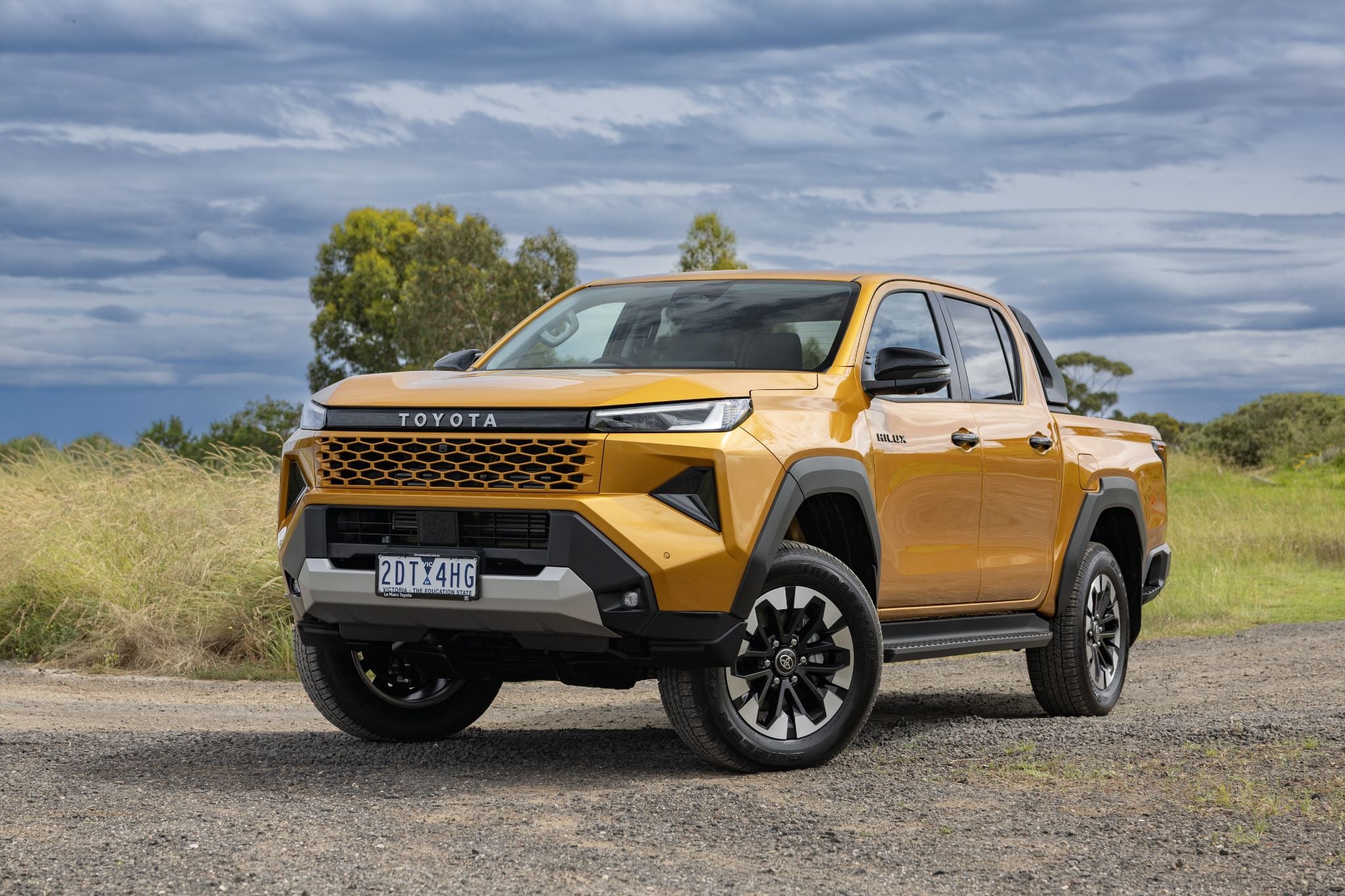
It has not yet arrived in Brazil, but it will come soon. After Ford launched the new generation of the Ranger and Mitsubishi brought an all-new Triton, Toyota showed in Australia a new Hilux to maintain global leadership.
The model was treated as a new generation and brought many expectations, but it continues with the current platform. The work was similar to that of the current Chevrolet S10, with changes in the look, cabin and mechanics, but repeating stampings such as those on the doors and with the same chassis.
The new Hilux also kept the 2.8 turbodiesel engine that works with the six-speed gearbox. It can work with a 48-volt mild hybrid system, which already existed before the upgrade.
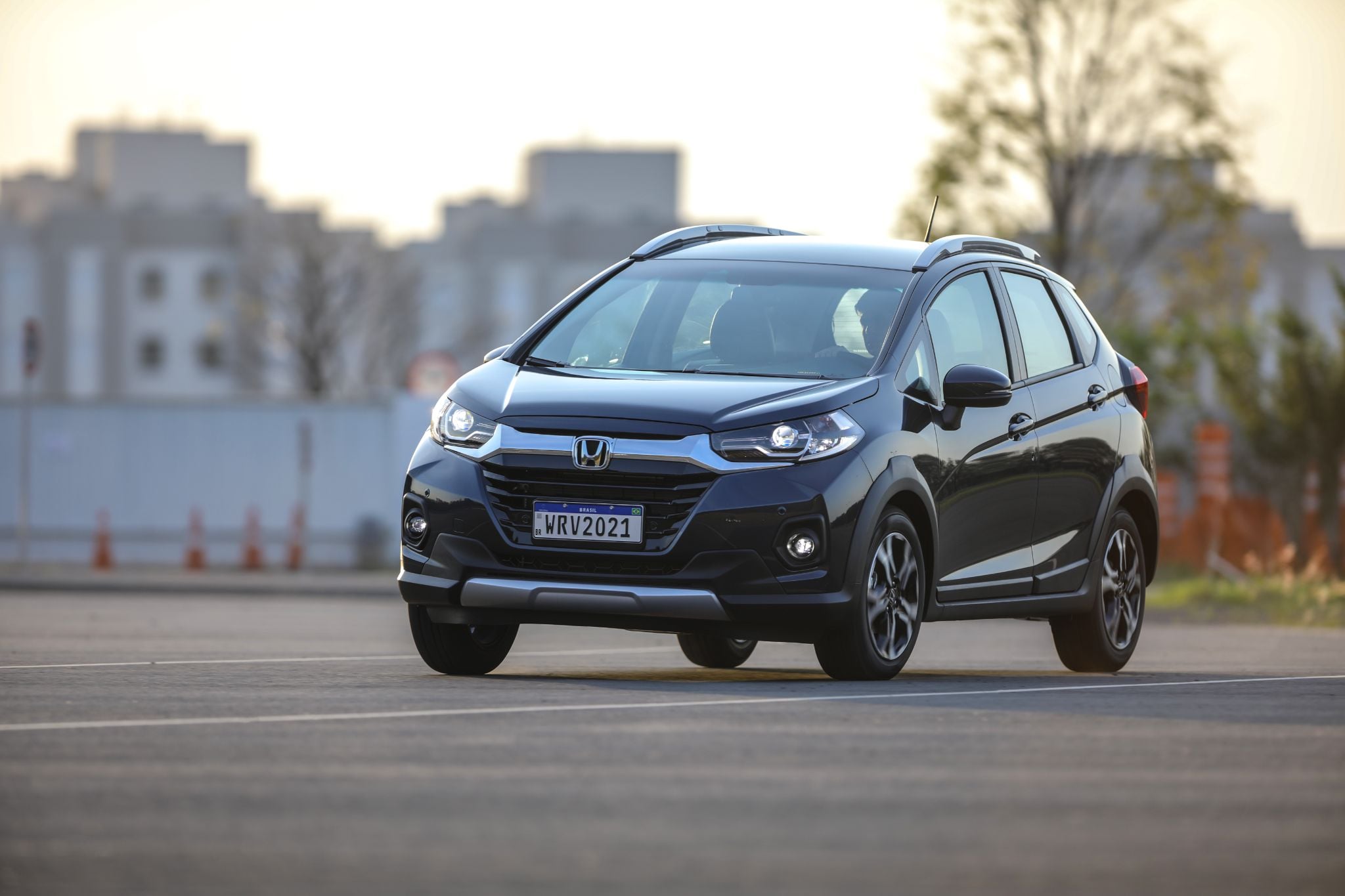
Honda created the current formula for entry-level SUVs: start with the body of a hatchback, put a beefier front end, raise the suspension and put appliqués on the fenders. The first WR-V was that, using the Fit as a base.
It was launched in 2017 as a new SUV, but the origin was easy to identify. This model was only produced in Brazil and India. The new generation of the WR-V launched in 2025 does not share stampings with other cars and has its own identity.

Caoa Chery did something similar to the Honda WR-V in 2018 with the Tiggo 2, which was derived from the Celer hatch. In 2022 it gained a face-lift and 1.0 turbo engine, changing its name to Tiggo 3X.
It was treated as a new car, but when viewed from the side or rear, the origin in the old Celer is clear. The model was short-lived, as it already sold little and the factory in Jacareí (SP) was closed. Caoa focused on the older brothers, who continue to be a success.
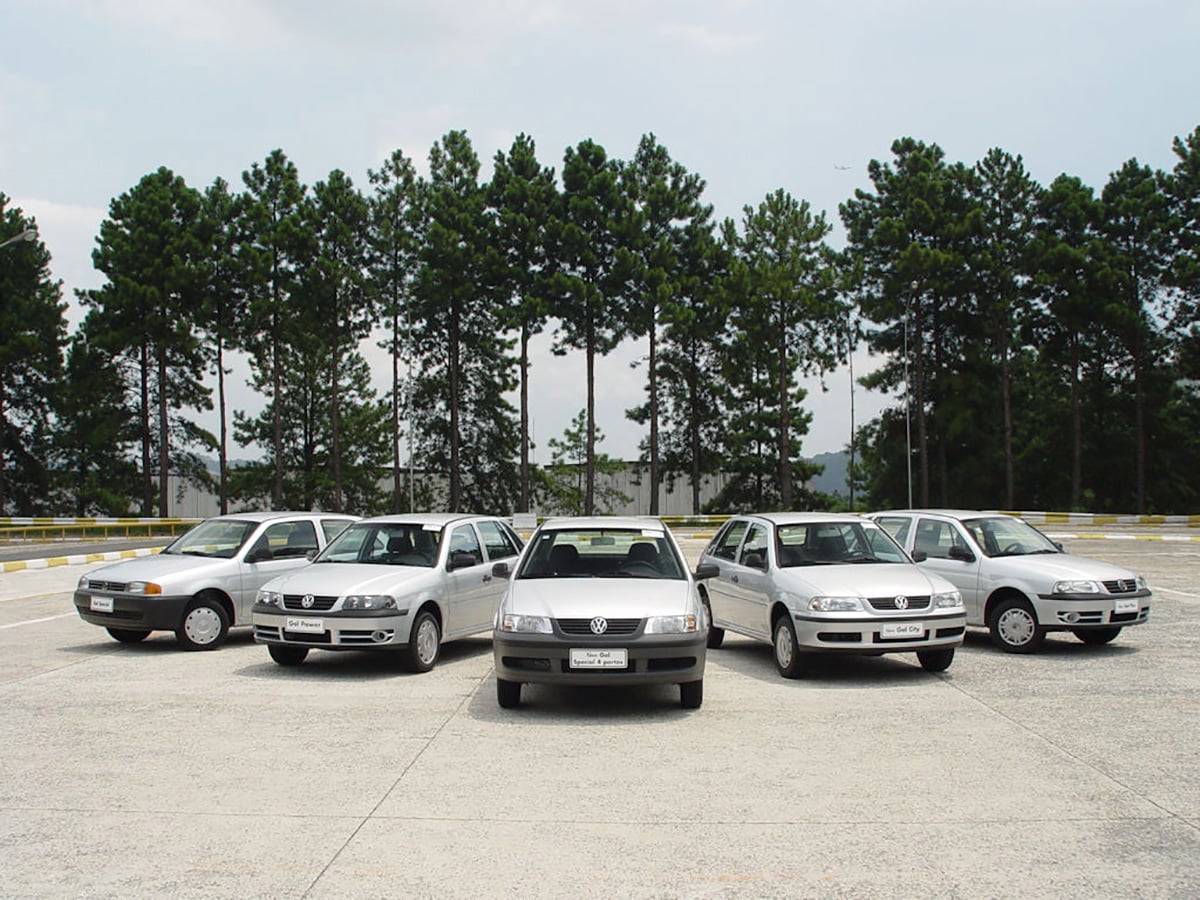
Today in Brazil it is common to treat the restyling, of a car, as a new generation. Who started with this was the Gol G3, which was launched in 1999 being called a new generation.
It was a very competent restyling of the second generation, with changes even in the interior and repositioning of the versions. Gol was discontinued with eight informal “generations”, but considering the platforms, it had only three.
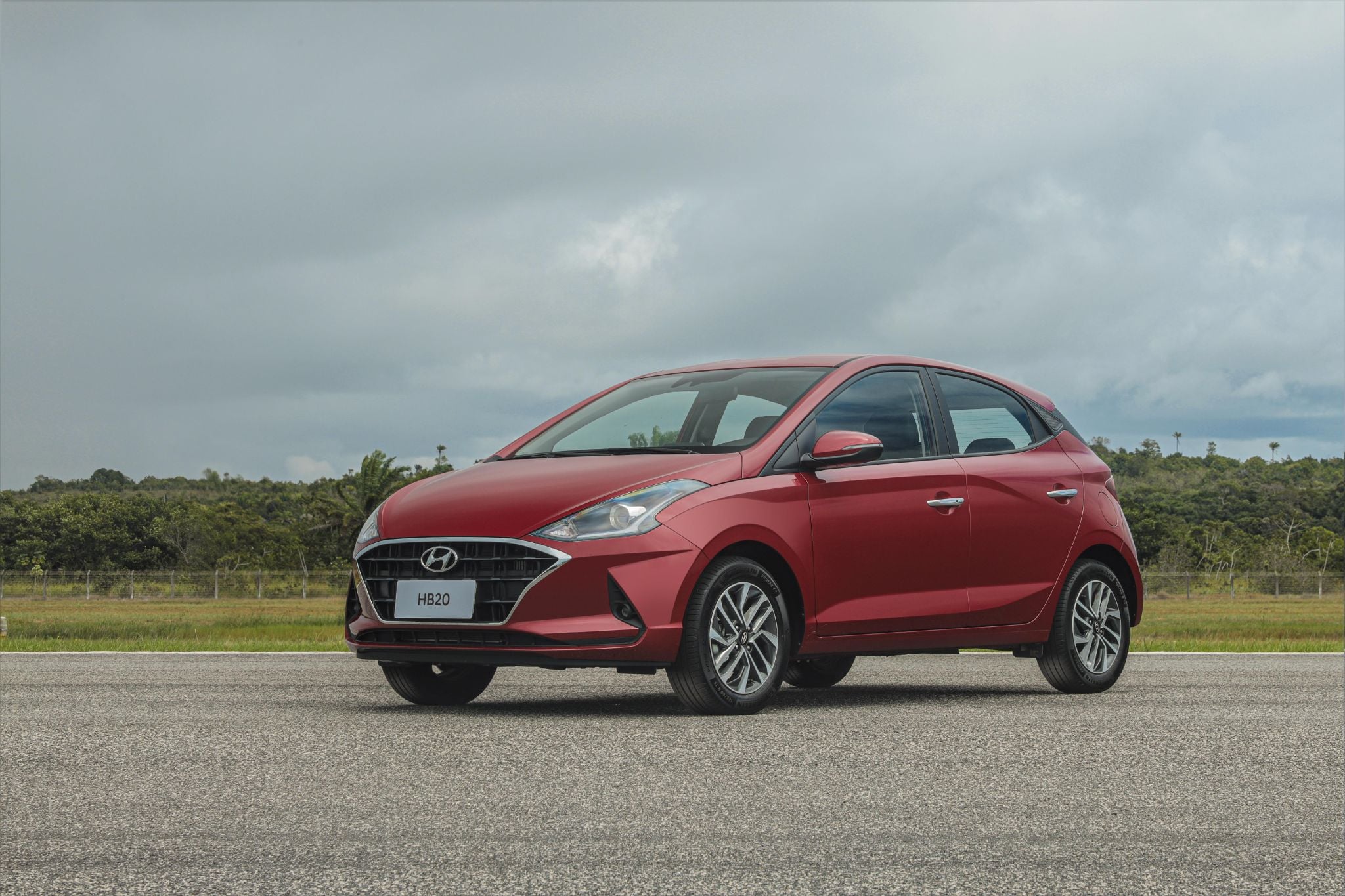
The second generation of the Hyundai HB20 appeared in 2019 with a new look. But behind the scenes a lot came from the first, including the platform. That’s even why it didn’t grow in size.
A new generation of the HB20 is on the way, this time with an unprecedented platform in Brazil. It will also give rise to a new Chevrolet Onix, the result of a partnership between Hyundai and GM.
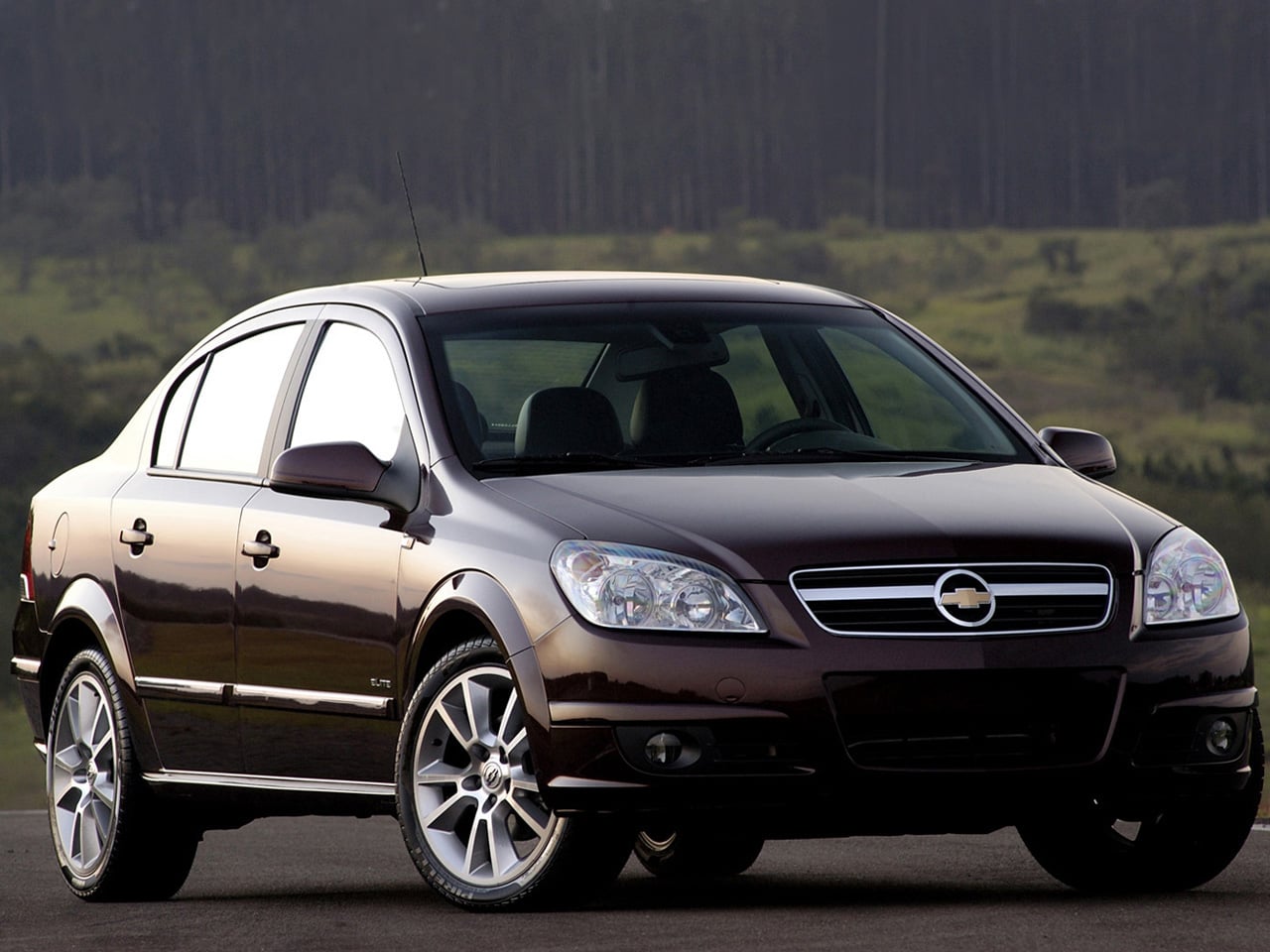
The second-generation Chevrolet Vectra was a milestone in Brazil, as it succeeded the long-lived Monza with a modern design and arrived just 6 months after its launch in Europe. The problem is that it was positioned to compete against medium sedans, while its segment was medium-large.
The next generation launched in Europe became larger, heavier and more sophisticated, making it unfeasible to be nationalized. That’s why a sedan was created in Brazil with a style inspired by the European Astra, but using the platform of the national Astra from 1999.
The third-generation national Vectra was a salad with the components existing in Brazil. But the result was good to fight against Honda Civic and Toyota Corolla, as the interior space was larger and the Family 2 engine still had many fans.



