With nostalgia for the 90s on the rise, some of these 10 cars must already be in demand from the most wealthy enthusiasts
In Brazil, it is allowed to import cars independently on two occasions: if it is zero km or if it is over 30 years old. With the arrival of 2026, it was allowed to bring vehicles from the year 1996.
That year saw the launch of some cars that survived the turn of the millennium. The industry was reinventing itself, with more rounded cars and more onboard electronics, which made the engines stronger, more economical and even more reliable.
SEE ALSO:
The 90s were also marked by the advance of Japanese cars, which bet on various technologies. In 1996 the American and European cars were more prepared to fight the Japanese.
Let’s list here 10 cars that were launched in 1996 that can already be imported to Brazil. A good part of the list did not even come to Brazil or exists here in very low quantity.
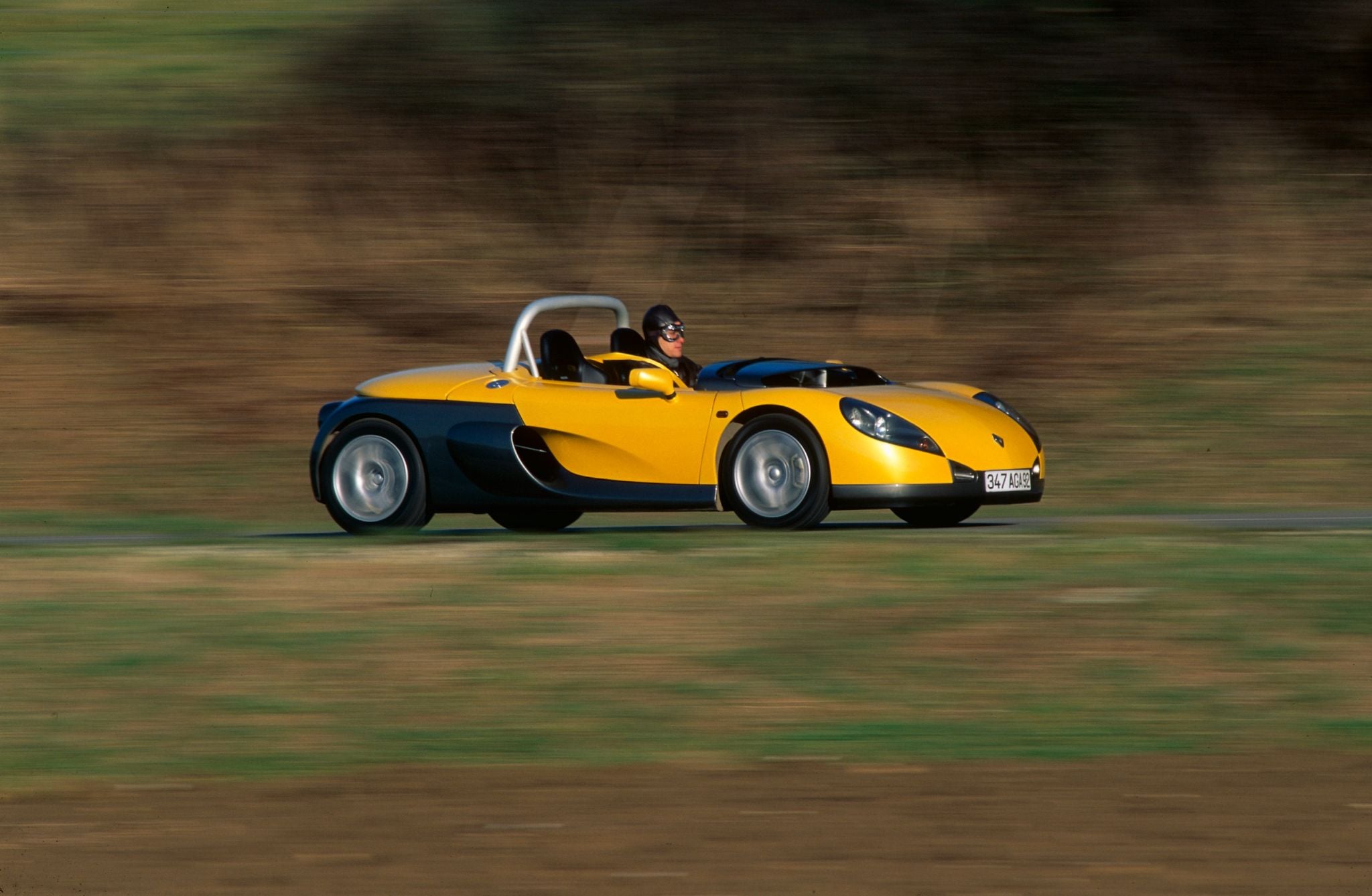
Renault returned to betting on sports cars in the 90s, a movement that was marked by the Clio Williams in 1993. But every performance division that is concerned needs to have a dedicated sports car as an attraction.
This role was played indirectly by the Alpine division, which ceased operations in 1995 when the A610 was discontinued. The Renault Sport Spider was launched in 1996 as a lightweight street sports car and already with a single-make racing category.
It was a fairly simple mid-engined roadster with no windshield and a heavy 930 kg. The engine is the F7R, the 2.0 16v that equipped the Clio Williams and the Megane of the time, with 150 hp.
Only 1,640 units were made, but fortunately the car has a fan club very active in preserving it. Whoever imports one will have guaranteed fun.
In the 90s, Audi was still seeking to establish itself as a luxury brand capable of rivaling BMW and Mercedes-Benz. In Brazil it achieved this easier fame due to its relationship with Ayrton Senna, but abroad there was still the shadow of old models with a design similar to Volkswagen.
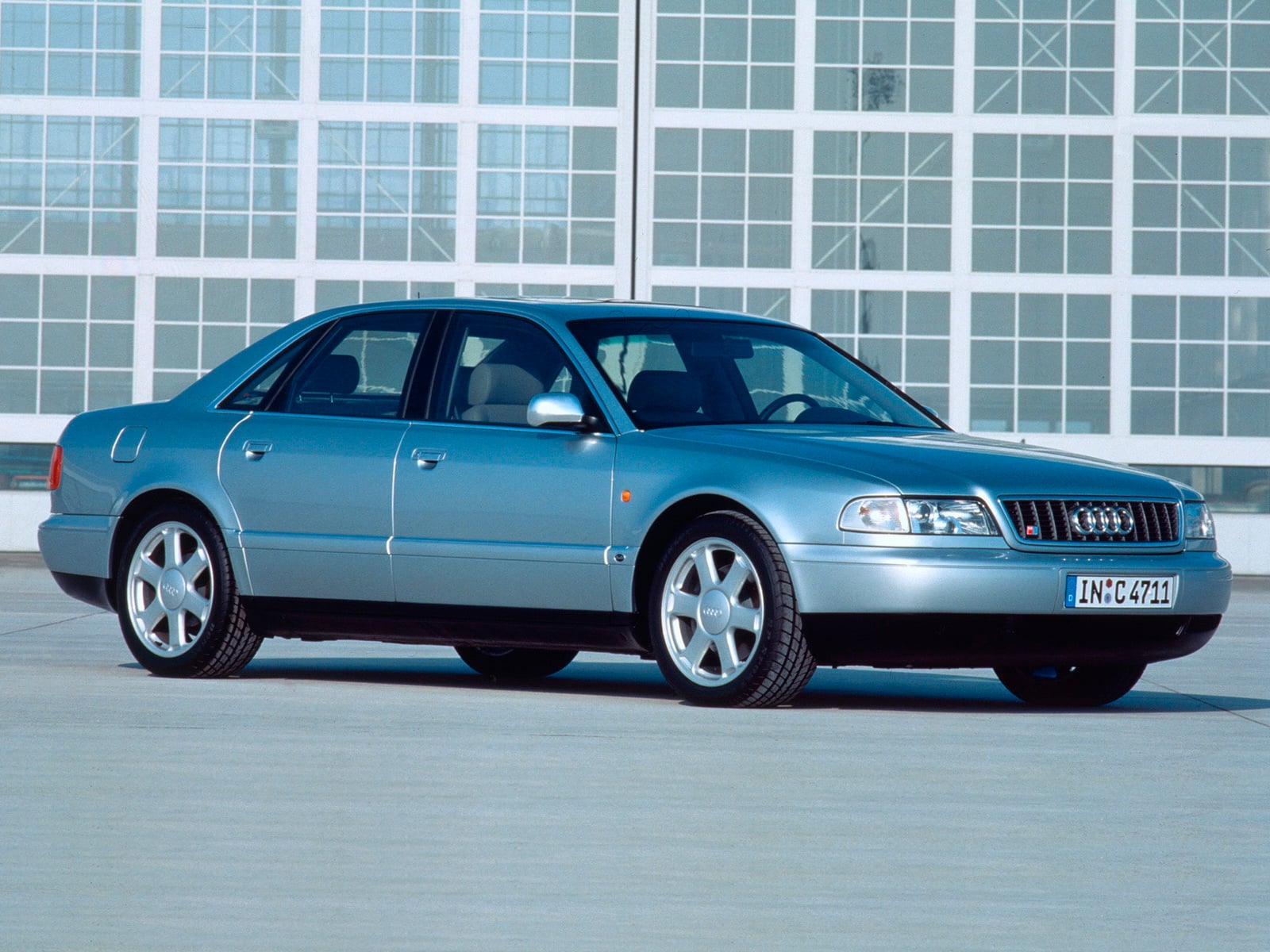
The A8 was an innovative luxury sedan, all made of aluminum, 5-valve engines per cylinder and with all-wheel drive to stand out from the BMW 7 Series and the Mercedes S-Class. In 1996 Audi innovated once again by creating a sporty version of its top of the line, the S8.
The first Audi S8 had a 4.2-liter naturally aspirated V8 engine with 340 hp, all-wheel drive and the option of a manual transmission. It accelerated from zero to 100 km/h in 5.6 seconds and had an electronically limited top speed of 250 km/h.
The aesthetic changes were discreet, the mirror caps were made of aluminum (tradition in the S line), the exhaust tips were double and polished, the grille had vertical friezes and the wheels were 18 inches. Inside, the sportiness was on the three-spoke steering wheel and the seats with more lateral support.
In addition to being the first Audi S8, this generation marked by being the only one with a manual transmission. Units with the automatic gearbox are more popular, so manual ones are more valued.
The longest-lived generation of the Chevrolet Corvette was the fourth. It was released in 1984 and was produced for 12 years. 1996 was its last year, which also marked the end of the small block V8 engine with an iron block derived from the 1955 original — the C5 brought the new V8 LS made entirely of aluminum.
While at the beginning of the Corvette C4 the power of the V8 was only 208 hp, in 1996 came the final version of the small block with 334 hp, called LT4. Not to mention the ZR-1, which was a separate chapter with its dual-camshaft engine developed by Lotus.
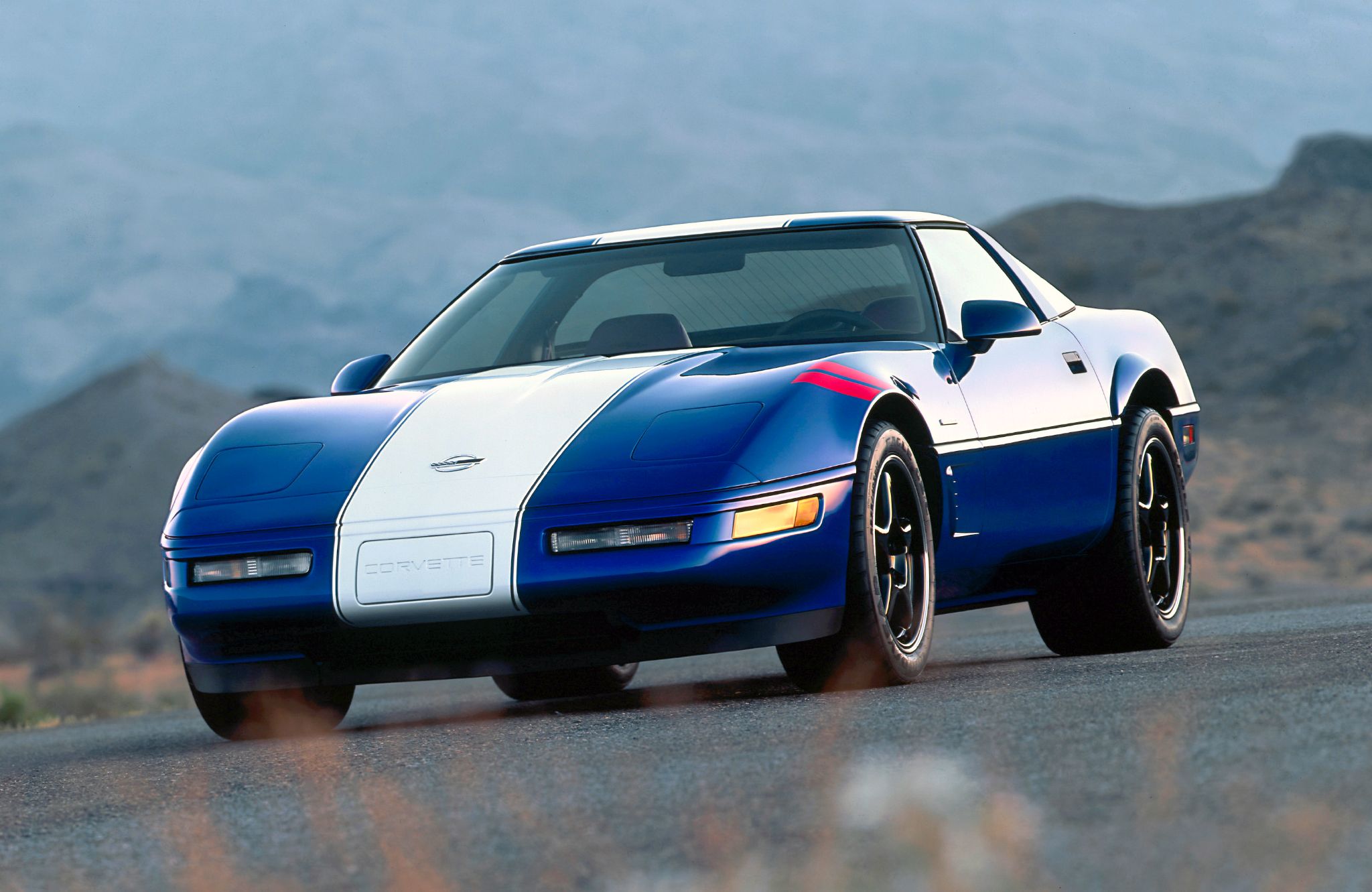
Going back to 1996, the LT4 engine debuted along with a special version that was part of the Corvette C4’s farewell: the Grand Sport. It was referencing the race cars of the early ’60s made to combat the Shelby Cobra.
The 1996 Corvette Grand Sport combined the 334 hp LT4 engine with a six-speed manual transmission, wider tires and firmer suspension. It was for enthusiasts who didn’t have the buy-in for a ZR-1. The paint was always blue with a white stripe cutting through the bodywork and two red stripes on the fenders.
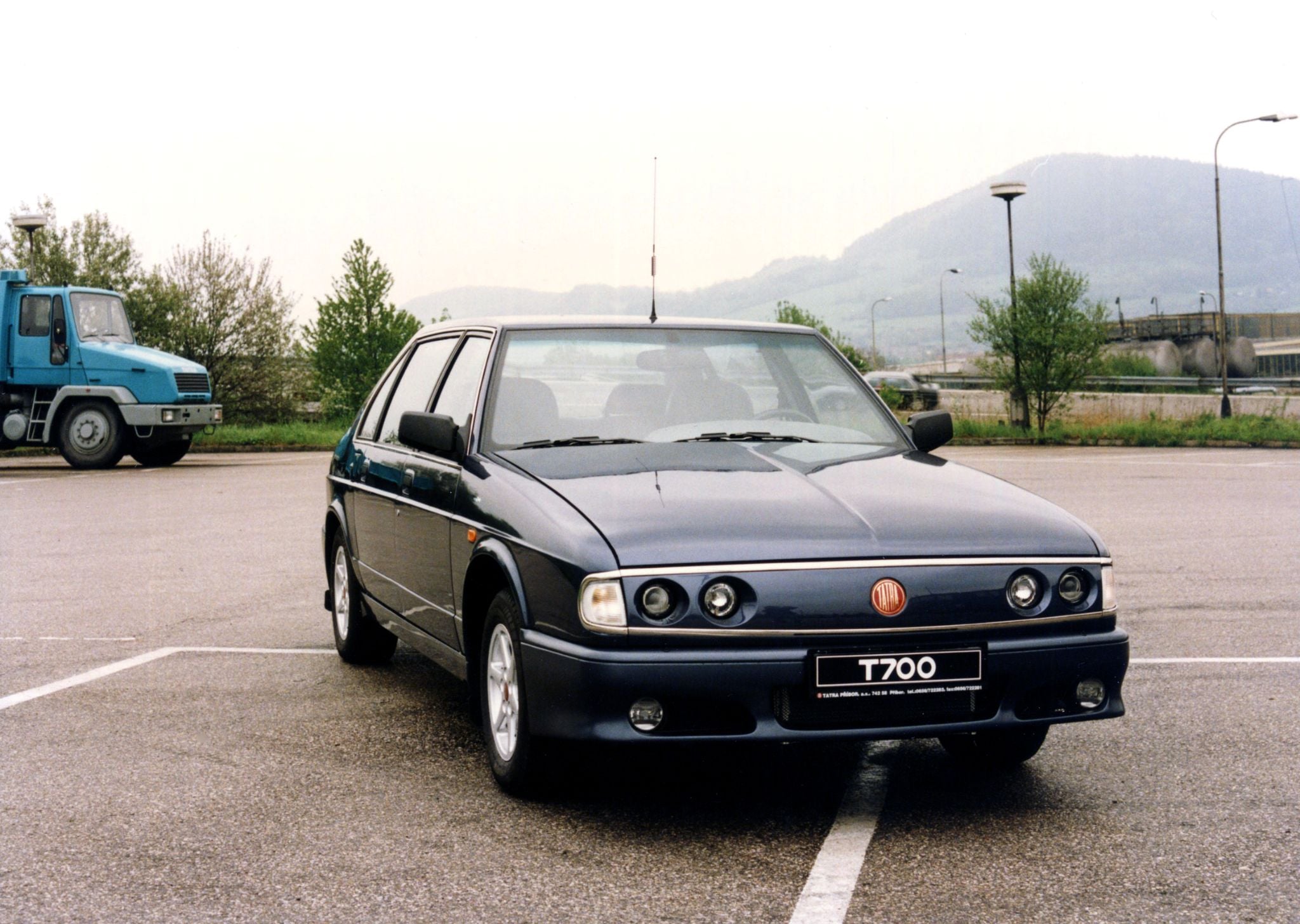
This is the rarest car on the list and also the most out of the box. Tatra, from the Czech Republic, has been making air-cooled rear-engine sedans since 1936, with many considering the Volkswagen Beetle to be a copy of the 97 model.
In 1948 she made the 600 “Tatraplan”, a large sedan with an air-cooled rear V8 engine. The Tatra 700 launched in 1996 was the final evolution of this concept, being an update made over the 613 from 1974.
The air-cooled 3.5 V8 engine produced 201 hp and hung from the back of the car. It was an attempt to make a name for itself in the luxury segment, but the lack of automatic transmission and the dated project hindered sales.
Only 75 cars were produced from 1996 to 1999, after this fiasco Tatra focused on its off-road trucks. Anyone who imports a 700 will have a unique car, it will be difficult to find one.
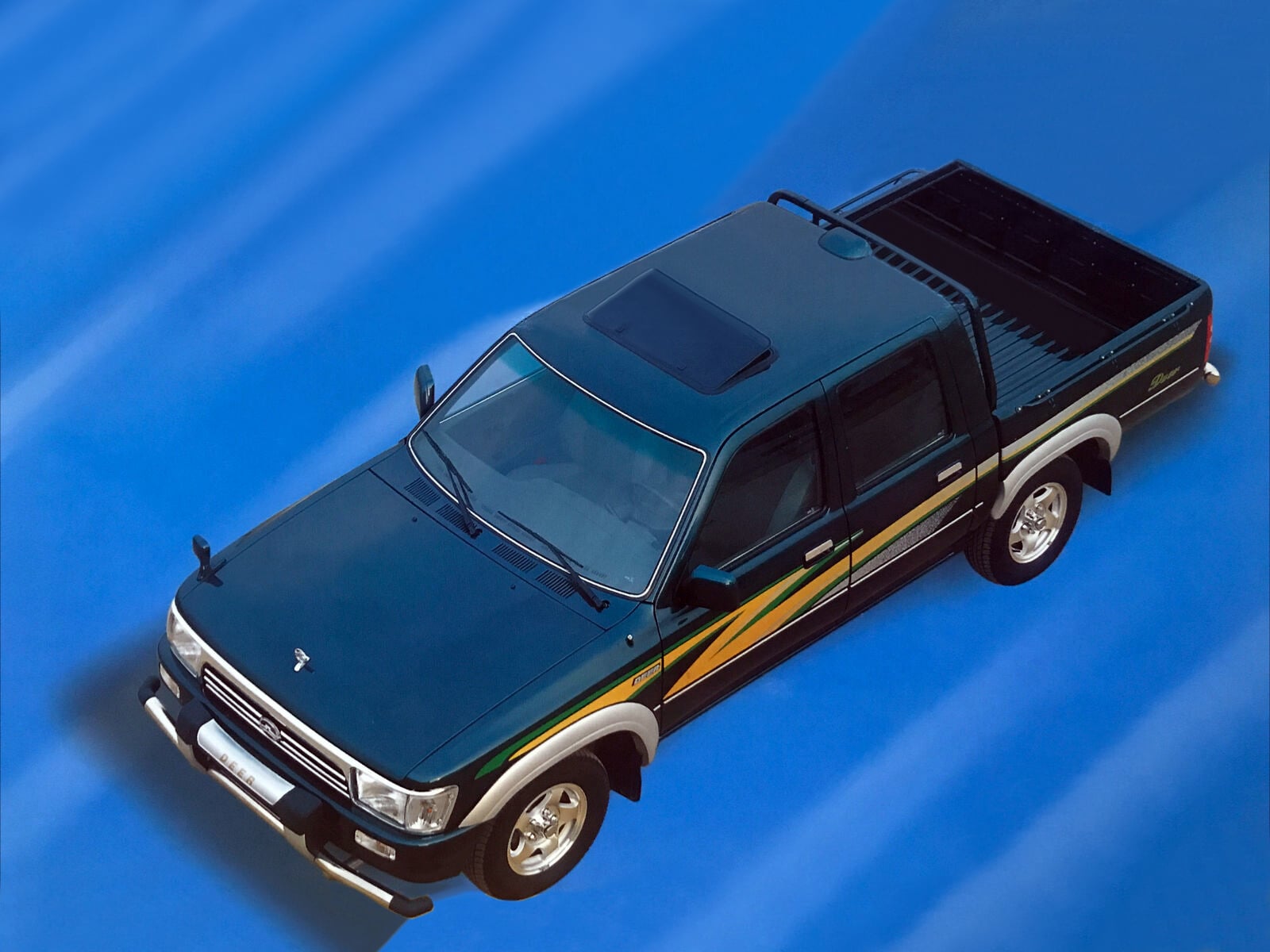
Great Wall Motors (GWM) debuted in Brazil in 2023 with the Haval H6 and has already built a loyal customer base. This Chinese company was more measured than some rivals and focused on a strategy similar to Toyota’s, betting on after-sales and reliability, instead of carrying out promotions.
GWM was founded in 1984 and, like almost all Chinese companies, made copies and cars made under license. Its focus was agricultural equipment, but it even had copies of Nissan and Toyota sedans.
In the 90s, the founder of the brand and its current president, Wei Jianjun, decided to focus GWM on pickup trucks. Thus was born the Great Wall Deer, which was a copy of the Toyota Hilux. The choice was right, today the brand is the leader in pickup trucks in China.
Deer began to be exported to the Middle East the following year and later reached countries in Africa and Latin America. With the growth of Chinese cars in Brazil, will we see collectors bringing historic models from there?
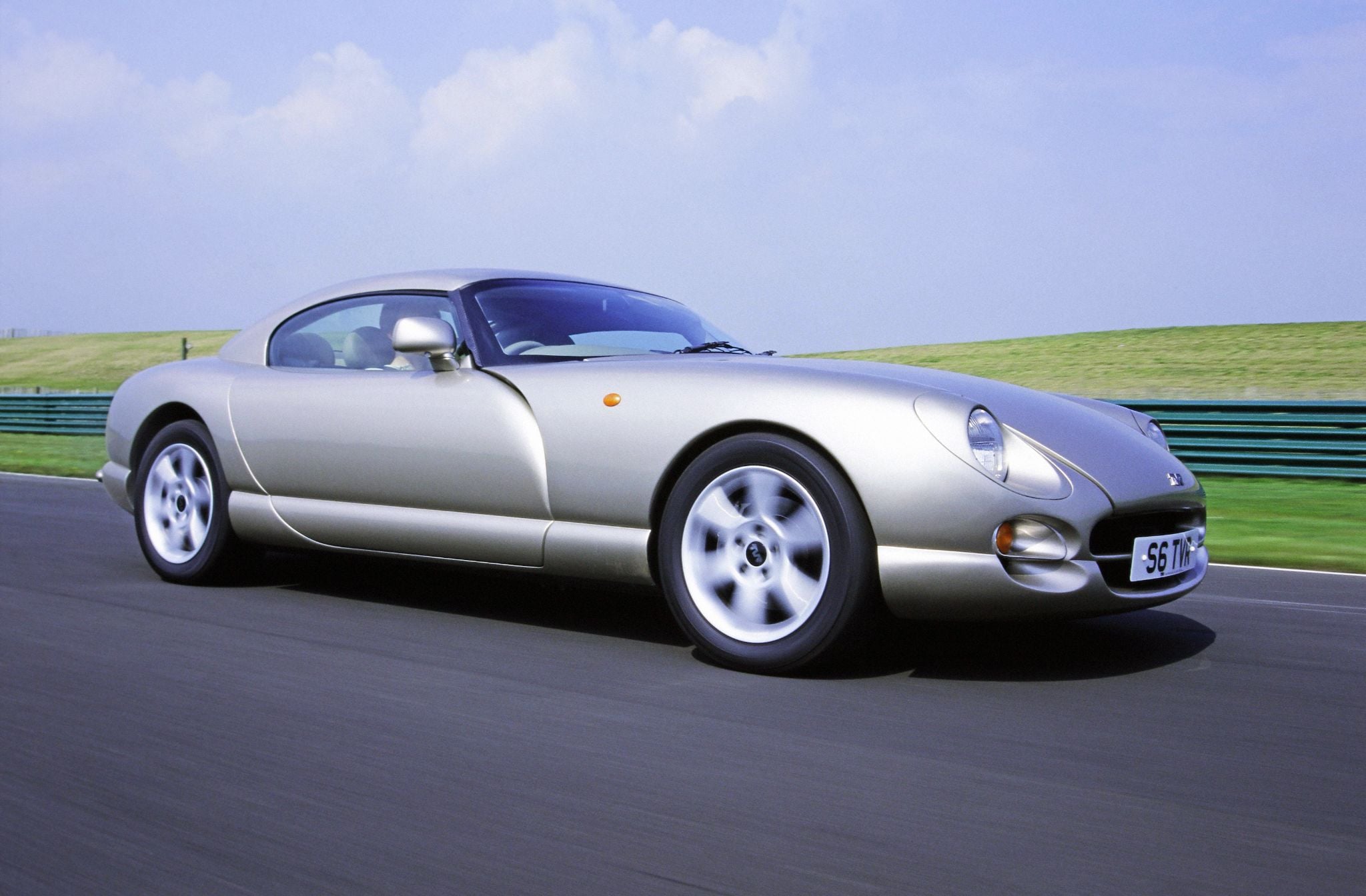
TVR, like many independent UK sports car manufacturers, was dependent on third-party engines. It feared that Rover’s traditional V8 would be retired when that brand was bought by BMW.
That’s why TVR did something unusual for such a small company: it developed its own engine. The new V8, a 4.2 with overhead camshaft and all made of aluminum, debuted with the Cerbera in 1996.
The V8 Speed Eight had many track engine features, such as the 75° angle between the benches, the flat crankshaft, and the high specific power. The first version had 4.2 liters of displacement and generated 360 hp.
As a comparison, the maximum that the old V8 Rover delivered in TVR cars of the time was 345 hp in a 5-liter version. In 1999, TVR also developed its own in-line six-cylinder, which was its last engine.
Returning to Cerbera, it was the brand’s only Grand Tourer with 2+2 seats. He was also the only one to use the Speed Eight engine. The 1996 4.2 model accelerated from zero to 100 km/h in 4.2 seconds and reached a top speed of 290 km/h. In the future, 4.5 versions were made with more than 400 hp and that could exceed 300 km/h.
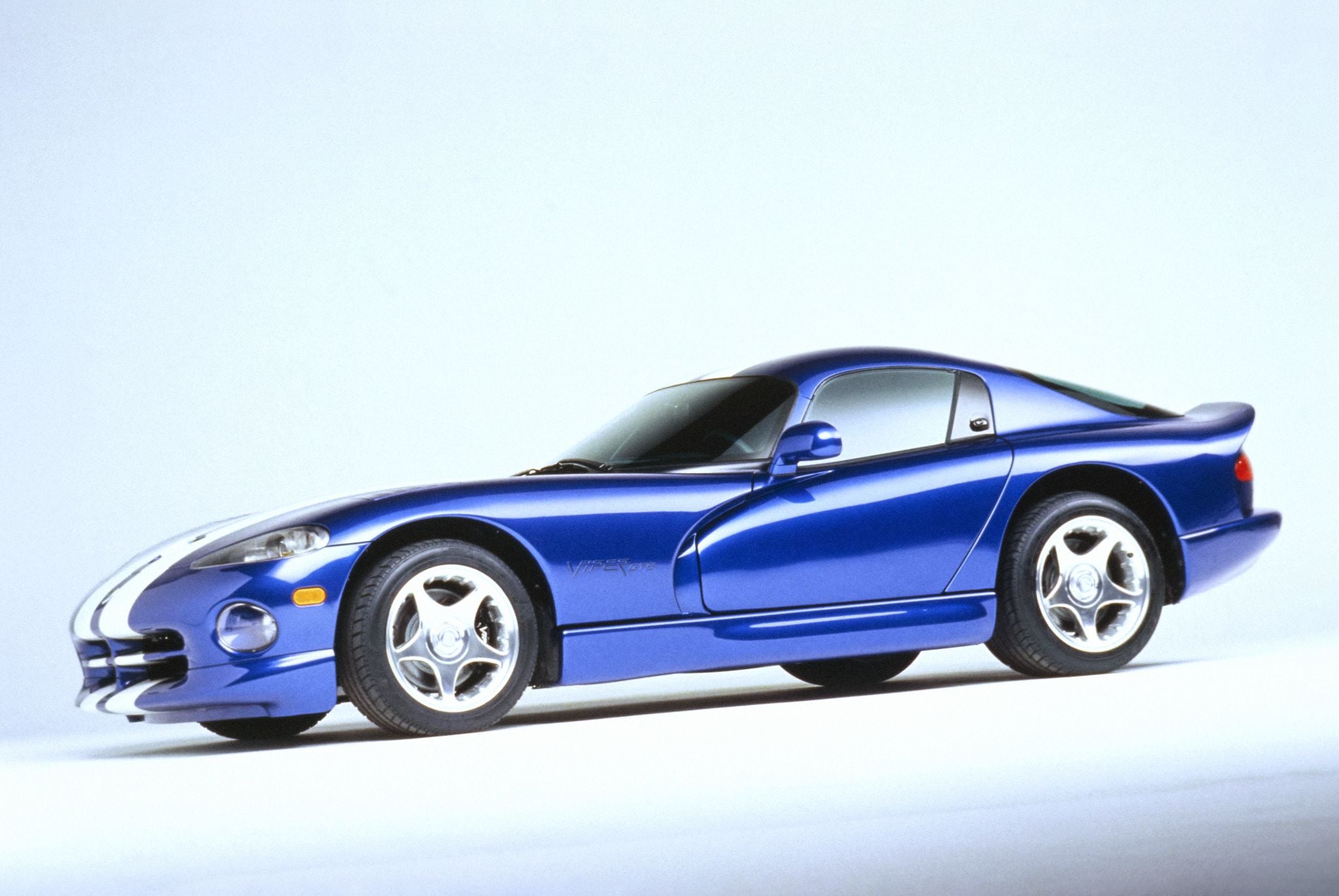
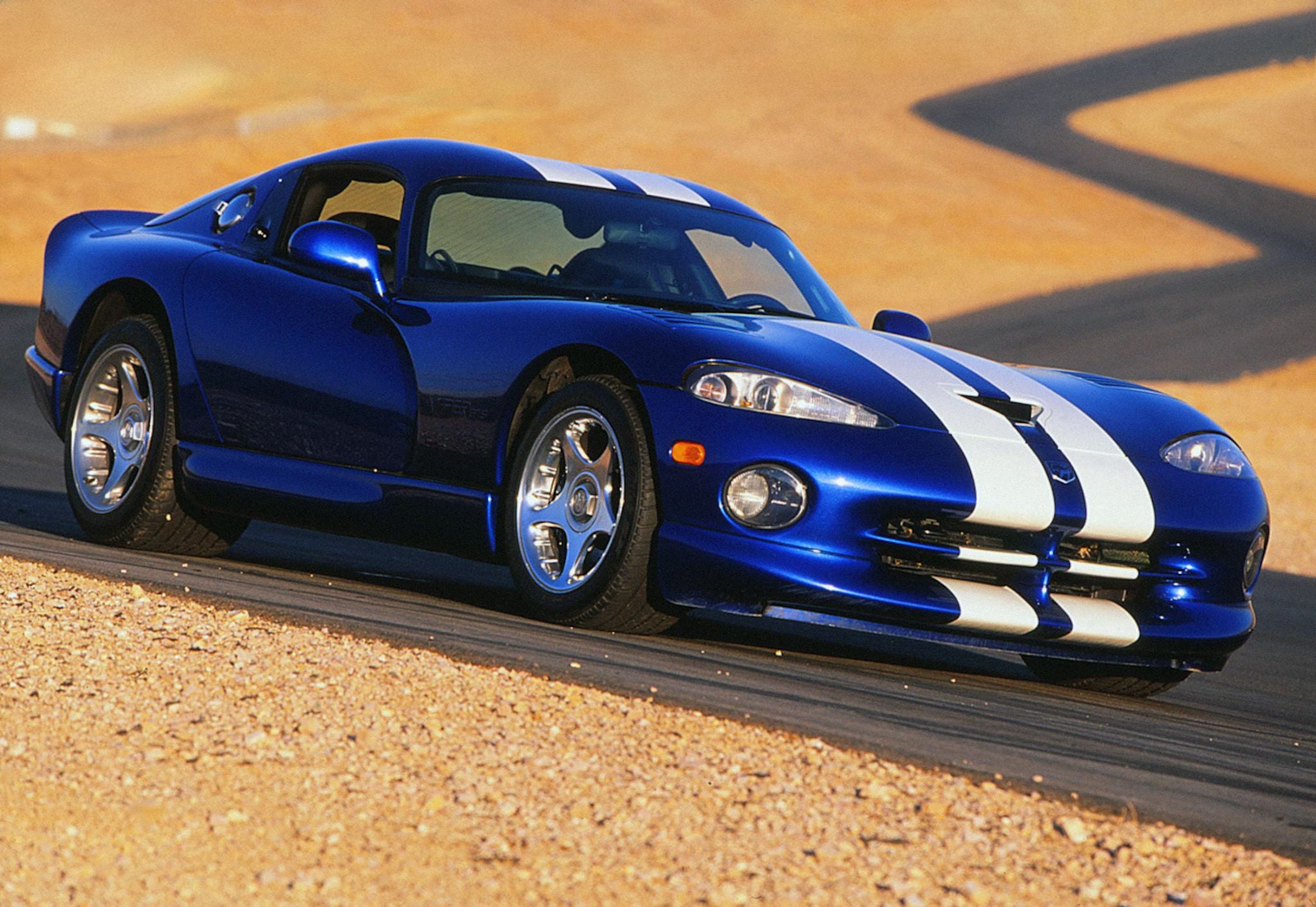
The second generation of the Dodge Viper arrived in 1995 only in the roadster body. It was a major update of the first, mainly bringing convenience improvements such as glass on the doors and external door handles. In mechanics came a new exhaust with a rear outlet, which yielded more power, and the exchange of steel for aluminum in suspension components.
In 1996 the car gained the coupe version called GTS. The design was very well resolved, with two bubbles in the roof to fit the occupants with helmets and the short rear. The Viper was inspired by the Shelby Cobra and the coupe resembled the Cobra Daytona.
In the first year the paint was always blue with white stripes. The Viper GTS was the first to have factory airbags, as the equipment became mandatory in the US in 1996.
It was also 35 hp stronger than the convertible, the V10 8.0 yielded 456 hp in the GTS. The gearbox, as usual, was always the six-speed manual.
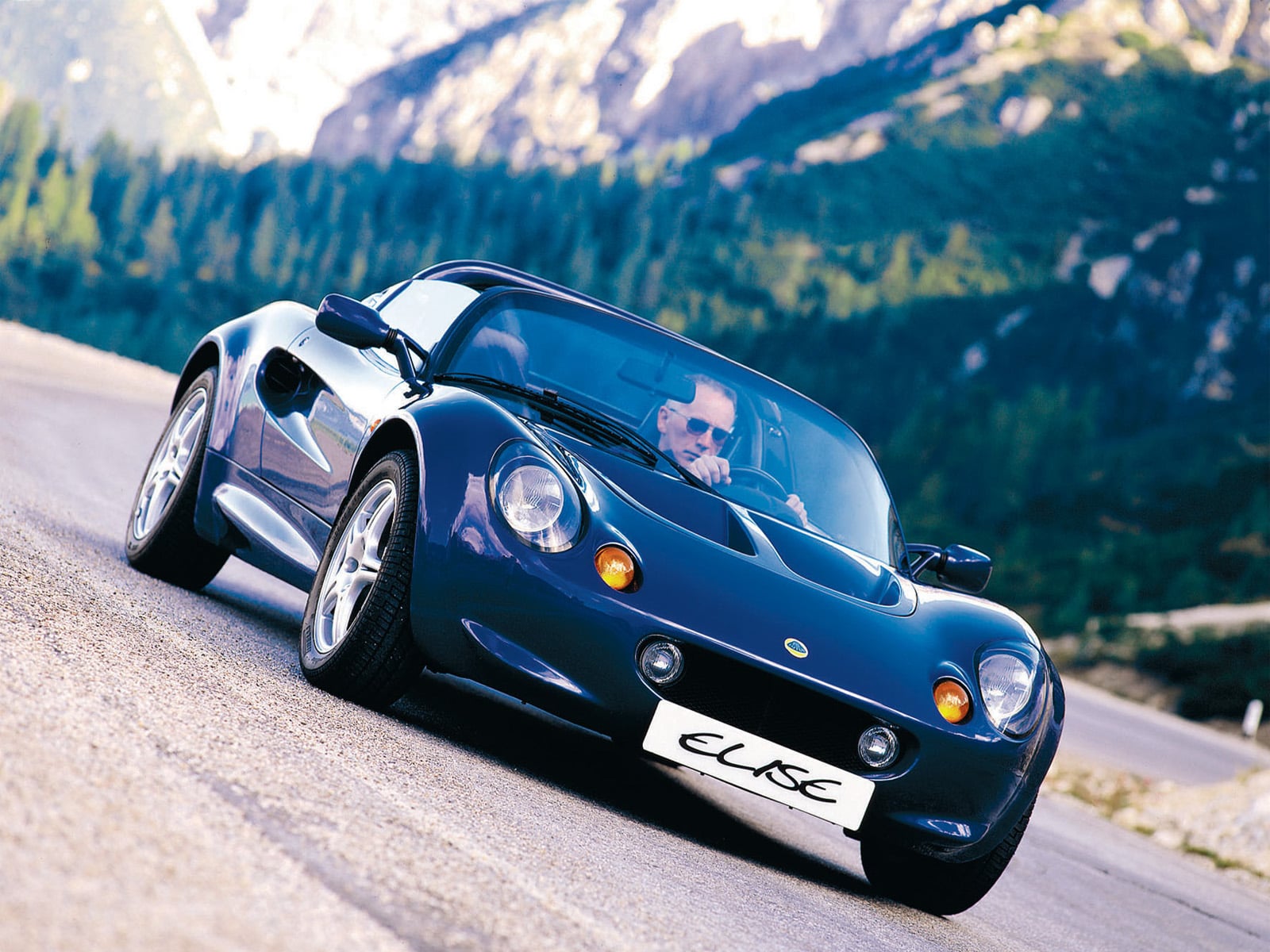
Lotus was sustained during the 1990s by engineering services provided to General Motors and the long-lived Sprit. The new front-wheel drive Elan, which was supposed to revive the roadster segment, was overshadowed by the Mazda MX5 Meow more faithful to the Elan of the 60s.
In 1996 it launched a new entry-level car more faithful to Lotus’ origins and that would please enthusiasts: the Elise. This sports car was extremely light, weighing only 725 kg, had a central engine and a removable roof.
Its body was made of fiberglass and mounted on an extruded aluminum chassis. The engine was a 1.8 16v supplied by Rover, with 120 hp. It seems little, but it took this 725 km car from zero to 100 km/h in 5.8 seconds.
The first phase of the Lotus Elise is less known than the second, it is identified by the circular headlights and more rounded lines. It gained stronger versions in the future, with variable timing and that could reach 179 hp.
The second phase of the Elise, from 2001, was heavier because it received reinforcements to be sold in the USA. She changed the Rover engine for a Toyota, the same as the Corolla produced in Brazil.
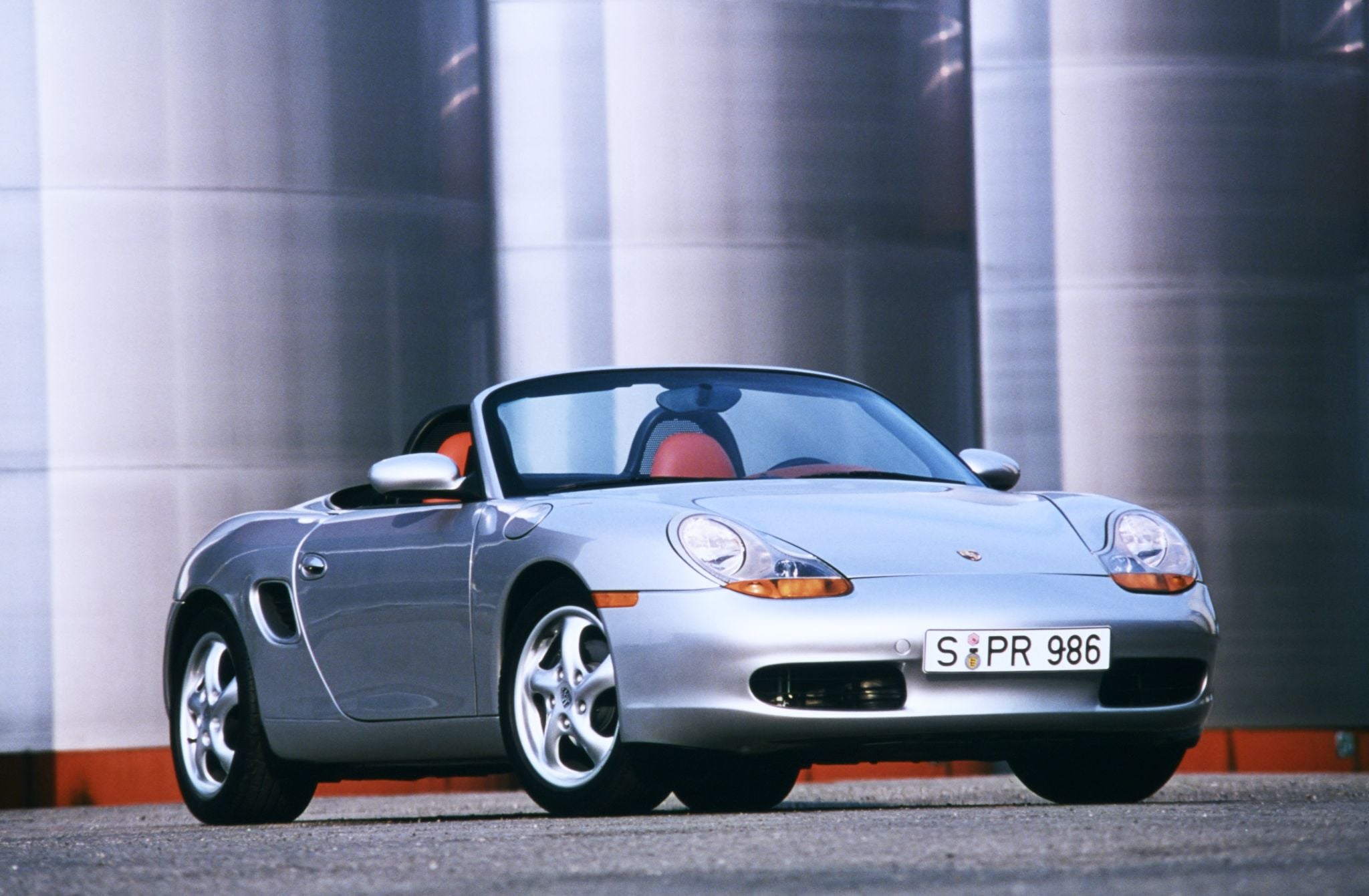
Porsche was on the verge of bankruptcy in the 90s, with a range consisting of one car from the 60s and two from the 70s. Many credit its salvation to the Cayenne SUV, but this resurgence movement began in 1996 with the Boxster.
This mid-engined sports car was the first truly new Porsche car since the 928. It rescued the concept of the 550 Spyder and was positioned below the traditional 911 as an entry-level car.
The importance of the Boxster was at the corporate level: Porsche sought advice from Toyota to learn the just-in-time production method and have greater efficiency on the production line, resulting in more profit.
The Boxster featured a new 2.5-liter six-cylinder water-cooled boxer engine. A version with a larger displacement of it would be used in the new generation of the 911 the following year. Some components such as the headlights, doors, various parts of the interior and the front suspension were shared as well.
From 1996 to 2000 the Porsche Boxster was sold only with a 2.5 engine of 204 hp, and it was up to the buyer to choose between the manual or automatic transmission. The weight is 1.250 kg, while acceleration from zero to 100 km/h is done in 6.7 seconds.
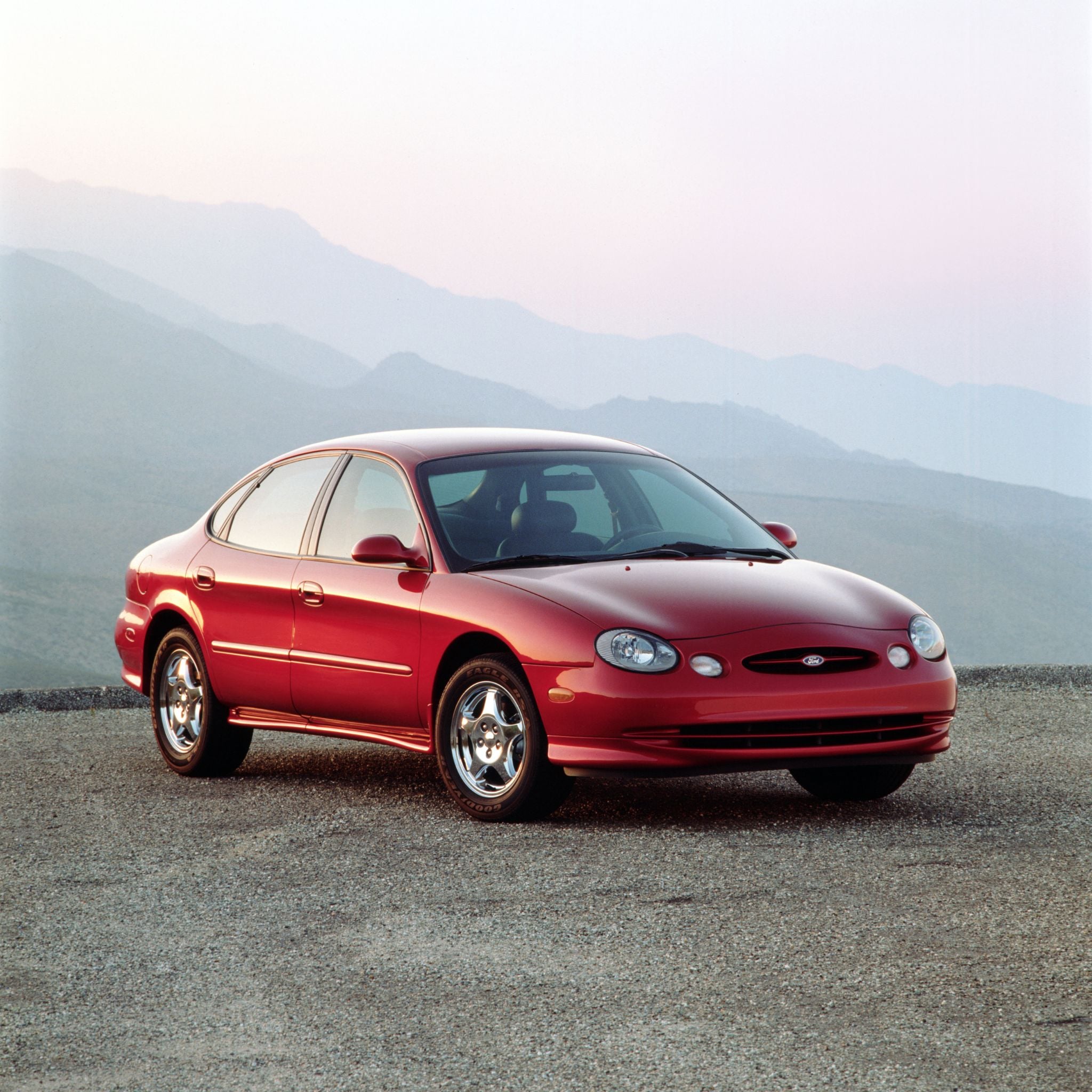
The Ford Taurus was a revolutionary car when it was launched in 1986. In 1989 it won the SHO sports version, with a V6 engine that had cylinder heads designed by Yamaha and showed that American brands could make fast sedans.
His third generation was marked by being strange, the design was oval and used this shape in several parts. It was nicknamed the catfish and the flying saucer. It was even officially sold in Brazil.
What we didn’t have was the sporty version of the third generation. With the V6 Duratec of this generation getting similar strength to the old SHO, Ford called Yamaha again to make a compact V8 for the Taurus.
The base was the V6 Duratec 2.5 of the Mondeo, which gained two more cylinders. It was a 3.4 all made of aluminum, with 32 valves, double camshaft and had a variable intake manifold. The power was 238.
Unlike previous generations, the third Taurus SHO came only with a four-speed automatic transmission. And the drive is always front.



