Partnership with Swedish manufacturer provides for module attached to the panel, but equipment does not dispense with the use of helmets and jackets
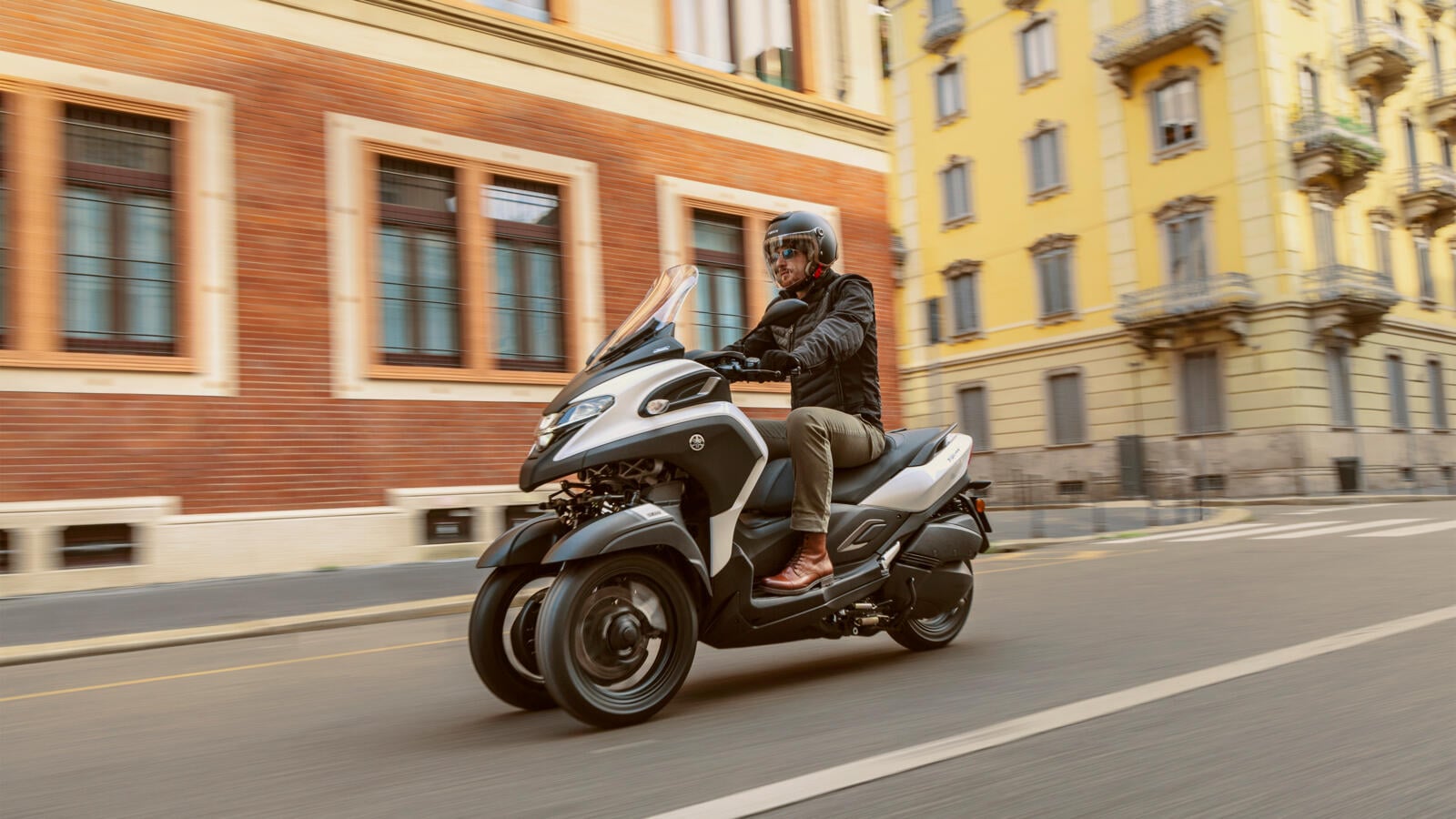
Japanese manufacturer Yamaha and Swedish vehicle safety giant Autoliv have entered into a strategic partnership to develop a front airbag system aimed specifically at scooters and tricycles. The initiative, which promises to raise the standards of protection for motorcyclists, will have its first practical tests carried out on the three-wheeled Tricity 300 model.
The choice of the Yamaha Tricity 300 as a laboratory is no coincidence. It is a tilting scooter equipped with two front wheels that tilt simultaneously during curves. This peculiar architecture already gives the vehicle a superior level of grip and stability, especially in adverse situations of wet roads or uneven asphalt, making it the ideal platform for the introduction of new restraint technologies.
SEE ALSO:
In the current design, the airbag module will be discreetly integrated into the front panel of the scooter. The mechanics of operation are similar to those of automobiles: in an eventual frontal collision, the device inflates in milliseconds in the direction of the driver. The purpose of the equipment is to act as a cushion cushion, absorbing violent kinetic energy and drastically reducing the risk of impact against the handlebars or against the obstacle causing the crash.
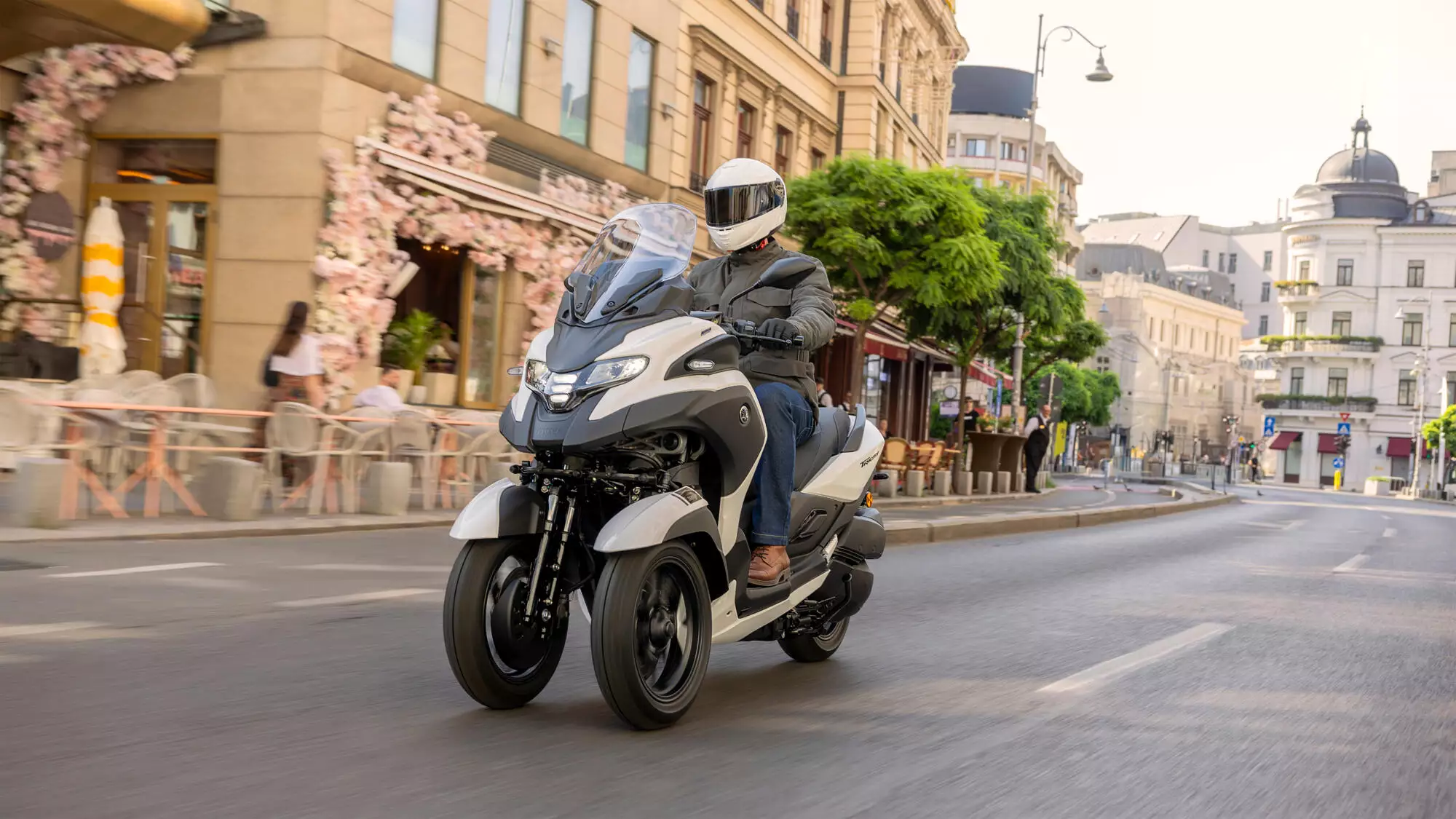
Although the concept is seen as a promising advance by the industry, the application of airbags on motorcycles still faces practical challenges. The dynamics of an accident involving motorcycles are significantly more unpredictable than those of a car. Without the confinement of a cabin and the use of belts, the driver can slip, roll over or be ejected away from the vehicle before the airbag can even perform its function effectively.
For this reason, experts are categorical in stating that the device does not replace traditional safety items. The strict use of a certified helmet, jacket with protections, gloves and appropriate footwear remains indispensable. The new airbag will operate as an important complementary layer of defense, helping to preserve the pilot’s physical integrity in critical frontal scenarios, but without eliminating the intrinsic risks of piloting.



