The two-wheeled sector in Brazil is undergoing a transformation driven more and more by the presence of women. Data analyzed by the Brazilian Association of Manufacturers of Motorcycles, Mopeds, Motorcycles, Bicycles and Similar (Abraciclo) show that, between 2015 and 2024, the number of women employed in the factories of the Manaus Industrial Pole (PIM) more than doubled, reflecting the advance of female participation in the industry and in mobility on two wheels.
According to information from the Ministry of Labor and Employment (MTE), in 2015 there were 1,511 women working in the manufacturers of motorcycles, bicycles, parts and accessories installed in the industrial hub. In 2024, this contingent reached 3,134 employees, a growth of 107%. Currently, they represent 17% of the workforce in the sector. In the same period, the number of employed men also increased, from 9,817 to 15,250 workers, an increase of 55%.
Standing out in companies
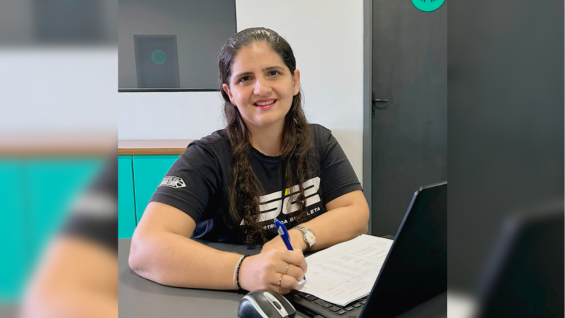
More than numbers, the female presence has been gaining prominence in different areas of companies, from production lines to management positions. Stories such as those of Joelma Costa, a people management analyst, Rejane da Silva, a production operator in the painting area, and Misleide Silva, a fiscal and administrative supervisor, illustrate the advancement of women in a segment historically dominated by men.
Joelma remembers that, at the beginning of her career, she was not familiar with the components of a bicycle.
Before, I didn’t know what a saddle, a fork or a crank were. Today I know all the stages of manufacturing and I am proud to work with a product that promotes health and quality of life”, he says.
According to the professional, the female presence also contributes to more collaborative and humanized corporate environments.
Joelma Costa is very proud of her work (Photo: Abraciclo | Disclosure)
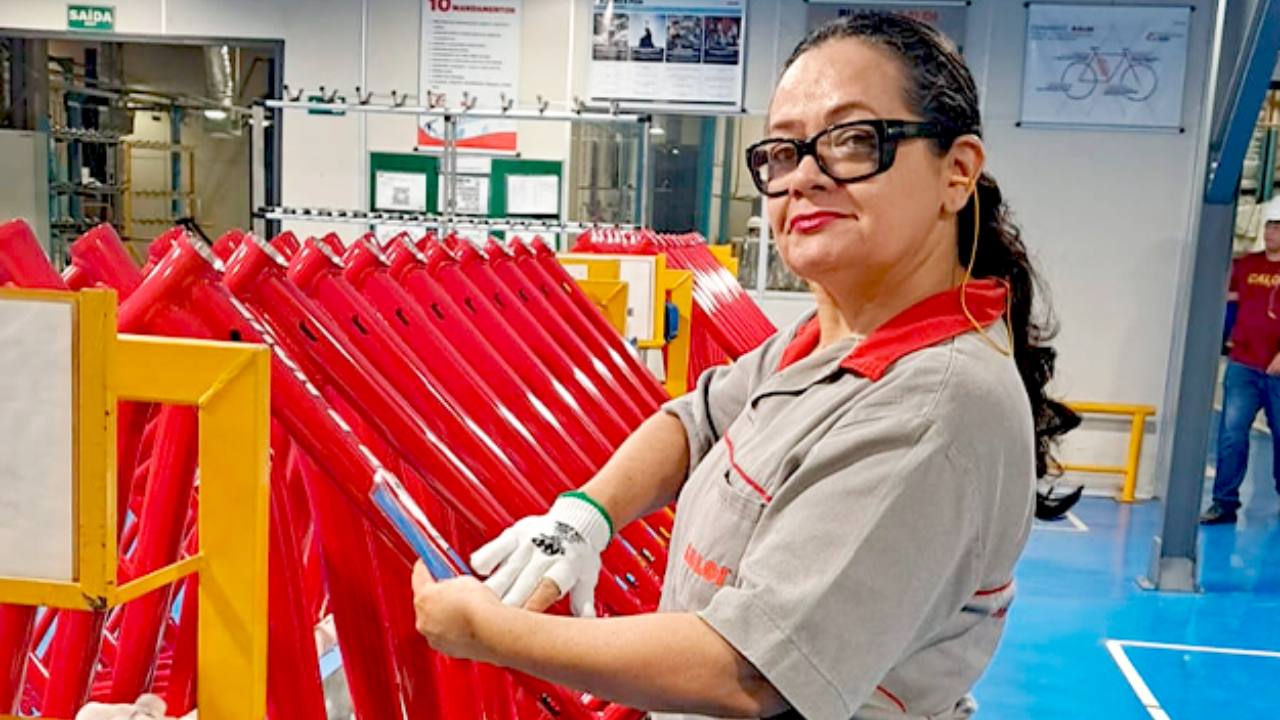
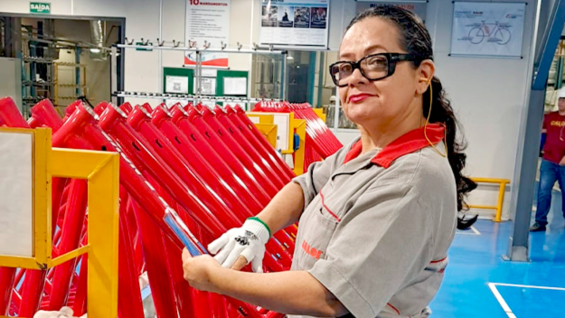
On the production lines, the attentive eye for detail also marks the female performance. Rejane da Silva works in the process of adhesive
It is a delicate and technical work. The female gaze makes a difference”, she highlights.
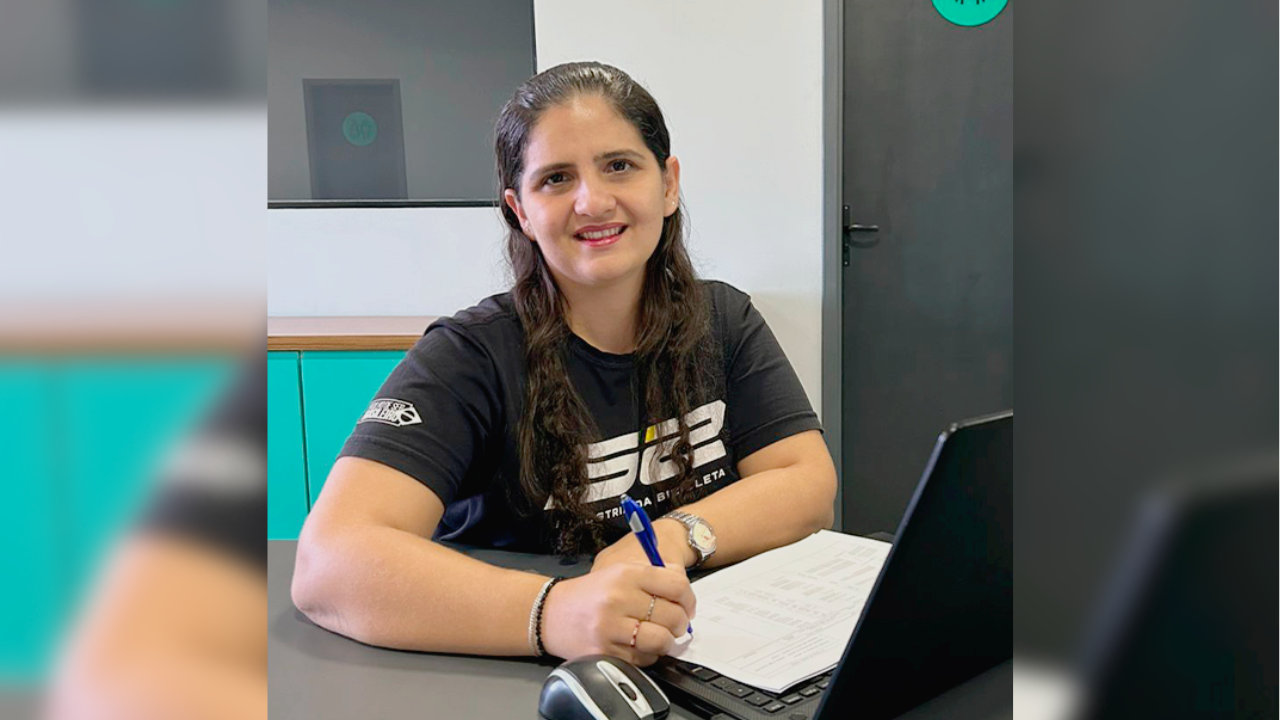
Rejane da Silva works on a bicycle production line (Photo: Abraciclo | Disclosure)Misleide Silva is an example of female leadership (Photo: Abraciclo | Disclosure)
Misleide Silva, on the other hand, works in an area that requires constant updating in the face of an increasingly demanding market. For her, the growth of the female presence proves that competence has no gender.
Our work adds organization, responsibility and strategic vision. Women are increasingly prepared and conquering space with merit,” she says.
This transformation is also reflected throughout the two-wheeler sector chain. Currently, the Brazilian market brings together about 154,989 professionals working in factories, dealerships, stores and maintenance services for motorcycles, bicycles, parts and accessories. Of this total, 42,577 are women, equivalent to 27.5% of the workforce.
Women also gain space on the streets
The female presence is also growing among motorcycle drivers. Currently, 10,605,484 women are qualified in category A in Brazil. Although they still represent about 25% of licensed motorcyclists, female participation has increased by 64% in the last ten years. In 2015, there were 6,461,927 female drivers.
Among men, the growth in the period was 35%, from 23,058,789 to 31,233,538 licensed motorcyclists.
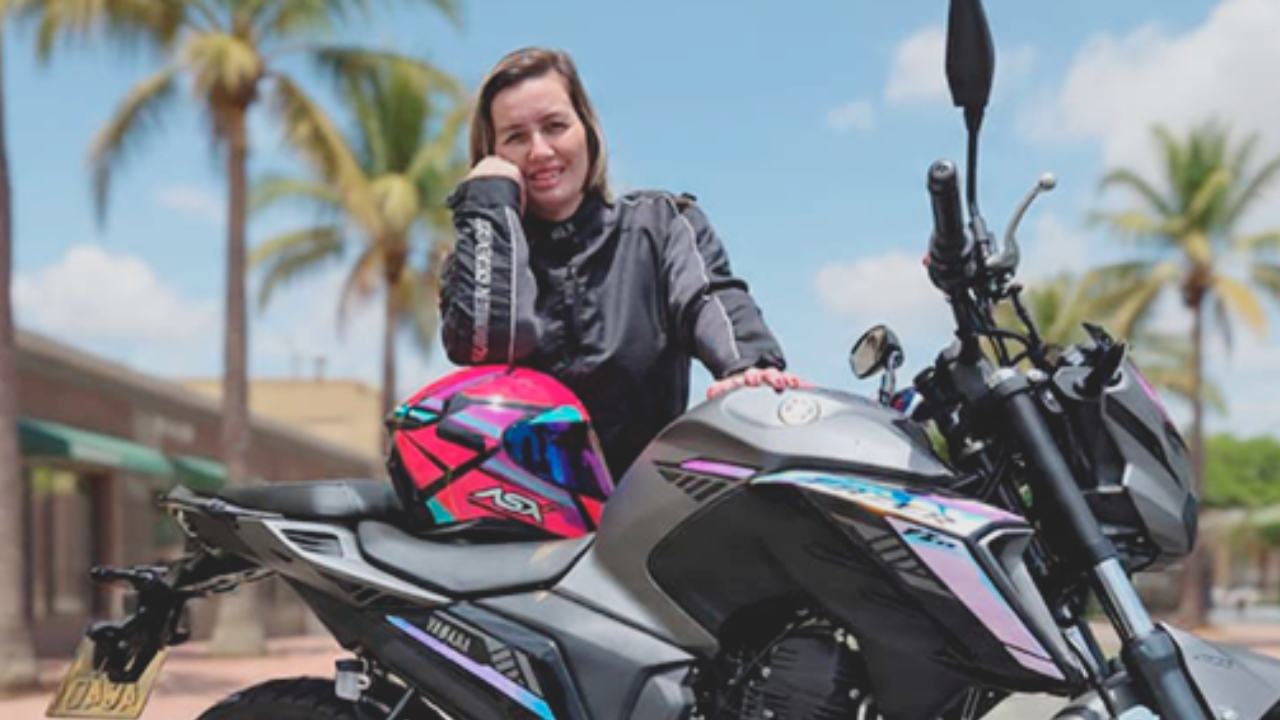
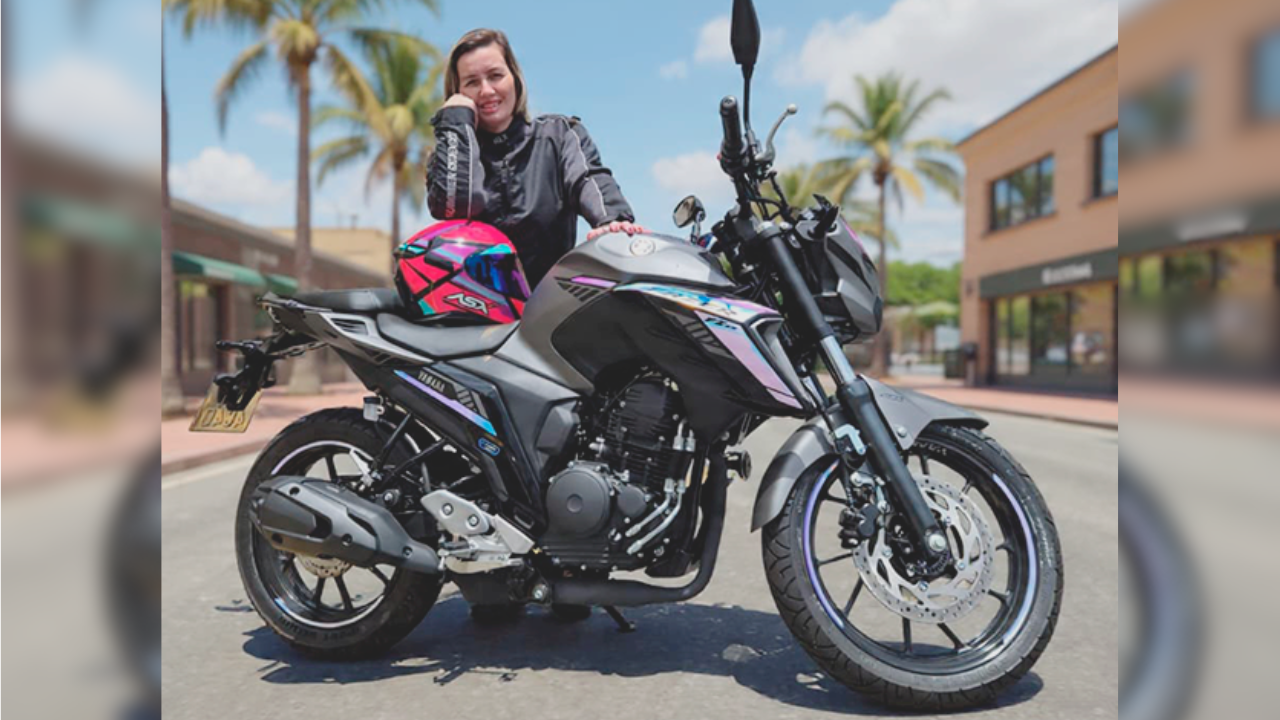
Among the new motorcyclists is technology manager Laura Schneider, known as Lau, who decided to get her license recently and incorporated the motorcycle into her daily routine.
Currently Laura has a Yamaha Fazer 250 (Photo: Abraciclo | Disclosure)
I started using the motorcycle to get around and I liked the experience so much that I have already taken four riding courses to improve my technique and ride more safely”, he says. According to her, one of the next goals is to ride a sports motorcycle on a racetrack.
Age group with the most motorcyclists
The highest concentration of qualifications in category A is among people aged 31 to 40 years, both among women and men. In this group, there are 3,641,174 qualified motorcyclists, against 8,416,289 men.
Next comes the 41 to 50 age group, with 2,563,994 women and 7,569,366 men qualified.
The third position reveals differences between genders. Among women, the largest presence is in the group between 26 and 30 years old, with 1,584,646 female drivers. Among men, the highlight is the 51 to 60 age group, which brings together 4,749,027 licensed motorcyclists.
Comments are the sole responsibility of their authors and do not represent the opinion of this site. Comments containing profanity or offensive language will not be published. If you identify anything that violates the terms of use, please report it.