Technology that 'replaced' the four cylinders receives criticism from the public, but technical explanations prove its quality
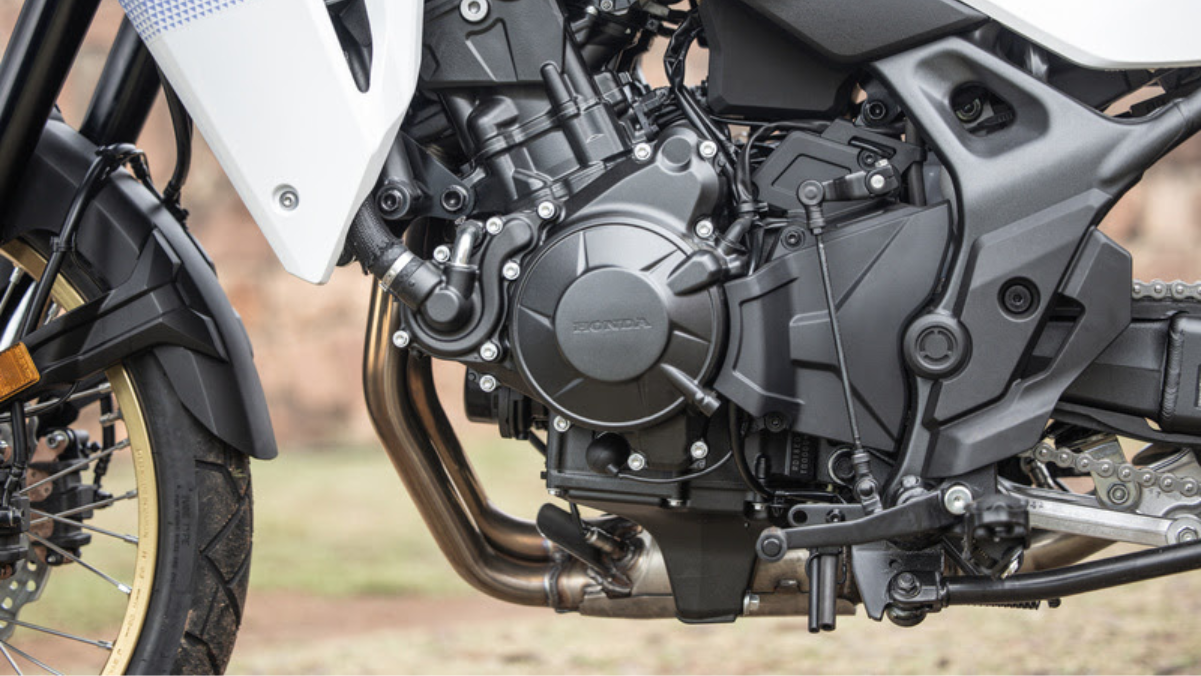
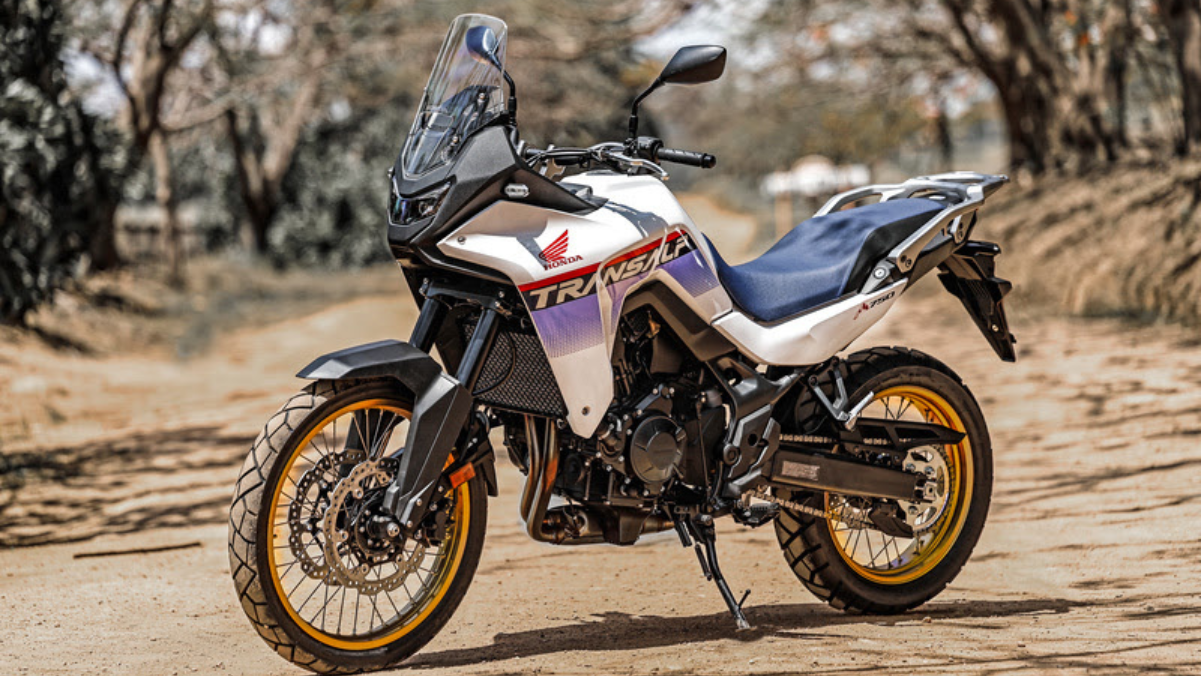
Recently, Honda brought to the Brazilian market a range of models already expected by two-wheeled enthusiasts, such as the intermediate CB 500 Hornet and NX 500. However, among these and others, the models that drew the most attention were the brand’s new 750; the new CB 750 Hornet and the XL 750 Transalp. Both share the same motor base, although with different proposals.
For Transalp, which since its old generation was twin-cylinder and has a more adventurous proposal, the new engine, which is also twin-cylinder, was not a reason for alarm, but the situation changes when talking about the new Hornet, after all, the model has always been four-cylinder. However, before taking on the criticism, it is important to know this two-cylinder technology that, at its base, bet on weight reduction and increased efficiency.
SEE ALSO:
In a recent meeting with the Honda team, precisely to test the new 750 models, the technical doubts and motivation for the adoption of this new engine were resolved.
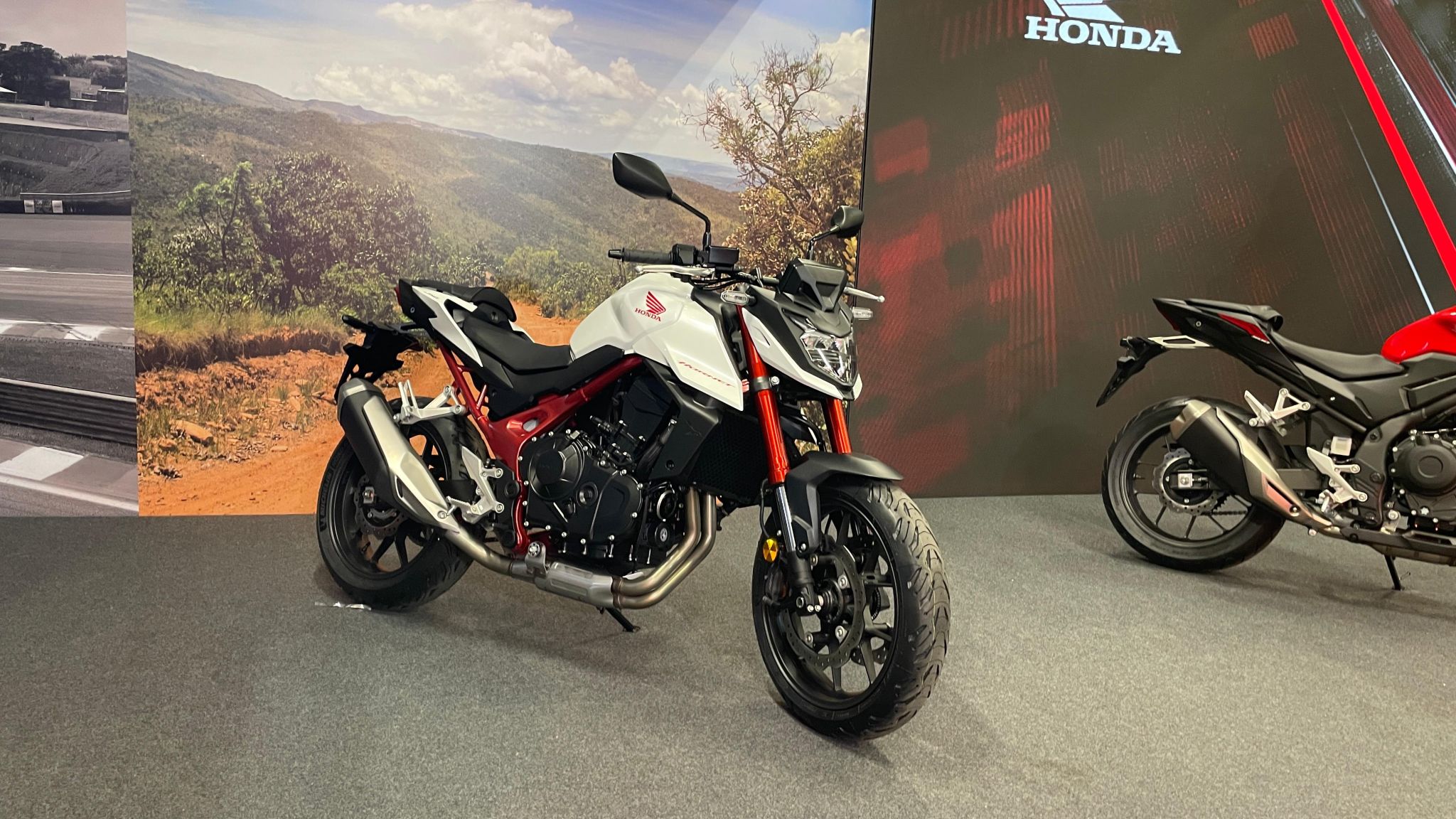
In addition to the natural evolution of the brand to develop new engines, technologies and motorcycles, the motivation of a twin-cylinder engine also has environmental reasons. In 2014, when the four-cylinder CB 600F Hornet was discontinued in Brazil, the causes were the tightening of carbon emission laws. Now, the return of the new Hornet 750 comes with an engine that pollutes less, and the twin-cylinder characteristic was one of the alternatives that the brand found to solve this issue.
However, much is said about the issue of the twin-cylinder, but few understand if there is quality in the engine in question. Without comparing it to a motorcycle that has more “mugs”, the model proves its efficiency with at least two points of technological advancement.
As Honda’s public relations supervisor, Luis Gustavo, explained in a presentation and interview with AutoPapo, the new 750 twin-cylinder engine, “the technology of this engine starts from the air intake system”.
Honda’s patented Vortex Flow Ducts system creates a constant airflow from the side air intakes to the filter. When air enters through the intake, it begins to make a vortex. At this moment, the box tapers and the air gains strength. With a stronger air intake, the air-fuel mixture enters the engine faster, and the bike’s throttle response is more efficient.
In practice, this technology means that, as soon as the pilot presses the accelerator, the models respond with superior efficiency.
Luiz also highlighted the addition of Unicam technology to the new engine, a strategy that saved weight in the set, which has 56 kg.
“For the engine to be compact and light, to have high performance, they are usually dual-camshaft. For this engine, we have performance as if it were a double command, but with a simple command.”
In summary, Honda’s Unicam system is a camshaft solution that uses only one camshaft in the head, combining characteristics of SOHC and DOHC engines. In this system, the control acts directly on the intake valves, while the exhaust valves are activated by rocker arms, which allows the size, weight and complexity of the engine to be reduced.
This Unicam technology is mainly used in off-road competition CRFs, which need super compact and super light engines. And also on the Africa Twin, which is a big trail that cannot count on additional weights at points of extreme demand on the bike.
Even though these are the two main points of the new engines, after all, they can be perceived in driving, Honda still highlights other technologies in its new 750 engine. The 270º crankshaft eliminates secondary vibrations and improves the operation of the assembly, and the water pump, internal to the side cover, is coated with Ni-SiC (Nickel-Silicon Carbide) in the cylinders — a mixture that improves performance and increases service life.
The FLS (FCC Lining System) system in the clutch is also a differential. The technology, on Honda motorcycles, refers to the coating designed to offer a higher coefficient of friction and better heat dissipation, ensuring smoother, more progressive and consistent couplings, even under heavy use.
In practice, FLS contributes to the reduction of vibrations, less disc wear, greater clutch durability and more precise feel in the drive, reinforcing the reliability of the set in different riding conditions.
As said, although they are not four cylinders or the same as the old ones, the technology promises high efficiency and is up to the competition. Here at AutoPapo, the impressions about each of the motorcycles will be published this week.



