Non-standard clearance can cause loss of performance, increased consumption and even internal damage to the motorcycle engine
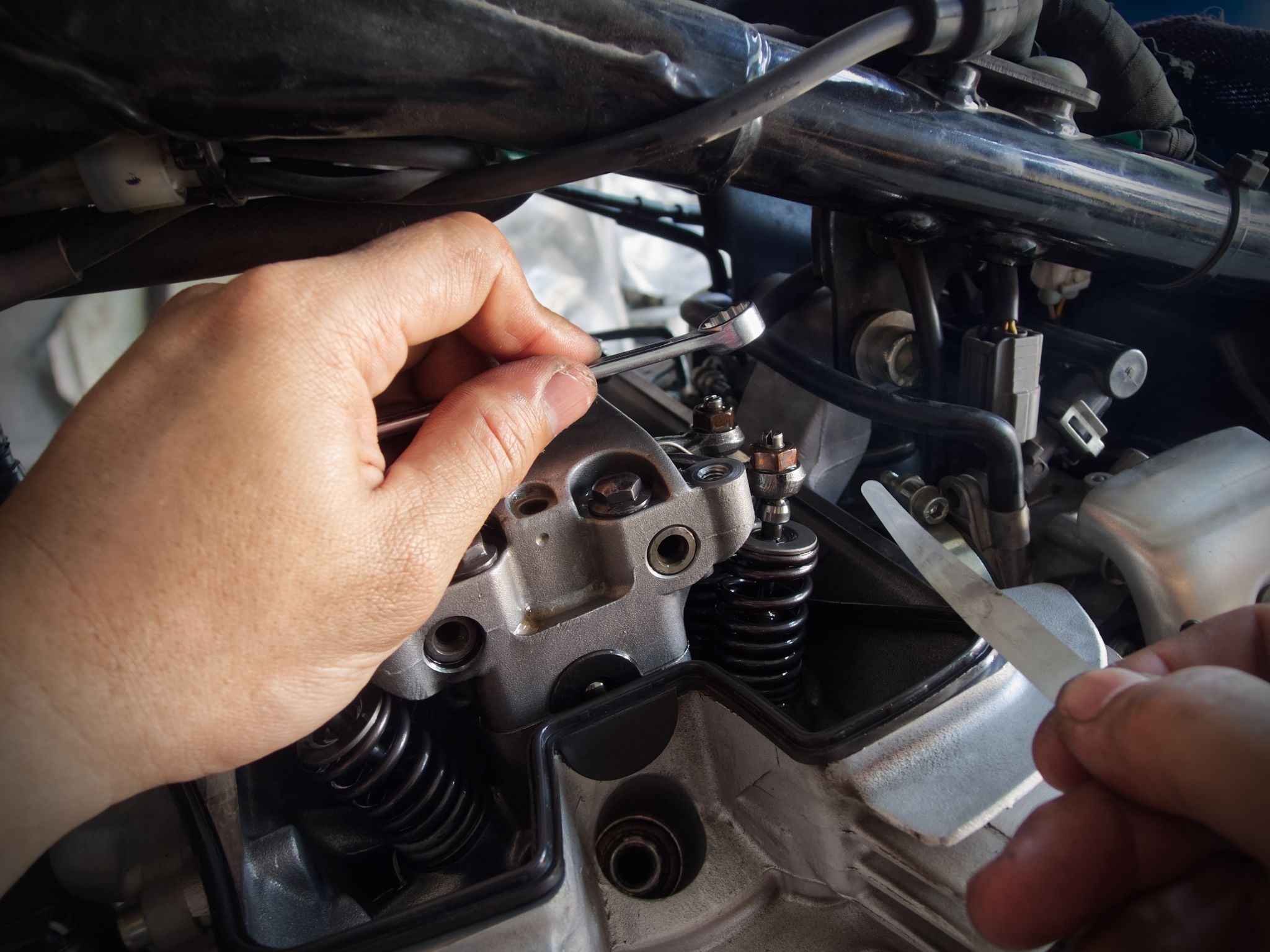
At the time of overhaul, it is common for the vehicle owner to have major concerns about changing the oil, after all, he is the main responsible for keeping the engine working properly. However, this is also where many forget or do not pay attention to the other needs of a propeller. Valve regulation is one of those maintenances that are left aside and can be expensive.
SEE ALSO:
Valve adjustment on motorcycles is also important for the proper functioning of the engine and, therefore, must be followed according to the manual. It is common for most commercialized models to need this service every 5 thousand or 6 thousand km, but some can reach intervals of 10 to 12 thousand km.
The vast majority of motorcycles have two valves at the top of the engine: the intake valve and the exhaust valve.
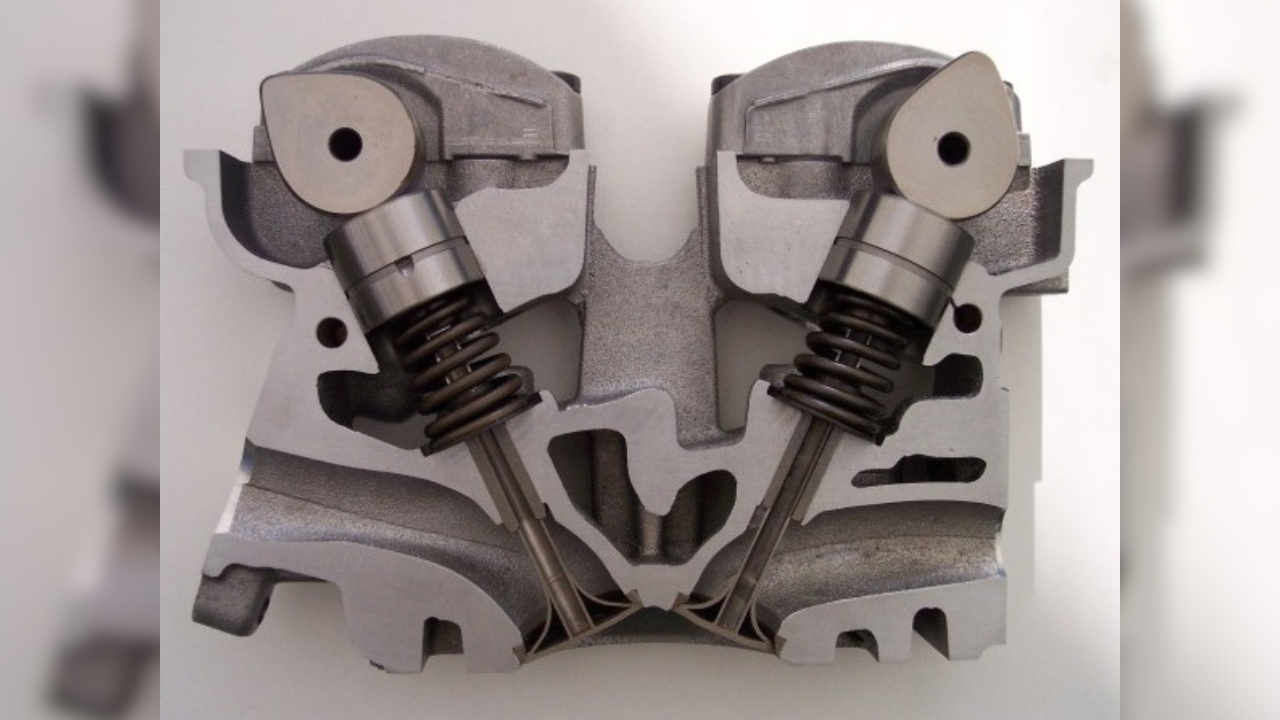
The intake valve, usually located near the engine’s intake, is responsible for allowing the air/fuel mixture to enter the interior of the cylinder, taking the elements to the combustion site.
After this entry of the mixture and the burning of the elements, it is the escape valve that comes into action. It has the function of releasing the gases resulting from combustion, ensuring that the engine cycle repeats correctly.
When this gap deviates from the factory standard, adjustment is necessary. At the time of verification, the technician in question uses a “clearance calibrator”, a tool that has the exact measurement to measure the spacing between the valves and the control. With the blades, it will check whether the clearance is correct or not.
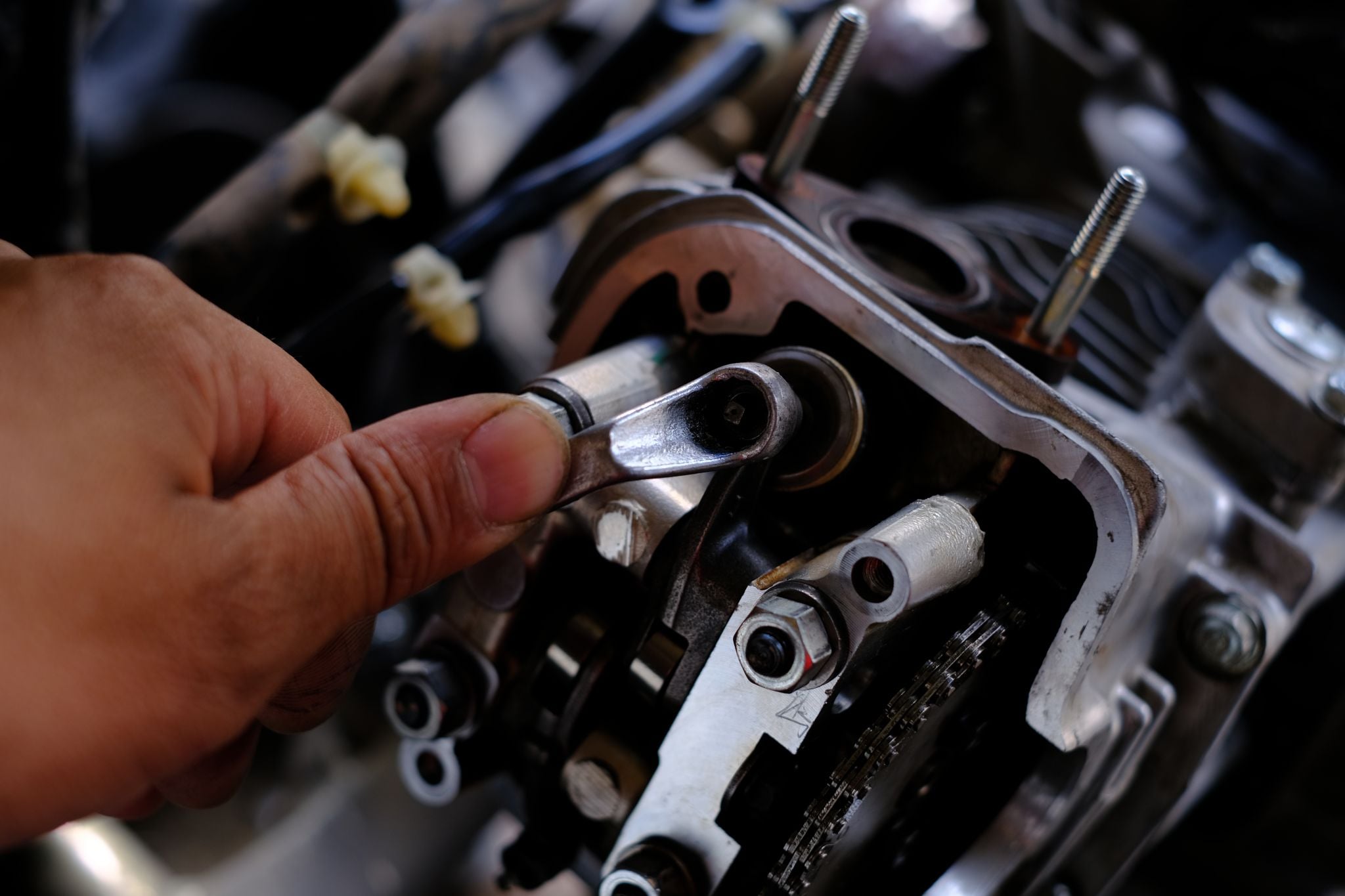
If not, a second step is necessary: valve adjustment. The procedure may vary according to the engine design, and can be done by means of screws and locknuts or by calibrated pads, requiring greater precision and, in some cases, partial disassembly of the assembly. Maintenance is not usually complicated and, in less than 1 hour, the model can be running again.

Ignoring the valve adjustment can bring direct damage to the operation and durability of the engine. When the clearance is greater than specified, there is a loss of efficiency in the opening of the valves, resulting in a drop in performance, irregular operation and increased mechanical noise.
When the gap is less than recommended, the risk is even greater. The valve may not close completely, compromising the seal of the combustion chamber, raising the temperature of the component and favoring accelerated wear of the valve and its seat. In extreme cases, this can lead to valve burnout and the need for more complex and costly repairs, such as grinding the upper engine head.
Non-standard regulation can cause difficulty in starting, increased fuel consumption and even malfunctions, especially with a hot engine. To avoid this, correct checking and maintenance is essential.



