Models are the closest competitors in the category and, with competitive prices, have become the option of those looking for a mixed-use mid-ranger.
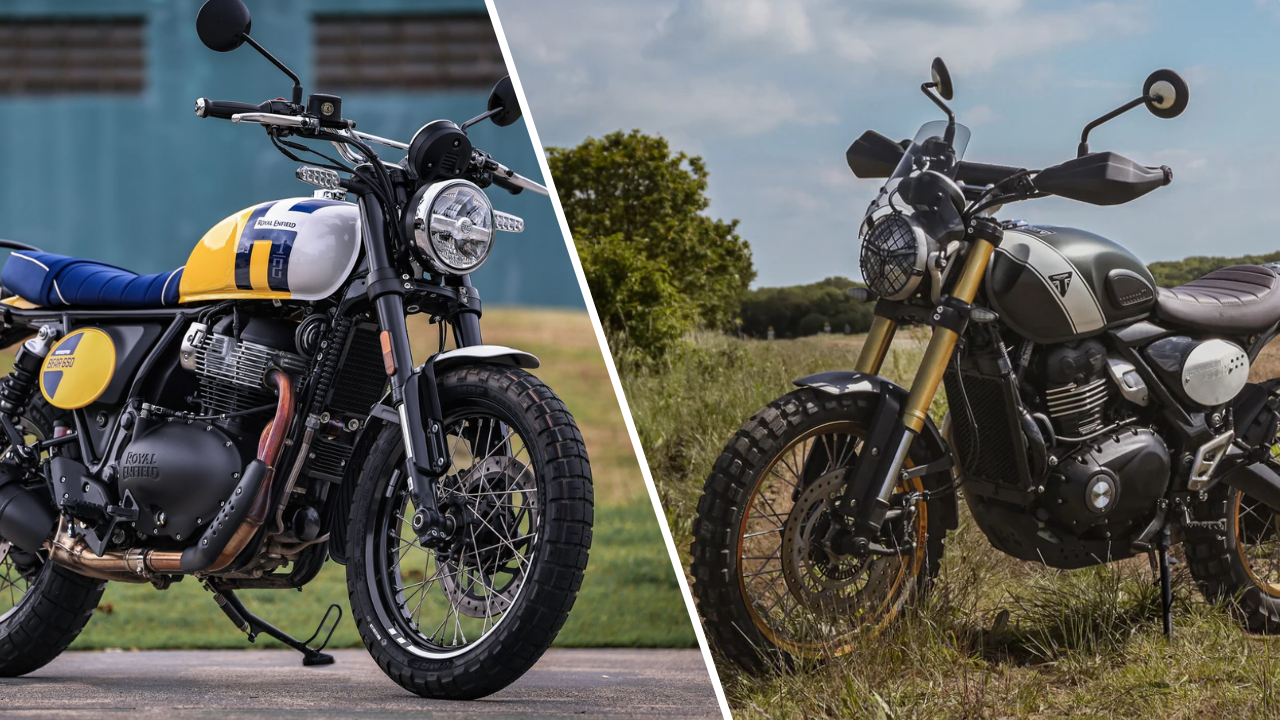
A few months ago, the Royal Enfield compared to the Triumph Scrambler 400X was the Himalayan 450, after all they were the only multi-terrains in the 400 cm³ range and in the range of R$ 30 thousand. However, at the beginning of 2026, everything changed, as the Indian brought a real competitor to the English, the Scrambler Bear 650.
SEE ALSO:
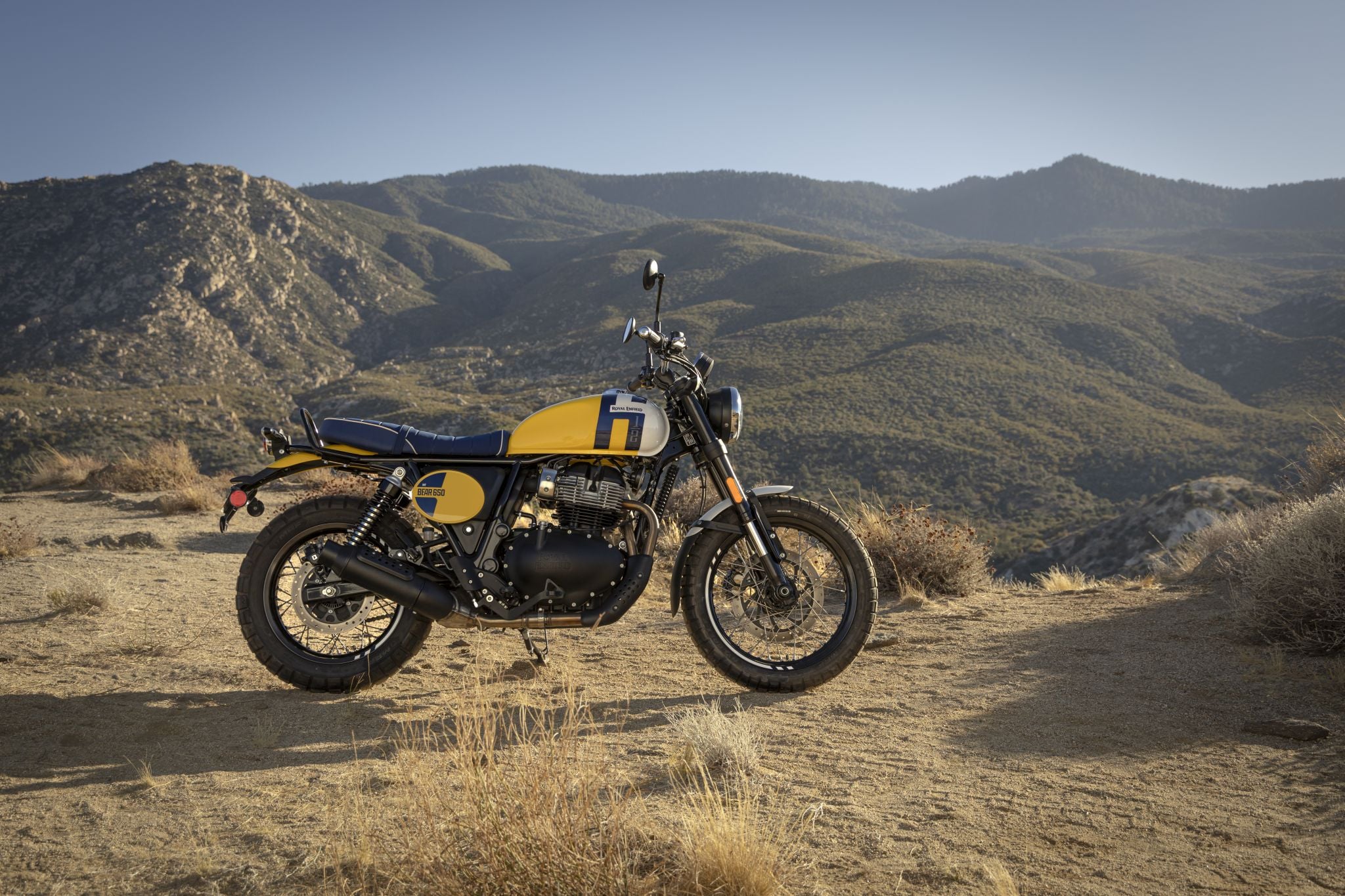
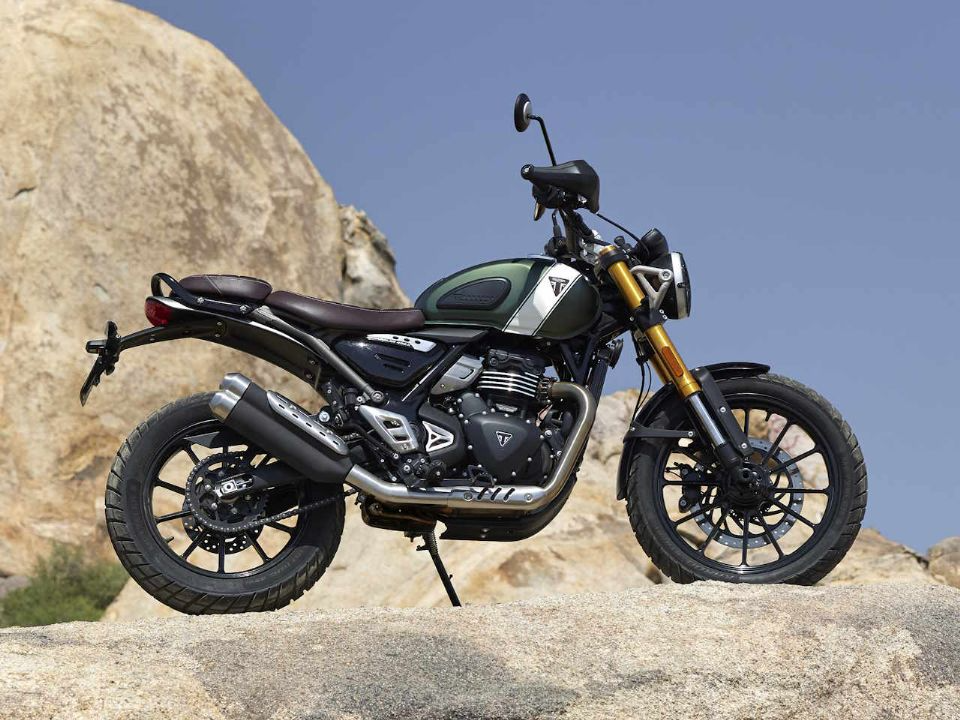
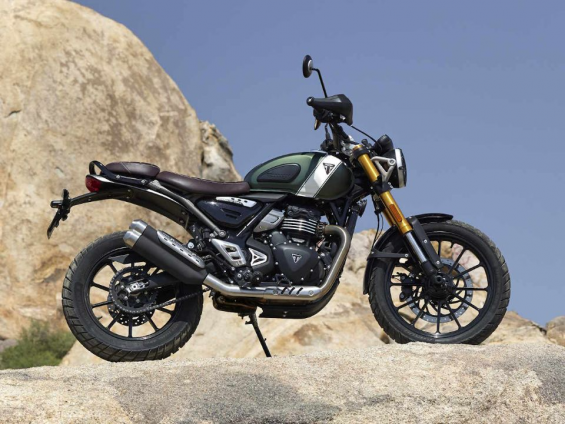
The newcomer model joined Triumph to become the only two mid-engine scramblers in the country. Both draw attention for their proposal and value, but each has its points of attention.
In one of the most observed aspects by motorcyclists, the winner is the new Indian. After all, it is a 648 cm³ twin-cylinder engine against a 398 cm³ single-cylinder.
In power, there are 47,4 hp of the Bear 650 against 40 hp of the Scrambler 400X and, in torque, 5,7 kgf.m as opposed to 3,8 kgf.m, respectively. In these aspects, it is clear that the Indian has more strength and speed. Both have 6 gears.
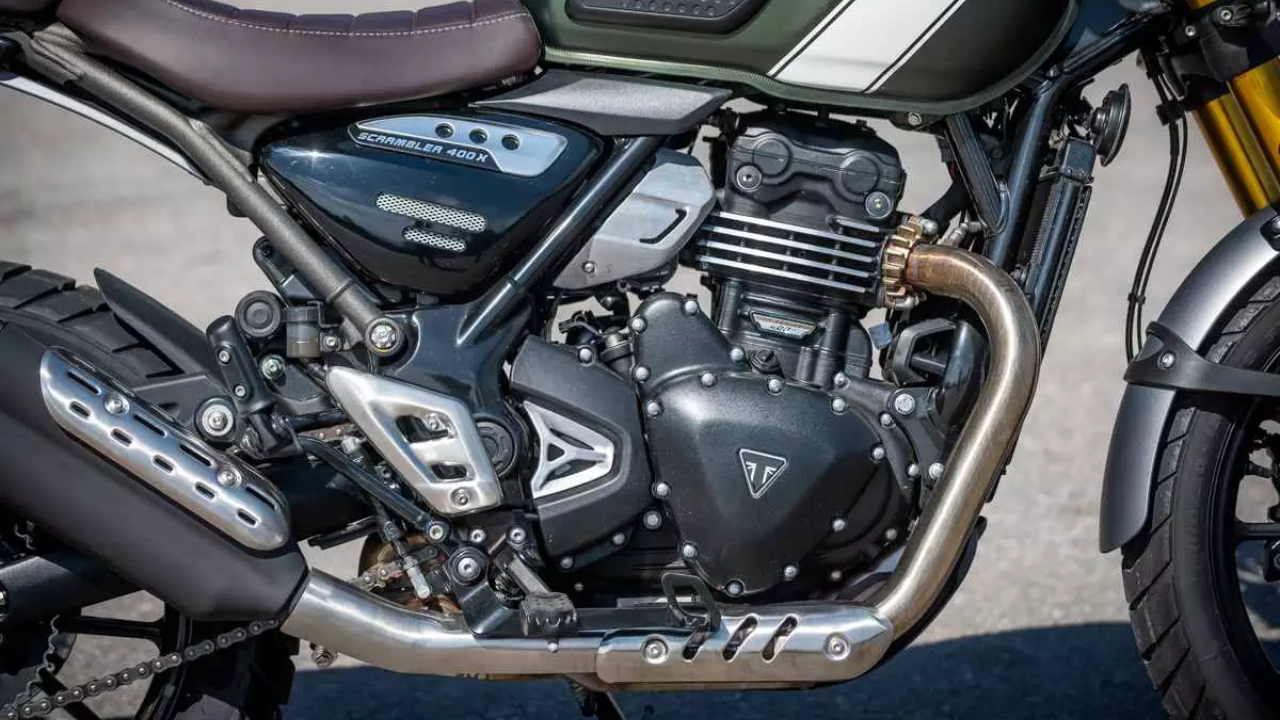
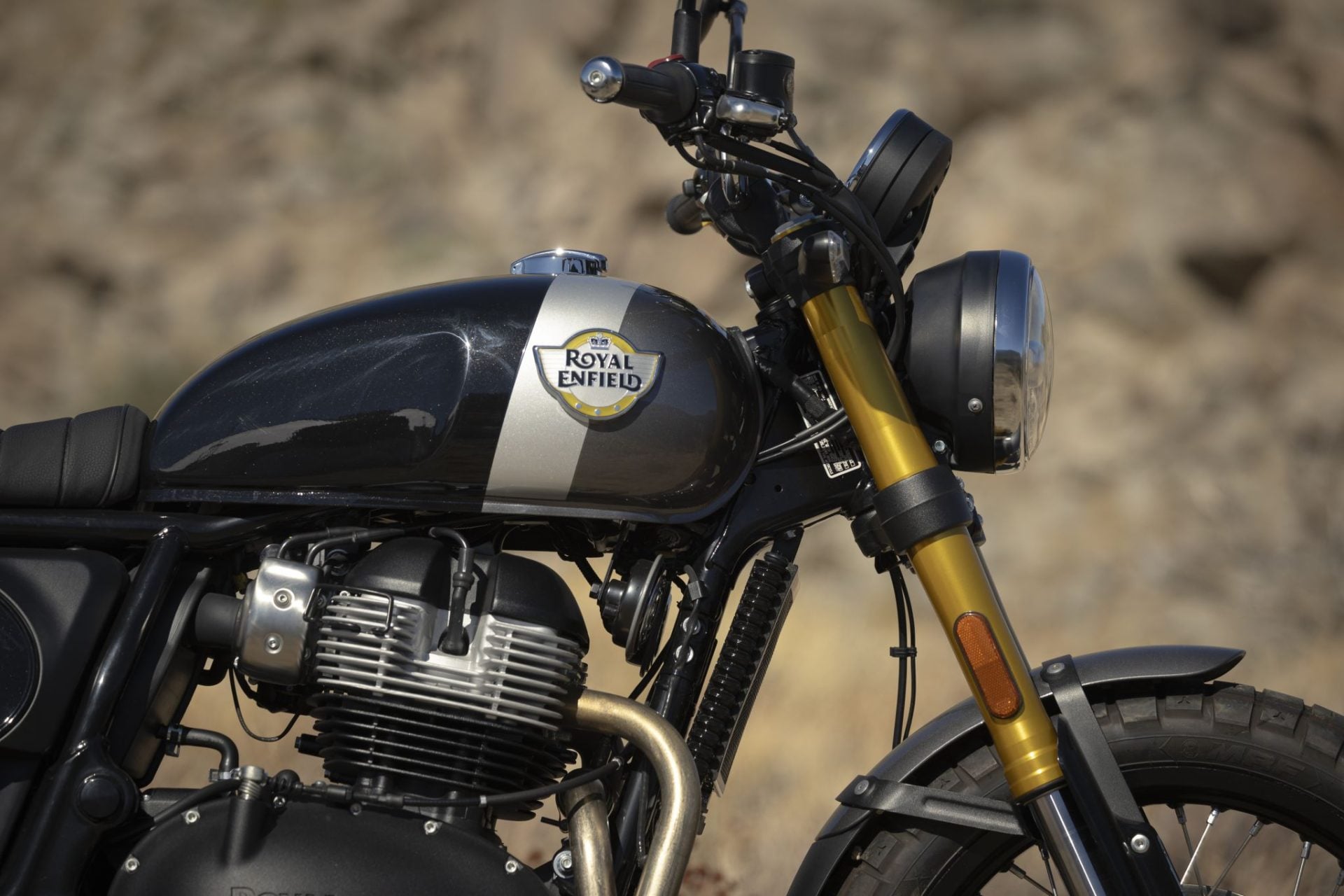
Although with a smaller engine, the English has an advantage in its cooling system, which is liquid and thus more efficient than the 650.
| Dimensions | Royal Enfield Bear 650 | Triumph Scrambler 400X |
|---|---|---|
| Distance | wheelbase: 1,460 mm | 1,418 mm |
| Length | 2,216 mm | 2,117 mm |
| Width | 855 mm | 901 mm |
| Height | 1,160 mm | 1,169 mm |
| Seat | 830 mm | 835 mm |
| Weight in running | 214 kg | 179 kg |
| Fuel | 13.7 liters | 13 liters |
Here, the advantage is Triumph’s. As it is a motorcycle with a smaller engine, it is also shorter and slimmer, which, together with the 35 kg lower weight, makes it much more malleable. In addition, it loses almost nothing in the size of the fuel tank, having a much better autonomy.
The average fuel consumption of the Triumph Scrambler 400X easily reaches 25 km/l, while the Royal Enfield Bear 650 is below 20 km/l.
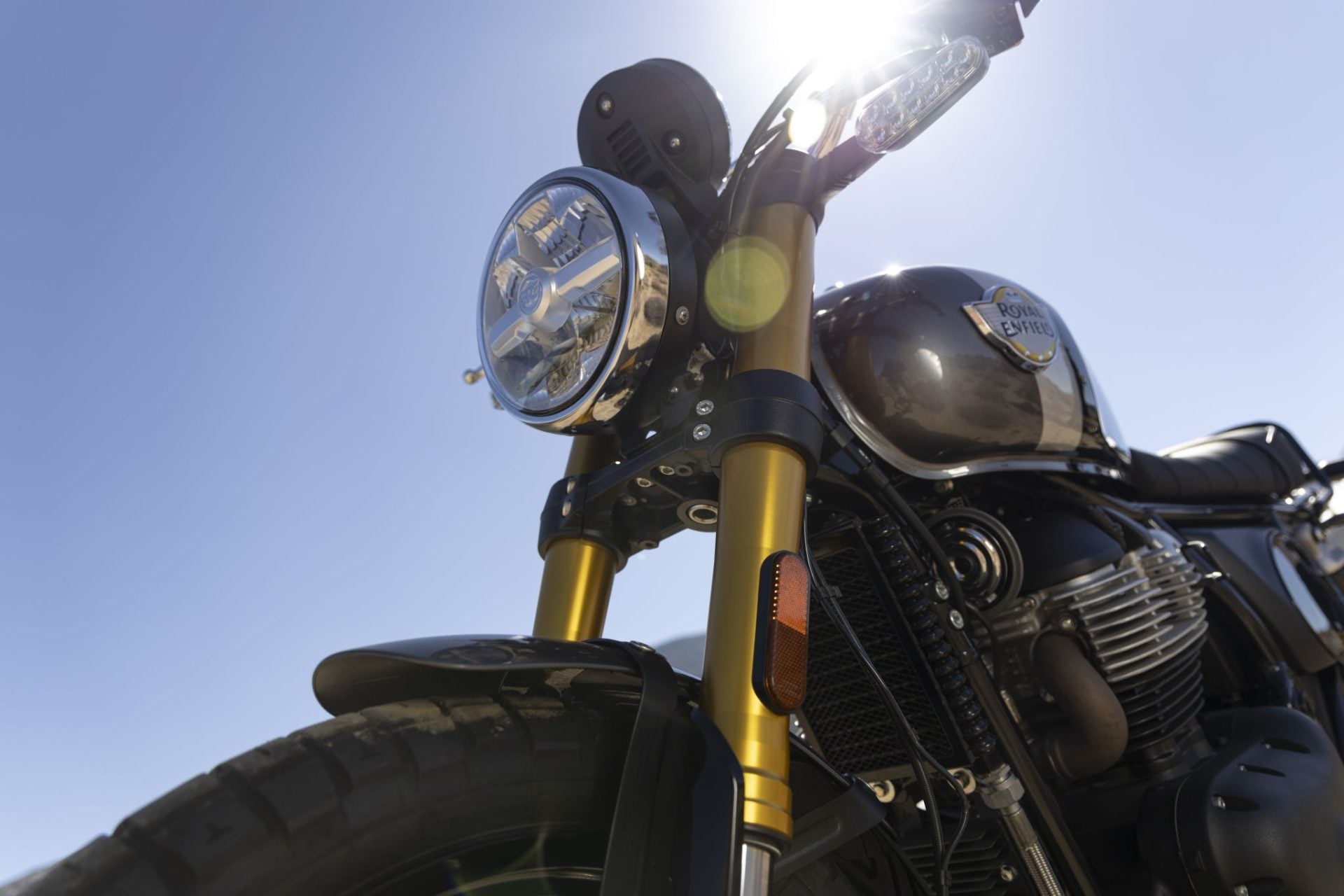
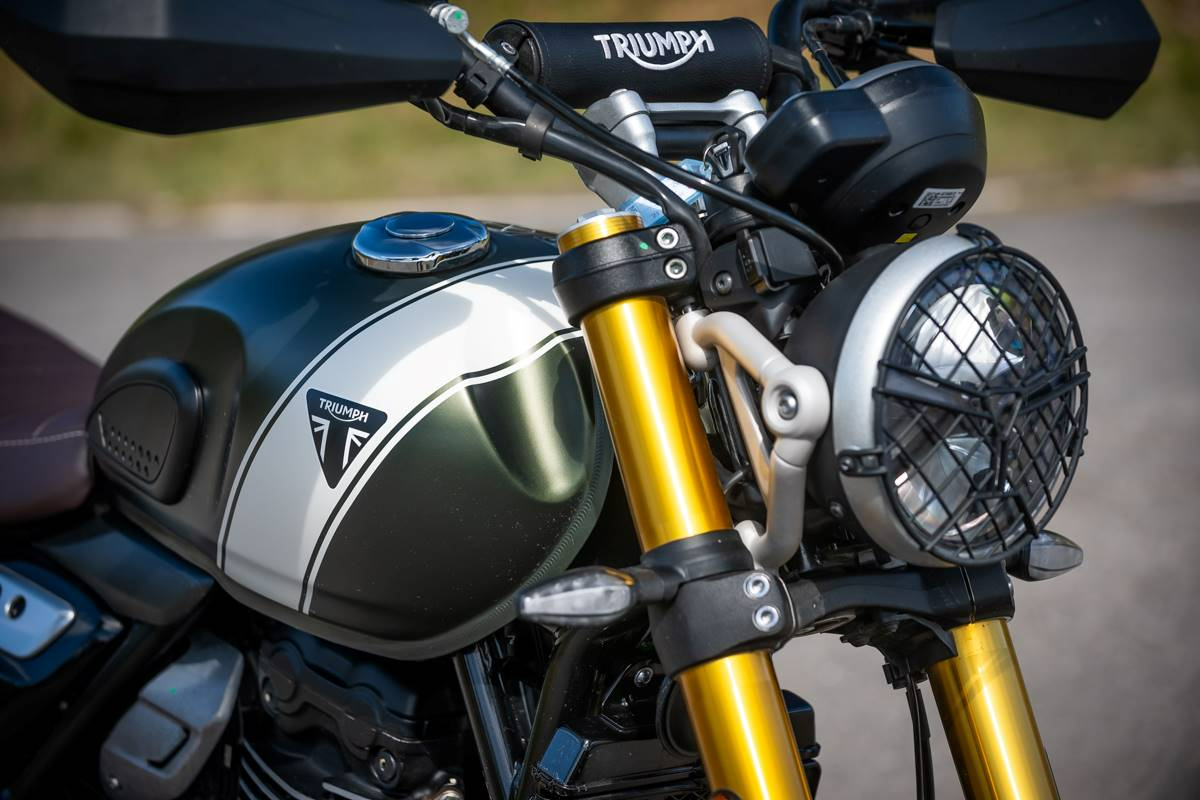
Once again, the advantage is Triumph’s. Even though the wheels are the same size — 19 at the front and 17 at the rear — the Scrambler 400X comes standard with a tubeless set, which is more efficient in the off-road proposal and where the owners of these bikes ride more. Bear, on the other hand, offers only options with a camera from the factory.
In the suspensions and shock absorbers, the English has longer sets, with 150 mm of travel at the front and rear, while the Bear has 130 mm and 115 mm, respectively.
Here the race is tough and will depend on the criteria of each driver. Both bikes have full LED lighting and an assist and slipper clutch, but Triumph has an advantage in rider assistance, as it has traction control. The Bear 650, on the other hand, leaves the pointer panel in the past and integrates a 5-inch TFT and smartphone connectivity.
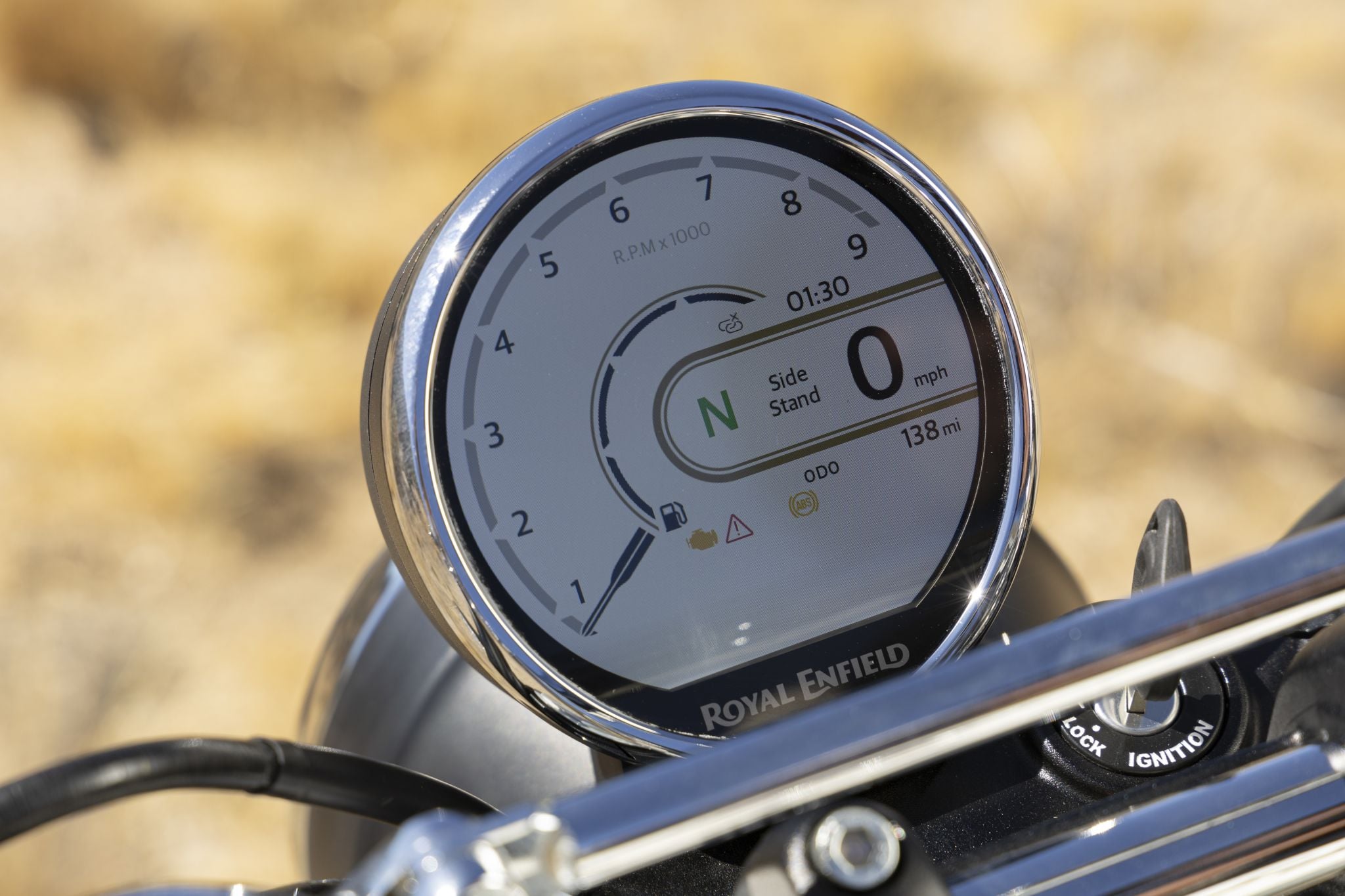
Even though taste is something particular, it is undeniable that Royal Enfield has the advantage here. With a much more classic style, the Bear 650 draws attention. The colors, the style of the seat and the lights also add to the differentiated set.
The Triumph Scrambler 400X, on the other hand, bets on a more modern look that, in terms of scrambler, even lacks dual rear shock absorbers.
Considering that both start from the same value, of R$ 33.990, the purchase decision depends. Although both are classic multi-terrain scramblers, the choice will depend on the rider’s style to know which is better.
On longer trips, with hours on the road and higher speed, Royal Enfield is undoubtedly the best option. However, for use within the city, where more lightness and agility are needed, Triumph certainly has an advantage.



