These models, which are the fastest bikes on the track, can cost millions of dollars in just one unit
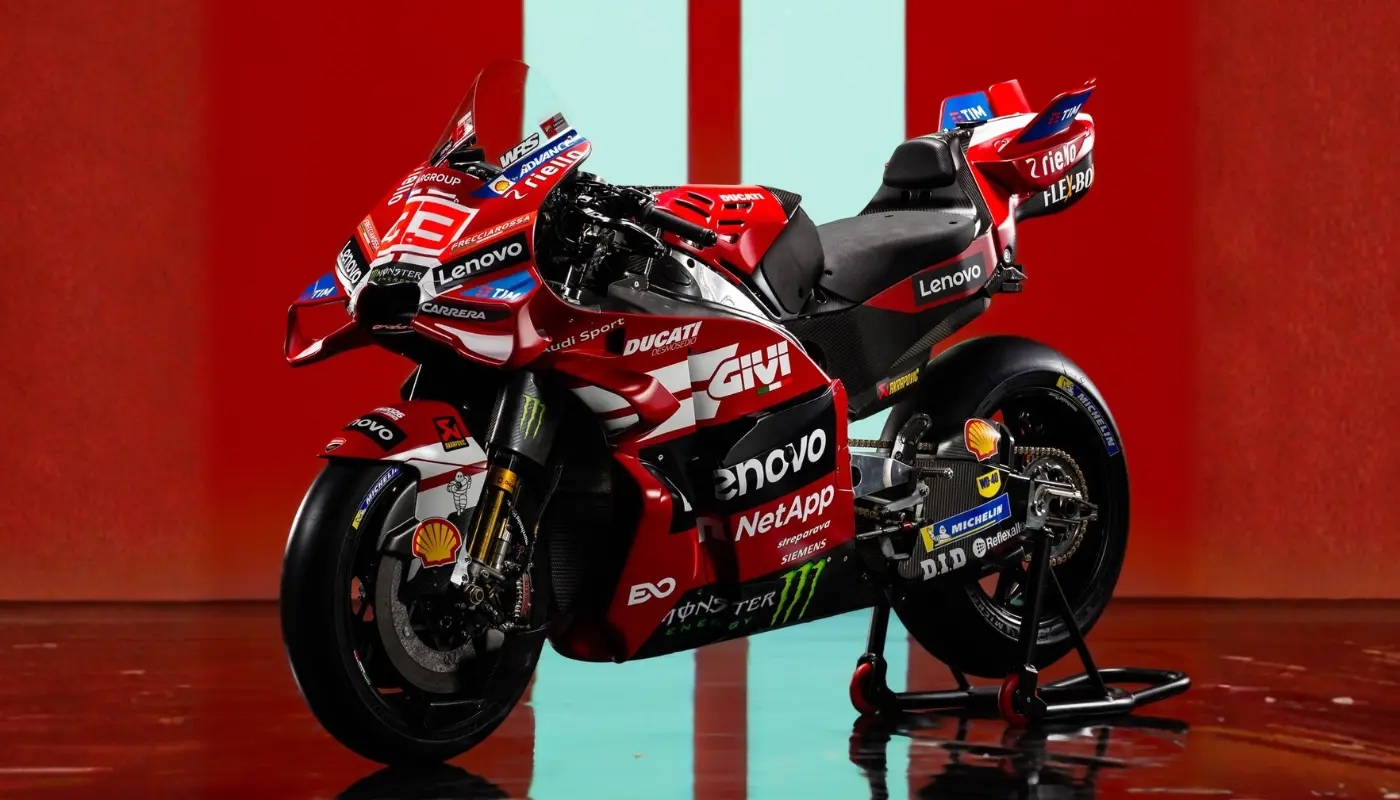
The biggest motorcycle competition in the world, MotoGP, returned to Brazil after 22 years and, this Sunday, the main races will take place in Goiânia (GO). The spotlight on supermachines brings together, in addition to enthusiasts, the general public, who often do not understand the size and uniqueness of each of these motorcycles. After all, each MotoGP copy is a unique project, which can exceed millions of dollars.
SEE ALSO:
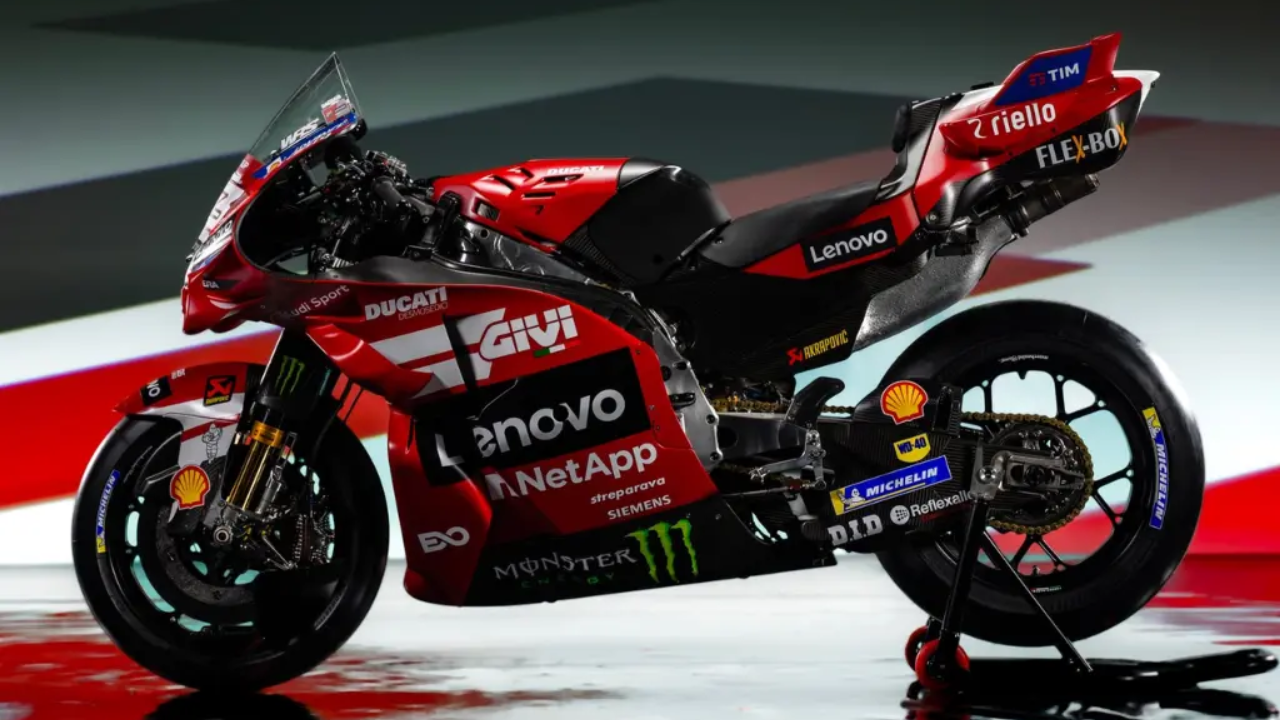
It is estimated that a MotoGP bike can easily exceed € 3 million (more than R$ 18 million), considering development, materials and embedded technology. And that’s not counting operational costs for staff, maintenance, and logistics.
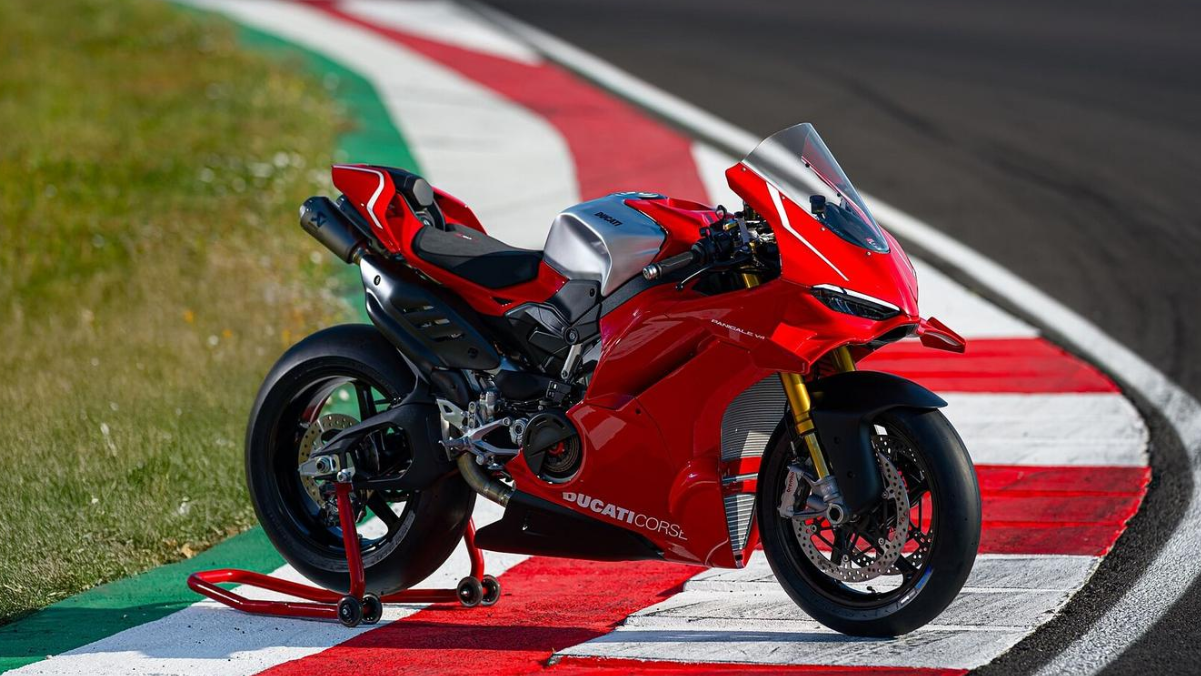
A high-performance sports car sold to the public, such as 1000 cm³ models, usually costs between R$ 80 thousand and R$ 150 thousand in Brazil. In other words: we are talking about completely different universes.
But the high value of MotoGP is not just exclusivity – it is a direct consequence of the level of engineering involved.
MotoGP bikes are unique prototypes, created exclusively for competition. They do not follow the same rules of emission, comfort or durability required on the streets.
Street sports bikes, on the other hand, are made for everyday use (even if sporting), with a compromise between performance, safety and legislation.
A modern sports car is around 200 hp, while a MotoGP exceeds 260 hp, with speeds that can exceed 350 km/h.
In addition to the power, the delivery is completely different: on competition bikes, everything is calibrated for maximum performance on the track, with extremely aggressive responses.
Another highlight is the seamless gearbox, which allows gear changes without power interruption — something non-existent on street motorcycles.
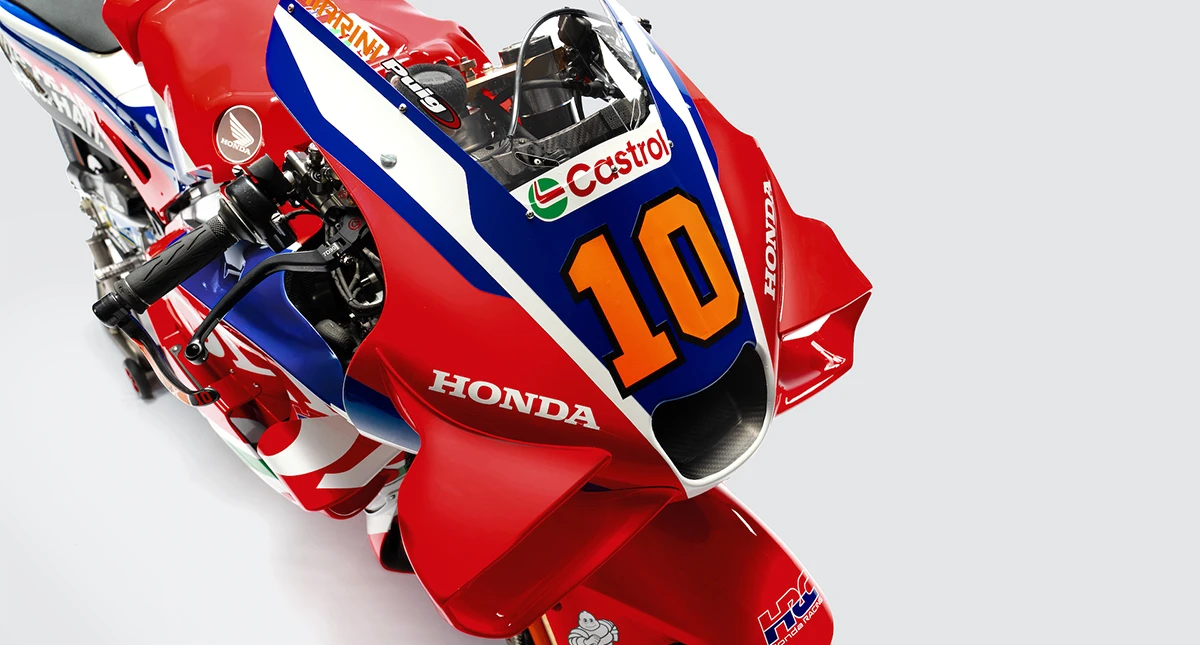
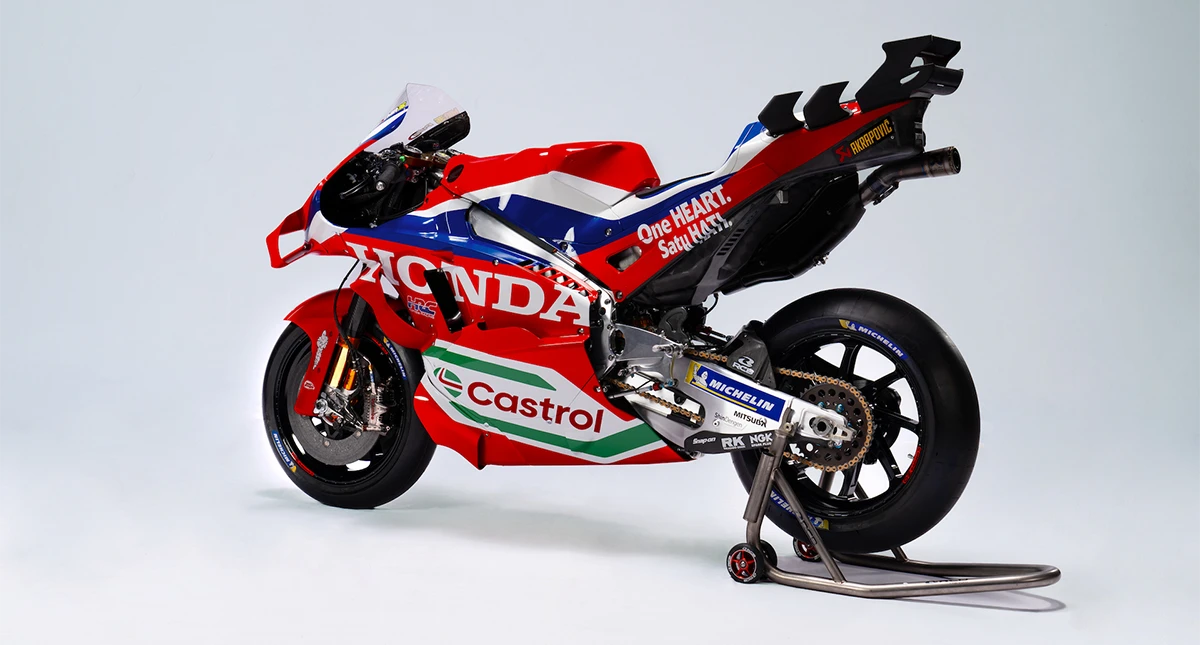
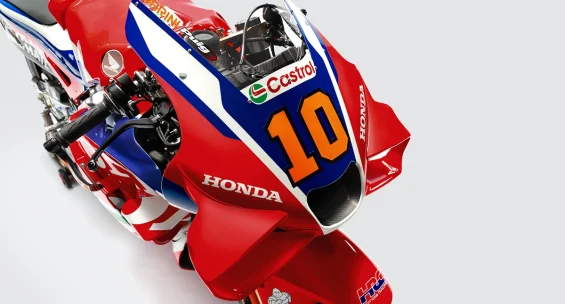
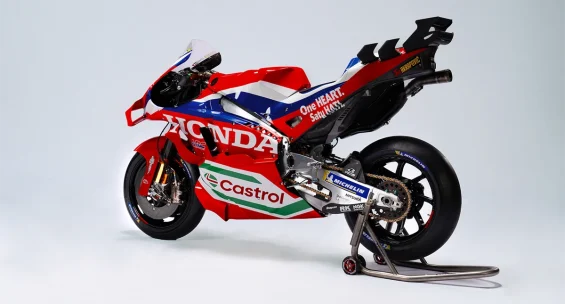
Electronics are one of the pillars of MotoGP. The systems control just about everything: traction, braking, acceleration and cornering behaviour.
Even so, the regulation tries to balance the game. In 2026, for example:
These measures aim to reduce costs and maintain competitiveness.
With a minimum weight of 157 kg, MotoGP bikes are lighter than street bikes, which exceed 200 kg with fuel.
The chassis is stiffer and longer, designed for high-speed stability. Sports bikes, on the other hand, need to be more versatile, working well in urban use as well.
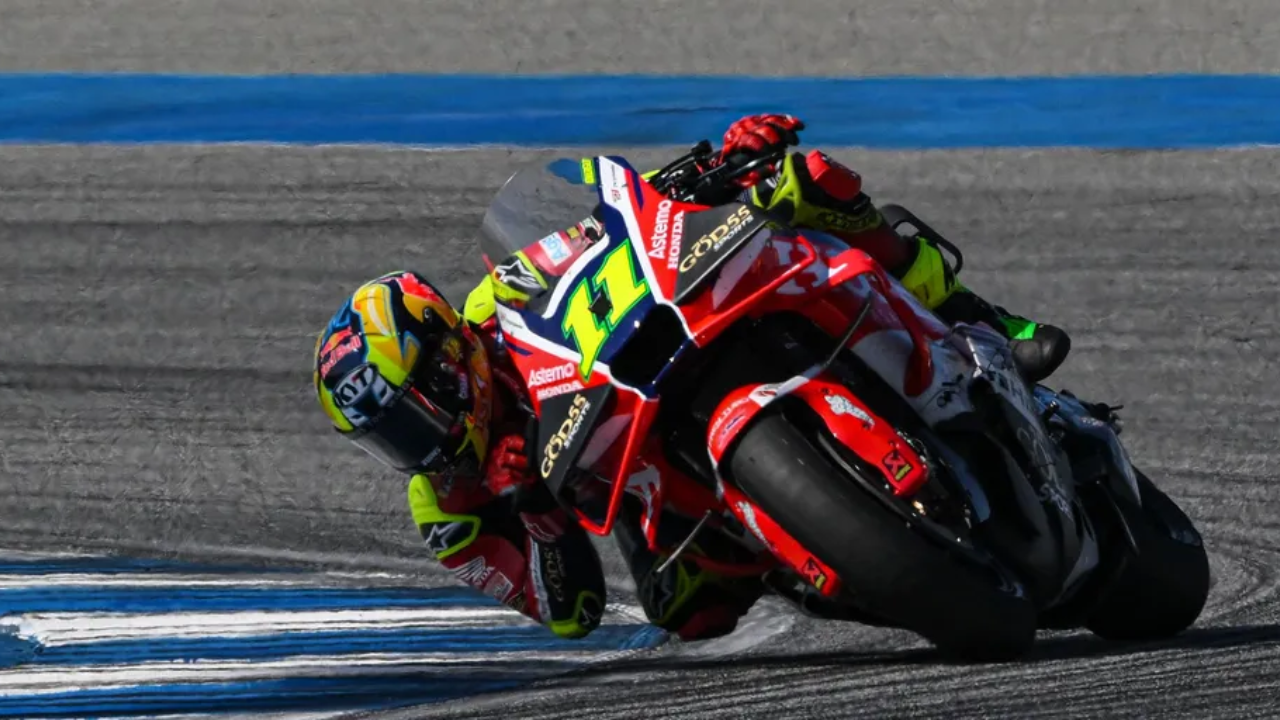
MotoGP bikes use carbon brakes, capable of generating decelerations of more than 2G. Street motorcycles, on the other hand, use steel discs and have ABS.
Tires are another abyss: exclusive high-performance compounds, made for maximum grip — but with a very short service life.
In MotoGP, the suspension is extremely stiff, especially at the rear, to ensure traction under acceleration. Comfort is simply not a priority.
The riding position is also more aggressive, in an “attack” mode, allowing greater control at high speeds. On street bikes, there is a greater balance between performance and usability.
From 2027, MotoGP will undergo profound changes, as much as many have fought against it, the engines will get smaller. There will be 850 cm³ of volumetric displacement. In addition:
According to MotoGP, the goal is to make racing safer, more sustainable and more competitive.



