Vehicles were made to run and there are several negative points when leaving it idle for prolonged periods
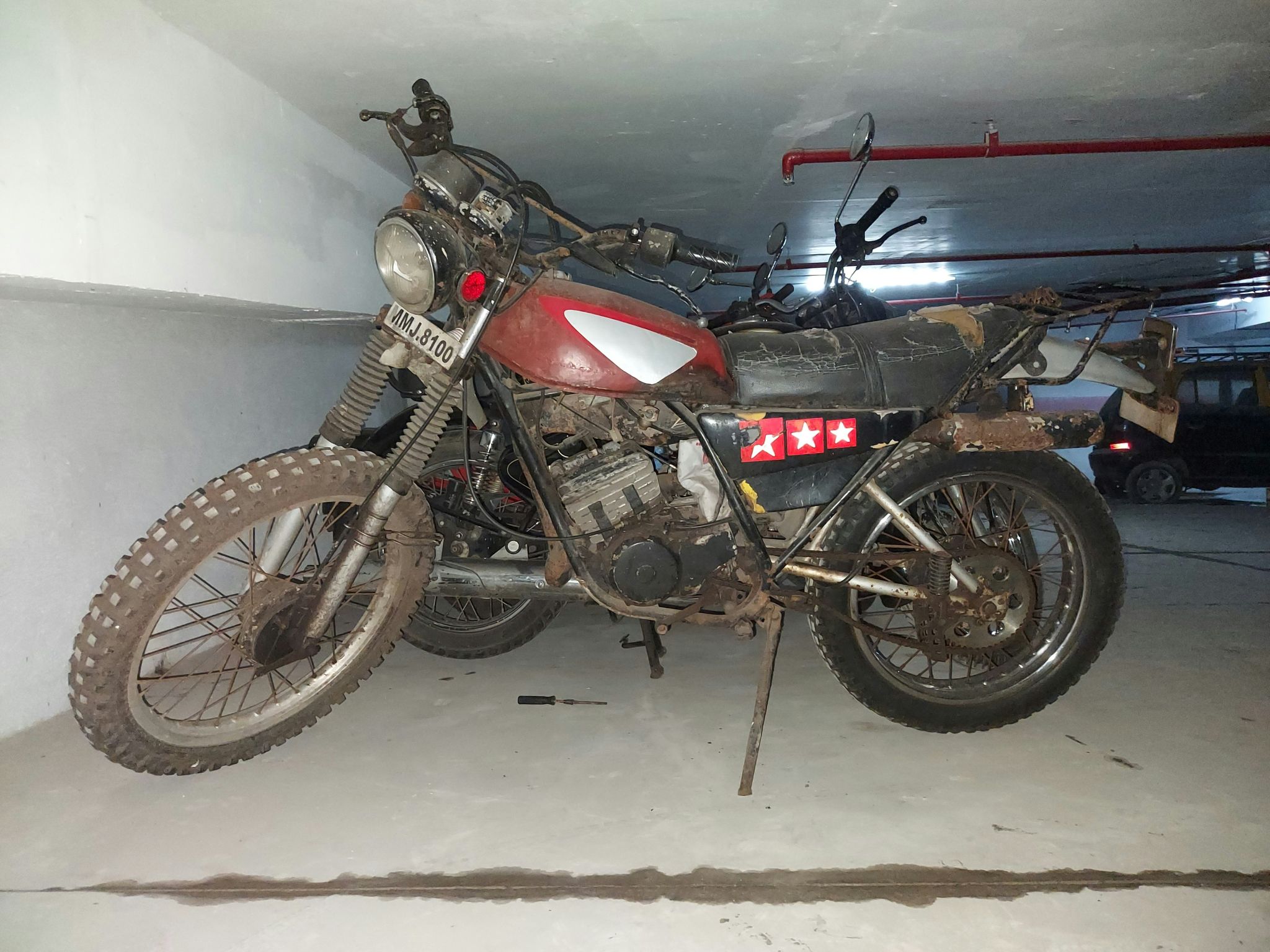
There are those who are afraid to buy a used motorcycle with many kilometers on the clock, after all, it is common for a very well-traveled model to already have some good symptoms of need for maintenance. And that’s where the big mistake of going completely against the grain and buying a “garage” one comes in.
The motorcycle, like every vehicle, was made to run and a model that has been stopped for a long time can have as many problems as one that has already run a lot. To explain, we have brought here a list of problems that can appear when a motorcycle goes six months, a year or longer without a single trip.
SEE ALSO:
First it is important to explain a general aspect. Motor vehicles have several parts that need lubrication and fluid passage. In this way, when the motorcycle is stopped, most of these parts such as the engine, cooling system, brakes and others do not receive the necessary lubrication and thus can suffer from dry parts and possible breakages.
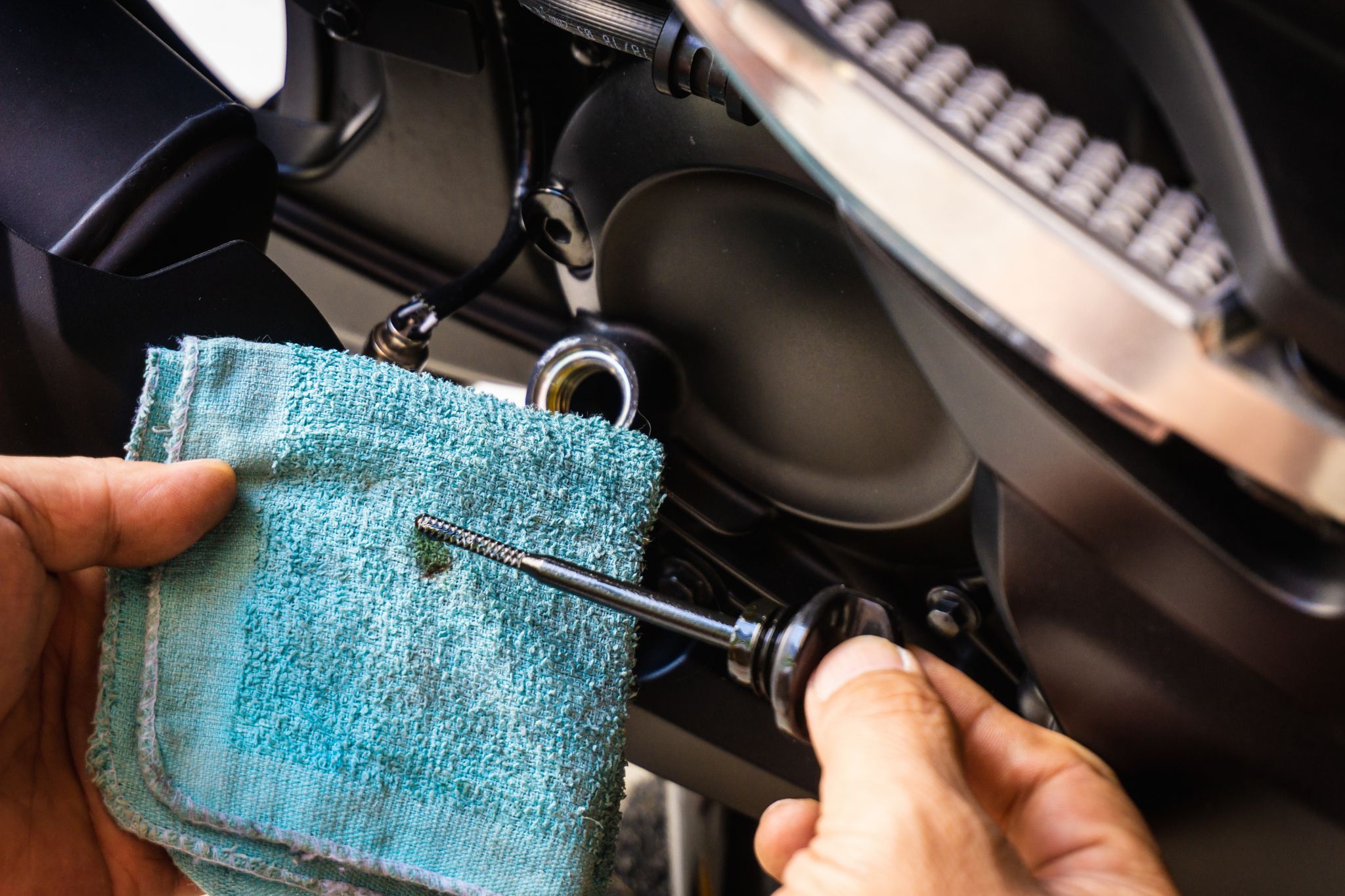
The first and biggest point of attention on a motorcycle stopped for a long time is in the engine, this is due to the simple fact that lubricating oil has a maximum validity of one year, in most cases.
In addition, the internal parts lubricated by the oil are still exposed to drying, since the liter that is inside the engine does not reach all the parts while it does not work.
Gasoline has an expiration date and therefore leaving a motorcycle idle for a long time can cause problems. After about three months, the gasoline in the vehicle’s tank is no longer ideal for use, since its properties deteriorate, so there are risks of clogging, choking, inadequate burning and problems in the combustion and exhaust systems.
Even premium fuels do not last more than 6 months and just like the oil must be depleted and replaced before a first use after a long time. For flex-fuel motorcycles, it is best to fill up with ethanol before soaking the motorcycle, since it is a fuel that can last twice as long inside the tank.
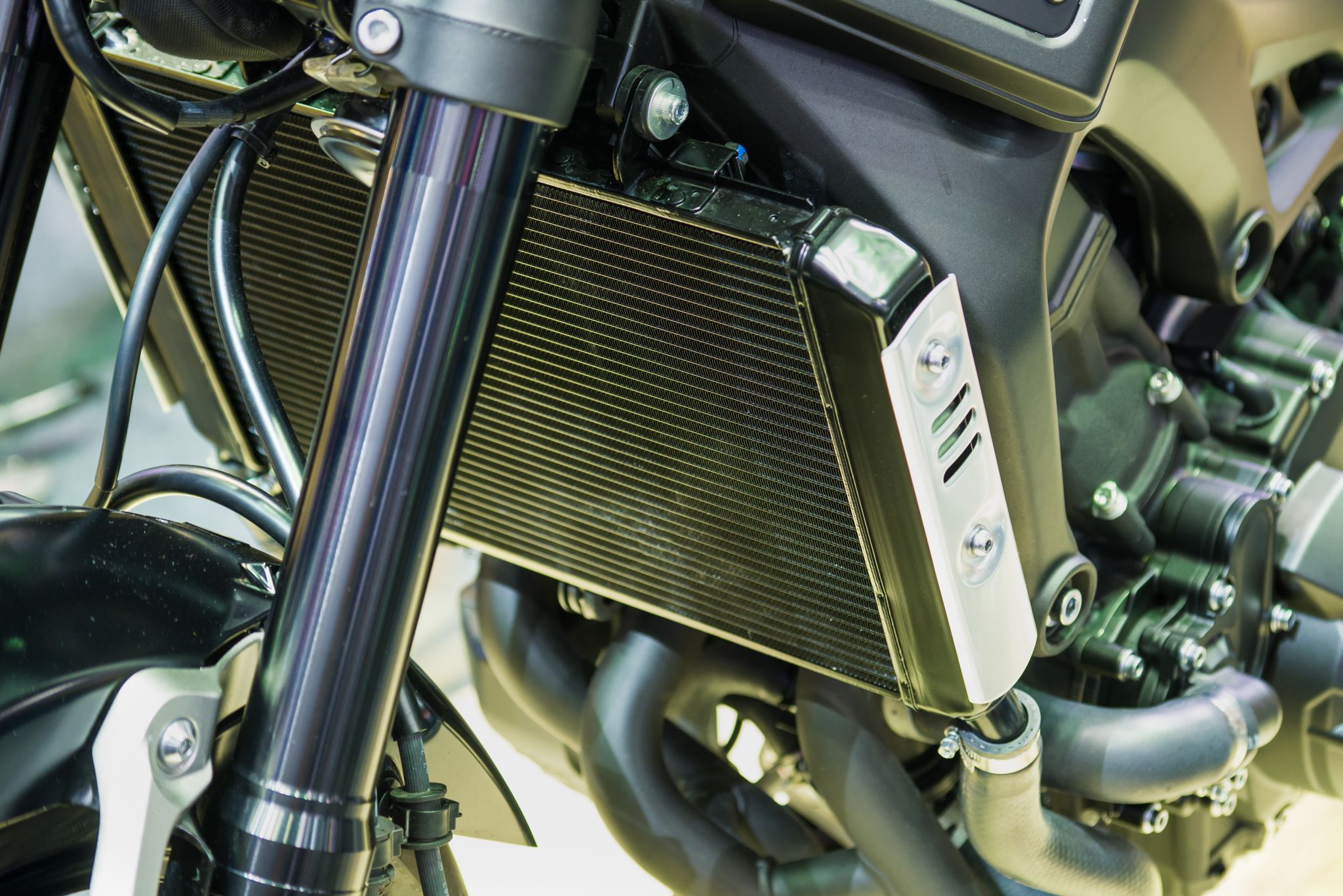
Radiator fluid also loses its properties over time, compromising the quality of engine cooling and exposing it to the risk of overheating.
But here the biggest problem is another. The radiator liquid, when the bike is running, circulates through hoses and ducts while doing its cooling function. In this process, the fluid also hydrates the rubberized parts through which it passes. If the motorcycle is stopped for a long time, the hoses dry out easily and so sudden leaks can happen and the problem of overheating returns. Rust spots are also very common when the liquid does not circulate, causing corrosion.
Here the problem is in the brake fluid. Because it is hygroscopic, it absorbs moisture when the motorcycle is stationary, which favors the internal corrosion of the parts in contact such as calipers, master cylinders and lines. All this is a great risk of losing the braking efficiency of the bike.
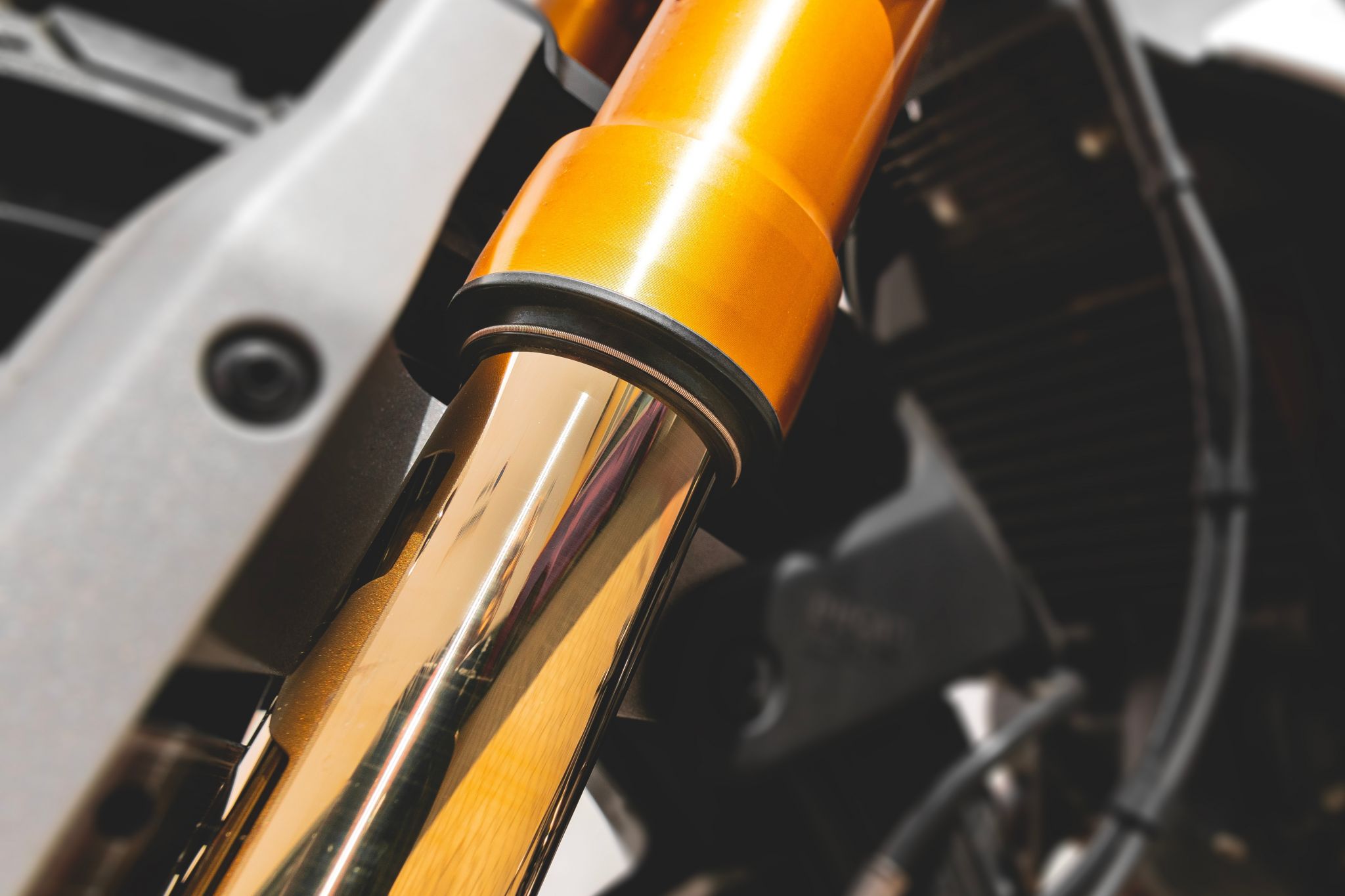
Fork retainers (as well as other rubberized ones) depend on movement and hydration to stay in good working order. In the case of these retainers, it is the movement of the use of the suspension. With the up and down of driving, the oil hydrates the rubber that remains in good condition, preventing oil leaks, loss of hydraulic pressure and suspension failures.

On older, carbureted motorcycles, stopped gasoline creates deposits that clog gicles and internal channels, making the simple operation of the vehicle complicated since it will choke and fail.
With the weight always concentrated in the same point, the tires can create permanent deformation, generating the so-called “square tire”. As a result, the rubber ages, loses elasticity and can crack, which literally ends the tire.
This is perhaps the main thought of the driver who leaves the vehicle stationary, as most drivers and pilots know that a stationary vehicle discharges the battery. However, it is also the simplest to solve. Just give it a charge to revive the “stack”.
After evaluating all these points on your stationary motorcycle, it is best not to start it before taking it to a specialist and/or changing all the fluids and checking the rubberized parts. This simple precaution can be the difference between preventive and corrective maintenance.
Extra tip: to avoid leaving the motorcycle idle for a long time, some think that it is enough to turn it on for a few minutes from time to time, but the ideal is that every day the model at least takes a few laps around the block until the oil reaches operating temperature.



