Models presented in Japan rescue classic name from the 1970s and bet on a four-cylinder engine and technology to facilitate riding
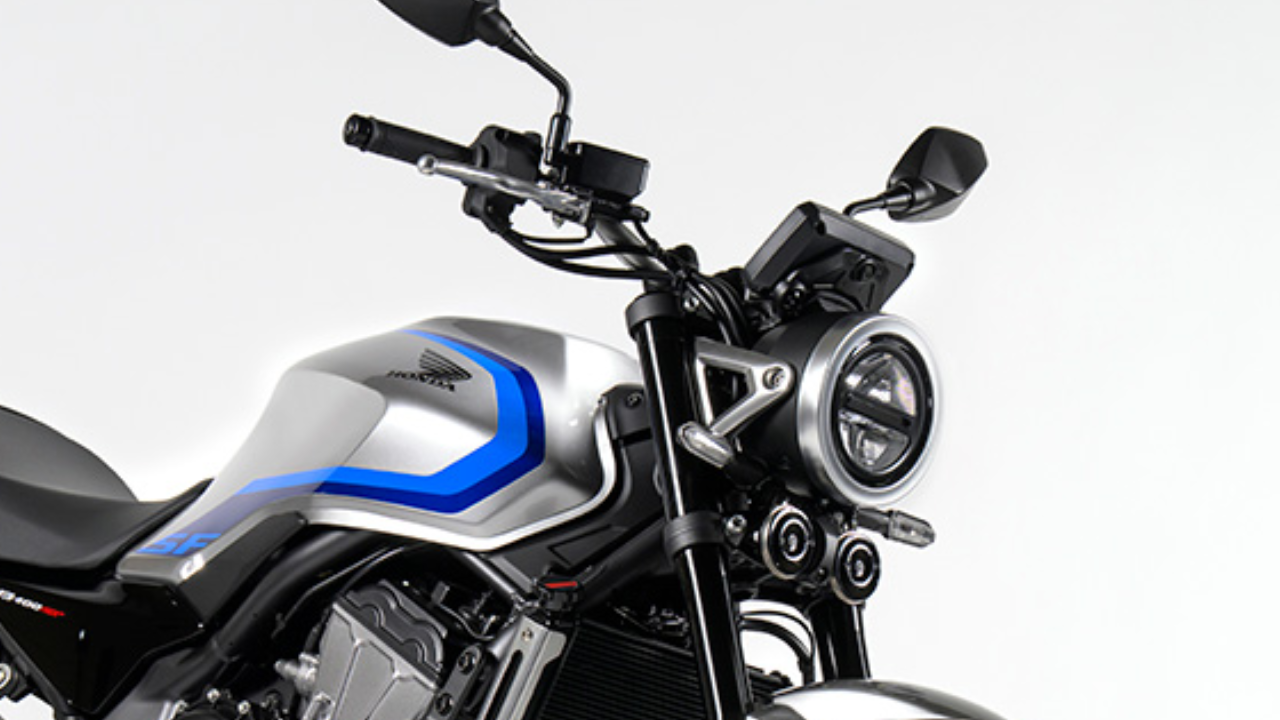
Honda decided to look to the past to project the future. During the 42nd Osaka Motorcycle Show 2026 in Japan, the brand unveiled the concepts of the new CB400 Super Four and CBR400 Four, models that rescue one of the manufacturer’s most iconic nomenclatures — now with a focus on technology and a new riding experience.
The prototypes presented bet on an unprecedented platform, an in-line four-cylinder engine and, mainly, on the E-Clutch system, which does not require the use of the clutch lever. Still without confirmed technical specifications, the bikes represent the next generation of medium models of the Japanese brand.
SEE ALSO
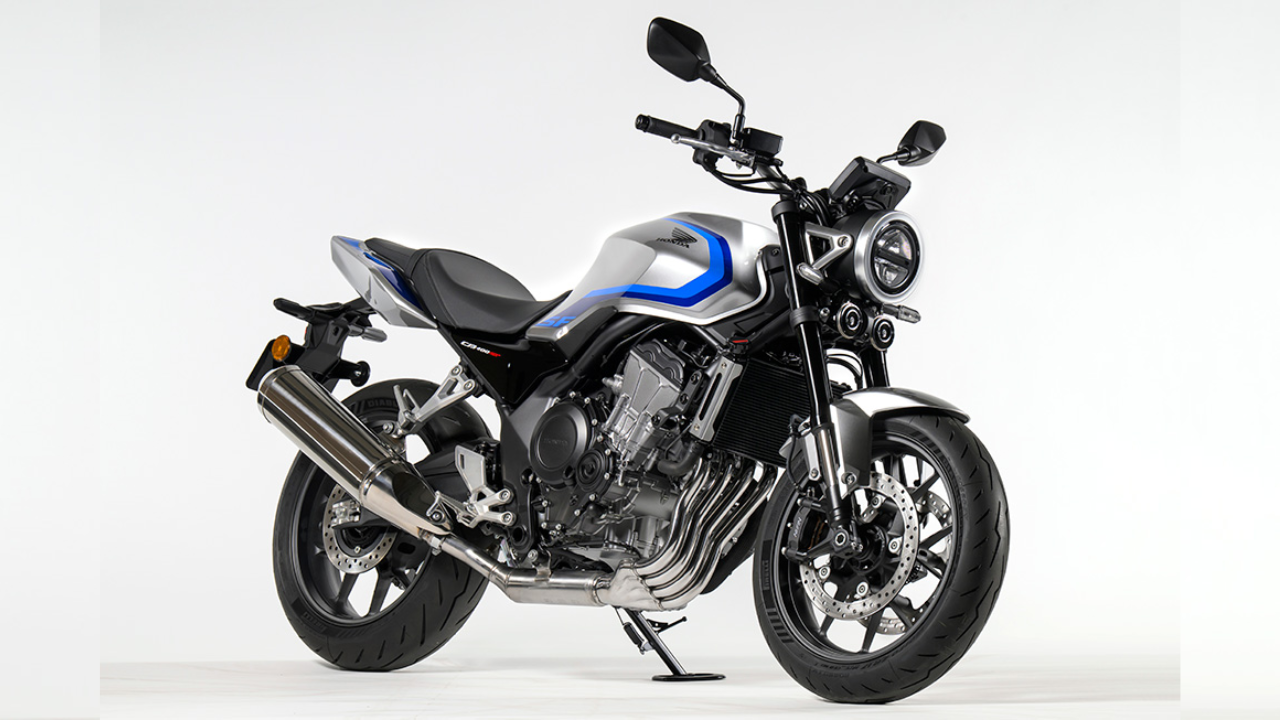
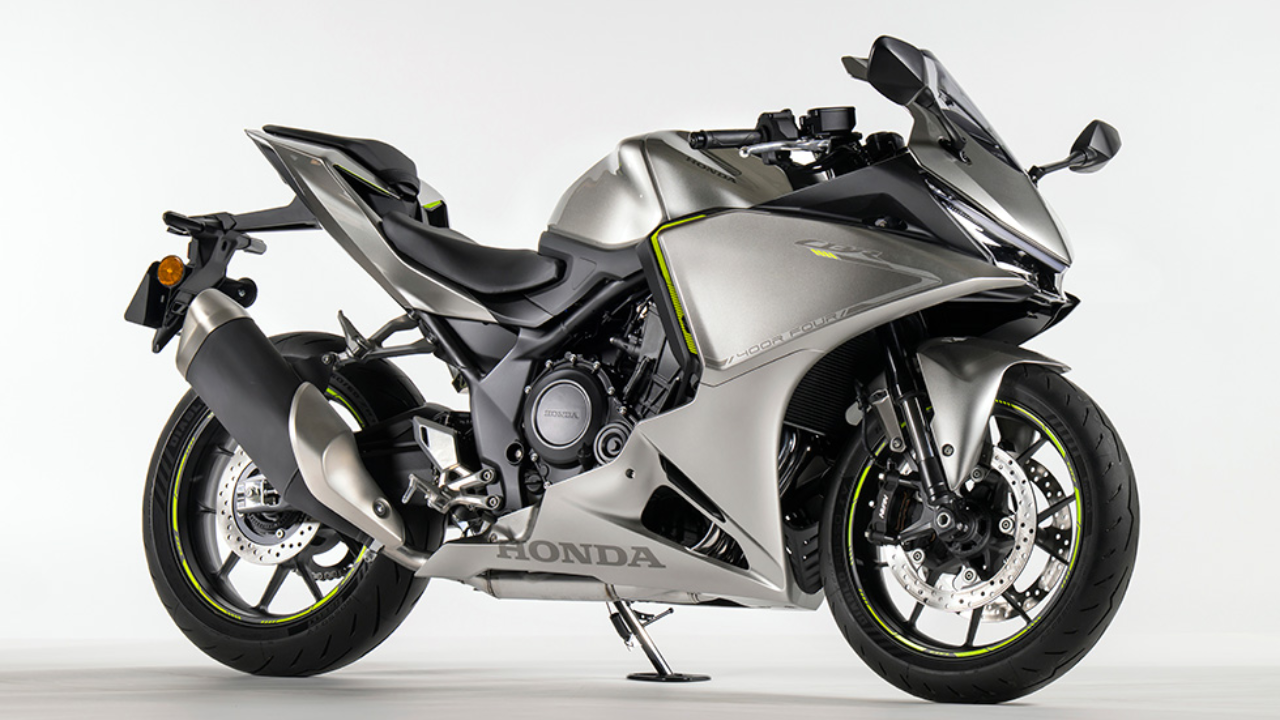
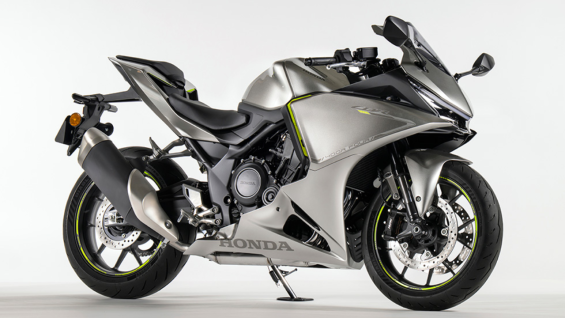
The return of the name “Four” carries important historical weight. In the 1970s, the Honda CB 400 Four stood out for popularizing the four-cylinder architecture in an intermediate motorcycle, in addition to marking an era with solutions such as the 4×1 exhaust. Decades later, Honda resumes this identity, now combined with modern electronic resources.
The new CB400 Super Four E-Clutch Concept maintains the proposal of a versatile naked, in line with the tradition of the CB line. The CBR400 Four E-Clutch Concept, on the other hand, follows the path of the sports bikes, with a full fairing and focus on performance and aerodynamics.
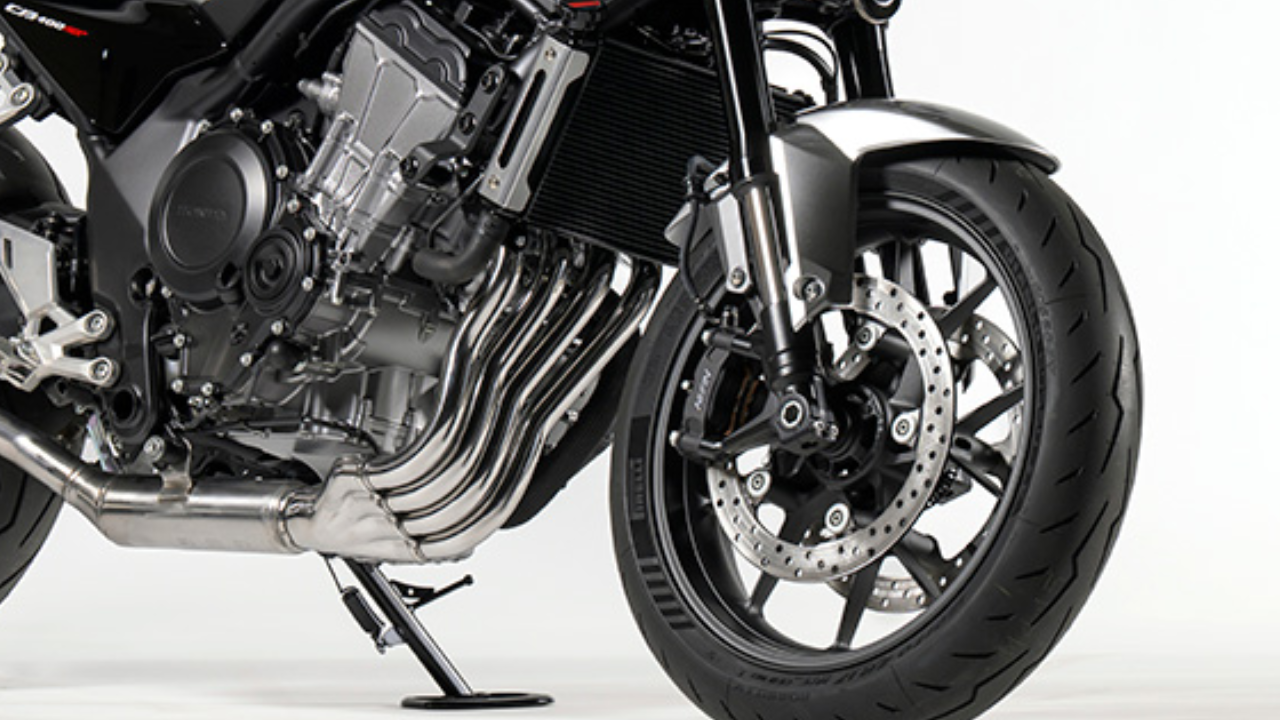
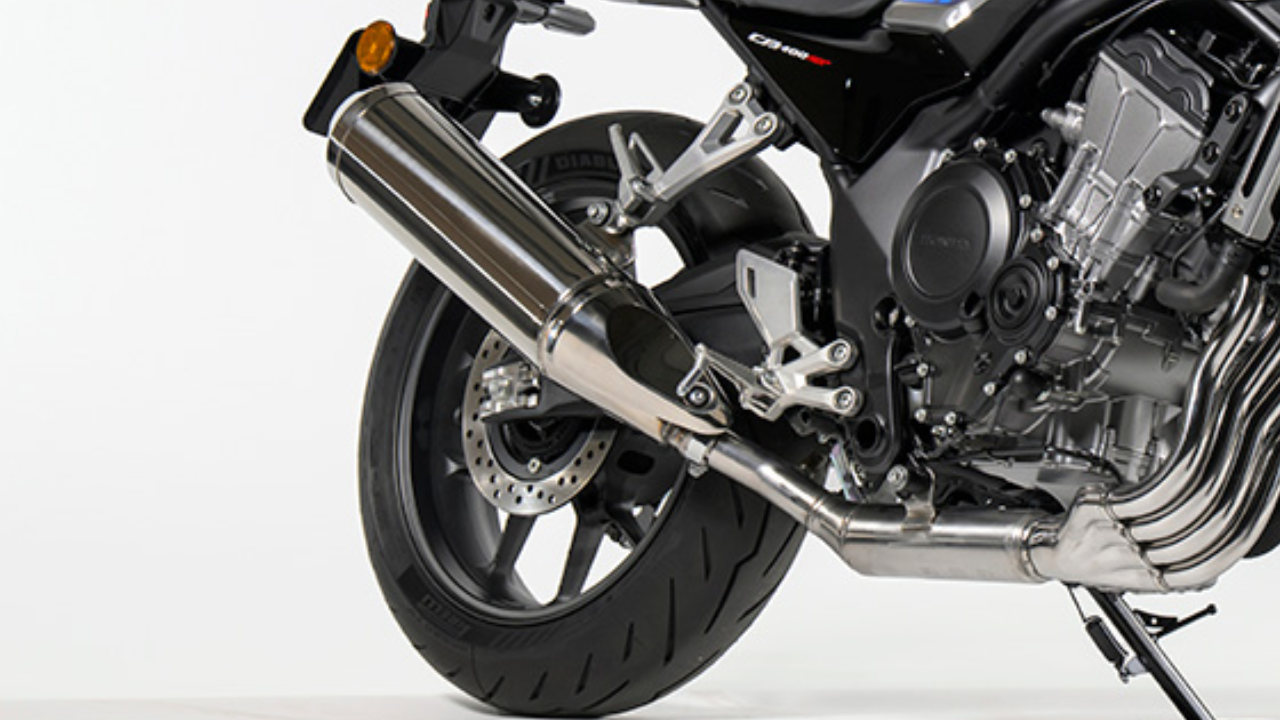
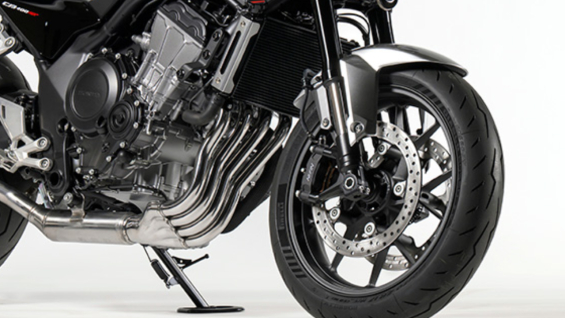
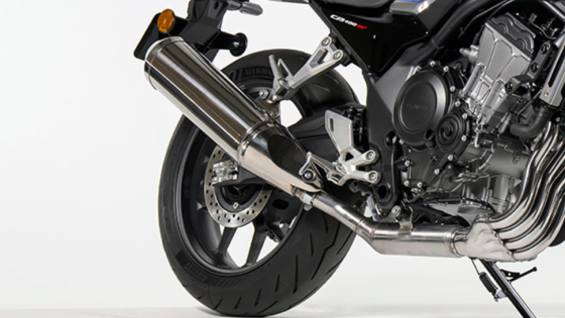
Both models share the same structural base, with a new chassis and suspension assembly. The four-cylinder in-line engine reinforces the performance proposal, although data such as power and torque have not yet been disclosed. Another feature present is the electronic throttle (throttle-by-wire), which replaces the traditional mechanical cable.
The big highlight, however, is the E-Clutch. The system allows gear changes to be made without manually activating the clutch, although the rider can still use it in a conventional way. The technology seeks to facilitate driving, especially in urban traffic and at low speeds. Currently, the feature already appears in smaller models in Japan and is also present in the Honda CB 650R sold in Brazil.
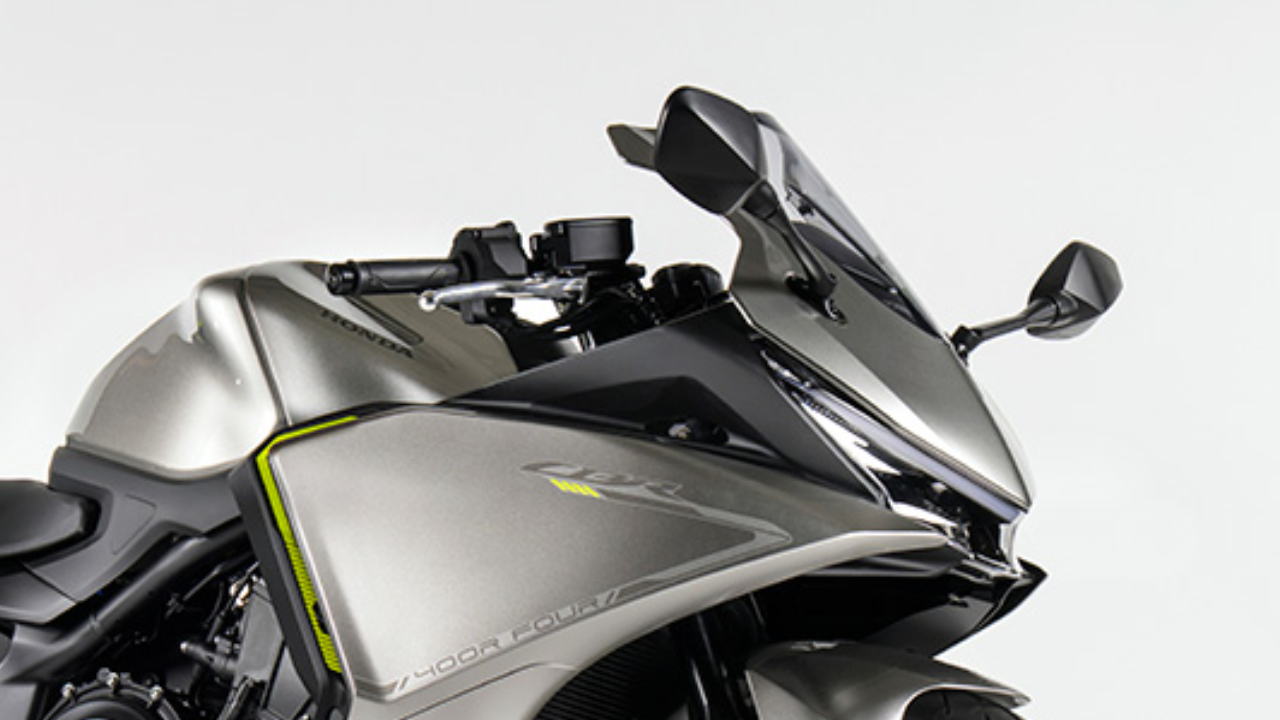
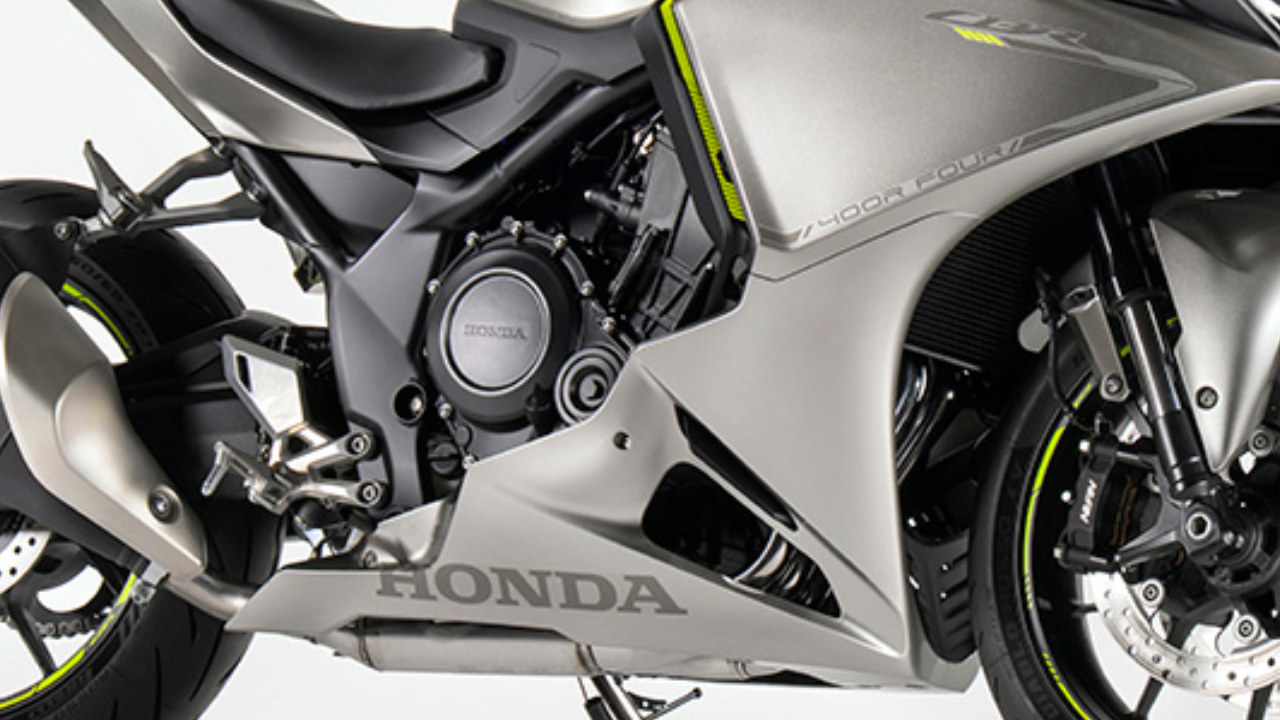
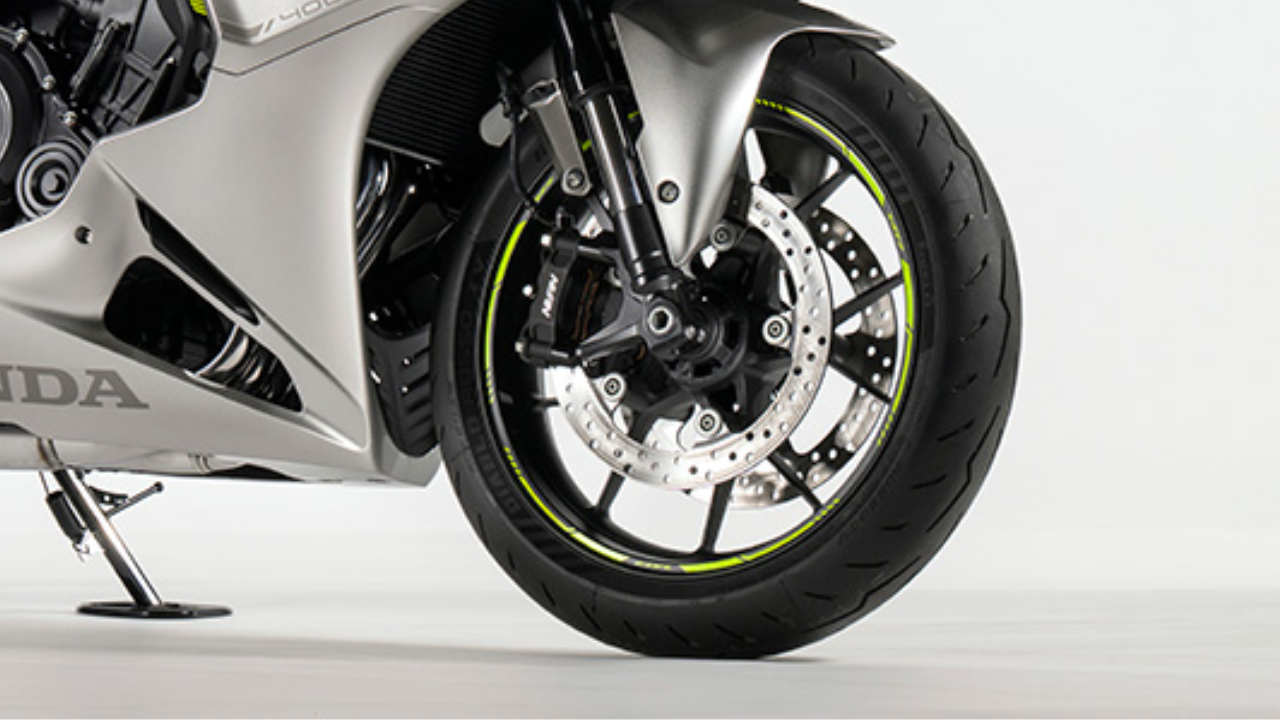
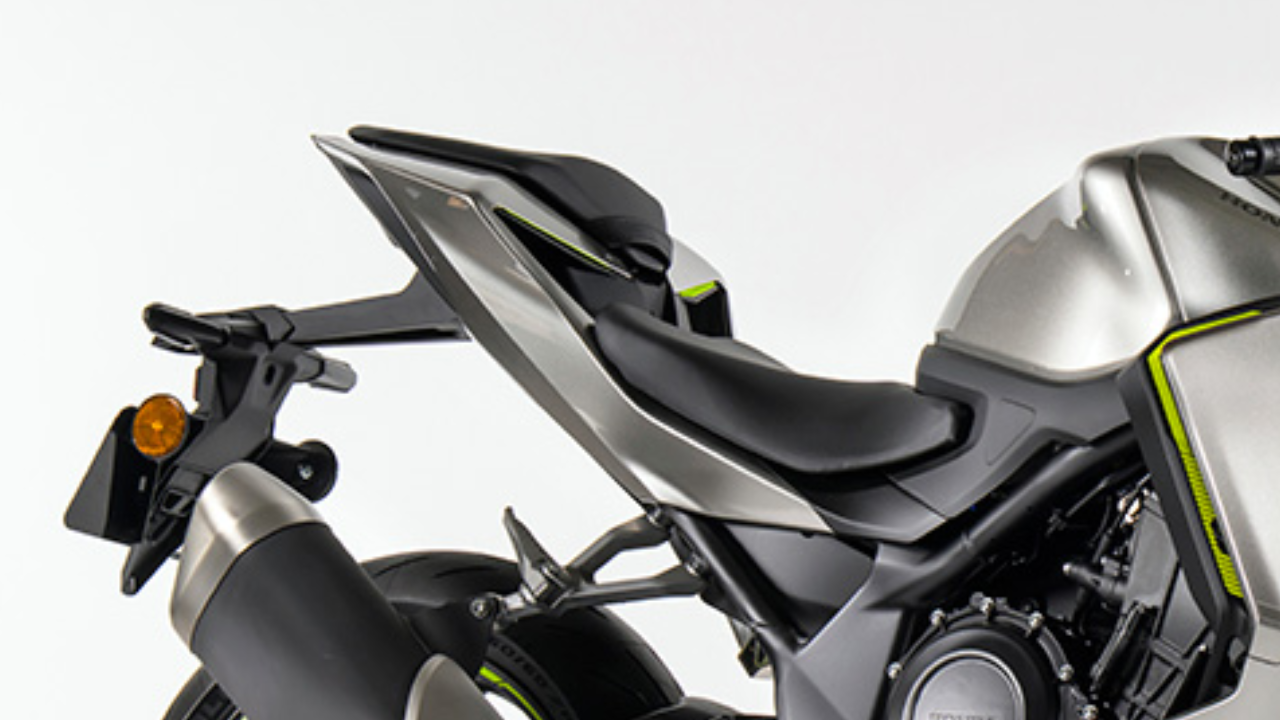
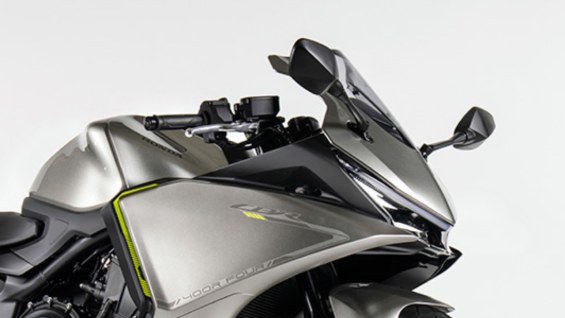
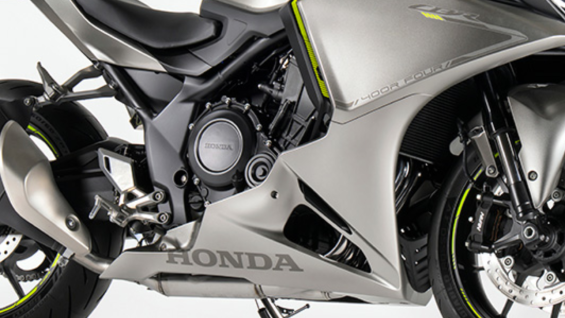
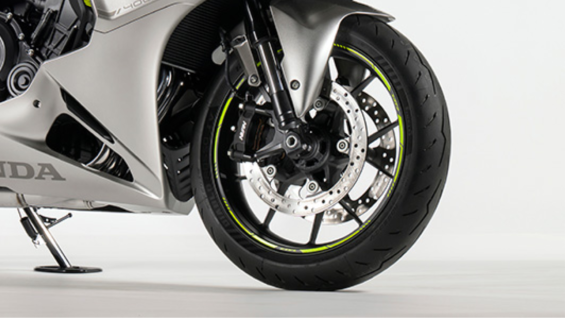
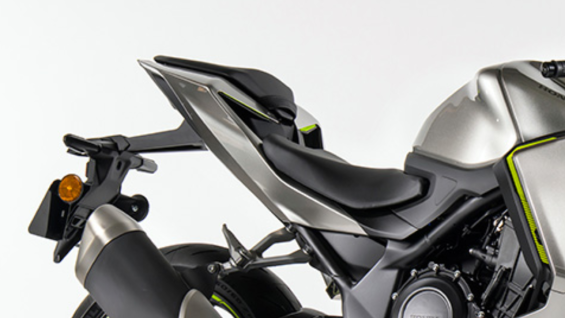
In addition, Honda had already hinted at this movement previously. In 2025, similar versions with a 500 cm³ engine were exhibited during the China International Motorcycle Trade Exhibition, indicating that the new generation may have displacement variations.
For now, the new CB400 Four and CBR400 Four remain concepts, with no release date or confirmation of serial production.
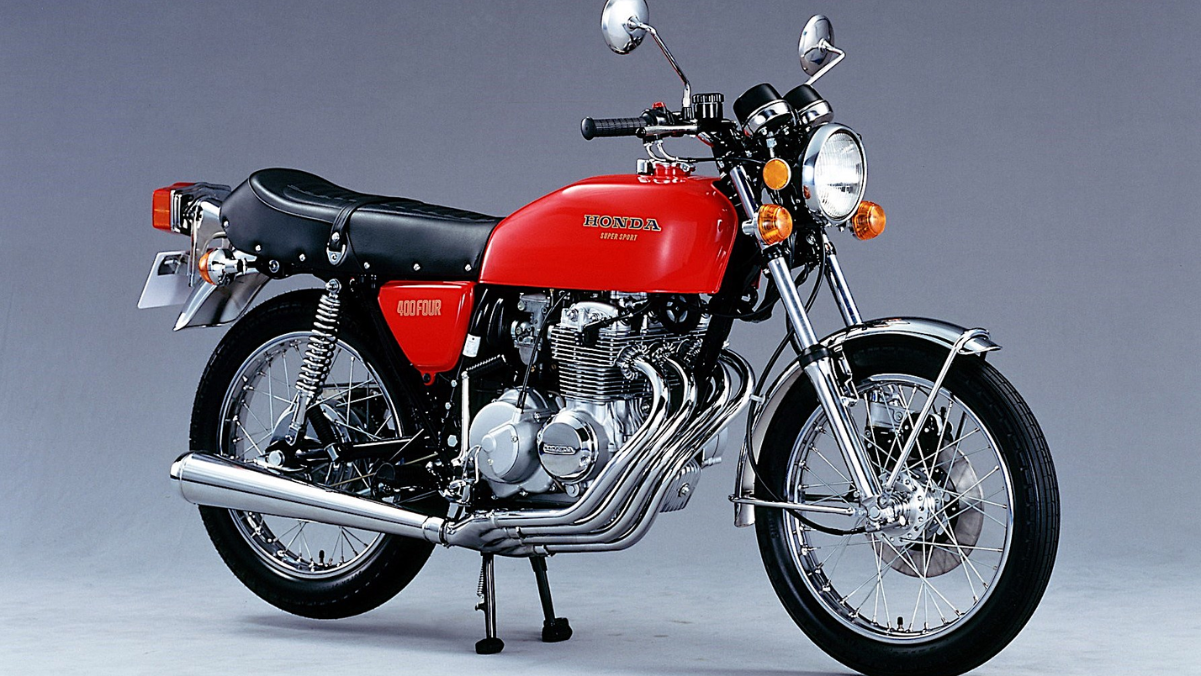
Launched in 1974, the Honda CB 400 Four marked an era by taking the four-cylinder engine to an intermediate motorcycle. Derived from the CB 350 Four, the novelty brought improvements in chassis, a more modern look and the iconic 4×1 exhaust.
With about 37 hp and a weight of around 170 kg, it was not a pure sports car, but it stood out for its smoothness, balance and ease of driving — characteristics that helped its popularity, including in Brazil.
Produced until 1978, the CB 400 Four became a classic, remembered for its style and historical importance.



