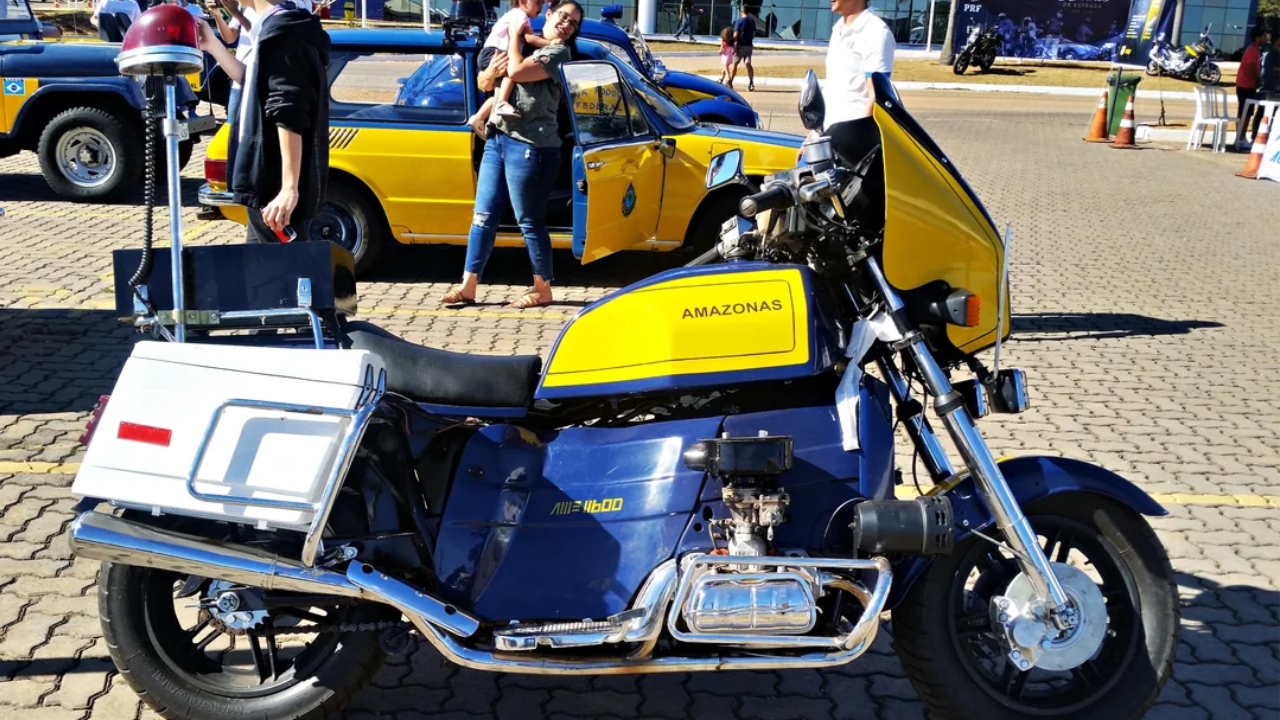
The Amazonas 1600 was the most Brazilian motorcycle of all time, manufactured only with national parts at a time when it was not possible to import
For football lovers, the term “Brasa” has generated controversy this year, in which everyone becomes more patriotic, after all there is a Football World Cup. However, for fans of two wheels, this Brazilianness has already been transmitted in a more rooted way, at a time when we were three-time world champions.
In the 1970s, Brazilians had the honor of knowing, living with and/or riding the most Brazilian of all classic custom motorcycles: the Amazonas. This model, created from various car parts, was a national symbol that to this day captivates those who like motorcycling.
SEE ALSO:
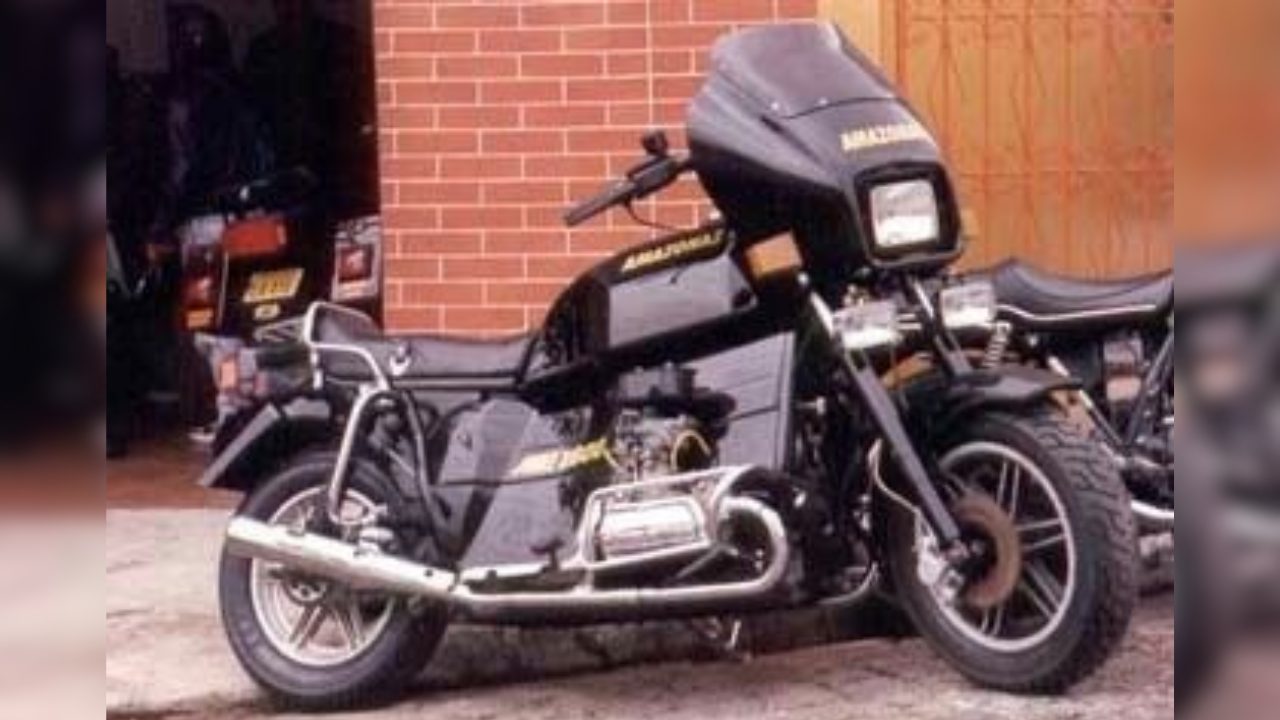
In the decade, under a dictatorial regime, anyone who wanted to ride a motorcycle had to settle for national models or old Japanese ones that circulated in the used market. After all, Decree-Law No. 1,455, of April 7, 1976, signed by General Ernesto Geisel, prohibited imports.
A complication, since Yamaha had just arrived in São Paulo (1974) and Honda was settling in Manaus (1976).
With the measure, the motorcycle market began to lack products, especially when it came to large models. This need to have a robust motorcycle with affordable parts instigated mechanics Luiz Antônio Gomide and José Carlos Biston to create the acclaimed Amazonas.
The need to use Brazilian parts made the creators develop a motorcycle with an engine from a Volkswagen 1500 (the famous Beetle), air-cooled, and with a chassis used from a Harley-Davidson Indian model.
Auto Importadora Ferreira Rodrigues was interested in the project and, the following year, a prototype with mechanical and aesthetic improvements was ready. VW Passat panel and electrical controls, Mercedes-Benz truck headlight, Ford Corcel brake caliper, VW Variant discs and other components made up the model.
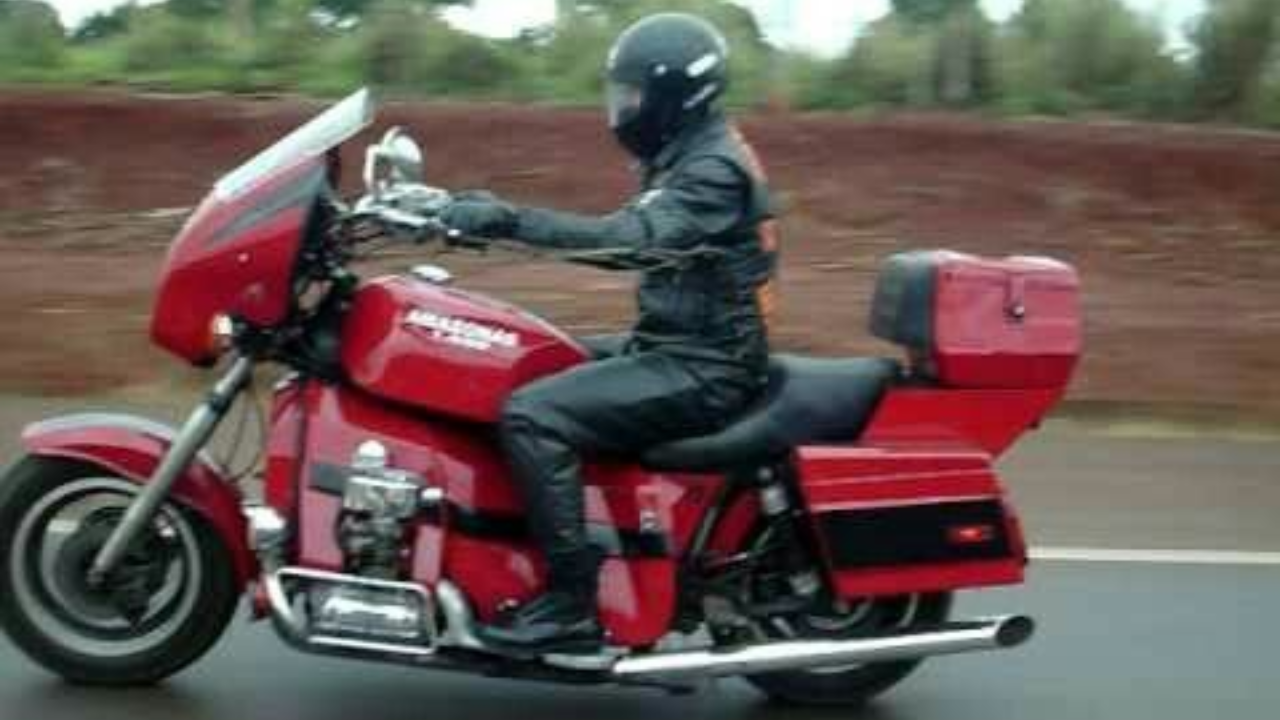
Also called Motovolks, the Amazonas was the first motorcycle in the world to have a reverse gear — a feature derived from the fact that the model has, in addition to the VW engine, a gearbox of the brand’s automobile.
In 1979, the Brazilian giant received the 1,584 cm³ engine, which generated 56 hp at 4,500 rpm and 10 kgfm at 3,000 rpm, fed by a 30-liter tank. The high torque for a motorcycle of the time made it easy to accelerate from 407 kg (in running order), even in 2nd gear.
Amazonas was a real mix of parts and, after the interest of Auto Importadora Ferreira Rodrigues, it was updated with more automotive items, such as the Volkswagen Passat panel and electrical controls, Mercedes-Benz truck headlight, Ford Corcel brake caliper, among others.
What impressed most about the giant was the comfort, which, even with its 407 kg, made driving on highways a relatively smooth experience for the proposal of the time.
With two carburetors, the giant went from 0 to 100 km/h in less than 10 seconds. Its suspensions were telescopic at the front and with double shock absorber at the rear. To hold all the weight, it had two brake discs on the front wheel and one on the rear.
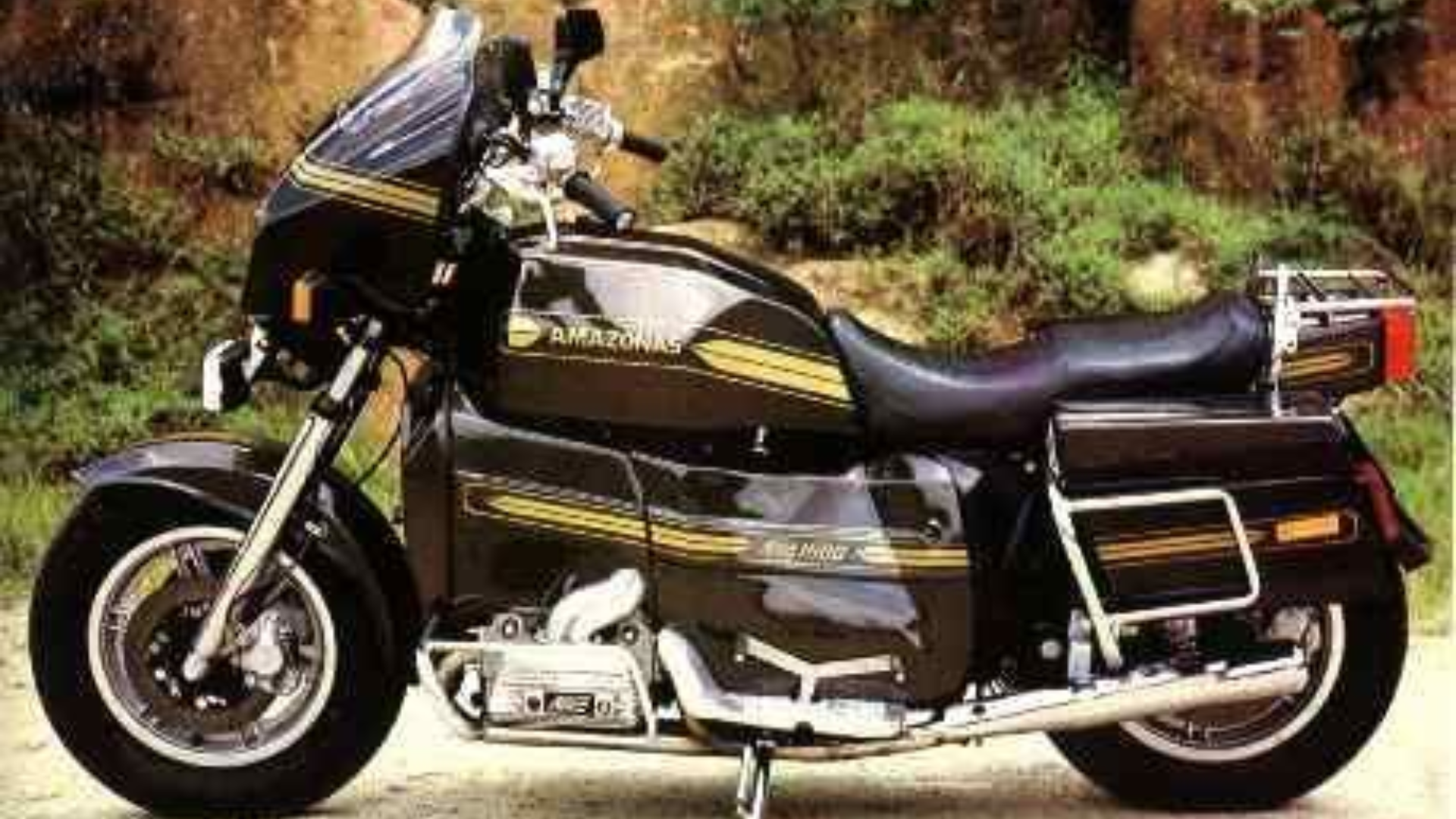
In 1986, the Amazonas factory was sold to businessman Guilherme Hannud Filho, who continued production until 1988, when activities were terminated. In 1990, the creators of the motorcycle presented, at the São Paulo Motor Show, a new project using a VW 1600 engine.
Named Kahena, it was an evolution of the original product, with a stamped steel chassis, cardan shaft transmission and single-arm rear suspension. However, its production took place in an artisanal way, being limited to a few units and being discontinued in the late 1990s.



