Specialist assures advantages of more modern equipment even if there is a contraindication in relation to the price
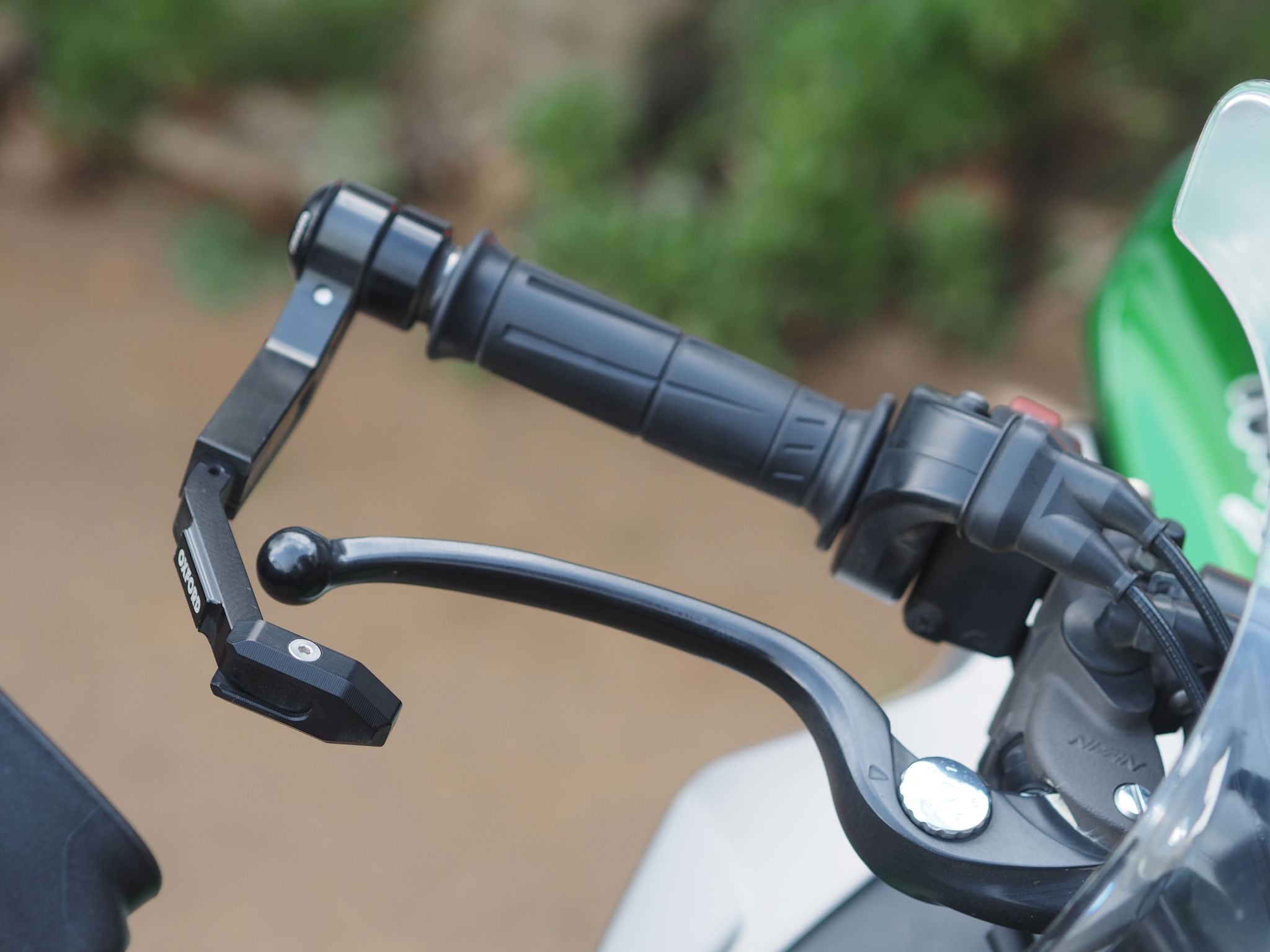
Electronics are increasingly present in motorcycles. From the dashboard to technical controls and riding assistants, today various parts of the bike have been sophisticated. In the hands of the driver it is no different, as the electronic throttle has become a common item even in intermediate models.
Although currently more used by manufacturers, some still have their fears about the efficiency and prices of this equipment.
SEE ALSO:
Unlike the conventional system, which uses a steel cable directly connecting the handle to the throttle body, the electronic throttle — also known as ride-by-wire — eliminates this mechanical connection. In place of the cable, sensors installed in the handle capture the rider’s movement and send the signal to the motorcycle’s electronic center (ECU), which then determines the opening of the butterfly.
In practice, this means that acceleration is no longer purely mechanical and is now managed by software, allowing for more refined adjustments in power delivery, consumption and emissions.
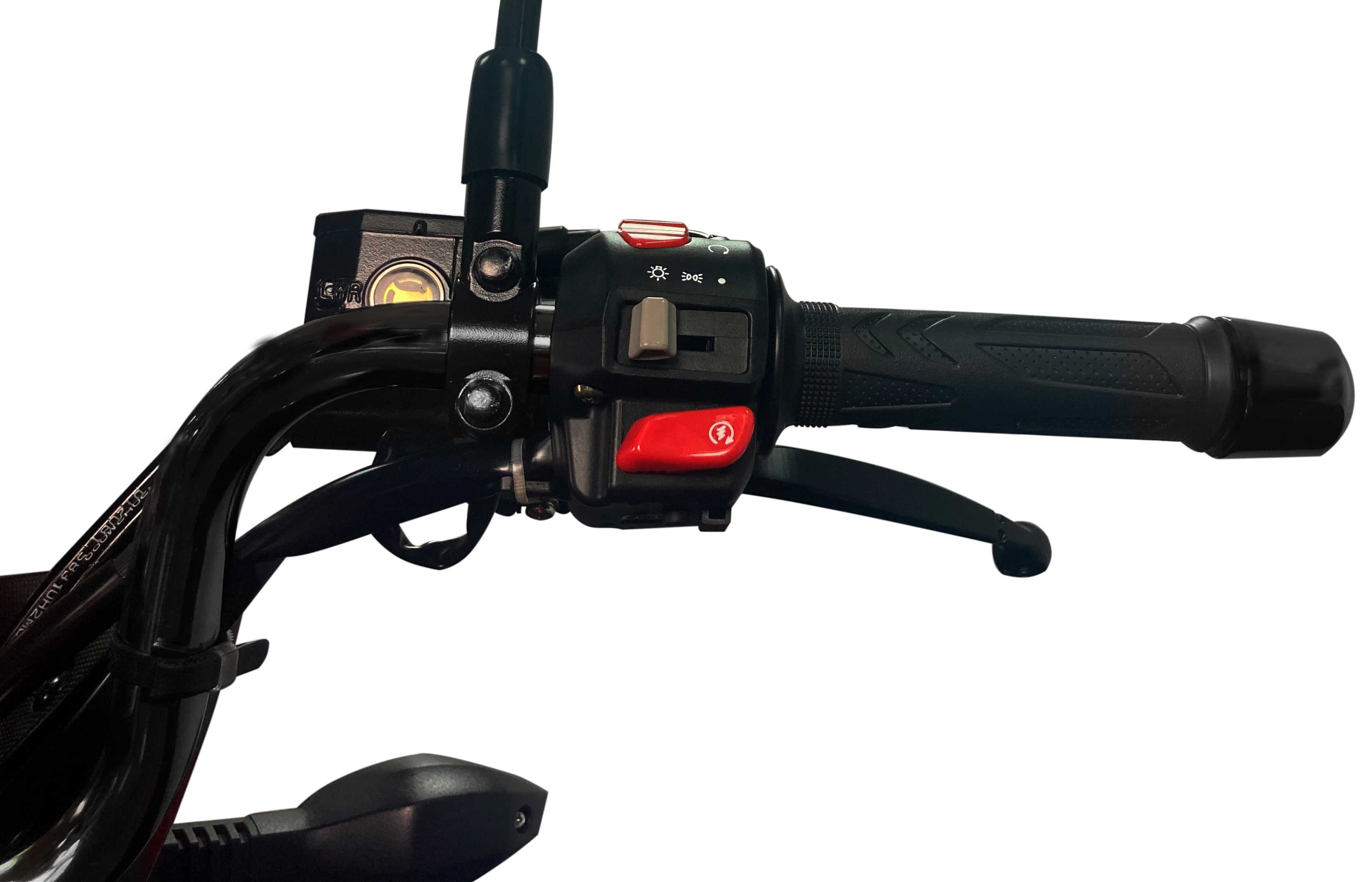
To better understand the impacts of the electronic accelerator on daily life, we talked to Honda’s development specialist, Bismark do Vale.
The professional said that in most cases the equipment presents improvements in the general aspects of driving.
“The advantages are very clear. The bike is much more linear in power delivery, as the electronic throttle talks much more easily with the ECU, so all this delivery control is smoother. At the same time, when we want to, he delivers more strongly too.”
“Another virtue is maintenance. Cables tend to change their feeling over time, they have a load to drive, they can get tangled, generate discomfort. With the electronic throttle, the drive is more comfortable and the durability is greater”, said Bismark.
At this point controversies appear. Systemic problems common to electronic equipment, such as locking, change the perspective of some pilots. In addition, the high prices compared to simple cable accelerators weigh on the citizen’s decision.
Bismark also points out that there are disadvantages to the cost price of the motorcycle equipped with the technology.
“The disadvantage is more for those who produce, because it is a more expensive system. Logically, this ends up being reflected in the final price for the user. The cost of production is higher, but this attractiveness is also reflected in the product, due to the comfort and resources it delivers”, he points out.
One of the main fears among more experienced motorcyclists is the possible “loss of connection” between rider and machine. In the conventional system, any turn in the handle generates a direct and immediate response in the throttle body.
In the electronic throttle, there is intermediate processing. However, according to industry experts, this response time is practically imperceptible on modern motorcycles.
On the other hand, the system allows you to integrate features that would be unfeasible with cable alone, such as:
In sporty and high-efficiency models, ride-by-wire is practically indispensable for managing high power safely.
For the common user, the electronic accelerator tends to offer more comfort, smoothness and technological features. For those looking for mechanical simplicity and lower initial cost, the cable system may still seem more attractive.
However, the industry trend is clear: with the growing demand for energy efficiency, emission reduction, and electronic integration, the conventional accelerator is expected to become increasingly rare in the coming years.



