Recent protests organized by motorcyclists confronted the attitude of the Detrans; regulation changed at the end of 2025
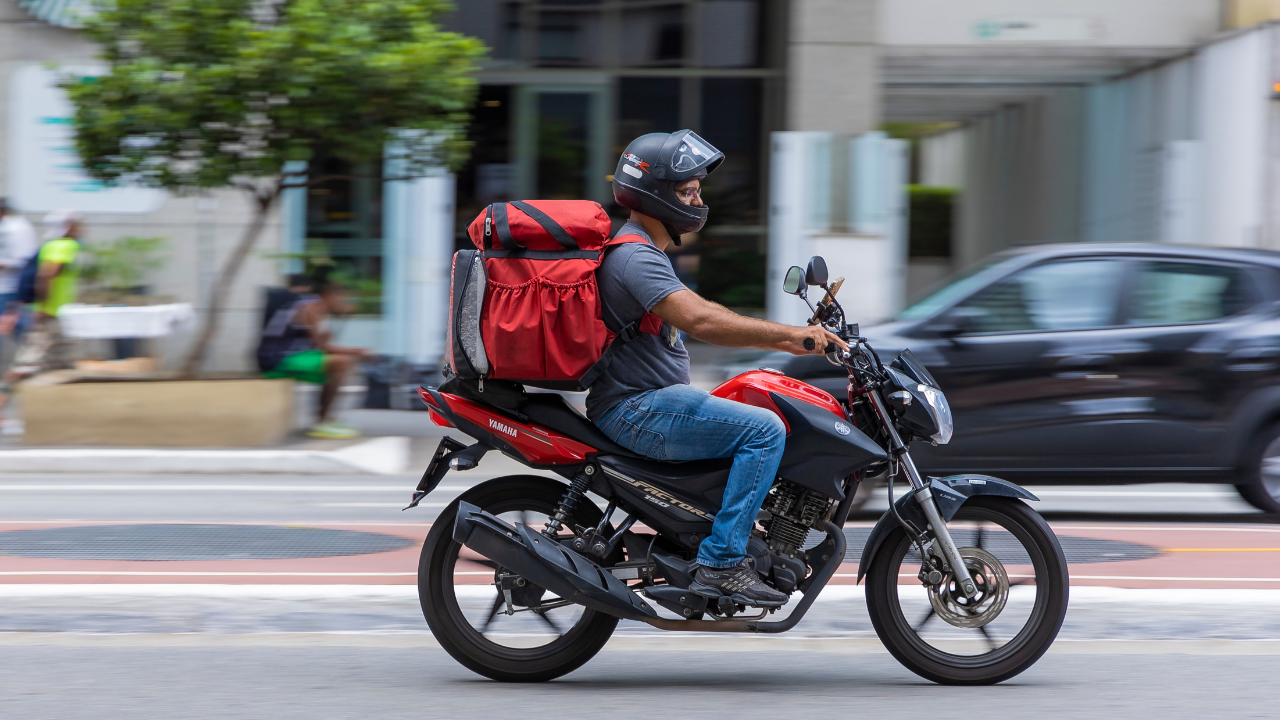
Last week, a series of protests organized by motorcycle couriers, motorcycle taxi drivers, motorcycle couriers, delivery workers and other workers in the category paralyzed the city of São Paulo (SP). The pilots contested the recent decision of the DMV-SP, in which the agency intensified traffic inspections on members of the class. The main motivation would be the requirement of a training course for the exercise of paid activity with motorcycles, a need that, according to the protesters, was sudden, surprising and harmful, since motorcycles were being seized in the case of lack of a license.
With the move, Detran-SP retreated from the urgent measure and then Cetran-SP published in the Official State Gazette Cetran-SP Resolution No. 02, of March 27, 2026, establishing new guidelines for inspection. The biggest update was the 2-year deadline for workers to adapt to the current rules, currently governed – in addition to the new deliberation – by federal laws, resolutions and ordinances.
SEE ALSO:
The popularly known as the “motorcycle courier law” came into force in 2009, when Law No. 12,0009 began to regulate the exercise of the activities of professionals in: passenger transport, “motorcycle taxi driver”, delivery of goods and in street community service, and “motorcycle courier”.
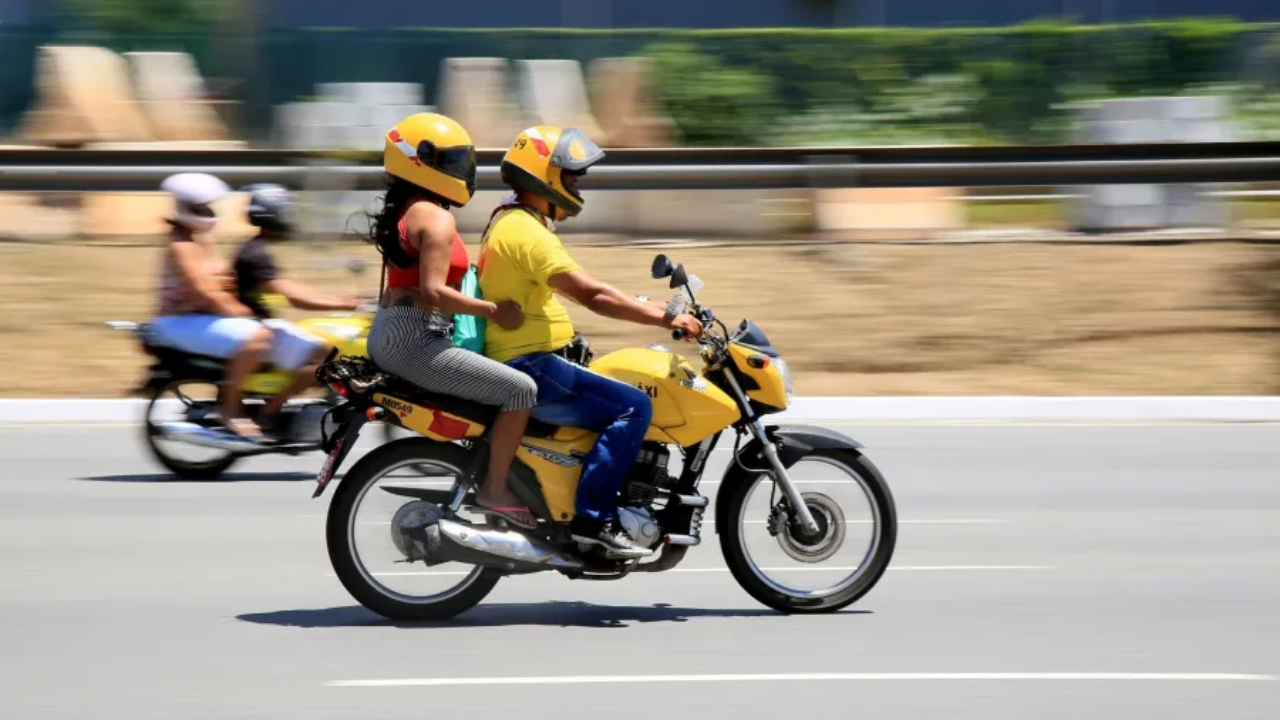
In summary, the measure brought a series of minimum requirements for the exercise of activities.
Article 2 In order to carry out the activities provided for in Article 1, it is necessary to:
I – have completed 21 (twenty-one) years of age;
II – have a license, for at least 2 (two) years, in the category;
III – to be approved in a specialized course, under the terms of Contran’s regulations;
IV – be dressed in a safety vest equipped with retroreflective devices, under the terms of Contran’s regulations.
Until December 2025, paragraph III of the aforementioned article was complemented by Contran Resolution No. 930, of March 28, 2022, but the regulation of the New CNH, Resolution No. 1,020, revoked the rule.
Questioned by AutoPapo, the Ministry of Transport stated that with the update, Senatra’s Complementary Ordinance No. 923, of December 10, 2025, came into force as a complementary rule to the 2009 Law.
The new Ordinance establishes the didactic-pedagogical content and the workloads of the training, recycling and specialization courses for drivers and instructors, thus making a complementary function to the “motorcycle courier law”.

According to the ordinance, motorcycle taxi drivers or any type of motorcyclist who carries out passenger transport are required to undergo specialized courses for drivers of individual passenger transport vehicles using motorcycles. This, in turn, has 30 hours of didactic-pedagogical content addressing: 1. Applied legislation. 2. Mandatory equipment. 3. Safe behavior. 4. Defensive piloting techniques. 5. Safe passenger transportation. 6. Personal protective equipment. 7. First aid. 8. Civil and criminal liability.
In a similar way, motorcycle couriers who make deliveries must complete specialized courses for drivers of vehicles intended for the paid transport of goods and in street community service with the use of motorcycles. The time is also 30 hours and deals with similar didactics, namely: 1. Specific legislation on motorcycle freight. 2. Mandatory equipment for motorcycle and driver. 3. Load securing devices. 4. Correct form of packaging. 5. Care with volume, height and weight. 6. Defensive driving applied. 7. Preventive maintenance. 8. Notions of first aid. 9. Driver’s liability. 10. Professional posture.
Also according to the Ministry of Transport, the training requirement must “be observed by the State Traffic Departments (Detrans), in accordance with current regulations”. In other words, it is up to the department of each state to inspect and guide the aspects of Law 12.009/2009 and Ordinance No. 923.
The laws and ordinances are already in force, which gives Detrans freedom to inspect and demand the course of workers. The case of São Paulo was an exception, but other states in Brazil may require the training of motorcyclists.



