Although Brazilian legislation allows it, the large motorcycle requires much more than the rider imagines
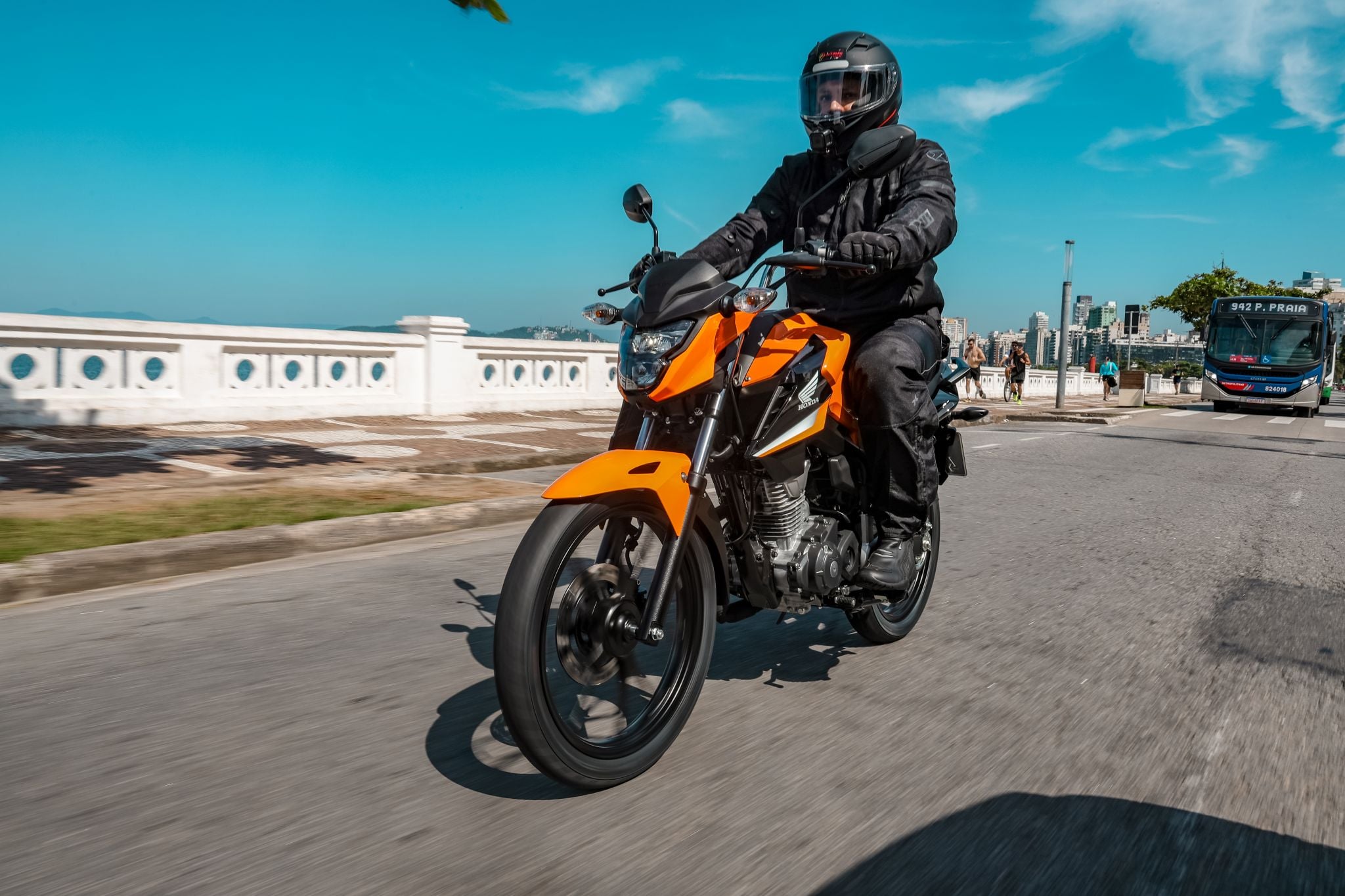
For motorcycle lovers, the dream is almost always a “thousand cylinders”, regardless of the style: sport, naked, big trail. In other words, the bigger, the better. However, everyone has a beginning and this must be respected for reasons of improvement and safety of the driver.
According to motorcycle expert Teo Mascarenhas, motorcyclists have to faithfully respect the hierarchy of the size of the engine’s volumetric displacement.
SEE ALSO:
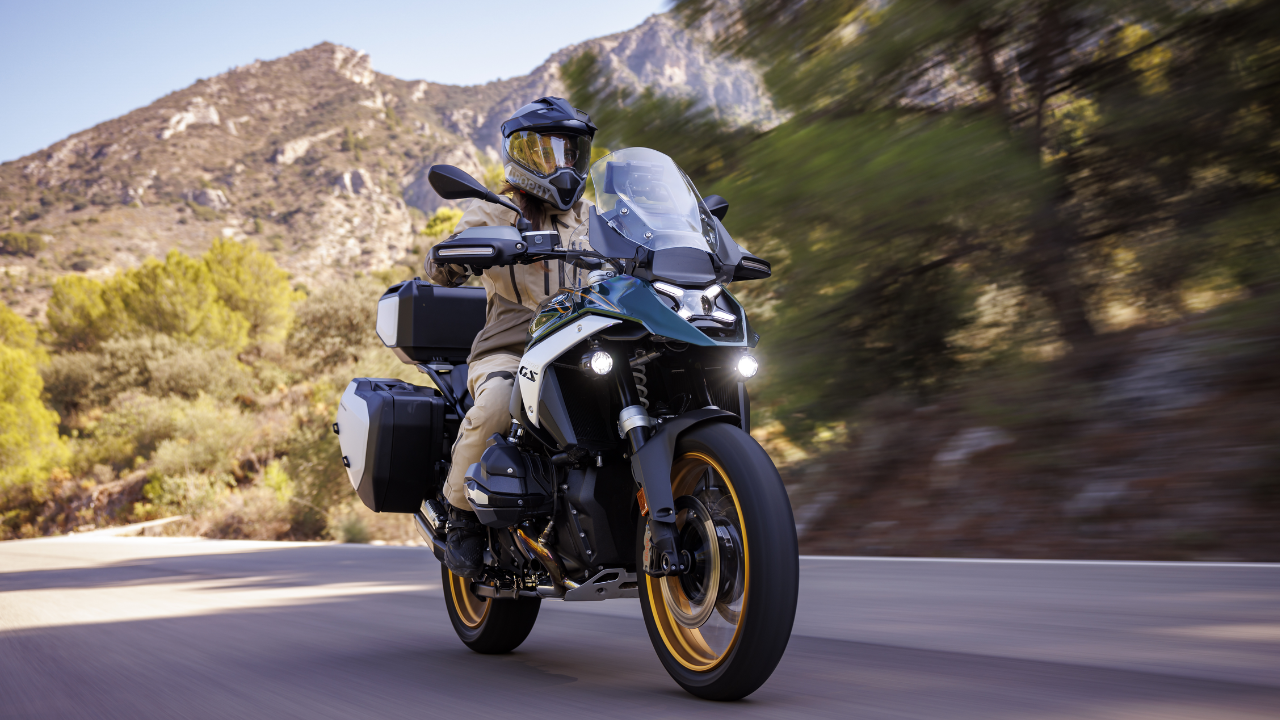
For Mascarenhas, even though in Brazil there is no limitation for newly qualified riders to ride any motorcycle from 50 cm³ (which is different in Europe and Japan, for example), several factors recommend that the motorcyclist start with small motorcycles and evolve to larger ones.
“Curiously, with vehicles with four or more wheels, there are categories B, C, D and E, for the different degrees of pilot aptitude and complexity of each type of vehicle”, questions the expert.
The first point for those who are starting out in the world of motorcycles to opt for a small one is usually in their pocket. In addition to the cost of acquisition and taxes accompanying the size of the model, maintenance is also proportional to the value of the chosen motorcycle.
It is interesting that the motorcyclist has a more economical and simple model, knows the model and understands in practice how much and how a motorcycle can impact the budget.
Regardless of the financial condition of the motorcyclist, the larger the bike, the more driving skill it will require. Large motorcycles are often faster, heavier, rougher, and easier to lose control. Unlike a car, it is not enough to just press the brakes, stop and calm down. On two wheels, a lack of capacity often results in a fall.
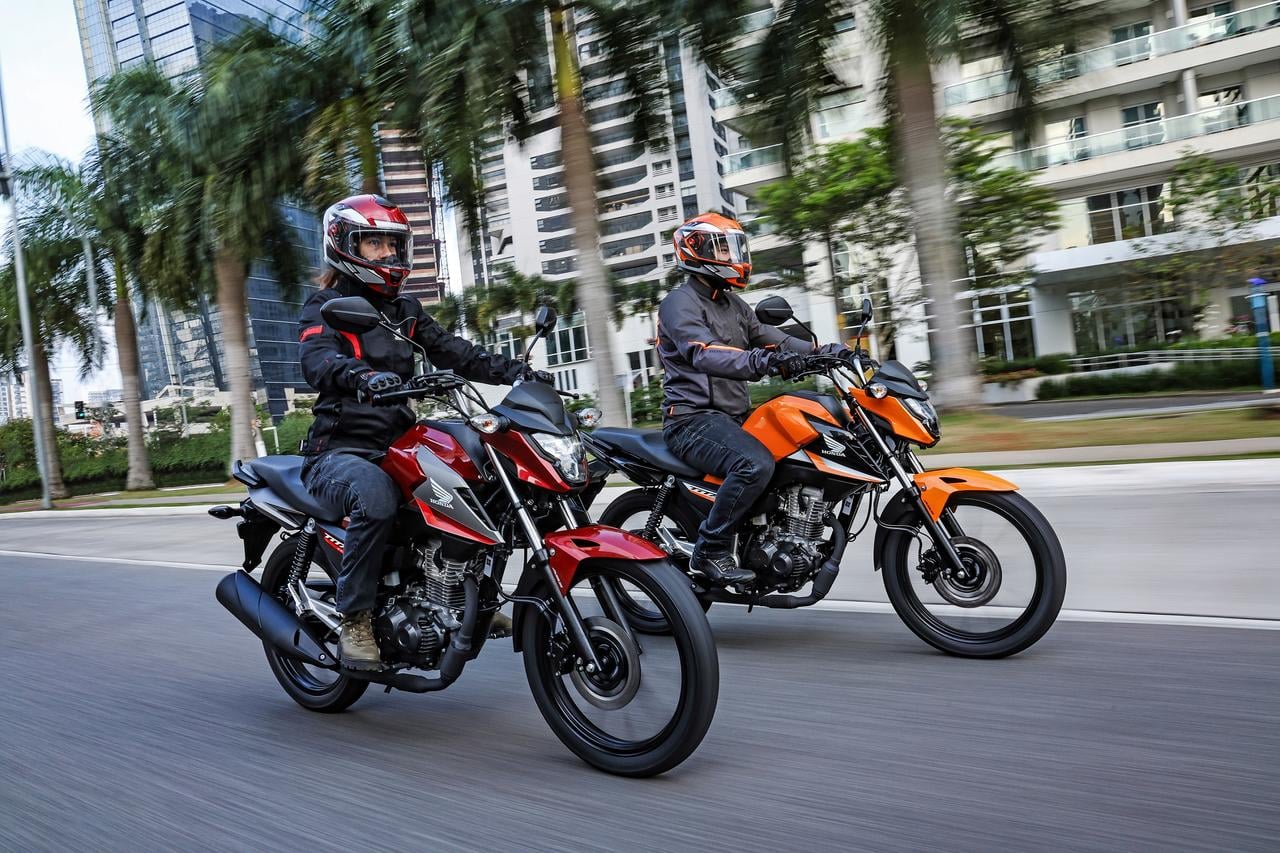
Téo Mascarenhas also warns of the environment in which the motorcycle will be most used. “If the focus is on riding in the cities, there is no point in parading with a huge and powerful motorcycle, which is close to 300 km/h of final speed, and being stranded in traffic, seeing the smaller and more adapted ones disappear in front. Smaller motorcycles are the best and most efficient means of transportation,” he explains.
The rider must really think about what the purpose of his motorcycle will be. For example, a motorcycle trip may not be the best option for those who are newly licensed. Urban and small models are not the most suitable for highways, as they are very light and not very powerful (which can put the rider in trouble in the midst of high-speed traffic). Waiting and gaining experience and skill to ride a bigger bike is welcome.



