Accident report points out that electric sedan doors lock in case of fire; agency requests recall of 370 thousand cars
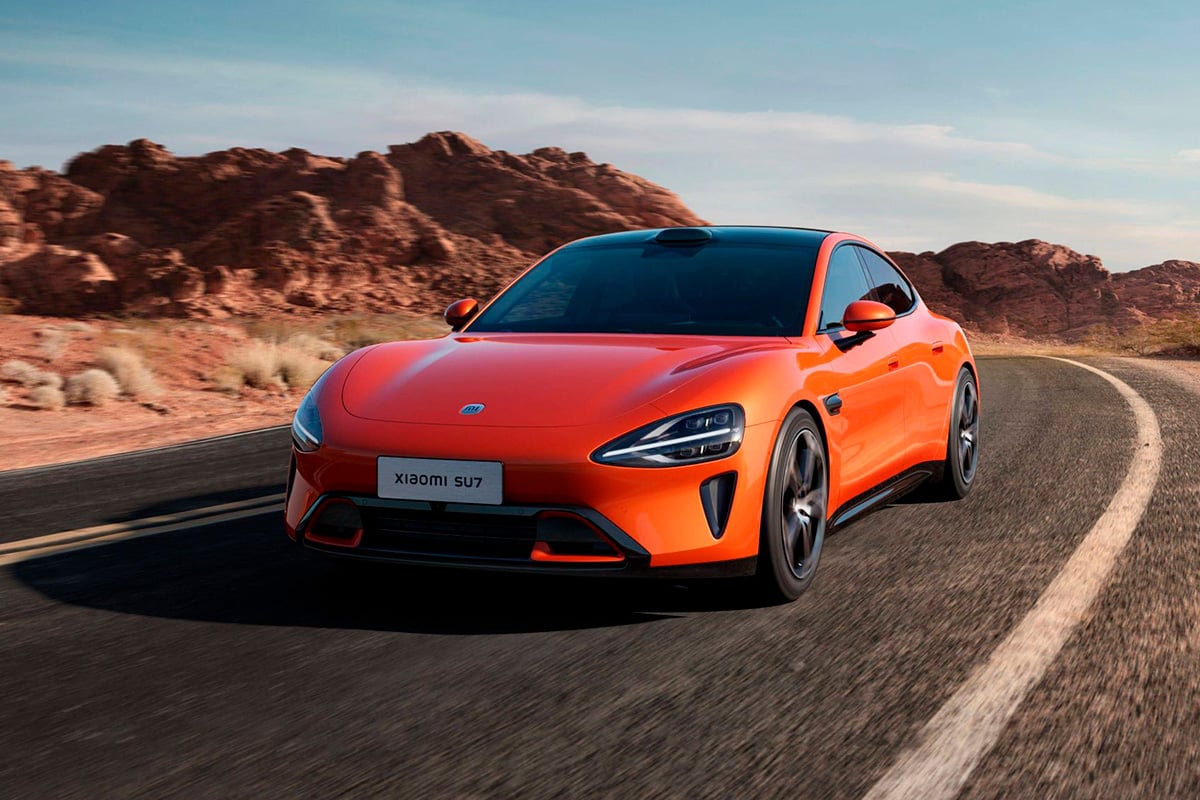
Xiaomi faces increasing public scrutiny in China over the demand for a recall involving more than 370,000 units of the SU7 electric sedan. The pressure, led by financial newspaper Yicai, targets a critical safety flaw in the design of recessed door handles, which could prevent the rescue of occupants in serious accidents. The imbroglio has gained strength in recent weeks after the release of an expert report on a fatal collision that occurred in October last year.
During the accident, the vehicle’s low-voltage system was severely damaged and shut down after the initial impact. Without power, the electronic door handles did not protrude outward. As the design of the first generation of the SU7 does not include a mechanical unlocking mechanism from the outside, the witnesses who tried to help the driver were unable to open the doors before the car was completely consumed by the flames.
SEE ALSO:
The forensic report was blunt in revealing that the direct cause of death was the combustion of the vehicle, and not the trauma caused by the impact of the crash. The document highlighted the lethal risk of the current design adopted by the technology giant. The center of popular concern is that about 370 thousand vehicles of the first wave of the SU7 run today with this exact door system without external emergency activation.
Although Xiaomi has already changed the design for the next production batches — anticipating safety standards that will become mandatory in China only in 2027 — owners of the old units remain exposed to risk. The silent change in the assembly line suggests that the manufacturer has recognized the vulnerability, but is still hesitant to call on customers who already have the cars on the road.
The pressure from the local press now falls on the need for Xiaomi to demonstrate maturity as an automotive manufacturer and real commitment to safety. Industry analysts recall the case of Li Auto, which, faced with a structural problem, invested more than 1 billion yuan (about R$ 785 million) in preventive hardware upgrades for the affected fleet, shielding its reputation and consumer confidence in the competitive Chinese market.



