Honda's electric kei car 'violated' segment rules to be sportier and promises sensory fun despite the absence of a combustion engine
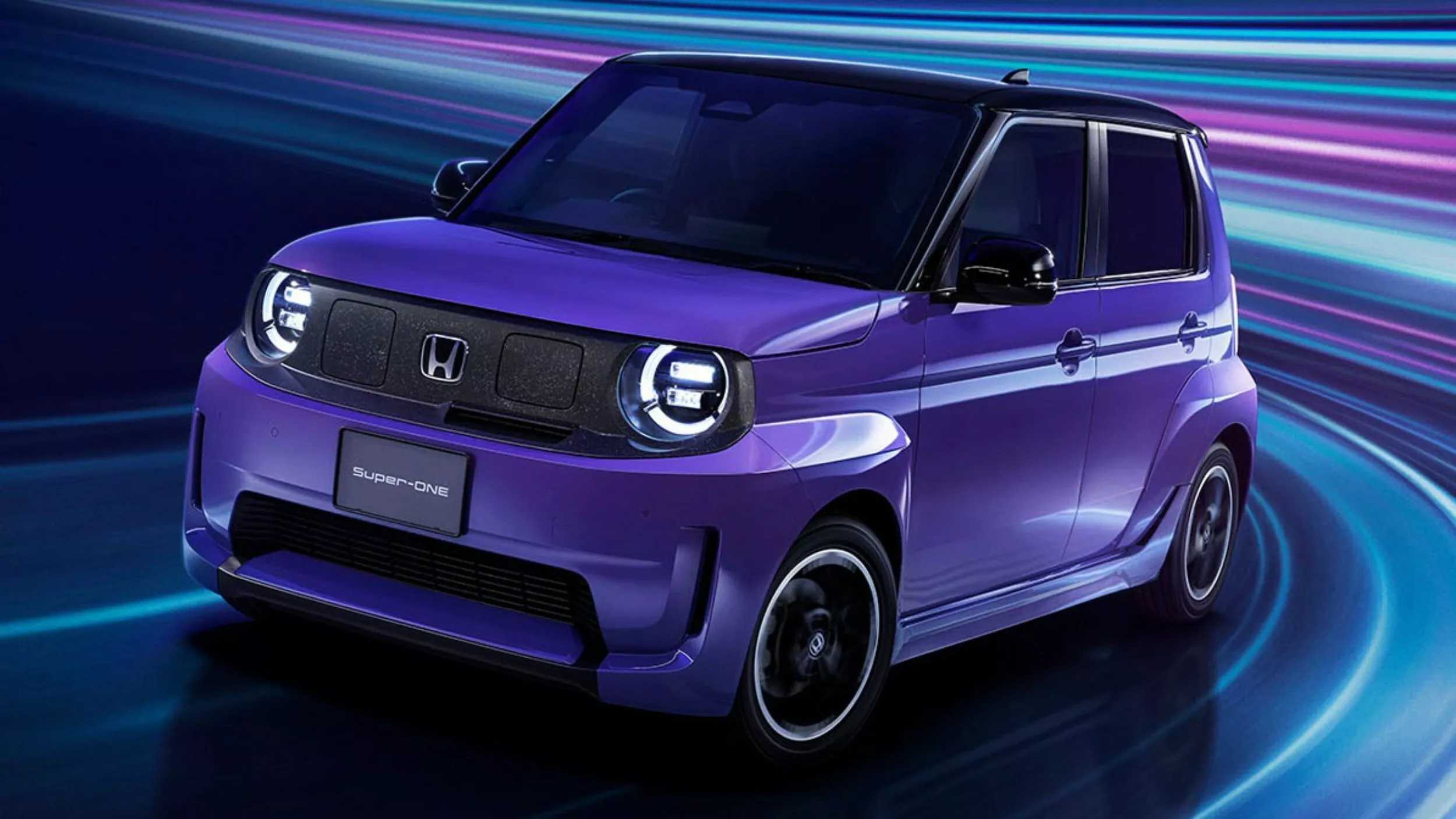
In a move that unites eighties nostalgia and modern technology, Honda has revealed the final details of the production version of the Super-One. The model, a compact electric hatchback, arrives with a clear mission: to prove that electrification does not have to kill the fun behind the wheel. Described by the brand as the spiritual successor to the iconic City Turbo II “Bulldog” of 1983, the vehicle breaks with the typical rationality of the segment and bets on exciting design.
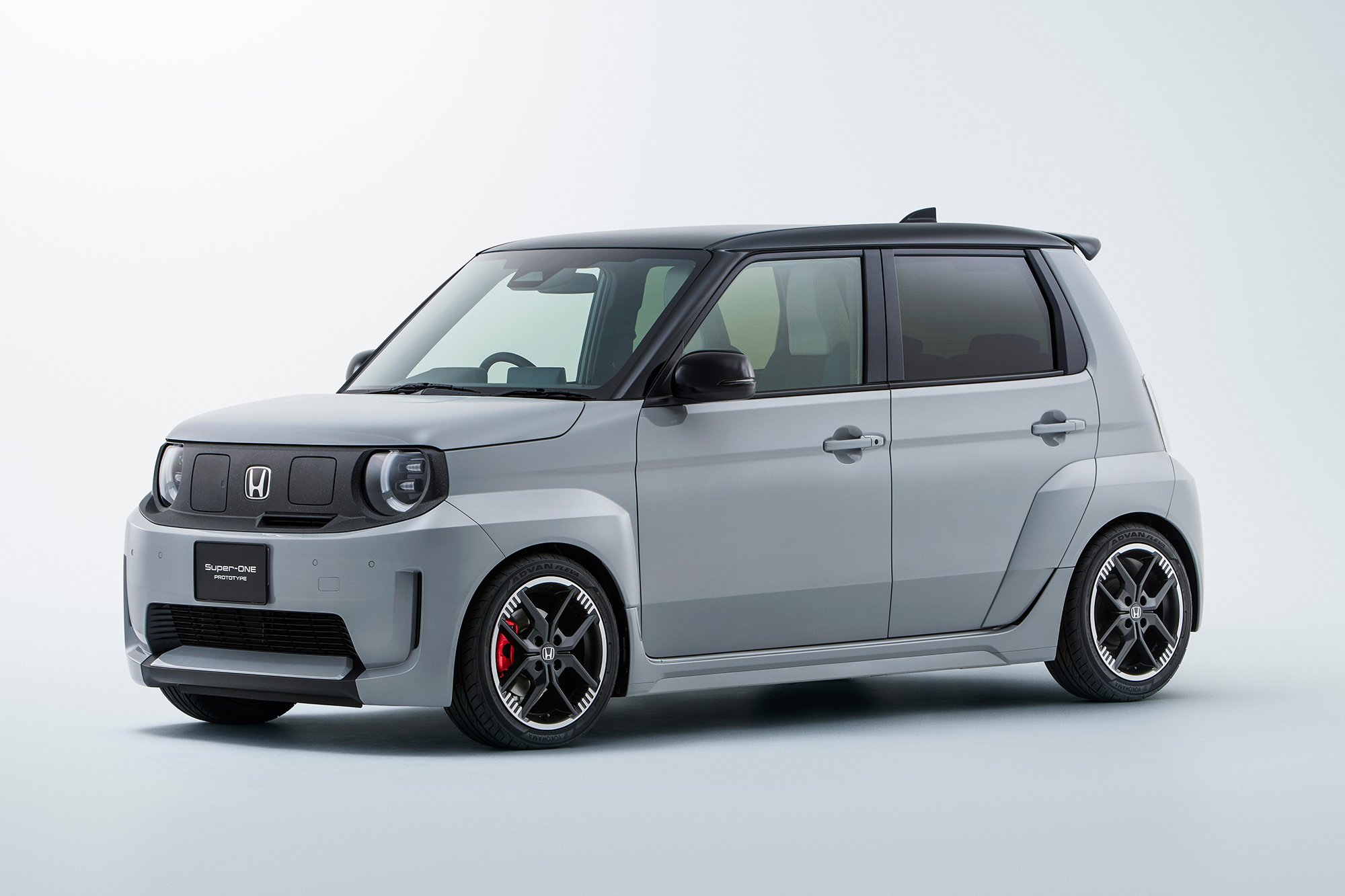
Unlike the N-One and: — the model on which it is based — the Super-One does not fall into the category of kei cars (Japanese microcars with tax benefits). That’s because Honda deliberately chose to “transgress” the rules of dimension: at 1.57 m wide, it is 9.8 cm wider than the original model. This choice allowed the installation of flared fenders and a larger track gauge, ensuring an aggressive stance and greater dynamic stability.
SEE ALSO:
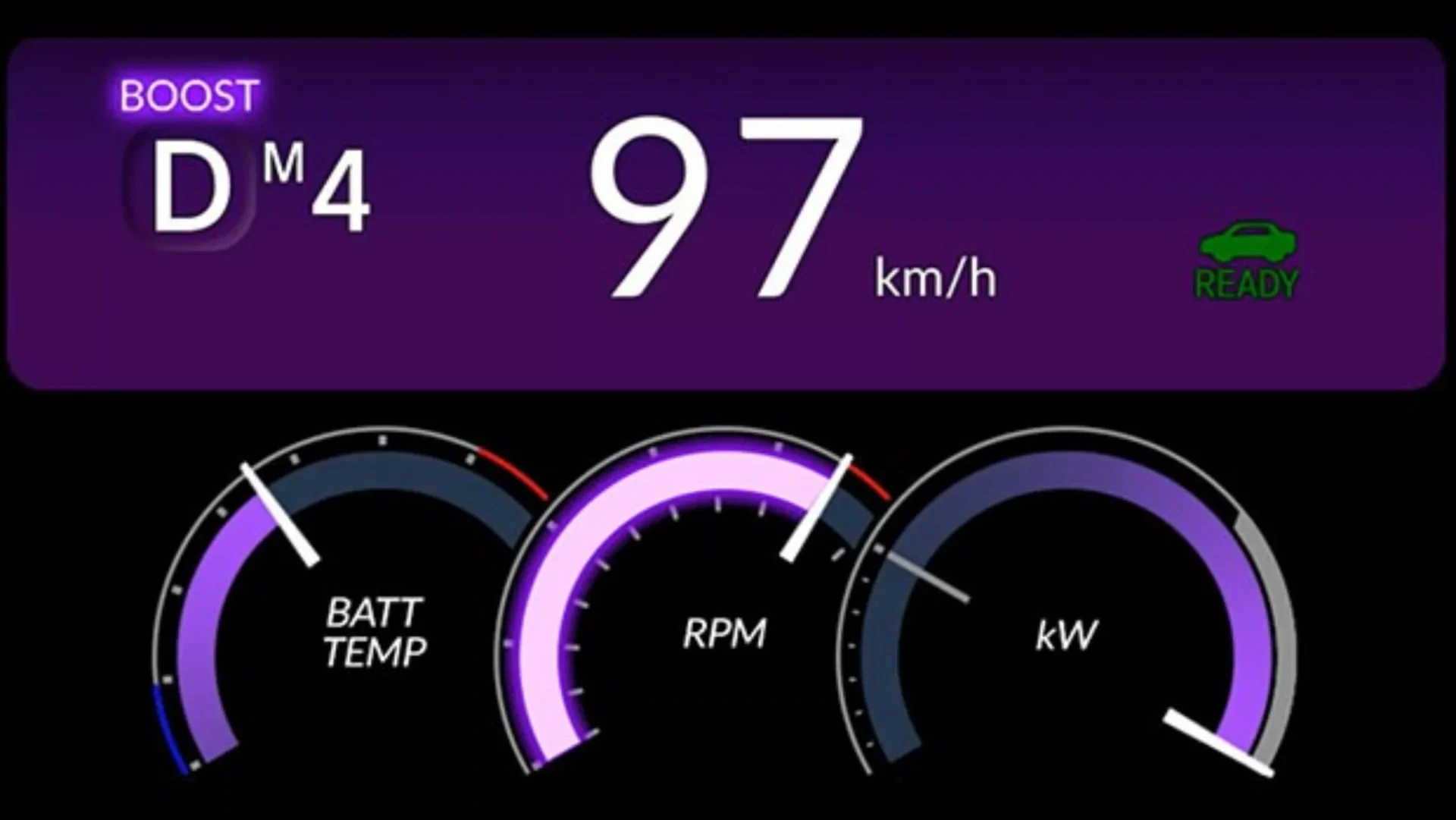
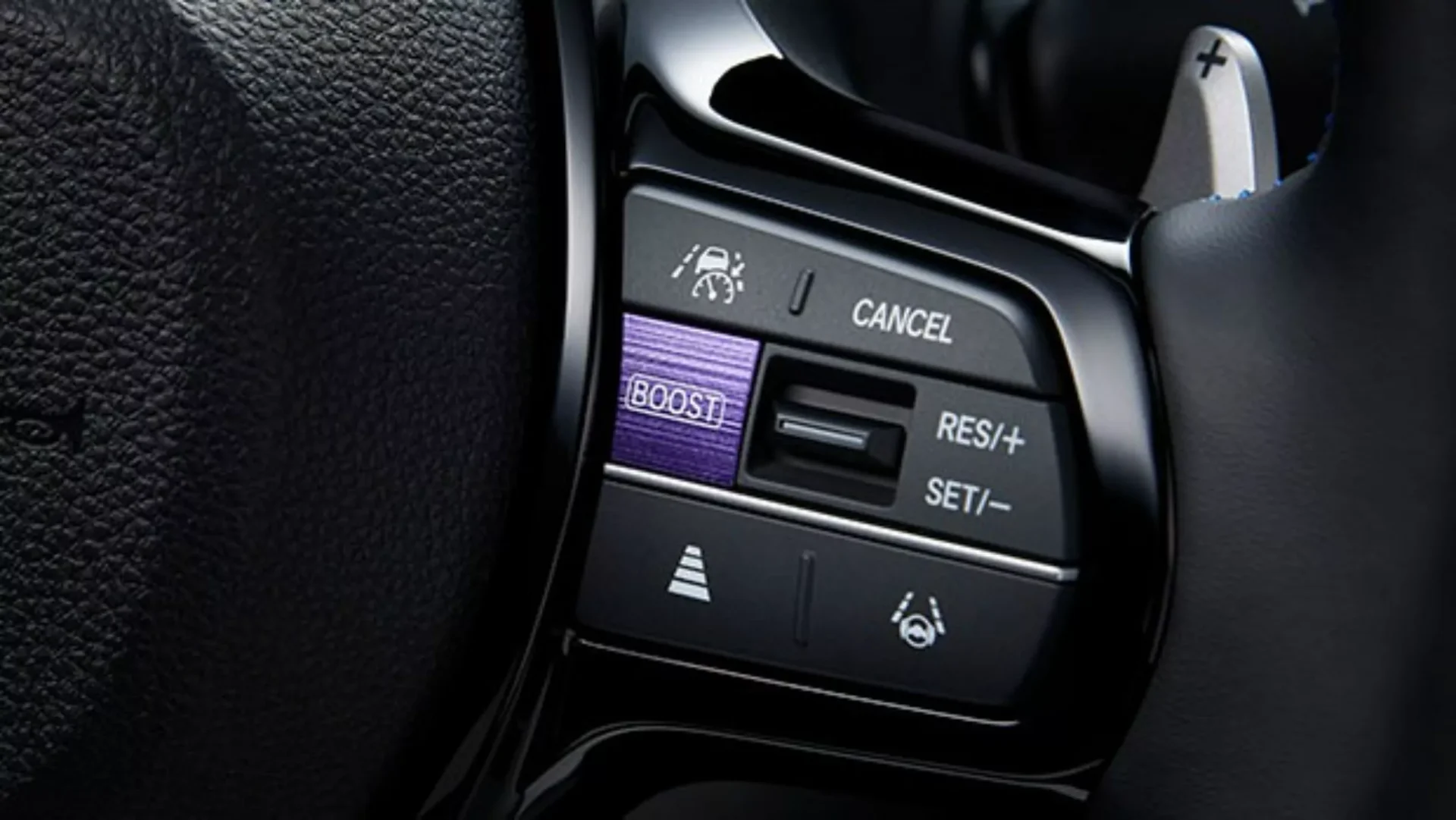
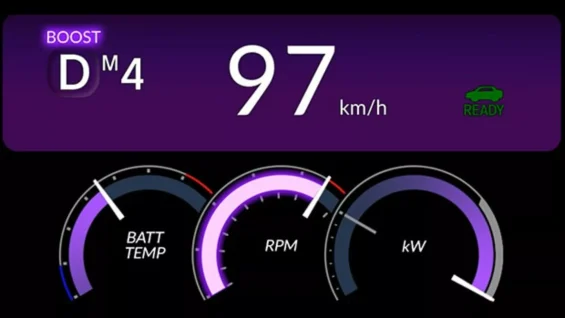
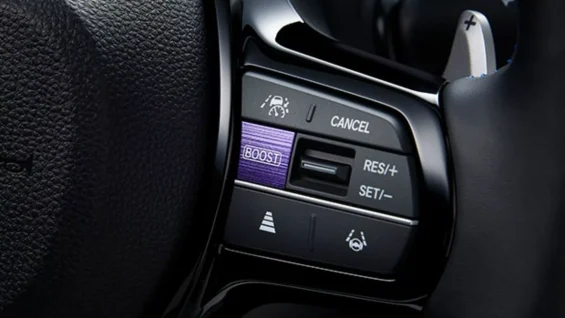
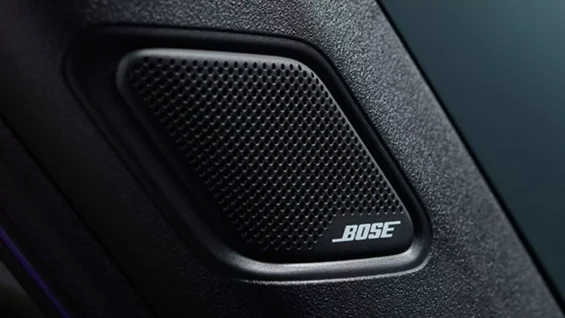
Honda’s big bet, however, is on the senses: the Super-One features a sound control system that not only emulates the noise of a combustion engine, but simulates the operation of a seven-speed transmission. Inside, when activating the “Boost Mode”, the 7″ digital panel also abandons the energy efficiency graphics to display a virtual tachometer, completing the illusion of a classic “hot hatch”.
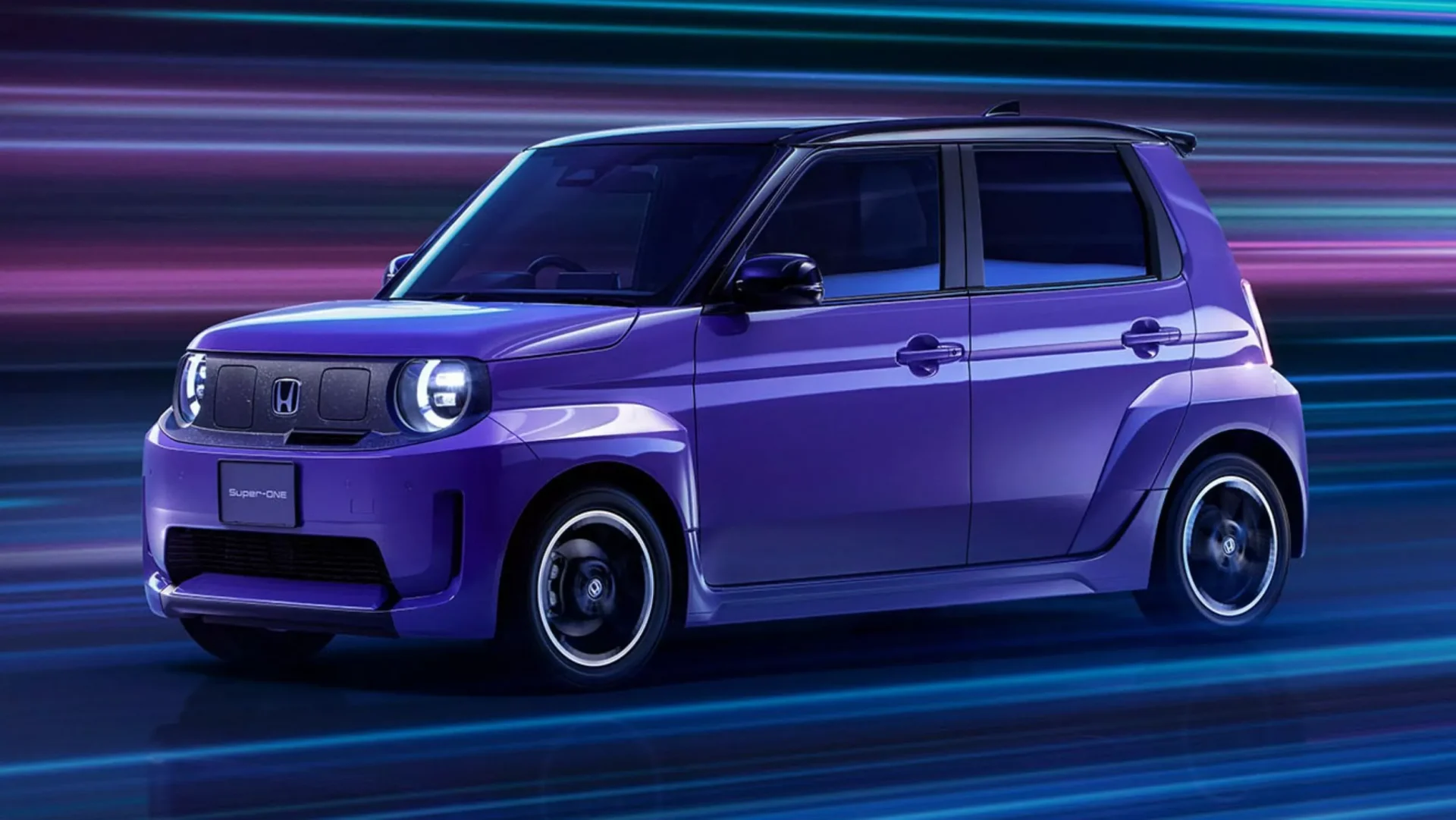
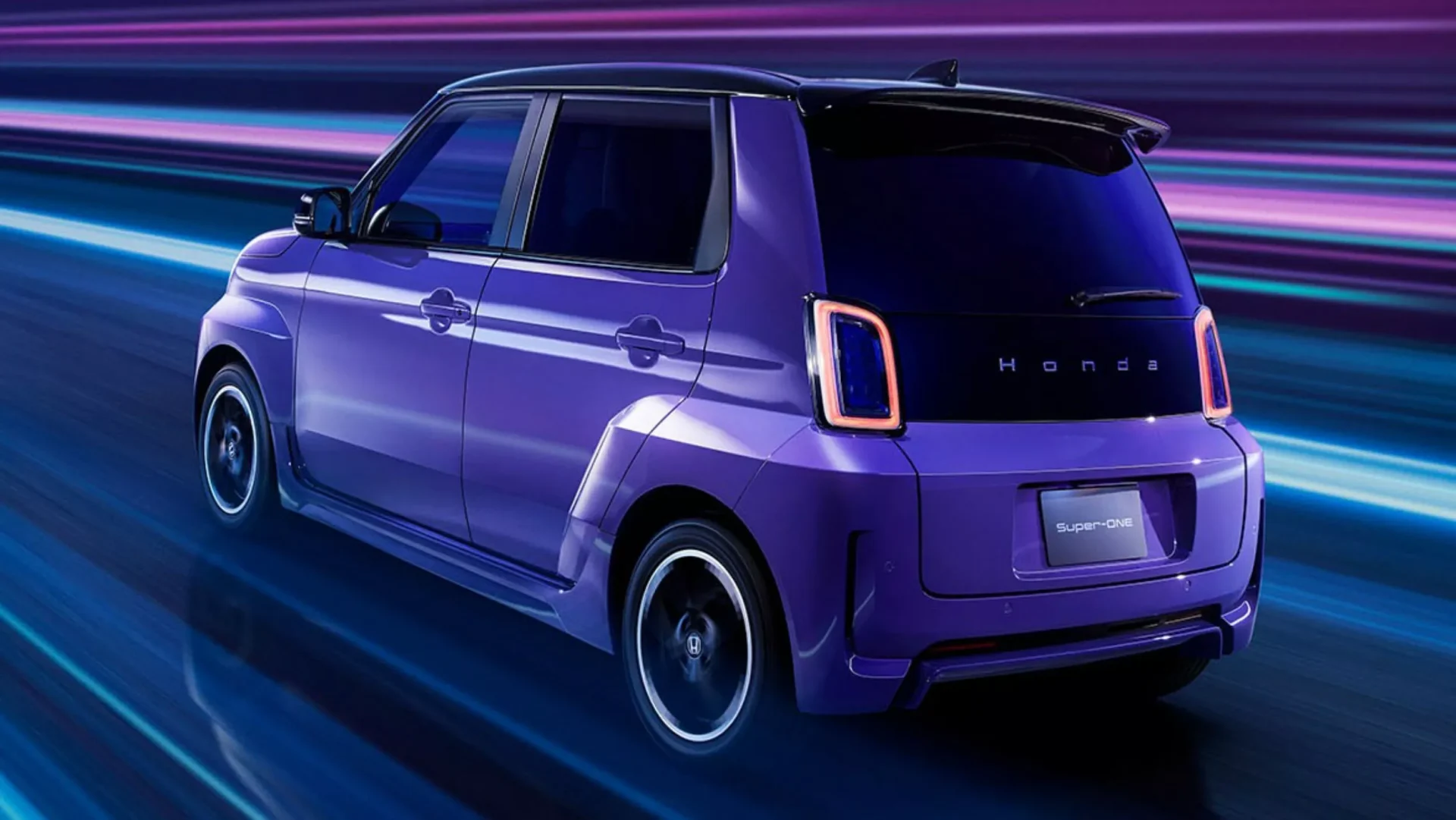
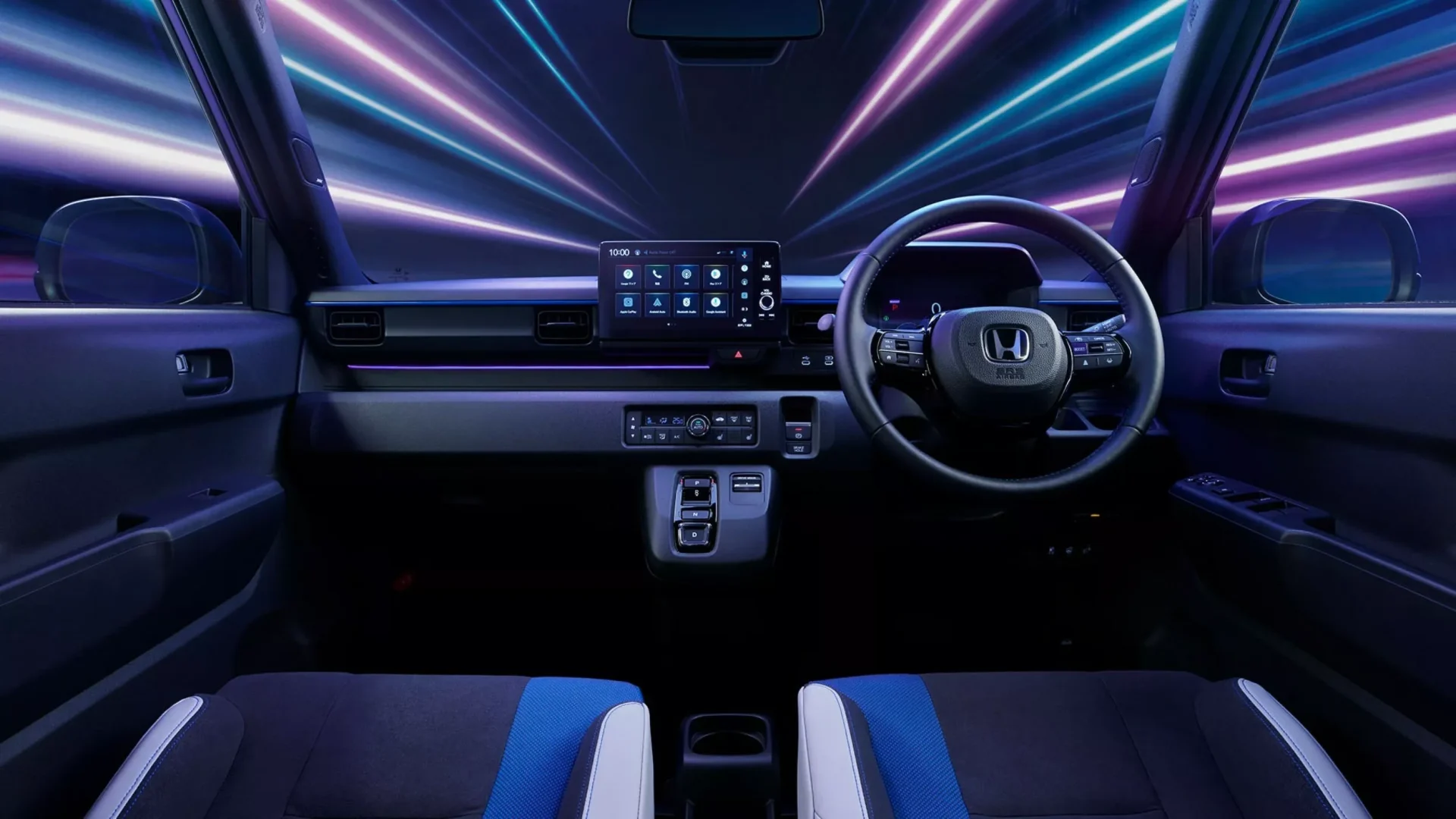
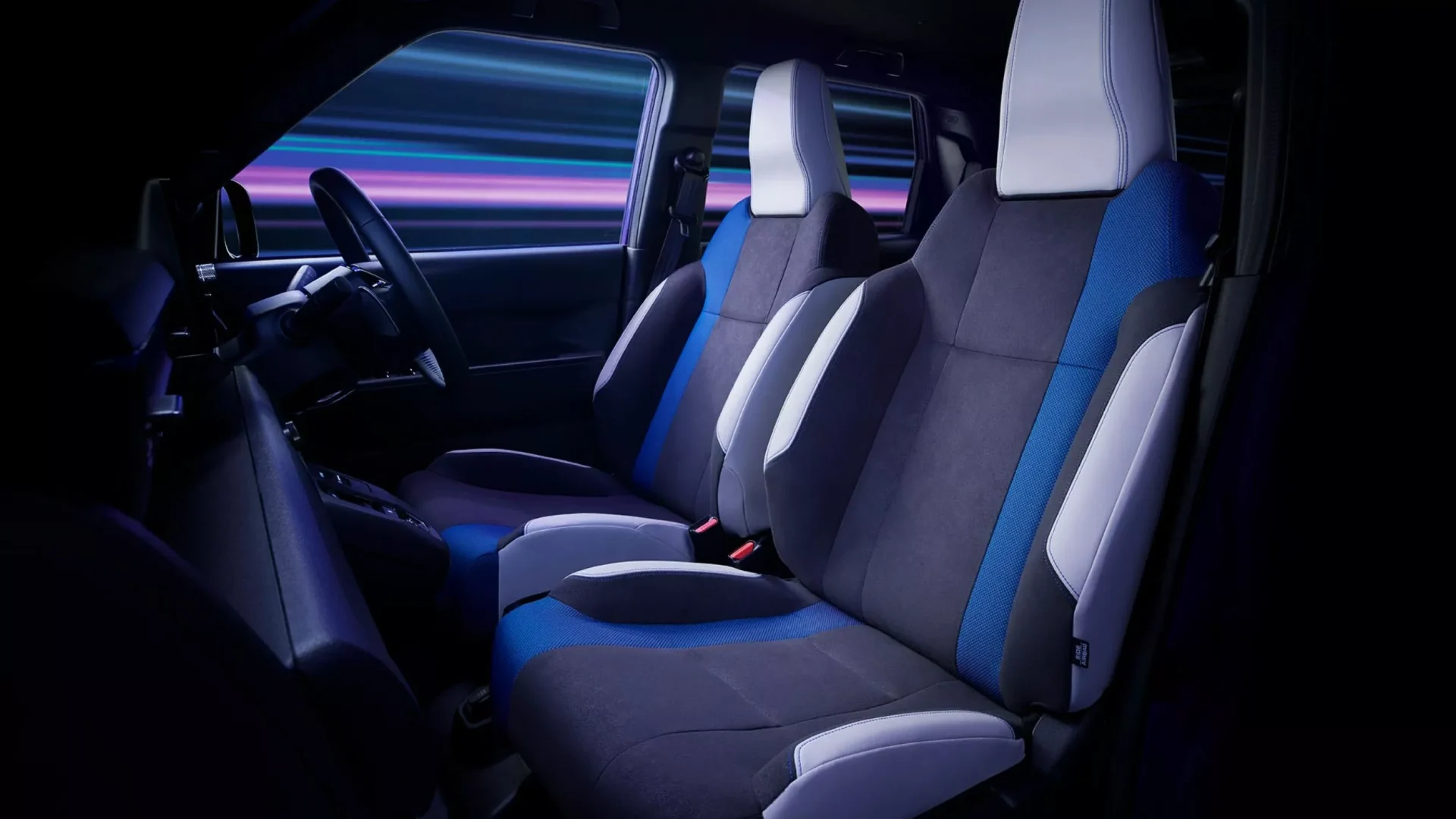
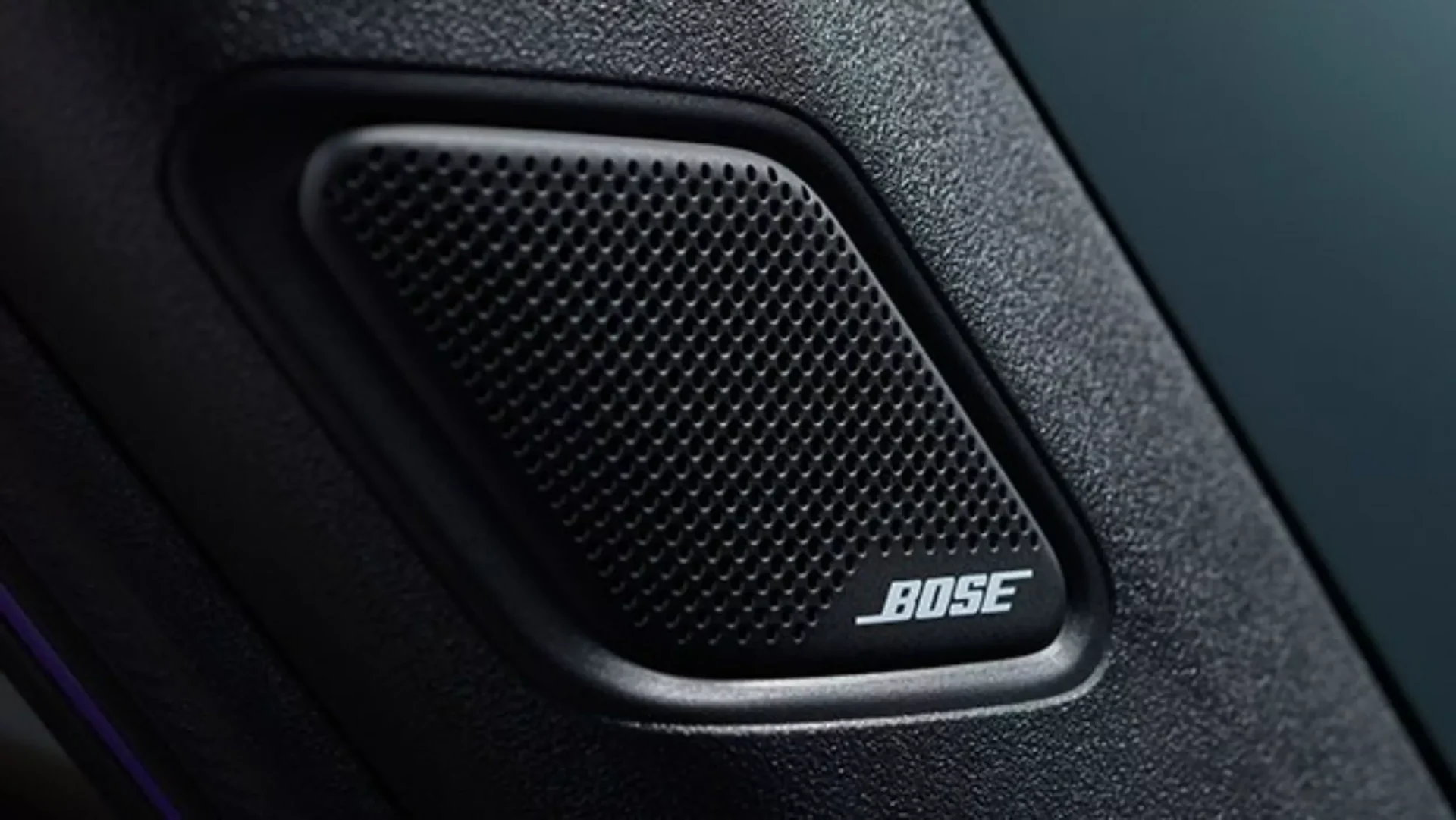
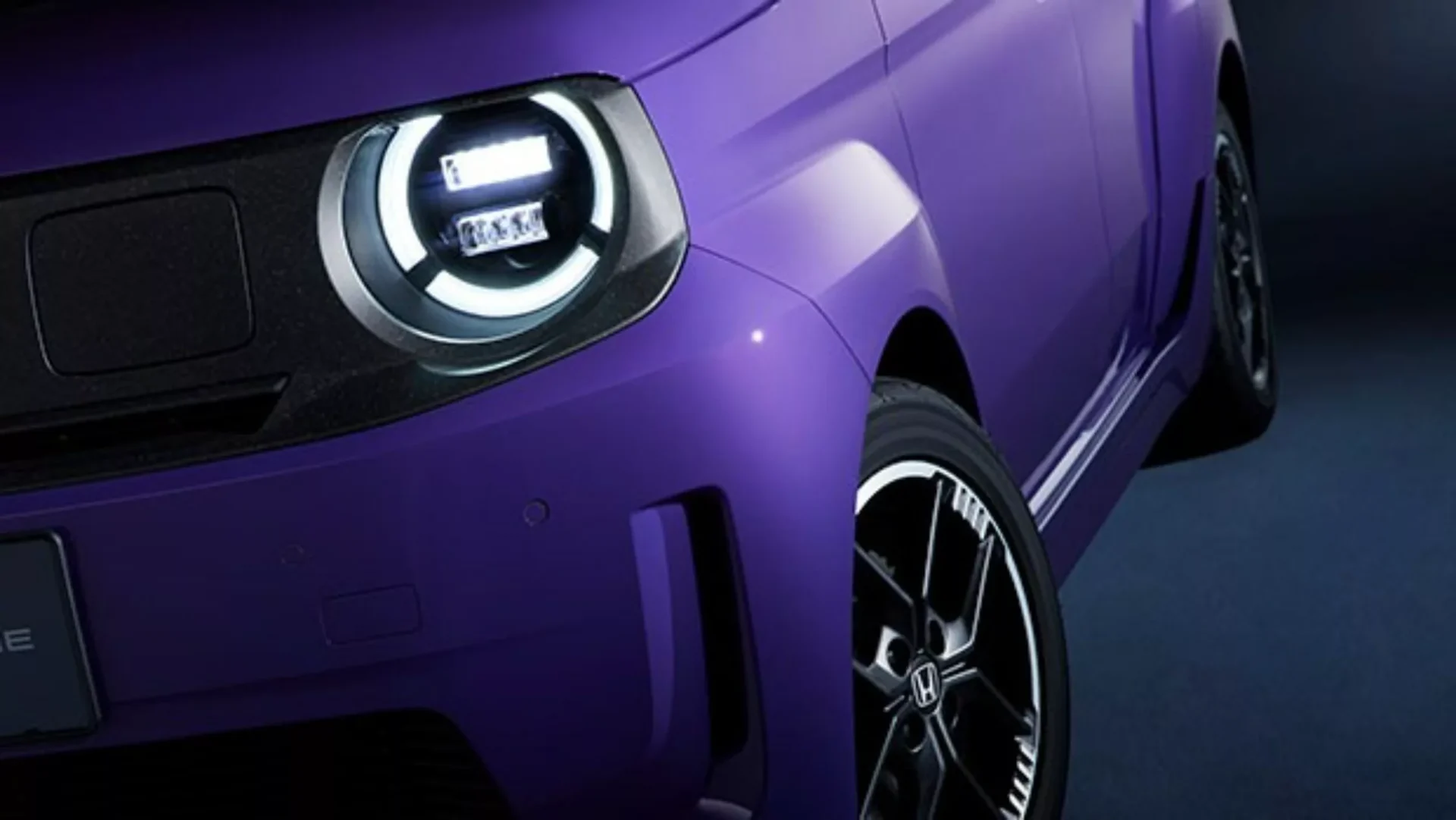
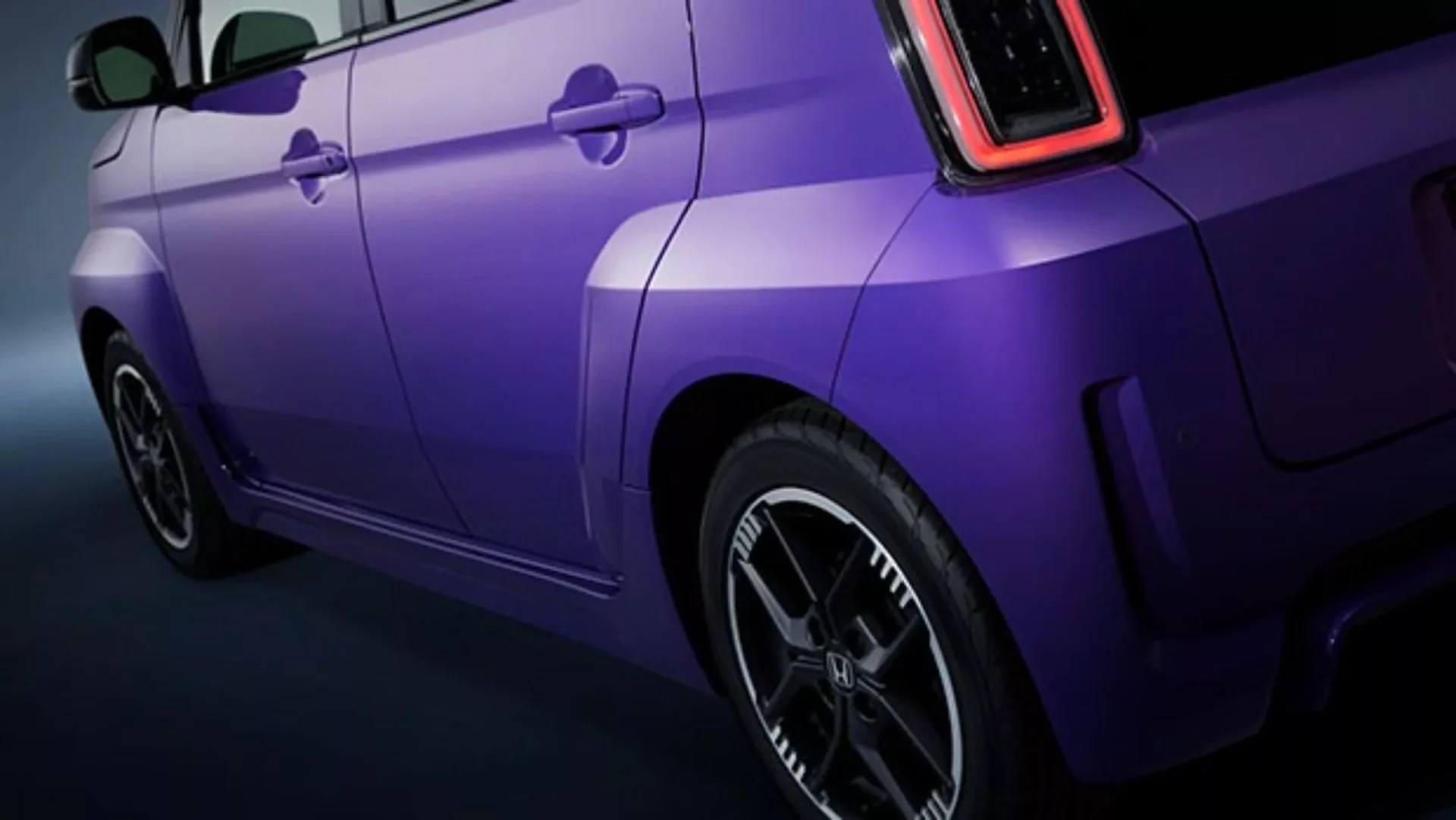
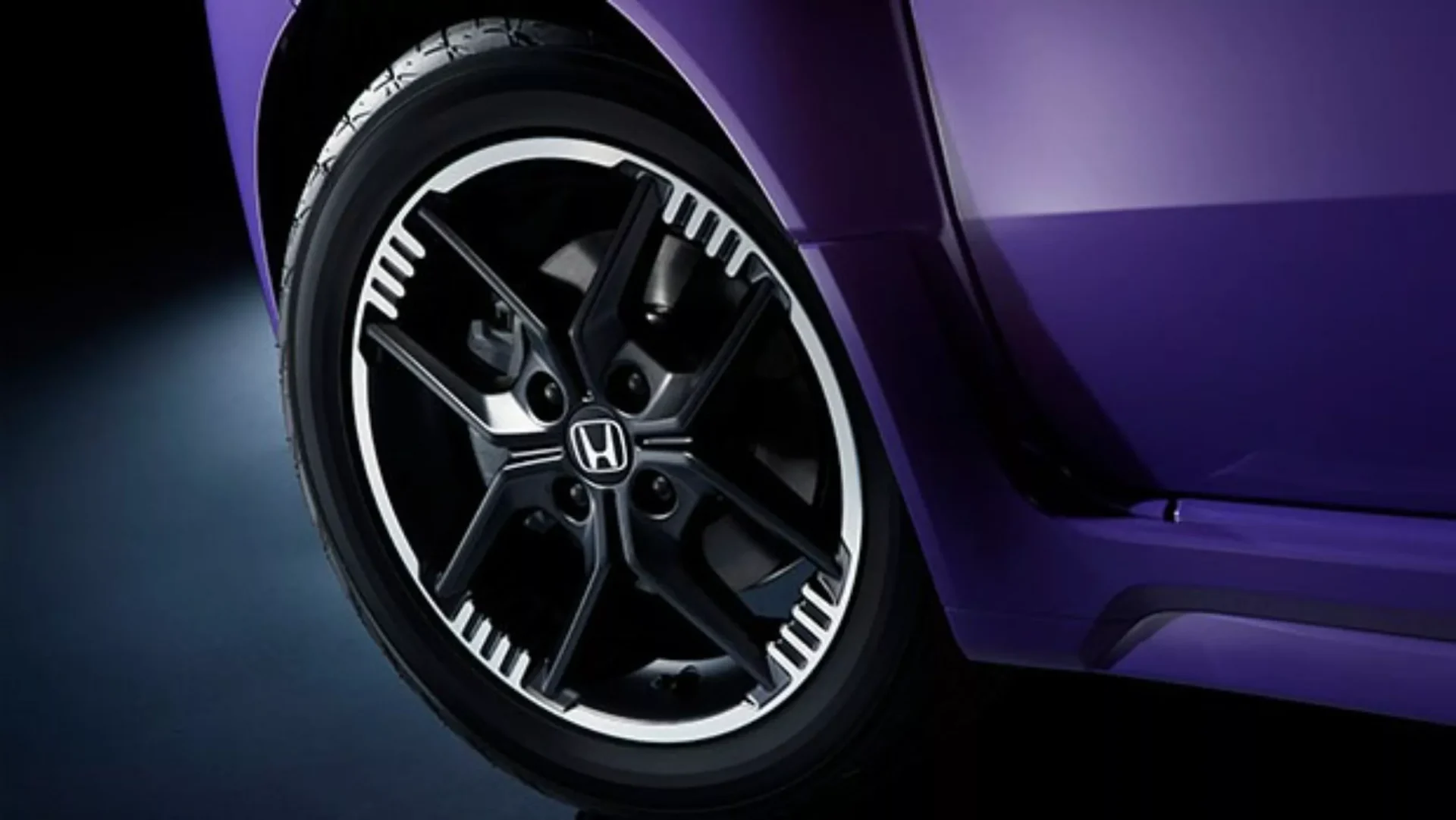
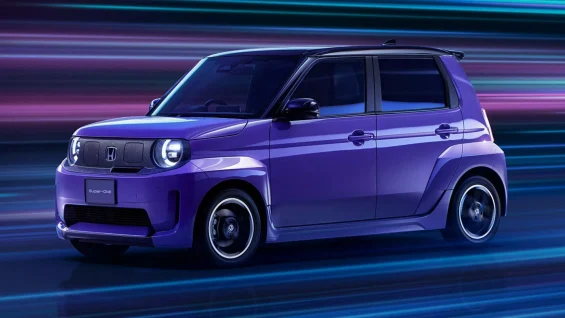
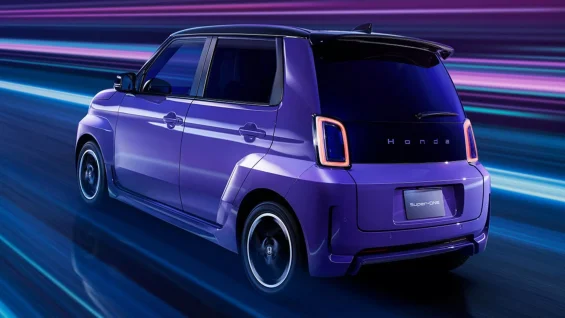
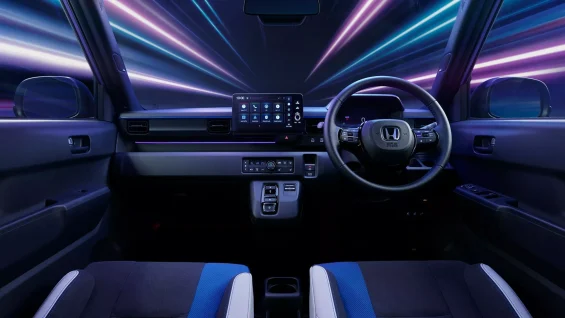
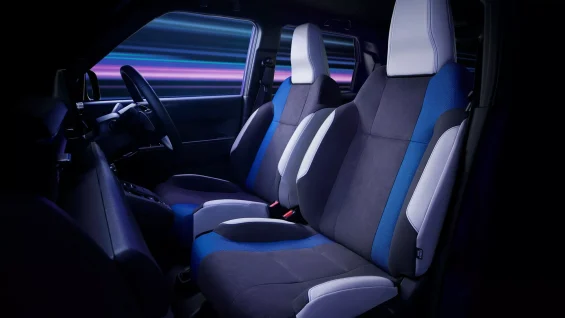
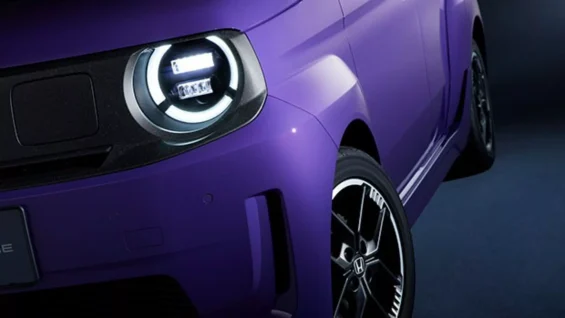
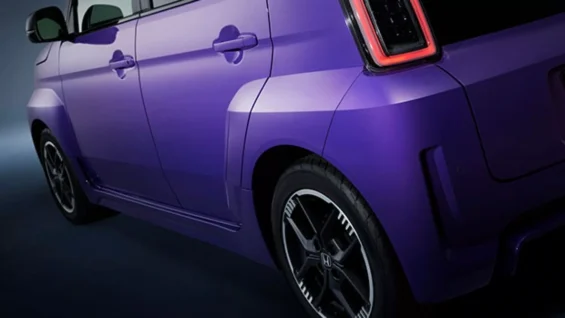
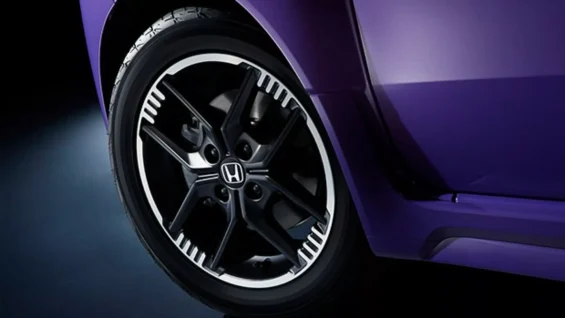
Aesthetically, the model abuses sportiness with 15-inch wheels in Matte Berlina Black finish, shod with wider Yokohama tires, and a prominent roof spoiler . The interior follows the same aesthetic, adding seats with reinforced side flaps and exclusive details.
Although Honda keeps the range secret, it is known that the front engine should deliver around 94 hp in maximum performance mode. According to the Japanese website Creative Trend, the estimated price will be between ¥ 3 million and ¥ 3,5 million (approximately R$ 100 thousand to R$ 120 thousand in direct conversion). After debuting in Japan in 2026, the “pocket rocket” has a stamped passport for global markets, including Europe and the United Kingdom.



