Factions take advantage of the growth of the electric fleet to circulate at no cost and escape from cameras at conventional stations
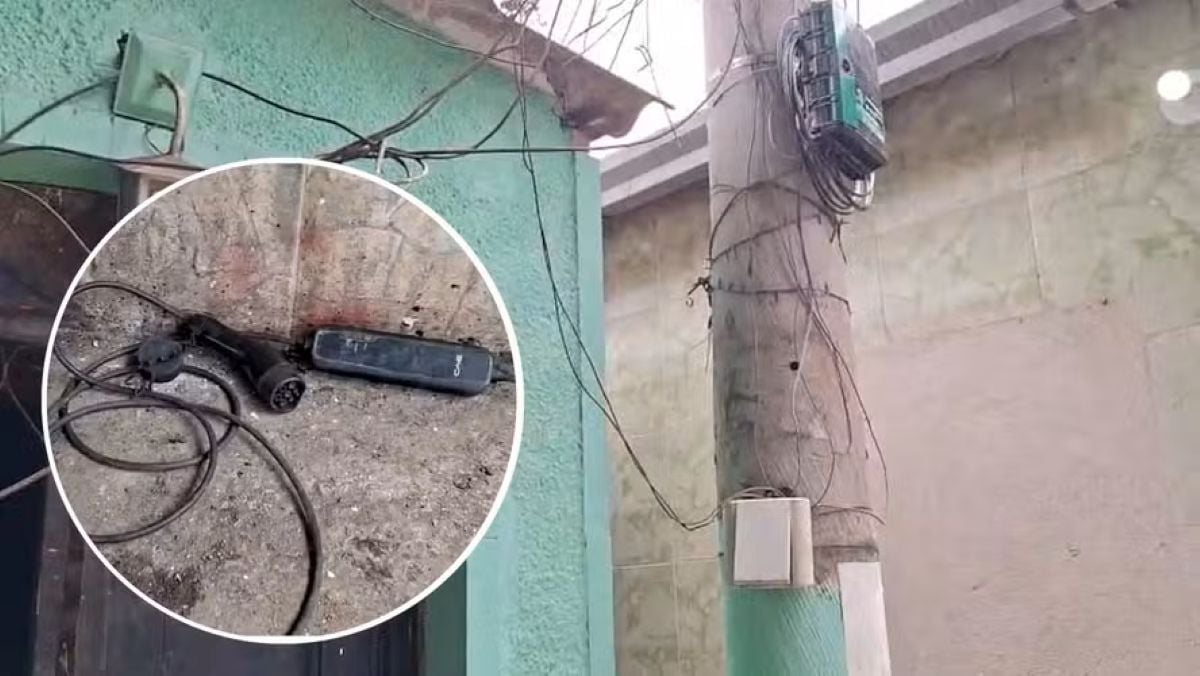
The modernization of the automotive fleet in Rio de Janeiro has boosted a new logistics strategy of organized crime: the creation of clandestine charging networks for stolen electric vehicles, according to O Globo. Last Thursday (9), a joint operation by the Civil and Military police located the first “electroposts” of drug trafficking in Vila Aliança, west of the capital, an area dominated by the Terceiro Comando Puro (TCP) faction.
According to the investigations, the improvised infrastructure used illegal connections in the electrical network — the popular “gatos” — to supply the vehicles at no cost. The tactic offers criminals a double operational advantage: it eliminates fuel expenses and avoids exposure at conventional gas stations, places often monitored by security cameras.
SEE ALSO:
The phenomenon is not isolated. Security authorities have already mapped similar charging points in other strongholds of organized crime, such as the Maré, Penha, Alemão and Chapadão complexes. In addition to their use for internal transport and the commission of crimes, electric vehicles have become targeted for the dismantling and resale of high value-added parts.
The interest of the factions accompanies the heating up of the legitimate market. Data from the Brazilian Electric Vehicle Association (ABVE) show that sales in the state of Rio jumped from 12,754 units in 2024 to more than 20 thousand in 2025, a growth of more than 60%. With more cars on the streets, the incidence of robberies increased proportionally.
For the police, the escalation in thefts of vehicles — electric or combustion — also works as retaliation for recent repression actions, such as the “Barricada Zero” operation. In response, the Secretariat of Security intensified Operation Tourniquet, focusing on the Baixada Fluminense and Duque de Caxias, regions that concentrate the current critical crime rates and vehicle reception.



