Millennial fasteners remain irreplaceable in aircraft, while the automotive industry is betting on welding to gain efficiency and finish
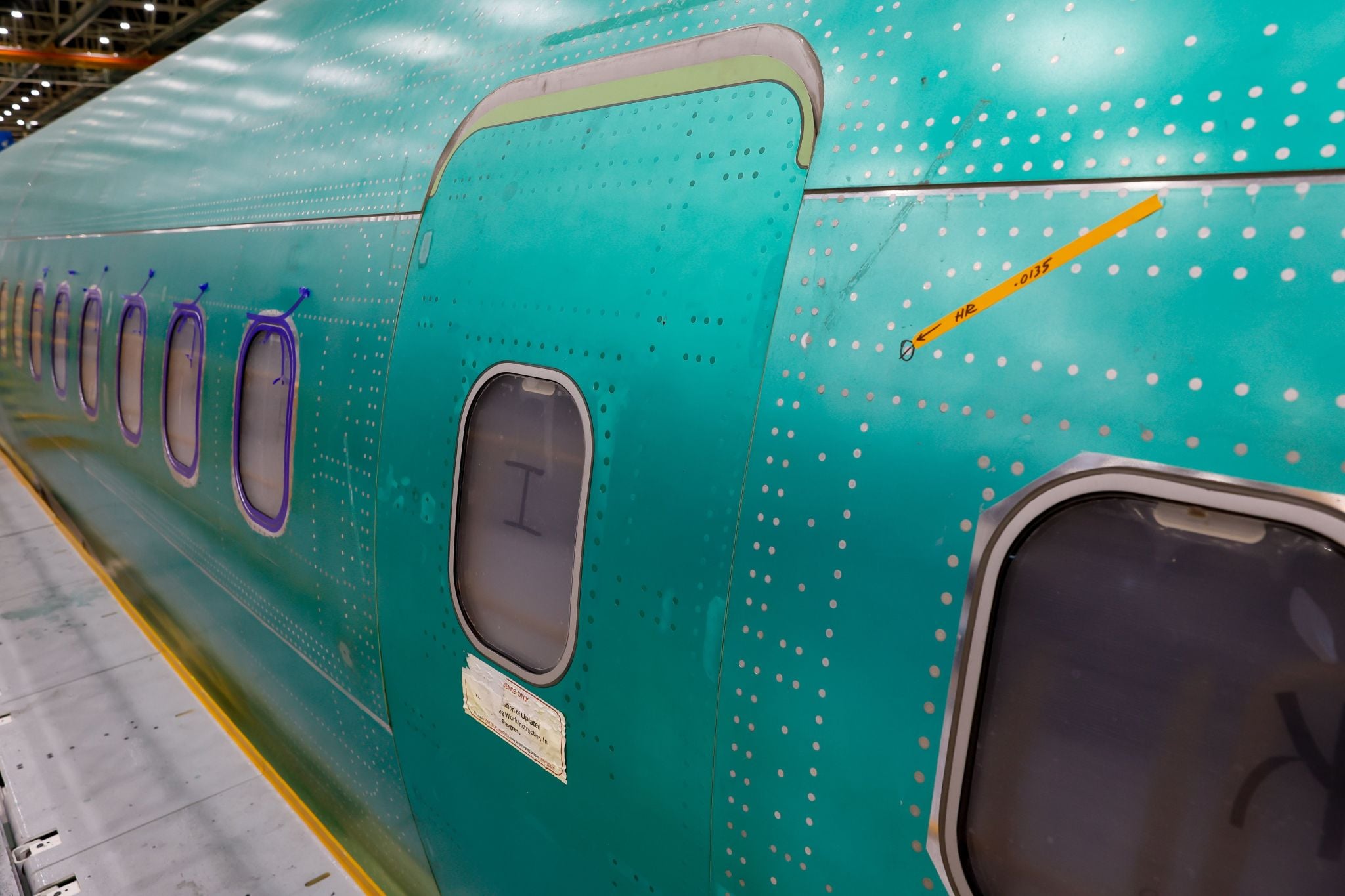
The rivet dates back to antiquity, consolidating itself as one of the most enduring methods of joining materials in history, with records dating back to the construction of the pyramids of Giza. In contemporary technical definition, it is a metal fixative composed of a rounded head and a smooth stem. By being mechanically deformed after application, the part creates a permanent and robust bond between metal surfaces.
In the 19th century, the technological leap in engineering expanded the use of these fasteners to colossal structures. Transatlantic ships, railway networks, and architectural icons such as the Eiffel Tower have been erected on this technology. The Titanic, for example, used the method extensively—though there are theories that the inconsistent metallurgy of some rivets may have weakened the hull in the fateful impact. According to data from the manufacturer Rivetwise, in Great Britain in 1900, more than 35 thousand kilometers of rails were held together exclusively by this type of fastening.
SEE ALSO:
In modern aviation, the relationship with rivets remains unshaken, not out of nostalgia, but out of physical necessity. Aircraft rely on the ability of these fasteners to withstand intense cycles of pressurization, vibration, and stress without cracking.
While the construction and automotive industry have massively migrated to welding, the airline industry faces a material limitation: aluminum. Predominant in the fuselage of airplanes due to its lightness, this metal does not react well to the extreme heat of the weld, which can alter its temper and weaken the structure at critical points.
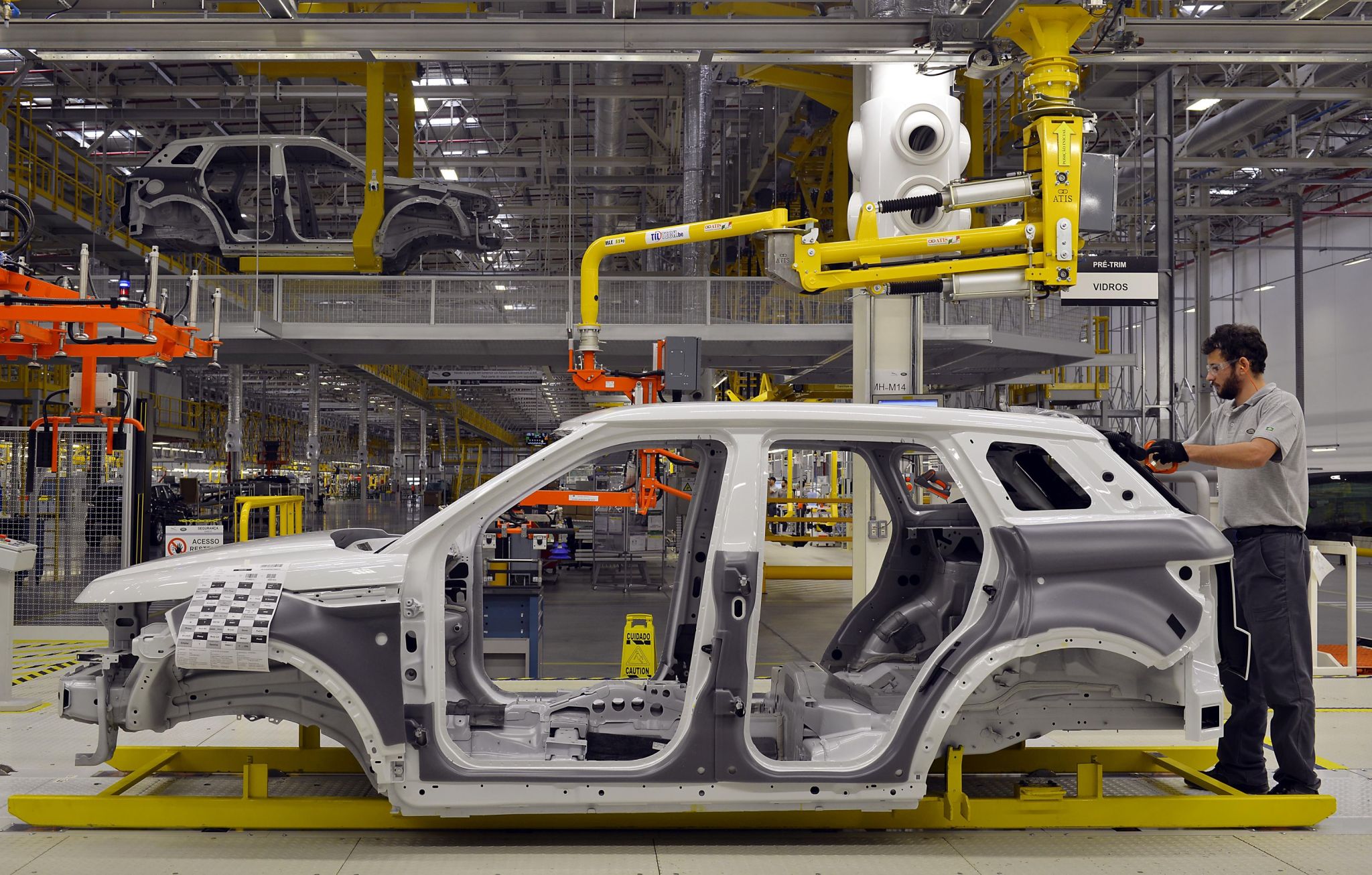
In the automotive universe, the industrial logic is different. The bodies are mostly stamped in steel, a material with a high melting point and high tolerance to welding processes. This allowed automakers to adopt robot-automated production lines, ensuring speed and scale.
In addition to manufacturing efficiency, welding contributes to weight reduction—eliminating the extra mass of thousands of fasteners—and aesthetics. In car design, the priority is visual fluidity and the aerodynamics of clean surfaces, free of the protrusions that still characterize the metallic skin of aircraft.



