Technical incident forced the entourage to disembark and use a spare plane; president speaks today amid tensions with NATO and Europe
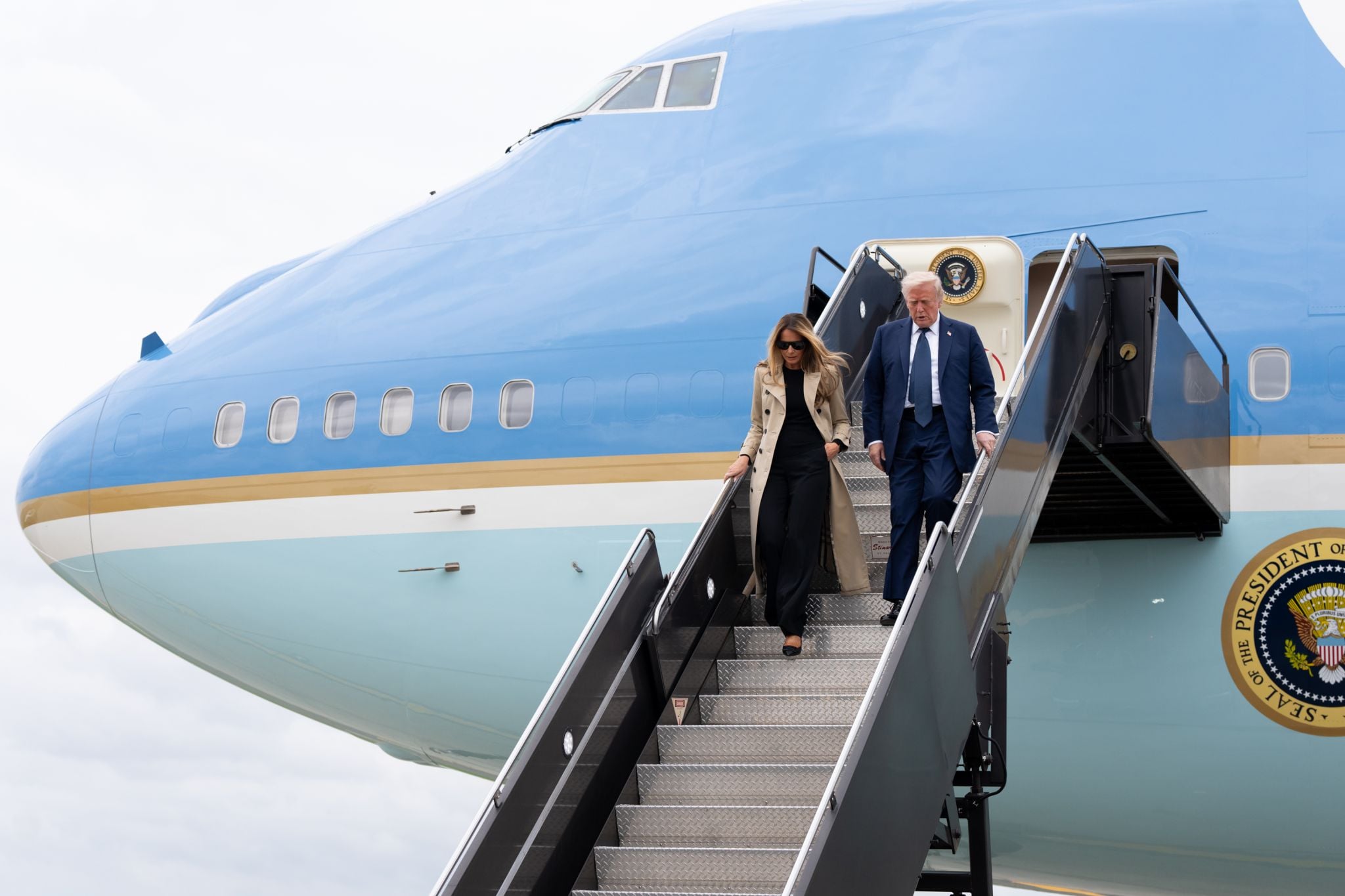
The arrival of US President Donald Trump at the World Economic Forum in Davos on Wednesday (21) was marked by a technical incident that exposed the weaknesses of the US presidential fleet. Air Force One, a Boeing 747-200B, had to make an emergency return to Andrews Air Force Base in Maryland shortly after takeoff due to an electrical system failure.
The problem was detected about 45 minutes after departure, when the aircraft was flying over the Atlantic Ocean, near Montauk, New York. According to reports from journalists on board, the lights in the press box flashed and even went out momentarily. Faced with the diagnosis of a “small electrical problem” by the crew, it was decided to return “out of an abundance of caution”, as stated by White House press secretary Karoline Leavitt.

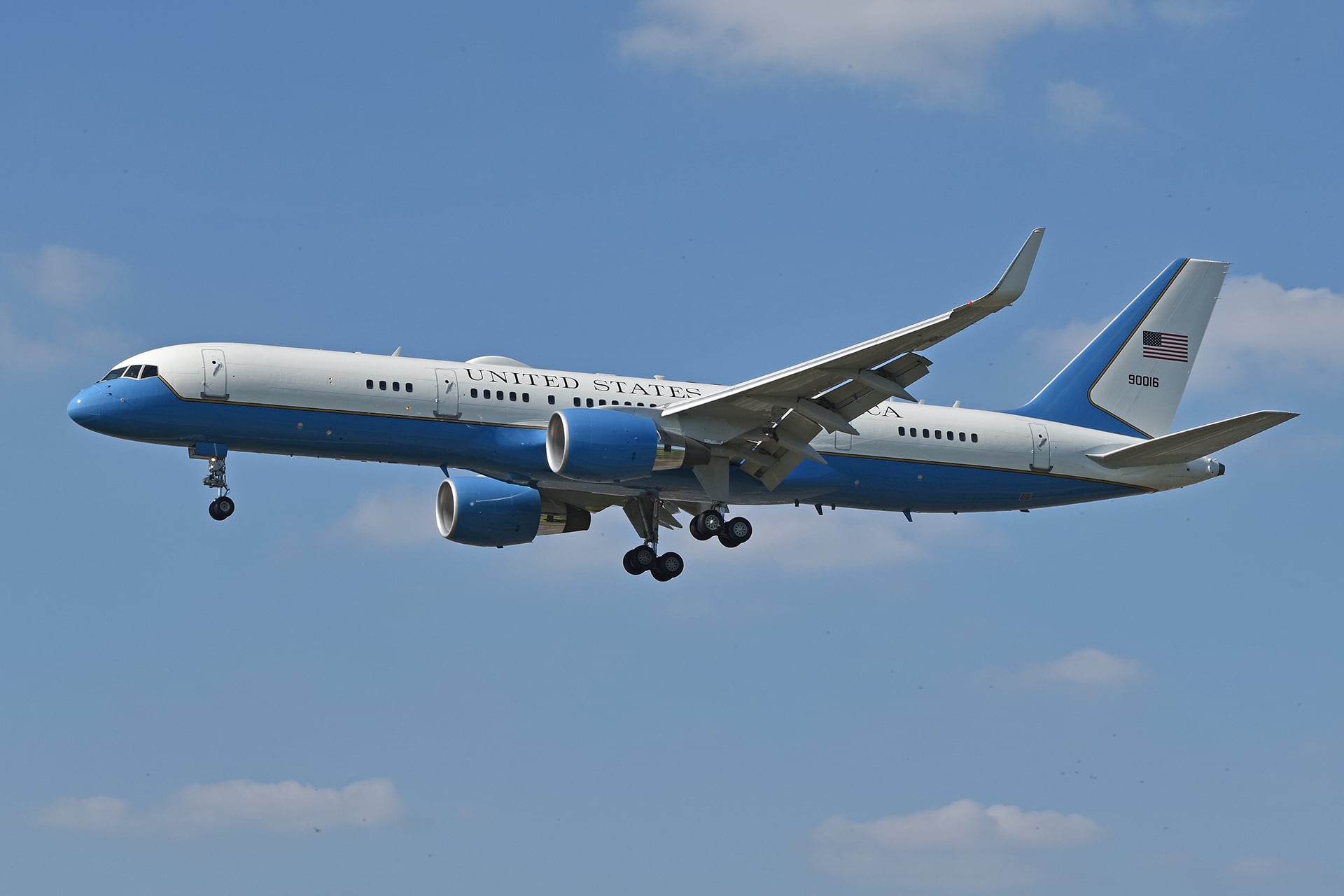
The landing took place safely at 11:07 pm (local time) on Tuesday (20). With no time to prepare the “Jumbo” reserve, the logistical solution was to transfer Trump and his reduced entourage to a C-32A. It is a military version of the Boeing 757, considerably smaller and with less autonomy than the 747, usually used by the vice president or for landings at smaller domestic airports. The new takeoff took place shortly after midnight, generating a delay of about three hours in the schedule.
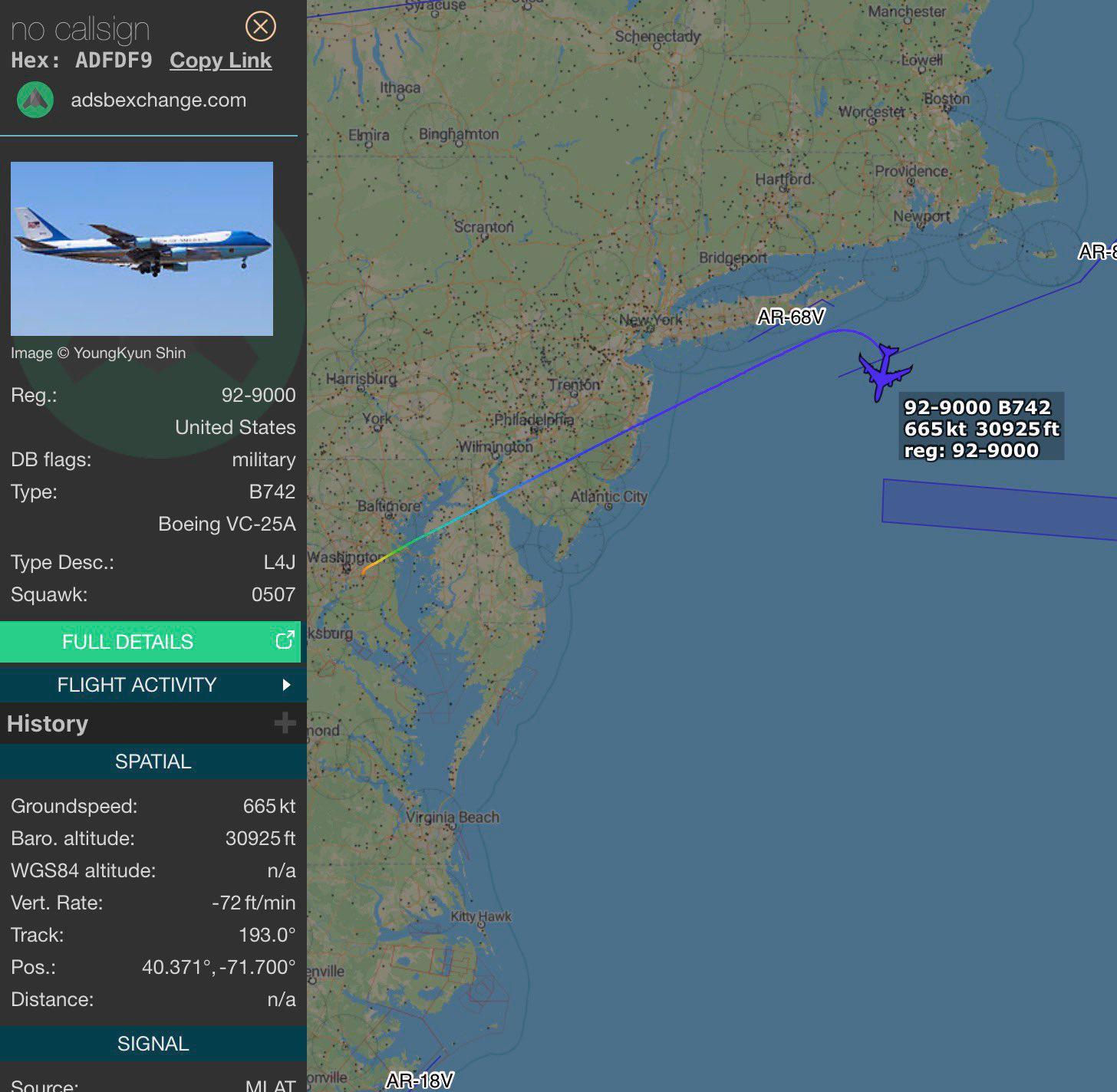
The incident brings up again the discussion about the advanced age of the current presidential planes, in service since the early 1990s, and the successive delays in the replacement program by Boeing, whose new models are not expected to be delivered until the end of the decade.
Politically, the air mishap added tension to an already delicate trip. Trump landed in Switzerland with a mission to confront European allies over NATO funding and trade disputes. Hours before the flight, he had used the social network Truth Social to criticize the military alliance, stating that “without him, NATO would no longer exist.”
SEE ALSO:
In Davos, the Republican’s speech is expected to focus on defending “America First” economic protectionism, while leaders such as Ursula von der Leyen, of the European Commission, try to shield the bloc against new tariffs and the attempt to annex Greenland.



