Study points out that odors impregnated in the upholstery make negotiations difficult; polyester and lack of ventilation are aggravating factors
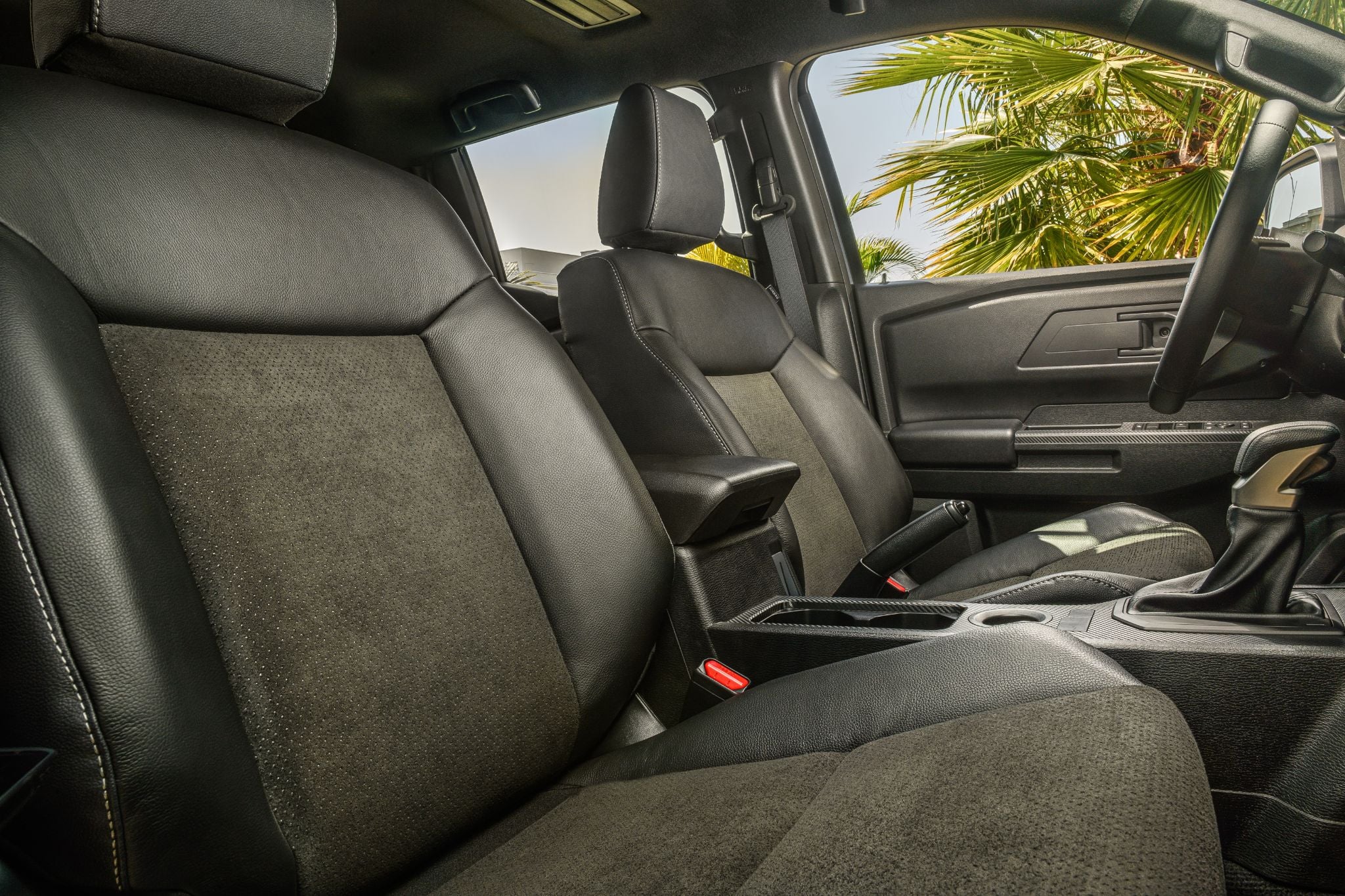
Selling a used car goes far beyond up-to-date mechanics and dent-free bodywork. An invisible but decisive factor has weighed on the pockets of the owners at the time of negotiation: the smell. According to data from Manheim — one of the largest automotive auction companies in the world — vehicles with unpleasant odors inside suffer an immediate average devaluation of approximately R$ 1,700, in addition to drastically making it difficult to close the deal.
The logic of the market is based on the “first impression”. Cigarette odors, pets, mold or spoiled food can drive away shoppers as soon as the door is opened, forcing retailers to spend hundreds of dollars on deep sanitization processes to regain the attractiveness of the good.
SEE ALSO:
The persistence of the bad smell has a technical explanation. According to the specialized portal Fibre2Fashion, about 90% of automotive interiors use polyester. Although durable and inexpensive, this synthetic material retains moisture easily, creating an ideal environment for the proliferation of bacteria and fungi, especially in cars that constantly run with windows closed and air conditioning on, restricting air circulation.
In some cases, the problem is structural. Hyundai, for example, has already had to deal with complaints about the Palisade SUV, whose headrests emitted a strong odor due to a manufacturing flaw in the materials.
For surface odors caused by accumulated dirt, the recommendation is to use powerful vacuum cleaners (handheld models are usually insufficient) and the application of baking soda to the carpets, leaving it to act for 24 hours before removal.
However, when the smell is impregnated in the fibers, homemade solutions fail. In these cases, experts recommend the use of ozone generators — common equipment in hotels that oxidize odor molecules. The procedure, however, requires care and must be carried out by professionals, as incorrect exposure to the gas can be harmful to health and damage internal components of the vehicle.



