Practical study proves that keeping your foot down on the electric SUV can actually delay your arrival at your destination; understand the calculation
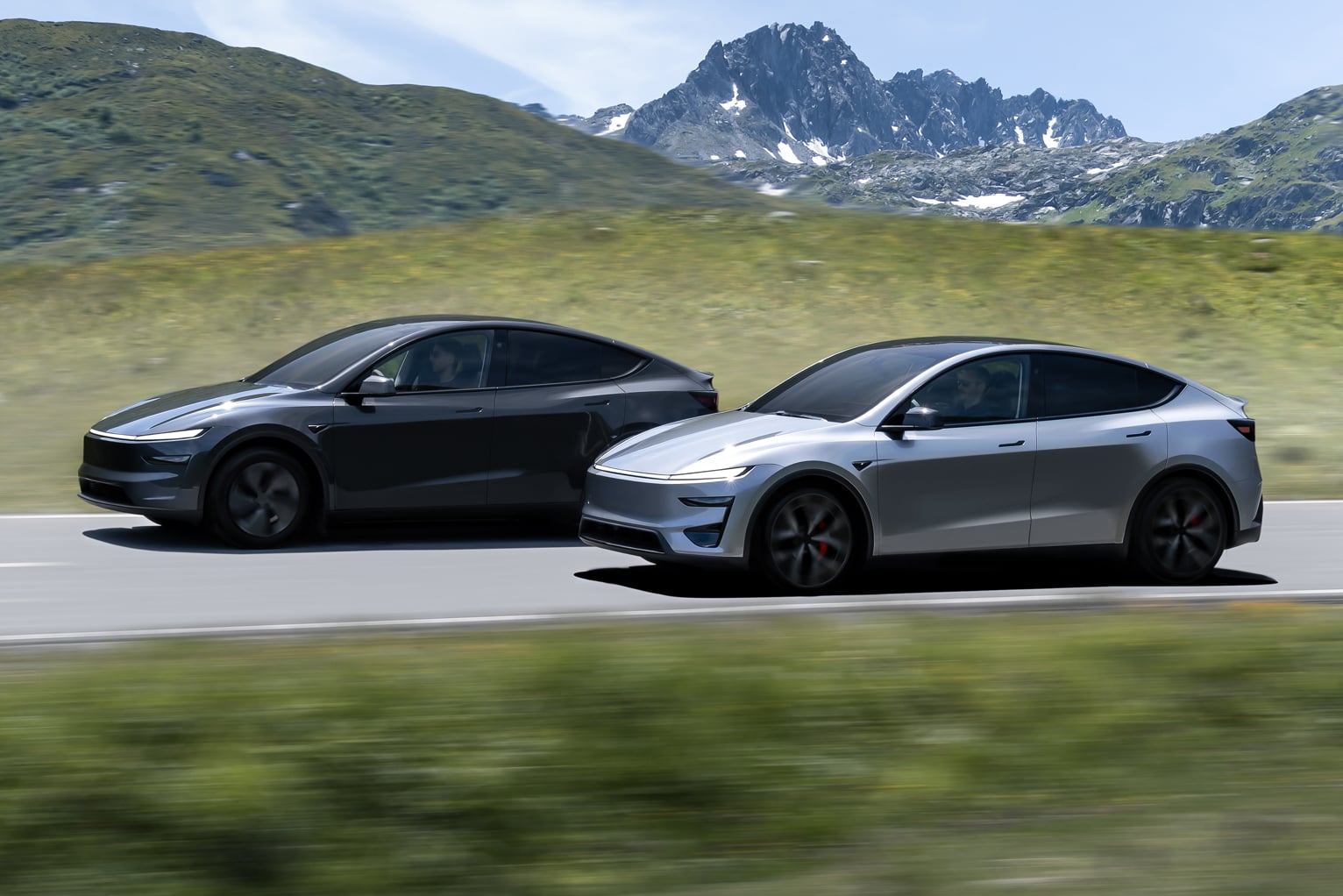
A practical experiment carried out by the Carwire channel with a Tesla Model Y detailed the inversely proportional relationship between speed and range, pointing out the “break-even point” for long-distance travel. The test, which compared the performance of the electric SUV in four distinct speed ranges, concluded that excessive haste on the highway can, paradoxically, increase the total travel time due to the need for extra recharges.
The test consisted of traveling 50 km stretches to measure average consumption at speeds of 81 km/h, 96 km/h, 113 km/h and 129 km/h. Based on a 75 kWh battery and a hypothetical 320 km commute, the data revealed that driving at the maximum speed allowed on many foreign highways (129 km/h) reduces the range to just 328 km. This mark is dangerously close to the limit of the route, leaving the driver vulnerable to external variations such as headwind, use of air conditioning or changes in relief.
SEE ALSO:
The study points out that driving at 113 km/h represents the best balance between agility and energy efficiency. At this speed, the Model Y completes the route in just under 3 hours, maintaining a projected range of 400 km. The time gain over lower speeds is significant, while the power reserve remains safe to avoid forced stops at fast chargers, which could delay the total travel schedule.
| Speed | Time (for 320 km) | Efficiency | Estimated Range |
|---|---|---|---|
| 81 km/h | 4h 00min | 224.7 Wh/mi | 536 km |
| 96 km/h | 3h 20min | 249.9 Wh/mi | 483 km |
| 113 km/h | 2h 51min | 302.2 Wh/mi | 400 km |
| 129 km/h | 2h 30min | 366.2 Wh/mi | 328 km |
According to the analysis, the energy cost of climbing to 129 km/h is disproportionate due to aerodynamic drag, which grows in a non-linear fashion. Although the higher speed saves 21 minutes of road time compared to 113 km/h, consumption jumps from 302.2 Wh/mi to 366.2 Wh/mi. In practice, any technical stop of just 20 minutes for recharging completely cancels out the time gained on the track, confirming that energy management is the determining factor in travel logistics with modern electric vehicles.



