Report tested the supply that does not require hours at the outlet: process uses solar energy, fills the tank quickly and releases only drinking water
While electric cars are taking to the streets, Brazil is already thinking about a new phase: that of hydrogen, which does not intend to replace anything. The idea is to use elemental gas as a complement to electric vehicle technology, especially in the heavy sector.
This is because, among other reasons, experts point out, 100% electric trucks may never succeed. Their batteries — heavy and expensive — steal payload, have little range, are expensive and are difficult to recharge.
Hydrogen is an alternative that keeps electric trucks with their engines — much better uphill and noiseless — while replacing the batteries with a cell, which generates electricity from hydrogen gas.
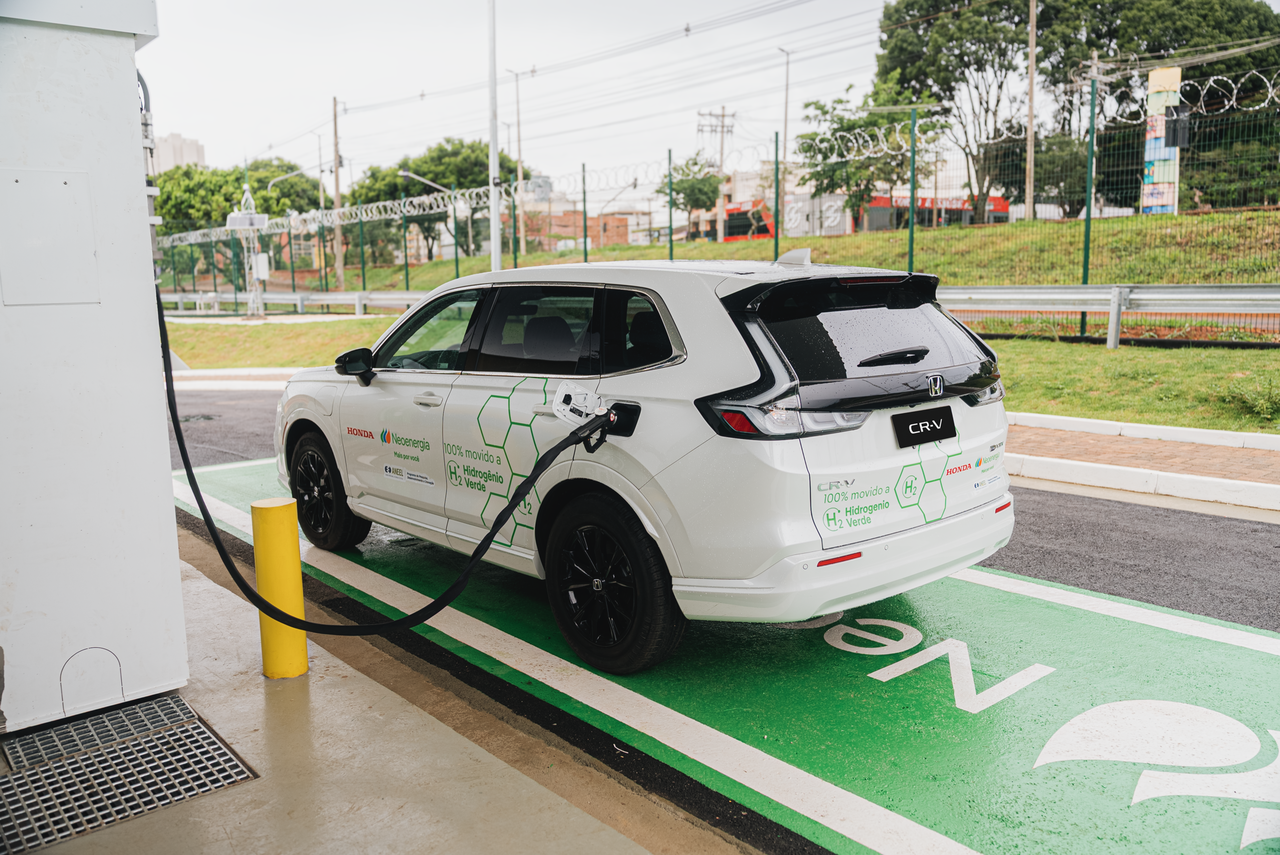
Now, when one of these hydrogen trucks needs to refuel, it already has a place to stop in Brazil: the new green hydrogen station in Brasília (DF), inaugurated at the turn of the year by Neoenergia. In the beginning, the station will not receive large vehicles, but a Honda CR-V — a partner brand in the initiative.
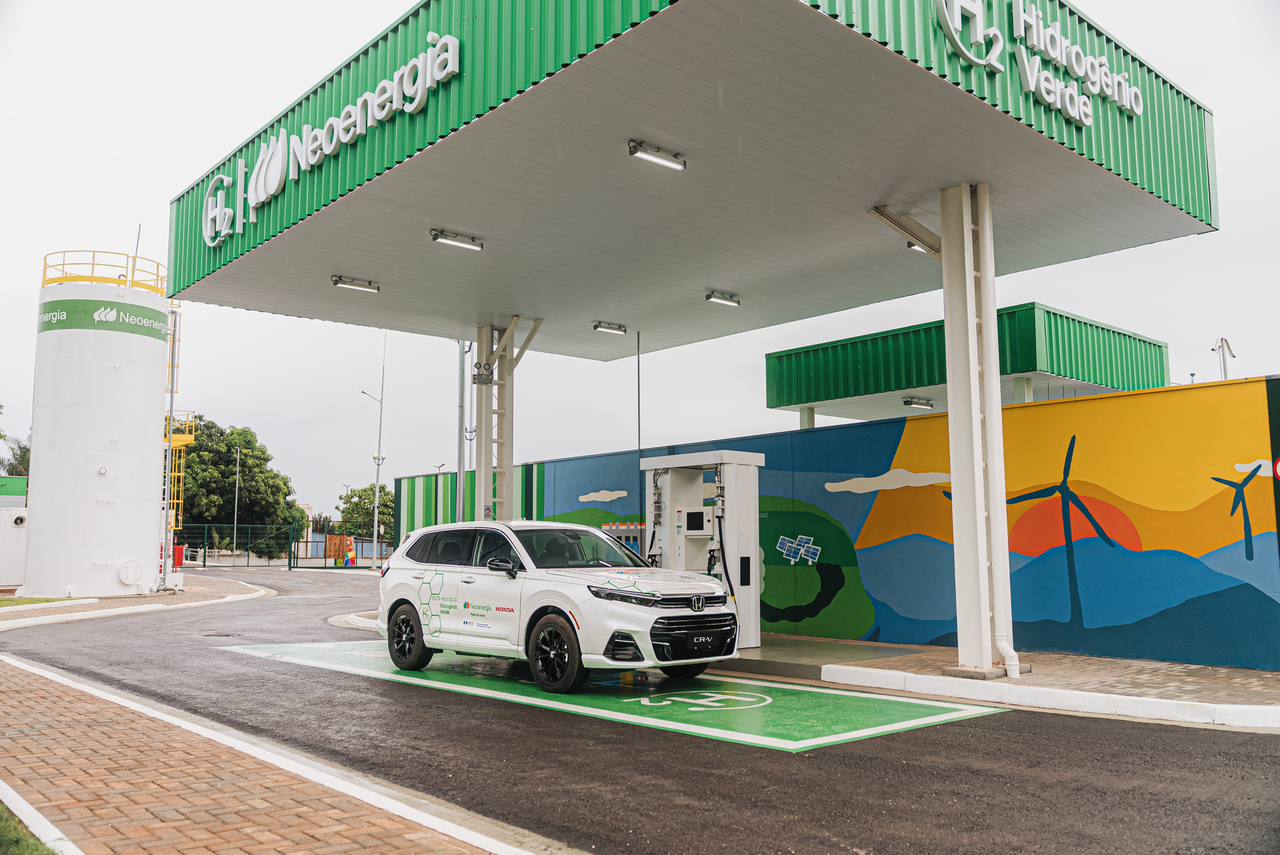
The CR-V e:FCEV is series produced, sold in the USA, Europe and Japan. But even there, the network of gas stations is small (like sales). The idea of such a product, however, is different: to test, in the real world, a technology under development.
The Japanese have been researching hydrogen since the 1980s, but it is clear that the technology is not yet ‘mature’. It will be starting from a next generation of fuel cells (the hydrogen-electricity converter), more powerful, more efficient and at half the cost.
To get there, tests and more tests are needed. And Brazil has become attractive for this because it offers an additional attraction: green hydrogen — which is produced without the intense consumption of ‘dirty’ energy that makes most traditional options inefficient.
Brands such as Toyota and Hyundai are betting on hydrogen made from ethanol. Honda, on the other hand, has teamed up with Neoenergia to test ‘solar green hydrogen’, made from photovoltaic panels.
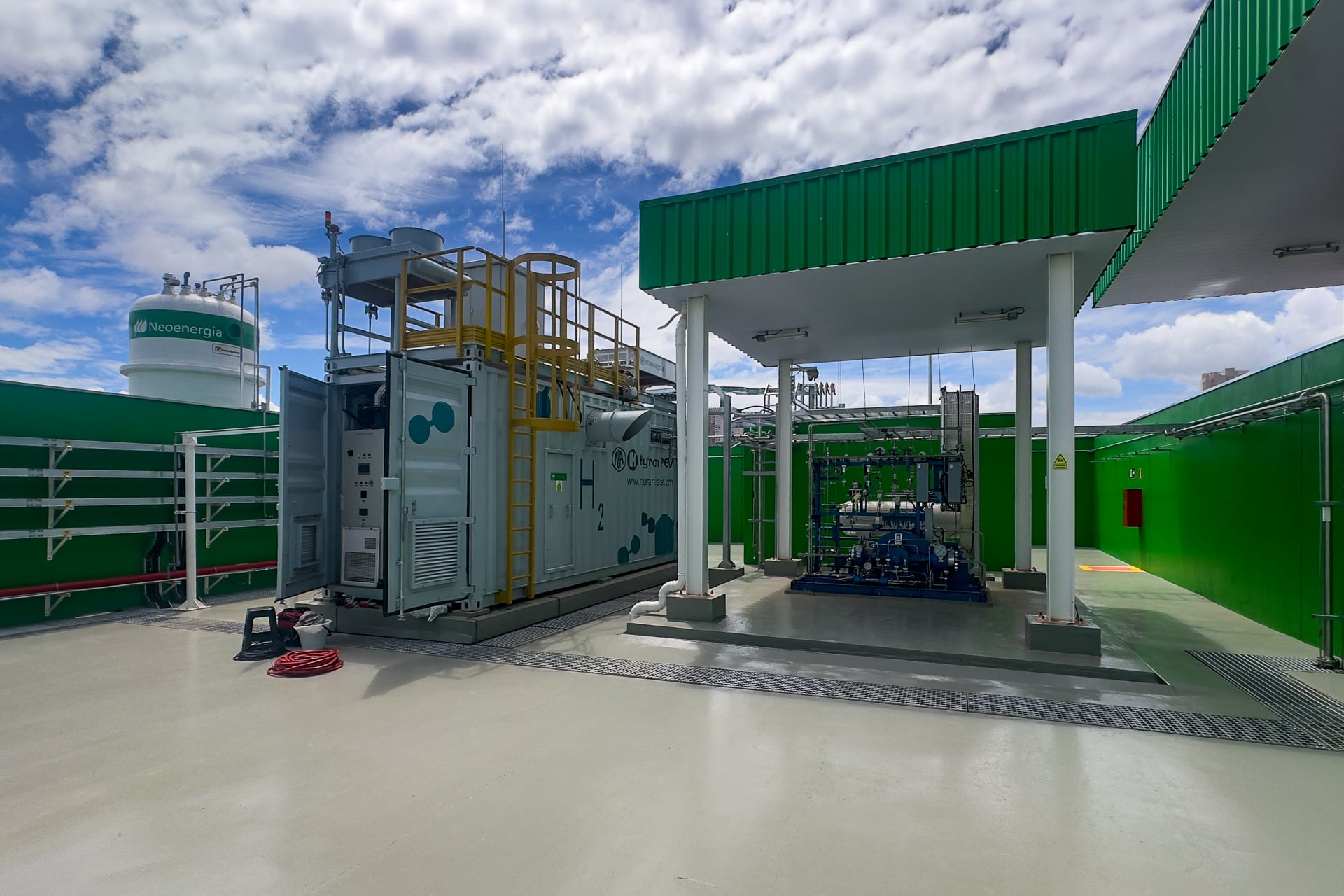
This is how it works at the new station in Taguatinga: solar energy supplies the electrolysis process, which ‘creates’ hydrogen, which is compressed and cooled under extreme conditions and then becomes available at the pump.
The AutoPapo report tested it: it is practically the same as the gasoline supply. Just connect the hose to the nozzle and, in a few minutes, have almost 500 km of autonomy in the CR-V.
The SUV’s engine, remember, is electric, and the only product of the whole process is water, which the car eliminates through its own exhaust.
The explanation of the hydrogen business is confusing because the business itself is highly complex. So much so that Neonergia — even though it serves 37 million people in Brazil — also needs answers.
The Spanish company believes in the prediction that, in the coming decades, most of Brazil’s trucks will be powered by hydrogen. In this highly lucrative business, they will need gas stations, which will need suppliers, who, in turn, need to develop the technology now.
Therefore, even the location in Brasília is deliberate: in the capital, the proximity of the Power is taken advantage of to adjust laws and other rules that regulate the energy sector in the country. The initiative itself, in fact, also comes from a legal obligation of energy concessionaires in the country, which need to invest a minimum of net operating revenue in research and development of new things.
If the Brazilian novelty succeeds, whoever comes out ahead may do well: by 2040, the sector should move up to US$ 20 billion internally, according to an analysis by the consulting firm McKinsey & Company.
Part of this money will come from the export of national hydrogen to countries without abundant clean energy; Another part will come from trucks — but also from light generators for large events, hospital UPSs , generators for distant places, among many other uses.
If everything goes well, it is likely that Neonergia will own much of the refueling infrastructure. Honda may even have hydrogen cars for sale in the world, but it sees more potential in the supply of hydrogen engines for heavy vehicles (including buses) and in the creation of ‘batteries’ powered by the most abundant element in the Universe.



