Executive says automaker lost money insisting on regular cars and decrees a new phase focused only on icons such as Mustang and Bronco.
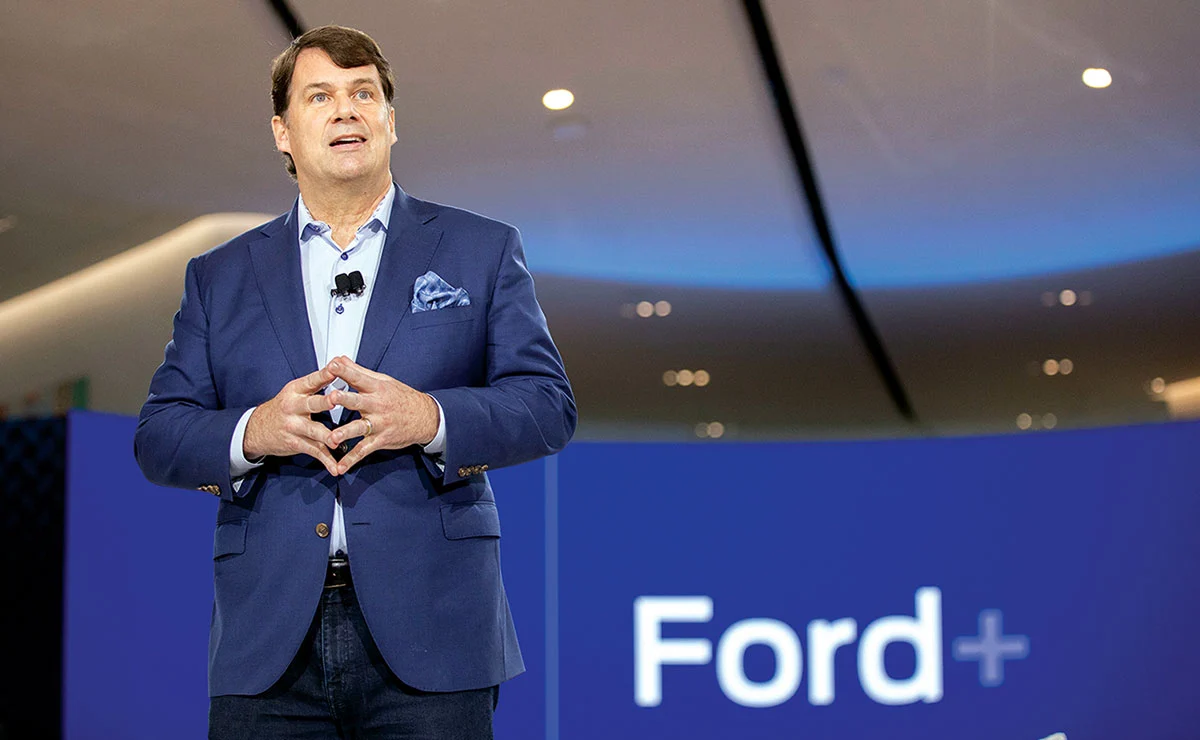
Ford has made official a definitive structural change in its global business model. In this context, in recent statements, the company’s CEO, Jim Farley, admitted that the strategy of acting as a high-volume manufacturer and competing in the popular car segment was a financial mistake. In addition, the executive acknowledged that the brand was slow to correct this route. Therefore, the new guideline is clear: abandon the fight for market leadership to focus exclusively on profitability.
According to Farley, the insistence on competing for space with Asian giants — such as Toyota, Hyundai and Kia — in segments with tight margins exposed the automaker to an unsustainable cost equation. Also according to the CEO, historical models such as the Fiesta and the Focus, although they were loved by the public, did not deliver the necessary return to justify the investment. This is mainly due to the high operational efficiency of rivals.
SEE ALSO:
The internal criticism points out that the problem was not the entry into these segments in the past, but the permanence in them when the economic scenario changed. After all, compact sedans and hatches require massive scale and suffer from constant price wars. By contrast, Ford has identified that its “emotionally appealing” products, such as the Mustang line, Bronco and Raptor pickup trucks, guarantee higher profit margins. In other words, these models pay off financially, even with lower sales volumes.
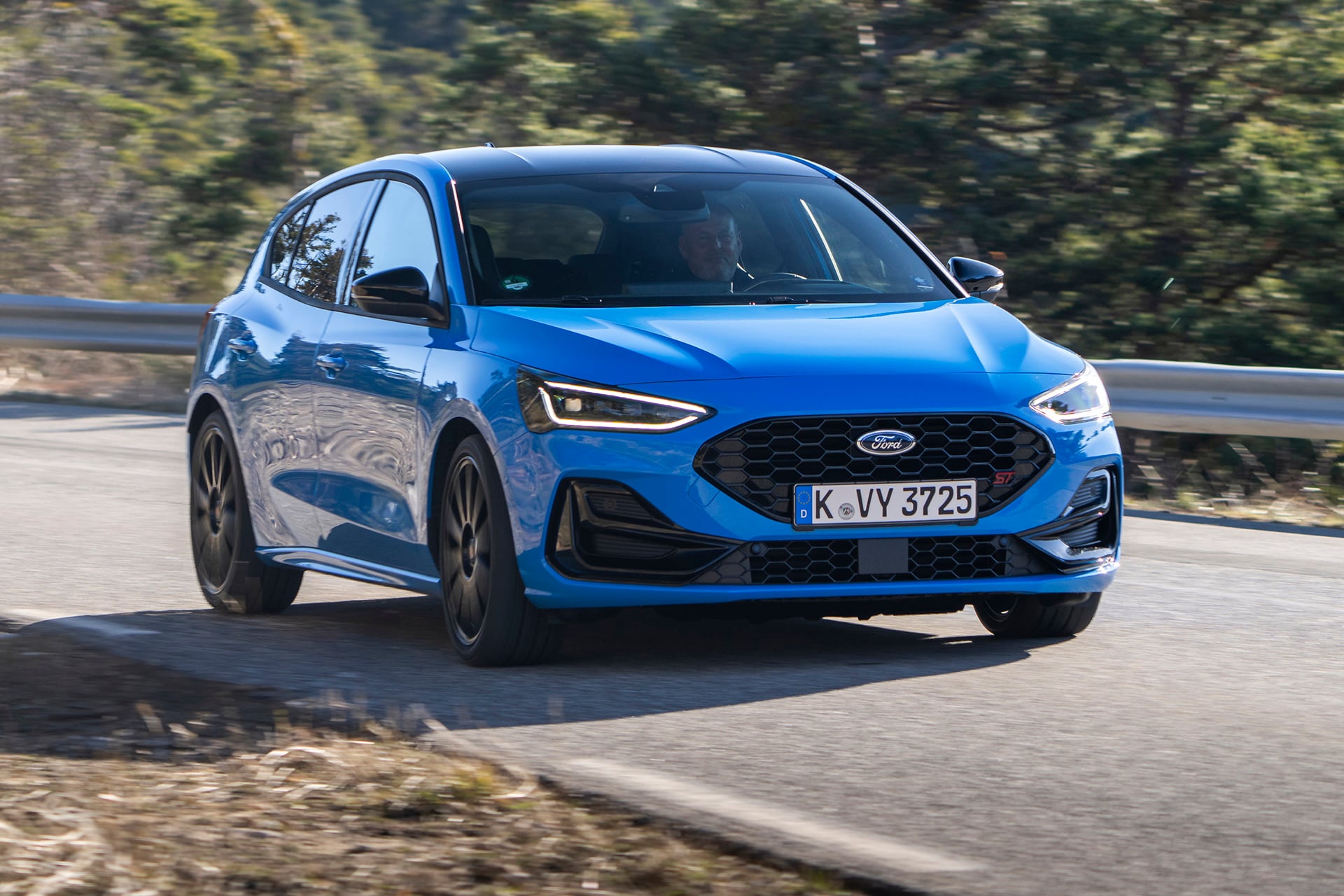
In this way, Farley’s “confession” explains the dismantling of Ford’s product line in Europe. For example, the end of production of the Fiesta in 2023 and the discontinuation of the Focus are the practical reflections of this repositioning. In addition, the scenario for the European continent becomes even more uncertain, as the Kuga SUV is expected to leave by the end of 2026.
In practice, Ford accepts to shrink to profit more. Thus, the brand becomes a “boutique” of iconic vehicles, giving up omnipresence on the streets. Finally, it remains for the market to see if this strategy of elitization will be enough to sustain the operation, especially in regions where the brand has built its history based on accessibility.



