Japanese automaker reduces operations in the Chinese market and cancels launches after CEO admits lag in the face of speed of Asian rivals
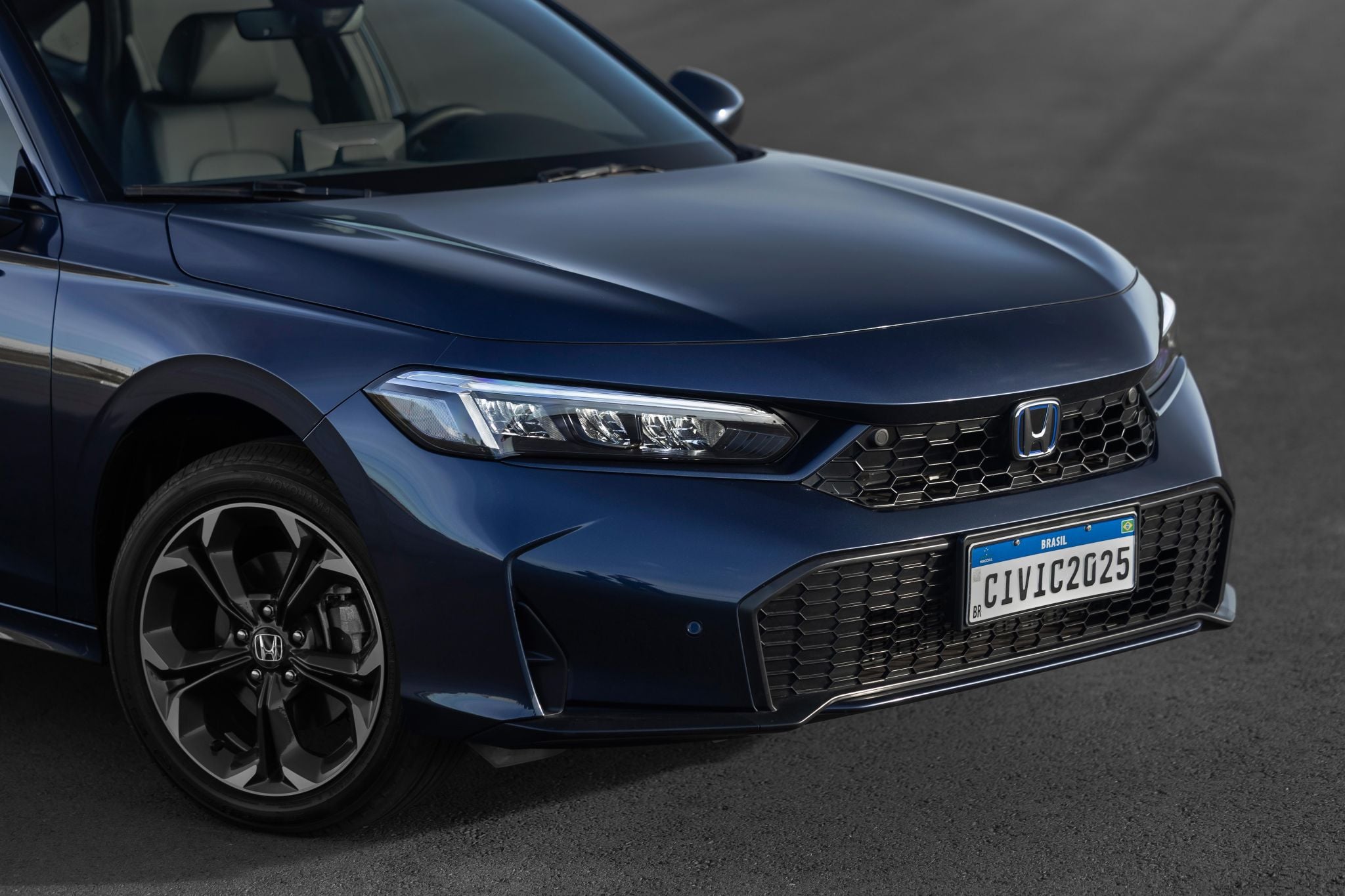
Honda is going through one of its most troubled periods in China — a market that historically figured as a pillar of the company’s profit. After a technical visit to local suppliers, the brand’s CEO, Toshihiro Mibe, was emphatic in assessing the region’s competitiveness: “we don’t stand a chance against this,” Nikkei Asia reported. The outburst reflects the productive abyss between traditional manufacturers and the Chinese ecosystem, capable of developing vehicles in just two years.
The immediate reflection of this lag was the cancellation of strategic projects. The automaker has halted the development of two electric models, in addition to suspending the return of the Acura RSX. Even the Afeela line, a technological partnership with Sony, had its schedule compromised. The figures in China illustrate the severity of the crisis: sales volume shrank from 1.62 million units in 2020 to about 640 thousand in 2025. With factories operating at 50% capacity, the operation is below the financial break-even point.
SEE ALSO:
To stop the loss of market, Honda began an internal reform in its research and development division, giving engineers autonomy back to speed up decision-making. The concern, however, is systemic. Executives such as Ford’s Jim Farley and Toyota’s Koji Sato have warned that China’s scale and costs threaten the survival of century-old automakers that do not abandon factory conservatism.
In Europe, the scenario repeats the trend of marginalization of Japanese brands. While groups such as BYD and SAIC consolidate shares close to 2% of the total market, Honda has retreated to just 0.5% share. The Chinese advance, previously treated as a distant threat, has consolidated itself in 2026 as the predominant factor in the reconfiguration of the global auto industry.



