Electric compact abandons 100% touch controls after criticism and brings "easter egg" that simulates the dashboard of the 1980s Golf
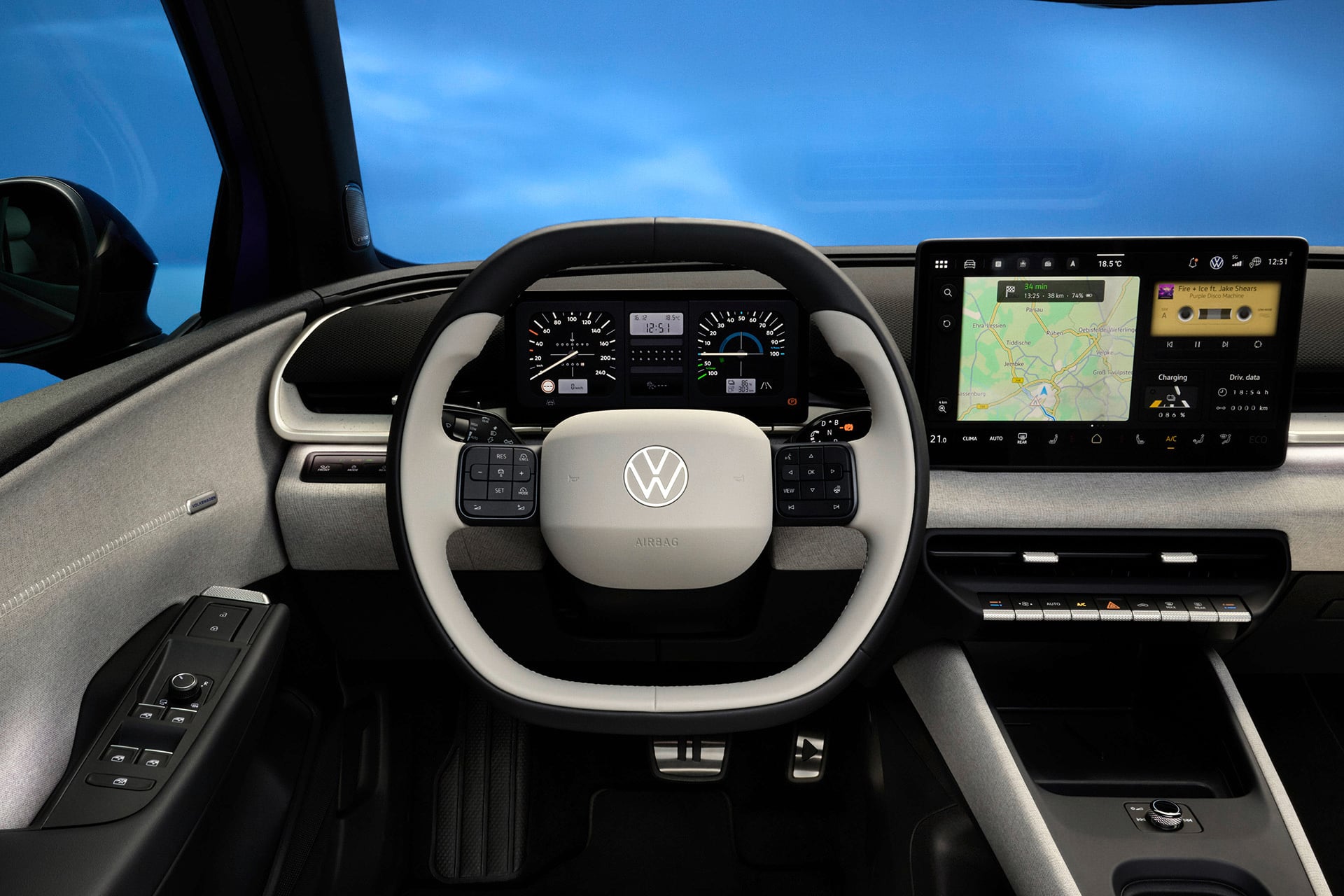
Volkswagen revealed on Monday (5) the first official images of the interior of the ID. Polo. The model marks the debut of the new “Pure Positive” design language and represents a significant shift in the brand’s strategy: the electric compact reverses the all-out bet on touchscreens to reintroduce physical controls, meeting global customer demands for greater usability.
SEE ALSO:
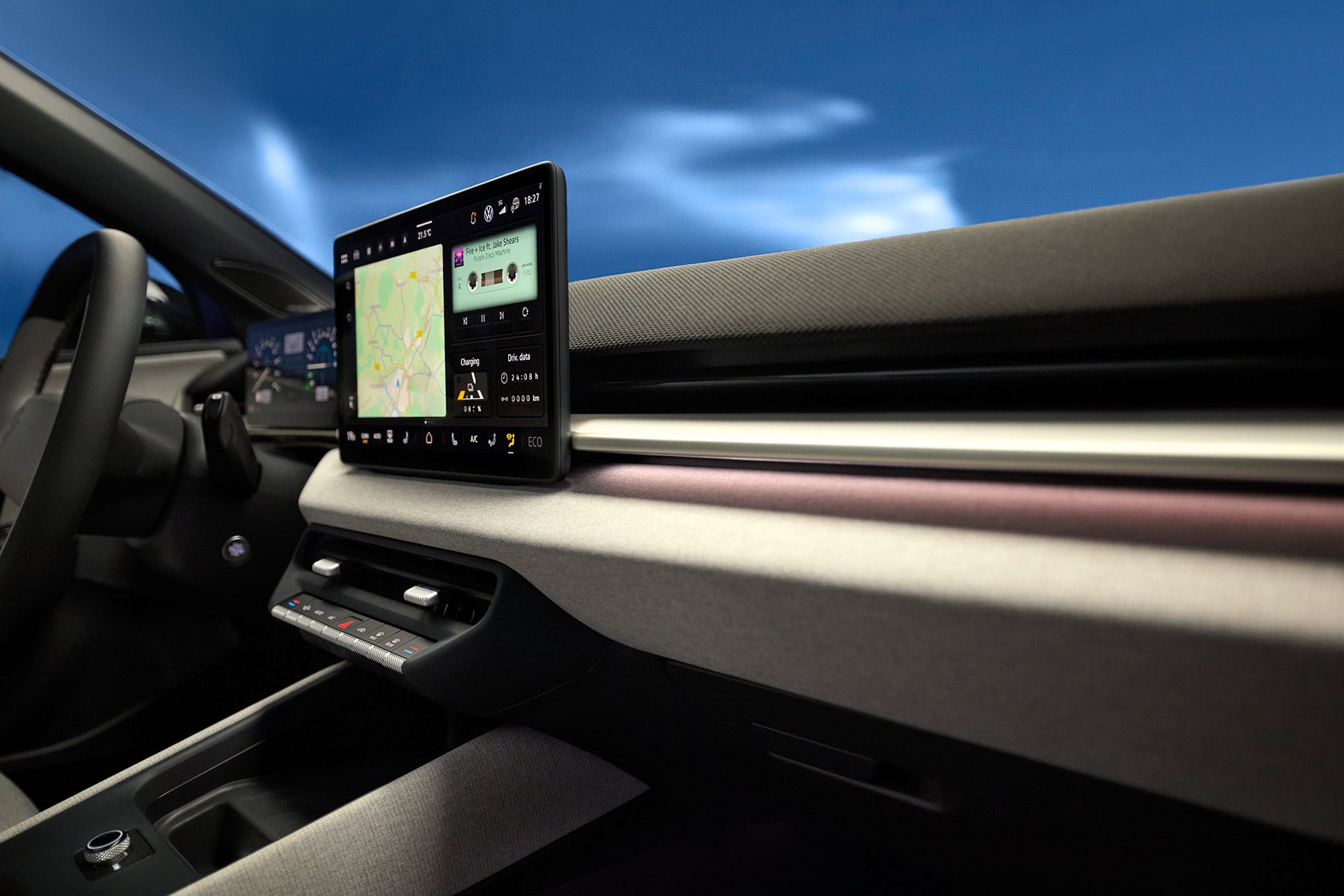
The main change in the ID. Polo’s cabin is what the market interprets as an “ergonomic course correction”. That’s because, after recurring criticism about the difficulty of using touch controls in previous models of the ID family, the German automaker brought back the physical buttons. The new layout includes a button ruler dedicated exclusively to climate control and hazard lights, positioned just below the central screen.
In the center console, between the smartphone charger and the cup holders, a physical rotary controller for the audio system was introduced, allowing volume adjustment without looking away from the road. The multifunction steering wheel also adopts buttons with haptic feedback , replacing touch-sensitive surfaces that generated accidental activations.
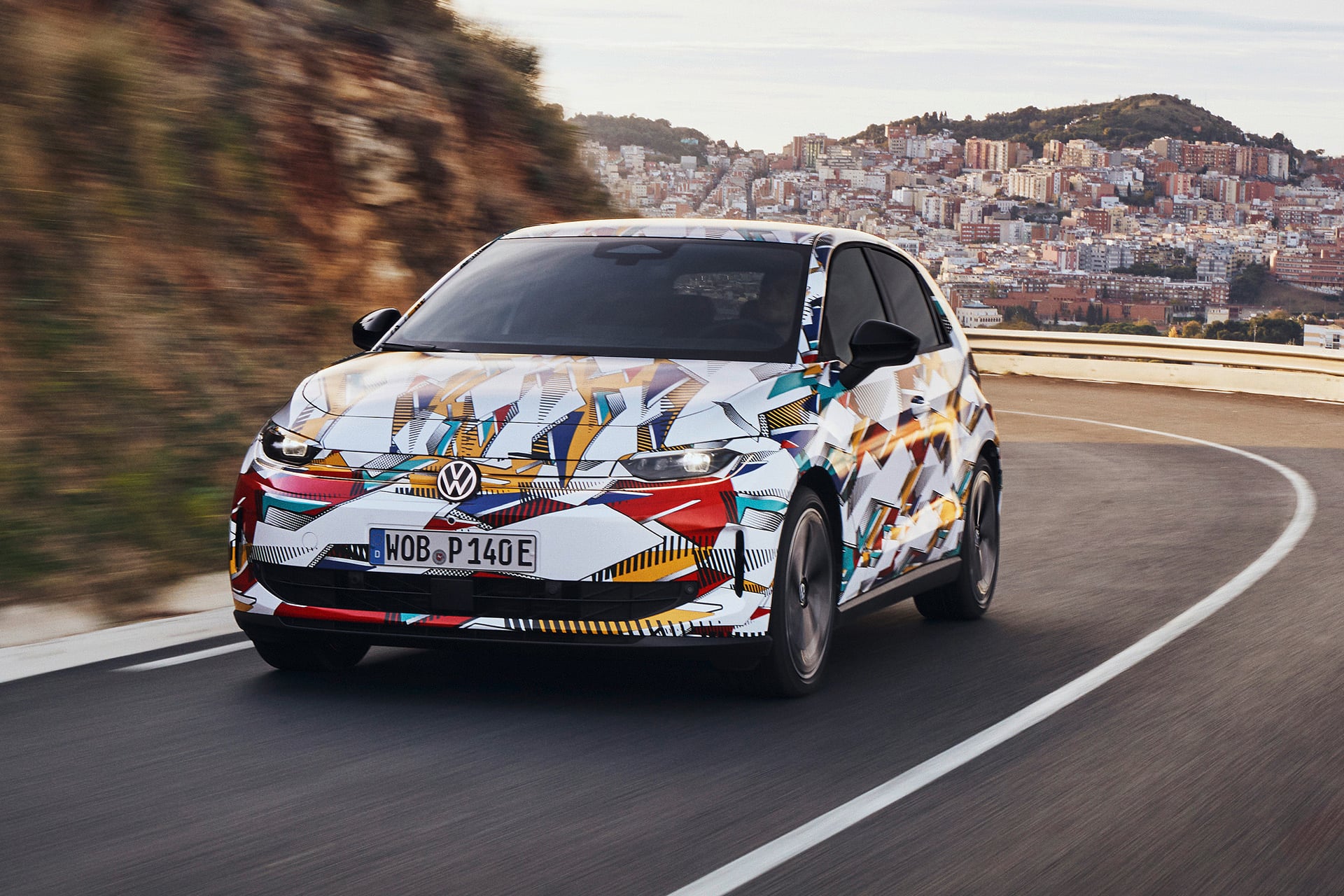
Despite the analog appeal in the controls, the cockpit remains digital. The set consists of a 10.25″ instrument panel and a new 12.9″ multimedia center. The system promises more organized and intuitive menus.
The technology package includes the new generation Travel Assist, capable of recognizing red lights and “Stop” signs, in addition to allowing driving with just one pedal. The ID. Light lighting system has also been expanded, now extending to the front doors to create peripheral visual alerts.
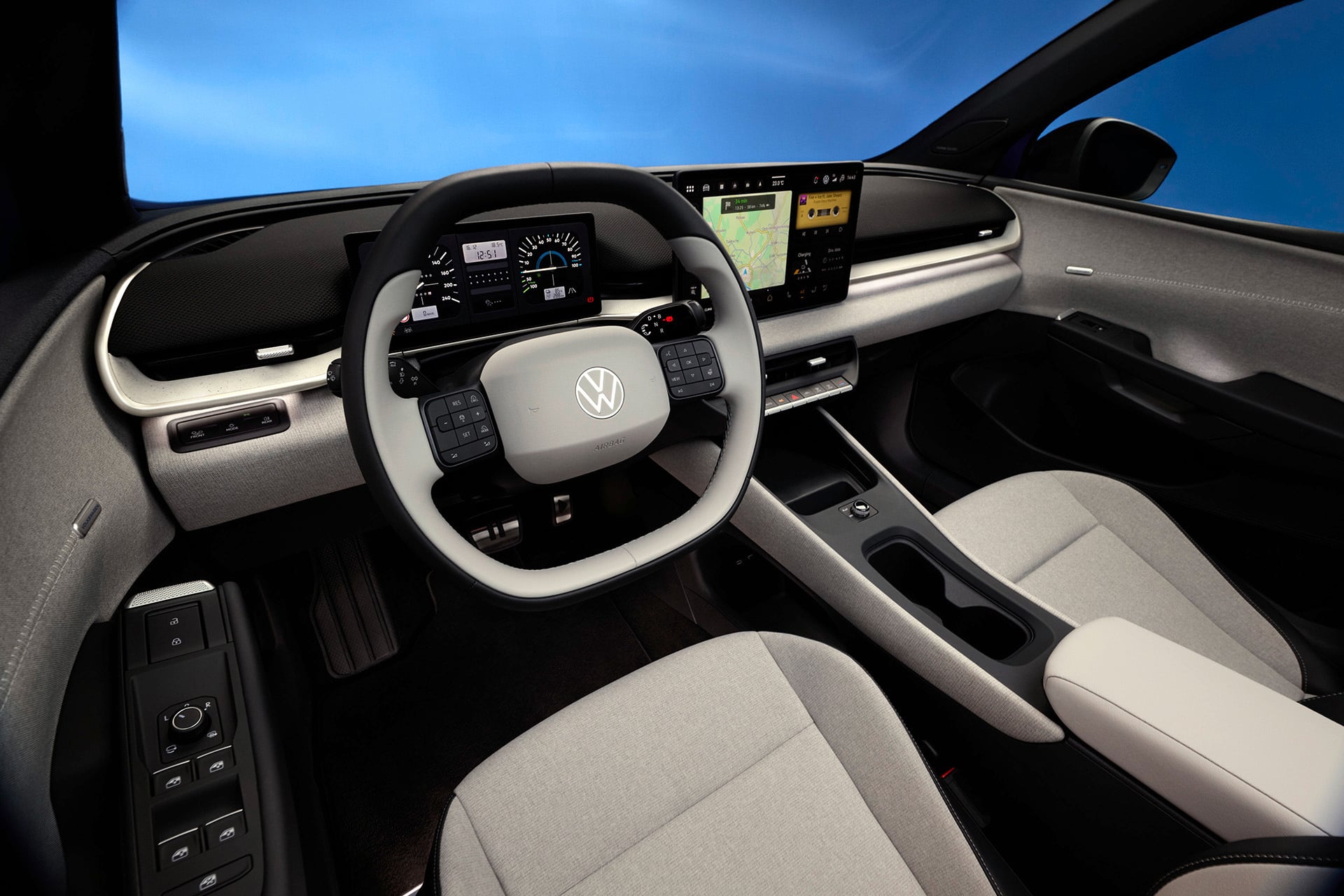
To create an emotional bond, the ID. Polo bets on nostalgia with the “Retro Mode” feature. When activated via a button on the steering wheel, the digital panel completely changes its spelling to display analog dials identical to those of the first-generation Golf, an icon of the 1980s.
The functionality reinforces Volkswagen’s strategy to connect electrification to its historical heritage. The interior finish follows the proposal to raise the standard of the segment, using recycled materials and soft tactile surfaces, seeking to offer the feeling of a superior category vehicle in an urban compact.



