Even with high interest rates and a shrinking market, the brand is betting on R$ 2.5 billion to maintain the hegemony of the FH 540 model and expand technologies
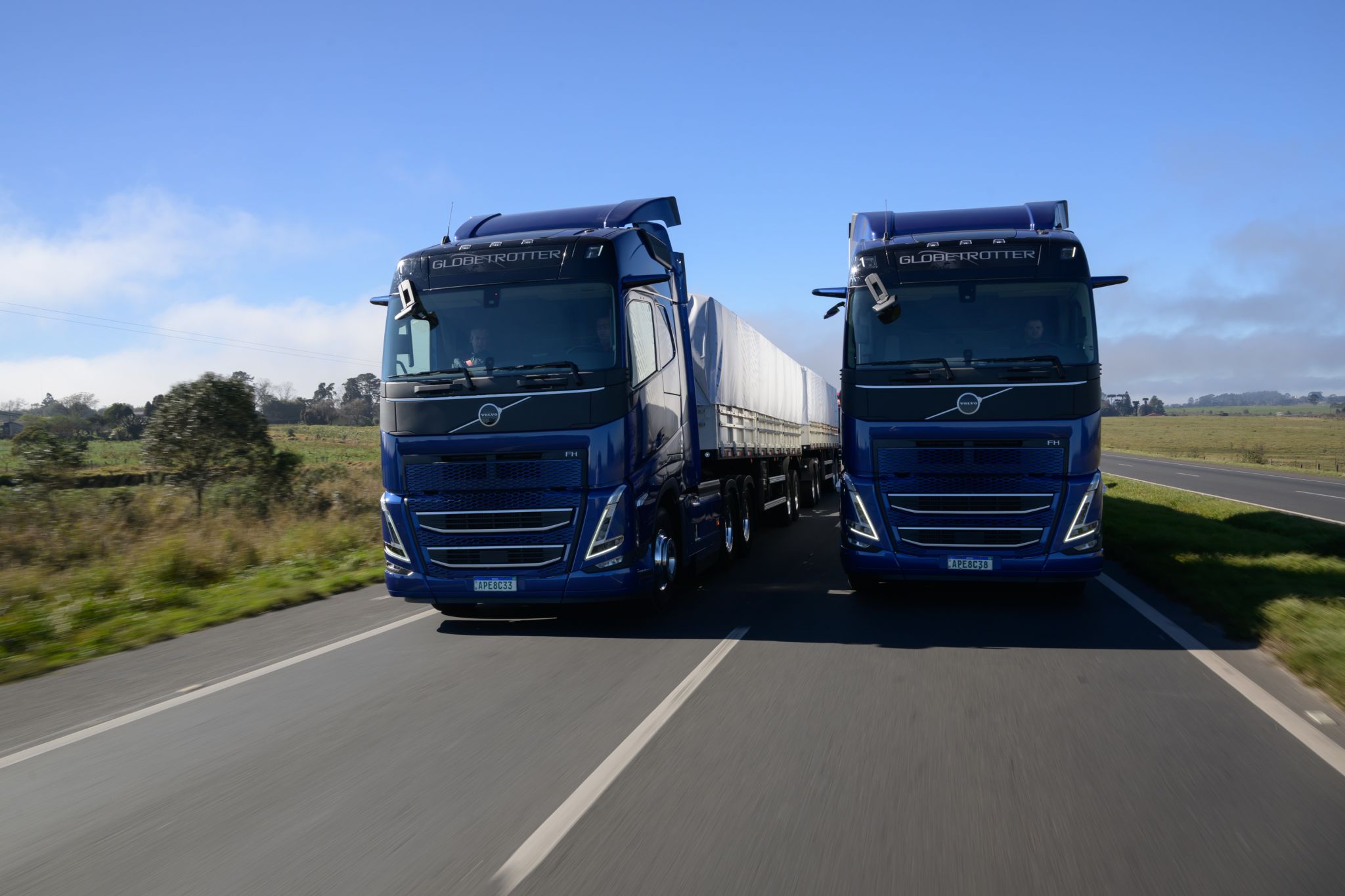
The brand predicts a retraction in the market throughout this year, but even so, Volvo announced the largest financial investment in its history in Brazil. The Swedish automaker will invest R$ 2.5 billion in the cycle between 2026 and 2028, reinforcing its local operation even in the face of an adverse scenario for the sale of heavy vehicles.
The decision comes at a delicate time: the manufacturer’s own estimate is that the truck market will shrink between 5% and 10% this year, pressured by high interest rates that make credit more expensive and make it difficult to renew fleets. However, the company’s strategy is aimed at the long term, using capital to upgrade its factories, expand the dealership network and accelerate the development of decarbonization and safety technologies.
SEE ALSO:
According to Wilson Lirmann, president of the Volvo Group Latin America, Brazil remains a strategic market, justifying the maintenance of investments regardless of the “unfavorable situation”. The executive points out that the focus will be to increase the productivity and competitiveness of transporters, shielding the operation from the immediate fluctuations of the economy.
The confidence of the Swedish parent company is supported by the 2025 figures. Even with the instability of the sector last year, Volvo maintained the isolated leadership in the segment of trucks over 16 tons, registering 20,053 units – equivalent to 23% of market share.
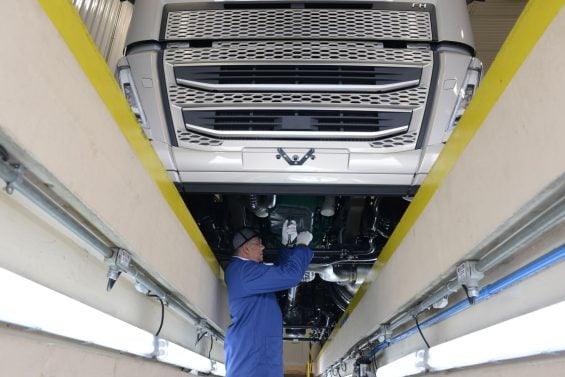
The individual highlight was again the Volvo FH 540, which secured the position of best-selling heavy truck in Brazil for the seventh consecutive year, with 5,403 units licensed. The “double” was guaranteed by the FH 460 model, vice-leader in the category. In the semi-heavy segment, the VM 290 also led sales.
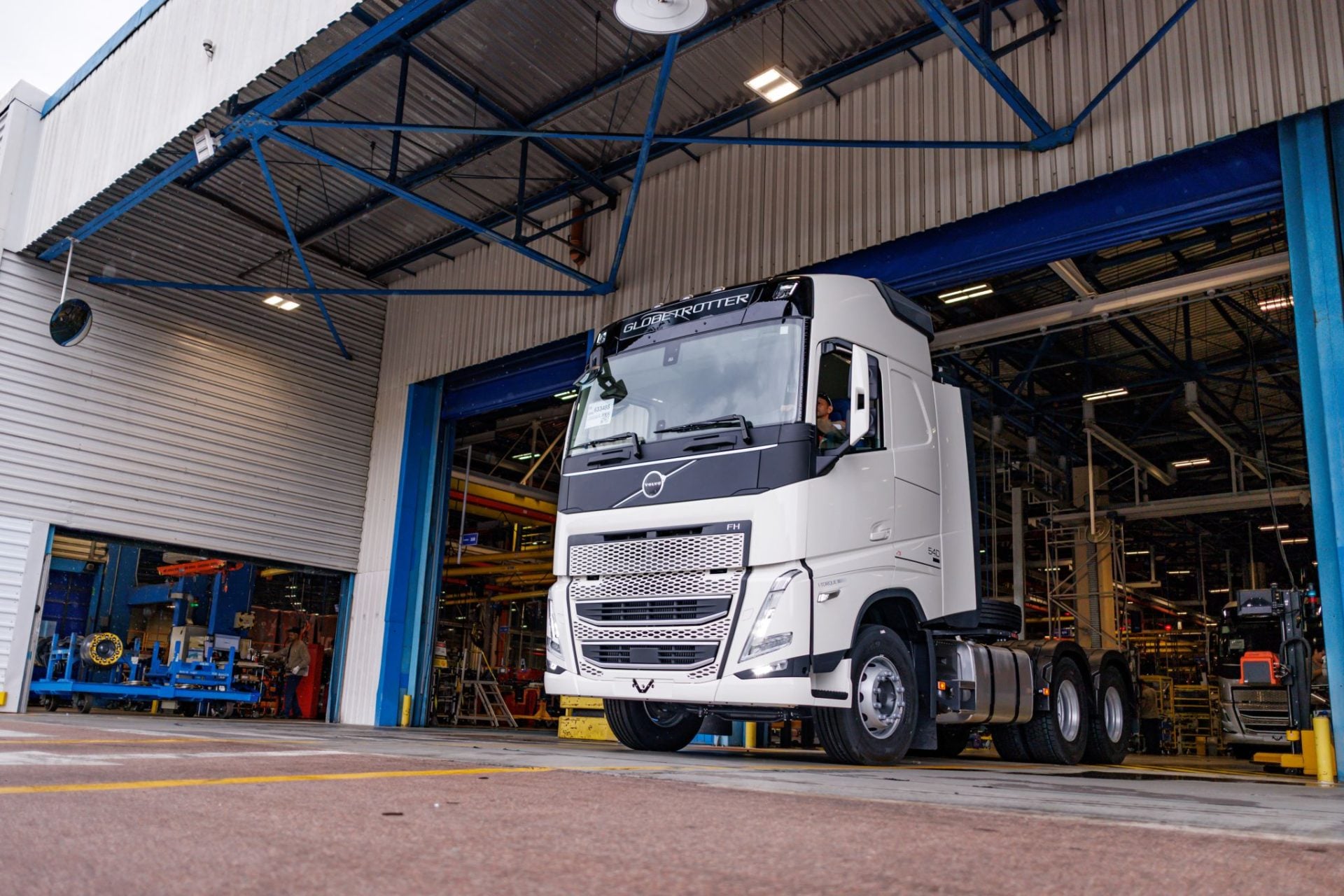
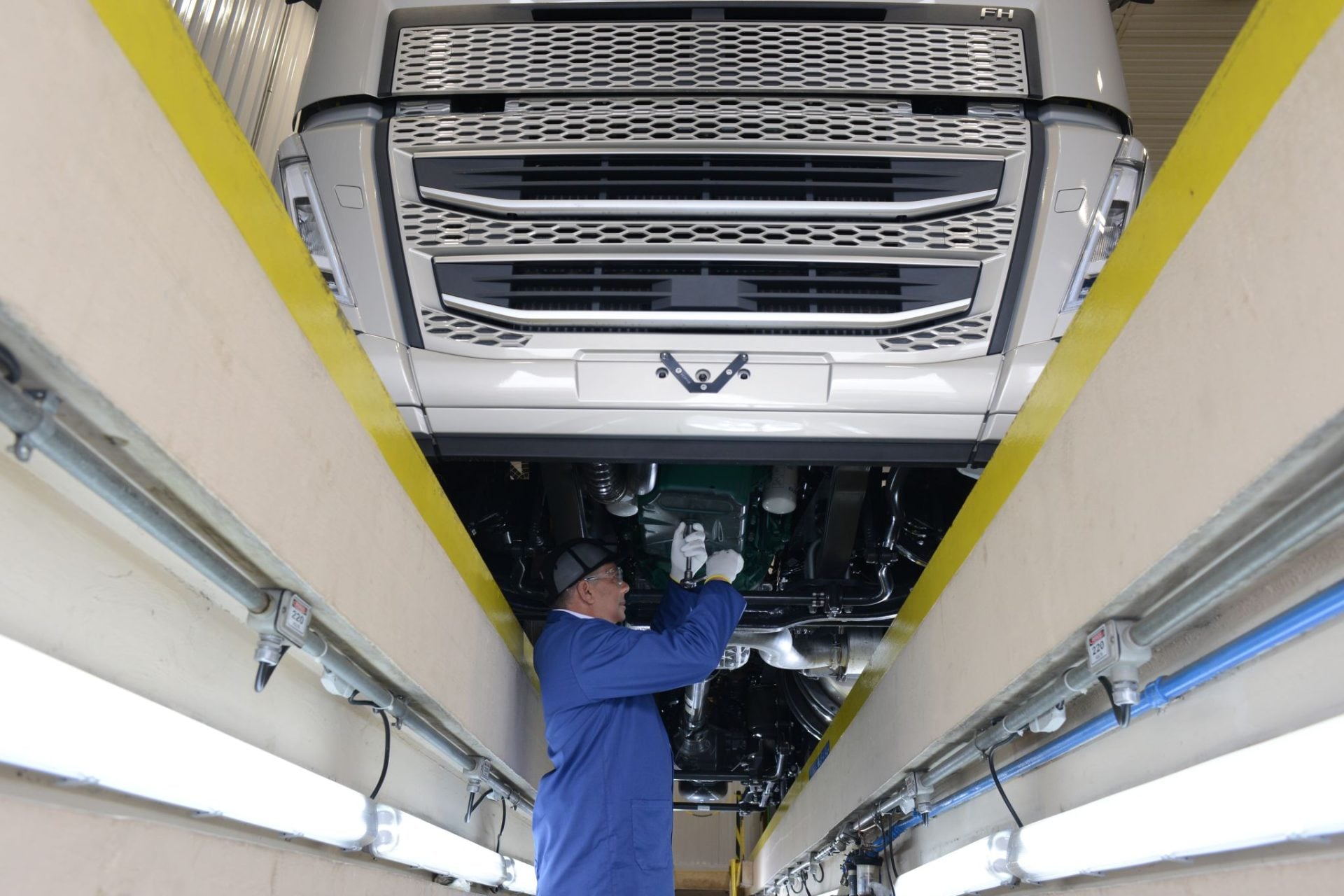
The solid performance is repeated in the South American neighbors, where the brand leads in Peru and occupies the second place in Chile. In addition, the Brazilian operation began exporting to Mexico, sending an initial batch of 80 vehicles in 2025, signaling that the Curitiba (PR) plant should gain even more relevance as an export hub in the coming years.



