In a strategy to curb brands such as BYD and GWM, the German automaker will focus on domestic hybrids and bring purely electric models from its base in China
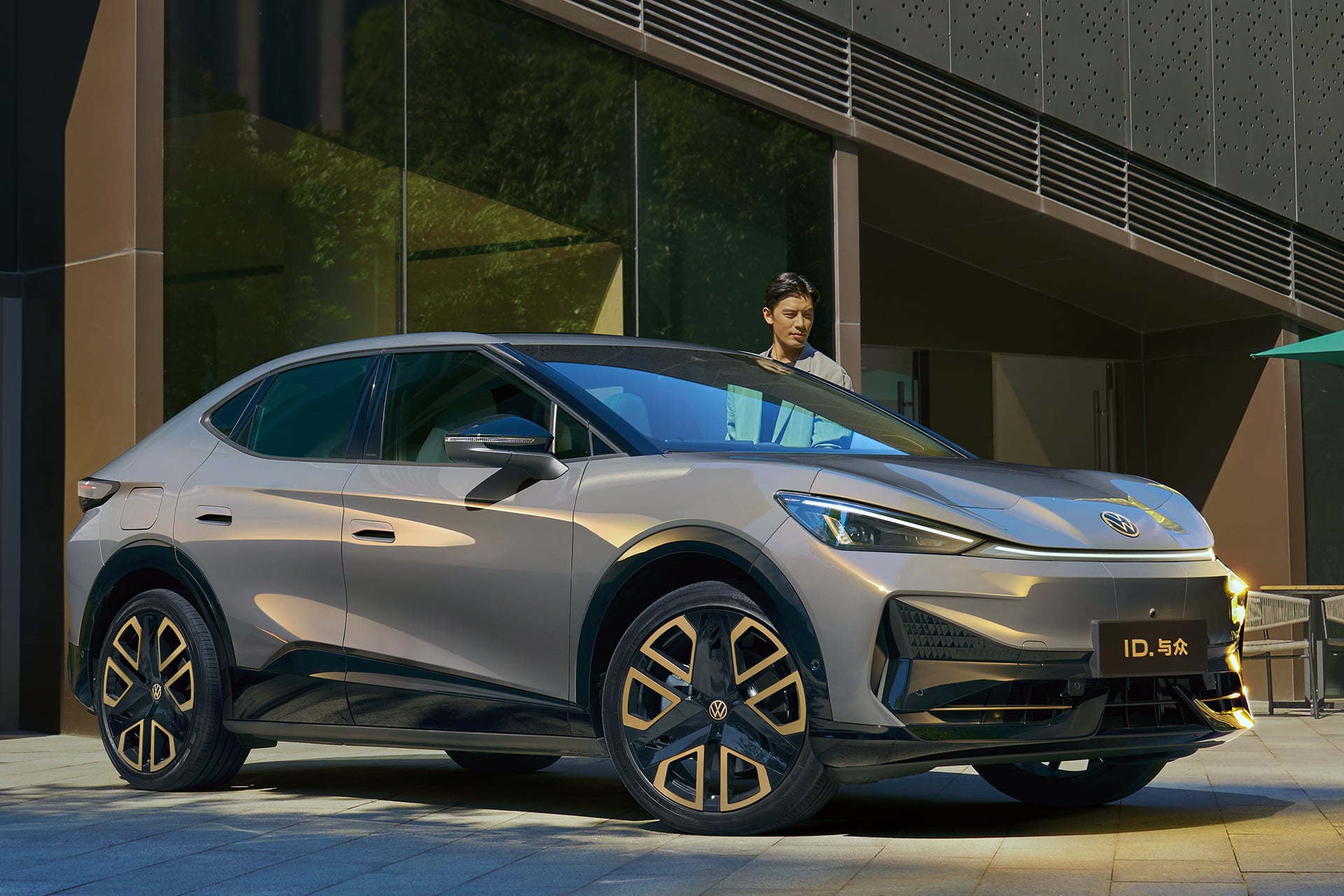
Volkswagen is considering adopting a pragmatic strategy to face the offensive of Asian brands in Latin America: the direct import of electric vehicles manufactured in China. The plan, unveiled by Alexander Seitz, the automaker’s chairman for the region, is based on the realization that the Latin American market still lacks the industrial scale to sustain local production of 100% battery-powered models.
During the Volkswagen Road Show Peru, held in Lima this week, Seitz was emphatic in rebutting promises of accelerated nationalization of electric vehicles. “When we talk about an electric vehicle that depends 100% on the battery, no one has the scale in the region to locate. Whoever says he has, lies, is doing woohoo,” said the executive, according to Motor1. For him, the economic viability of a regional assembly line for these models is non-existent in the current scenario.
SEE ALSO:
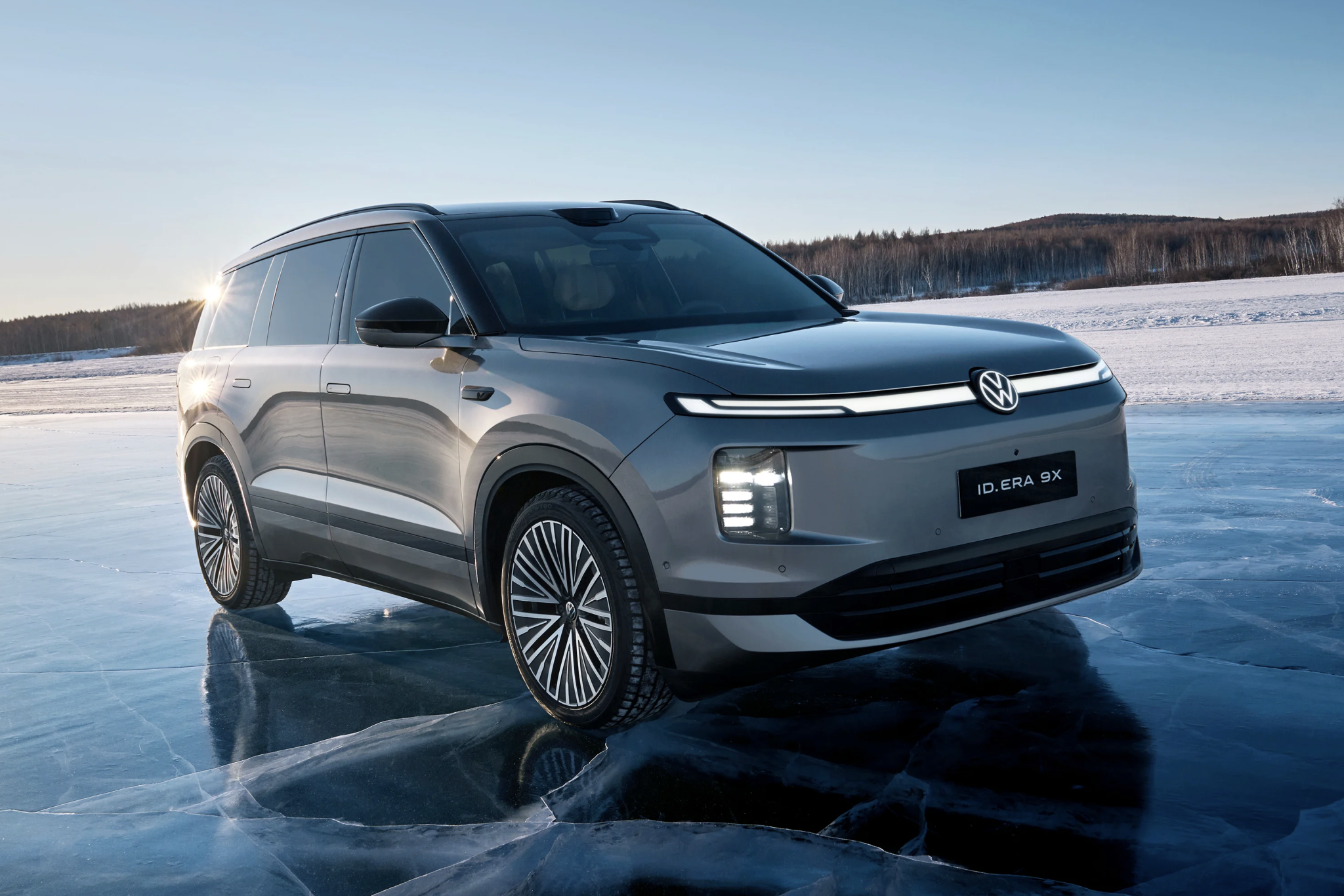
The alternative designed by the German headquarters involves a clear division of efforts. While the purely electric models should arrive ready from Chinese ports, production at the Latin American units — especially Brazil — will focus on hybrid and plug-in hybrid vehicles.
This strategy of local hybridization, however, will not give up the Asian country’s technology. Seitz, who travels to Shanghai bimonthly to line up projects, explained that critical components such as battery modules and electronic management systems will be supplied by the Chinese operation to equip the regionally assembled cars. The central objective is to reduce costs and take advantage of China’s global leadership in the sector.
The move comes at a time of unprecedented pressure from manufacturers such as BYD and GWM, which lead electrified sales in the Brazilian market. By admitting the import of Chinese models, Volkswagen seeks agility so as not to lose market share while the electrification infrastructure matures. According to the executive, the focus on hybrids ensures immediate industrial volume, keeping pure electric as niche products until regional demand justifies new investments.



