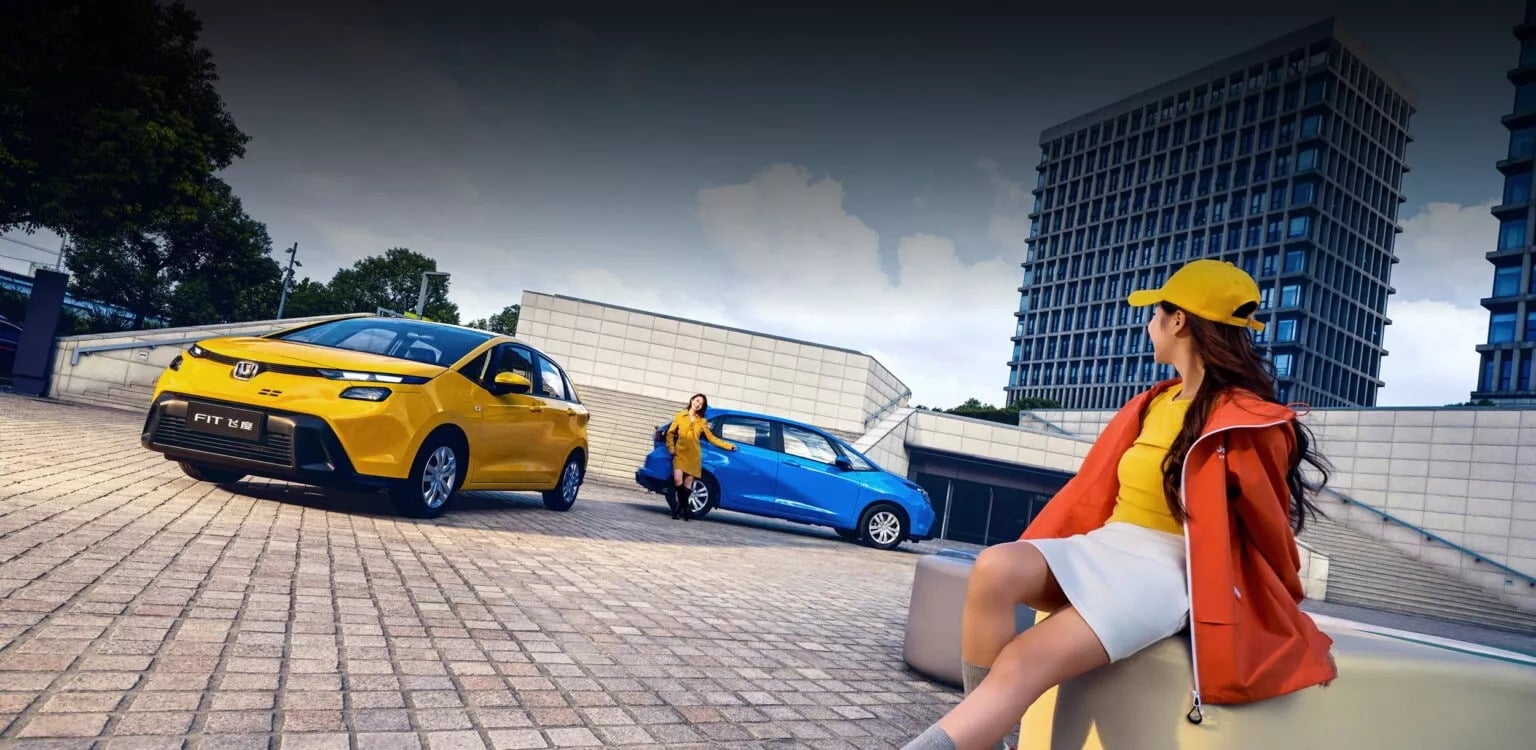
With a front reminiscent of Toyota's rivals and a simplified interior, the hatch tries to survive in China with an unprecedented offer of warranty for the engine
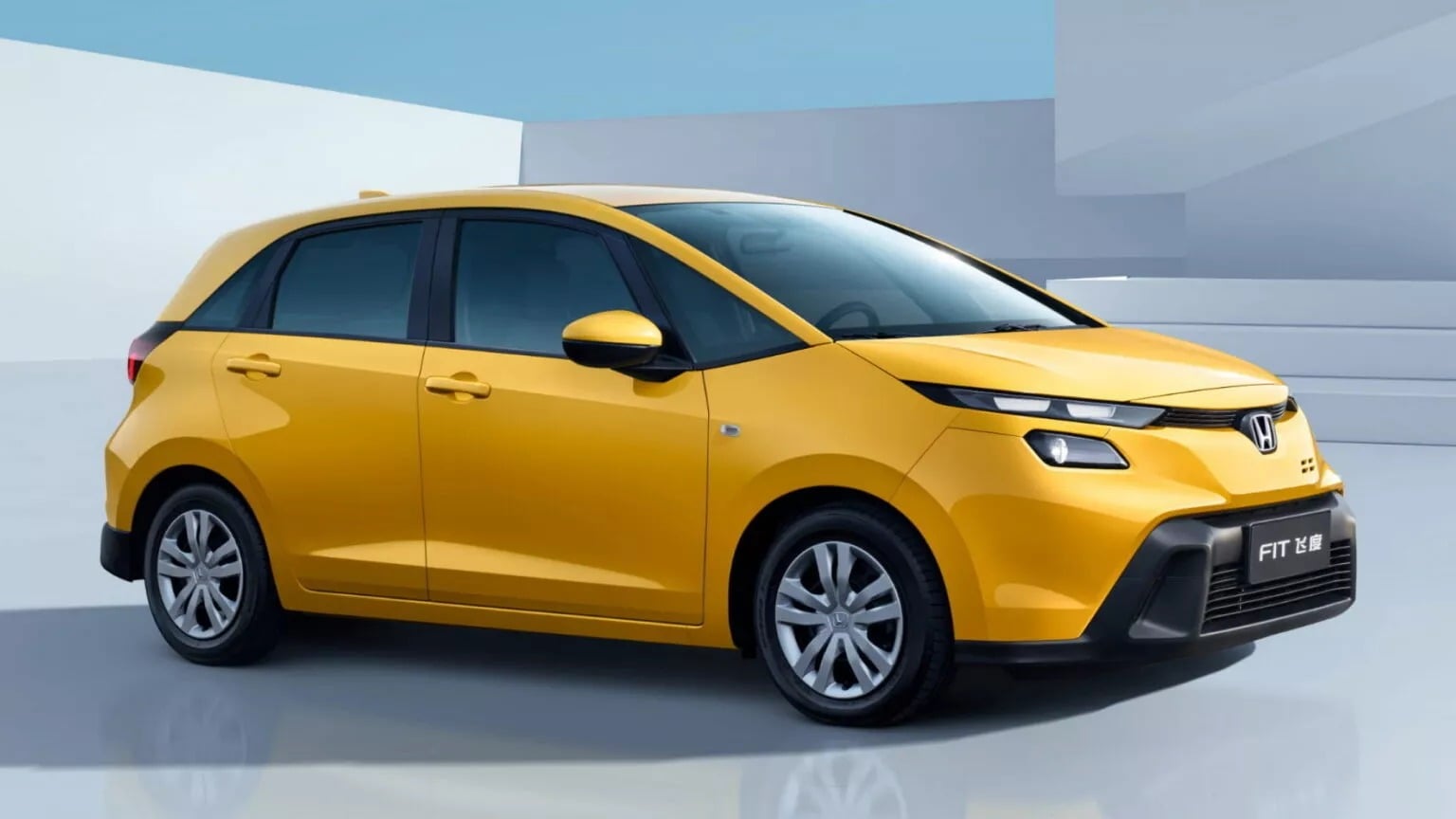
Pressured by the overwhelming advance of electric cars in the Chinese market, the GAC Honda joint venture launched an exclusive update of the Honda Fit with a price reduced to approximately R$ 56 thousand, in direct conversion. The measure is a direct response to the brand’s sales crisis: in December 2025, the hatch recorded critical numbers, falling to double digits in monthly registrations.
To try to stop the bleeding against rivals such as the BYD Seagull, the automaker is betting on a batch limited to 3,000 units, focused on cost-benefit.
SEE ALSO:
The aesthetic update distanced the model from its global identity. The front gained split and tapered LED headlights, as well as a bumper with angular lines that refer to the visual identity of competitor Toyota. The changes made the car grow slightly, totaling 4.17 m in length.
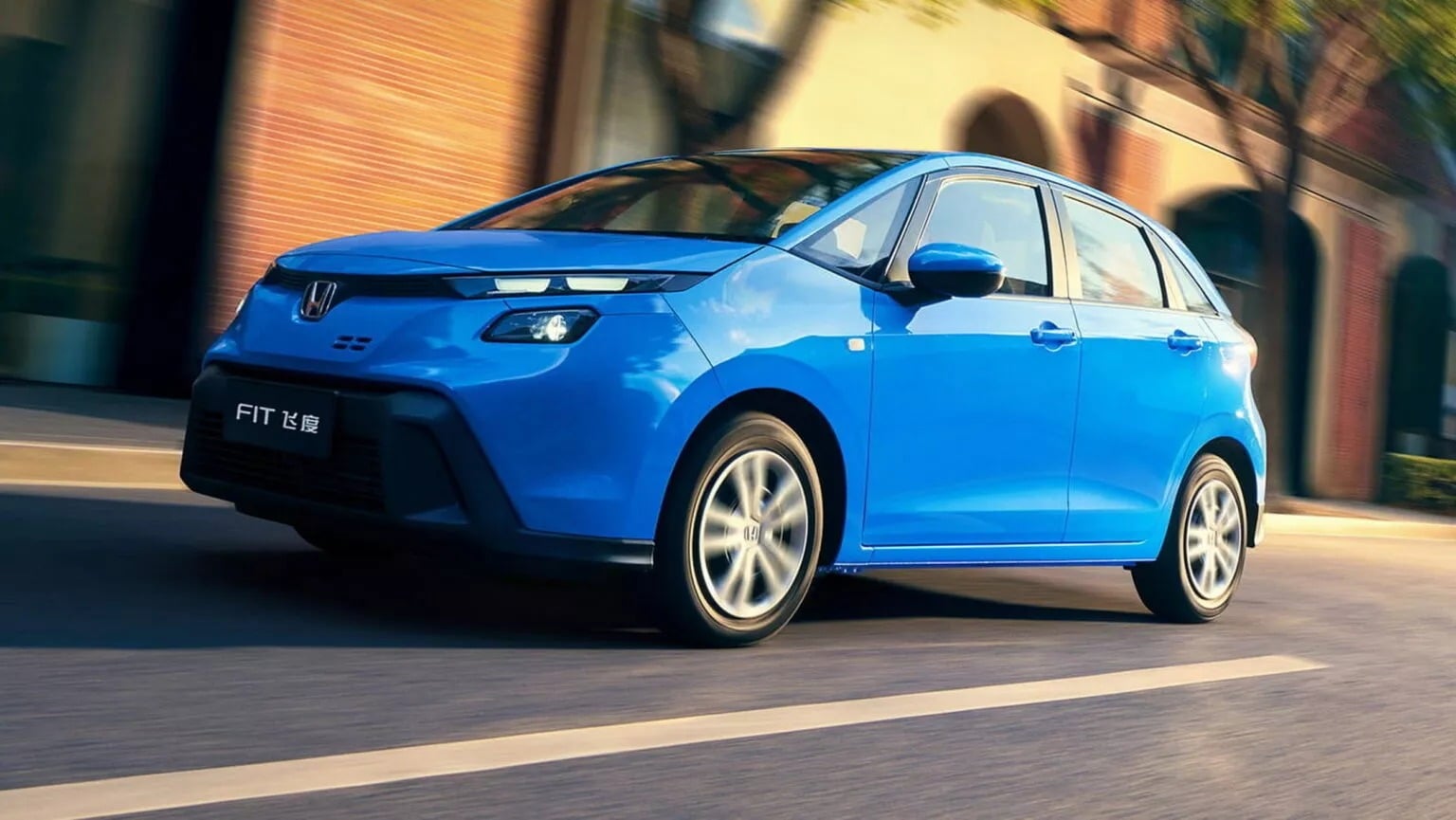

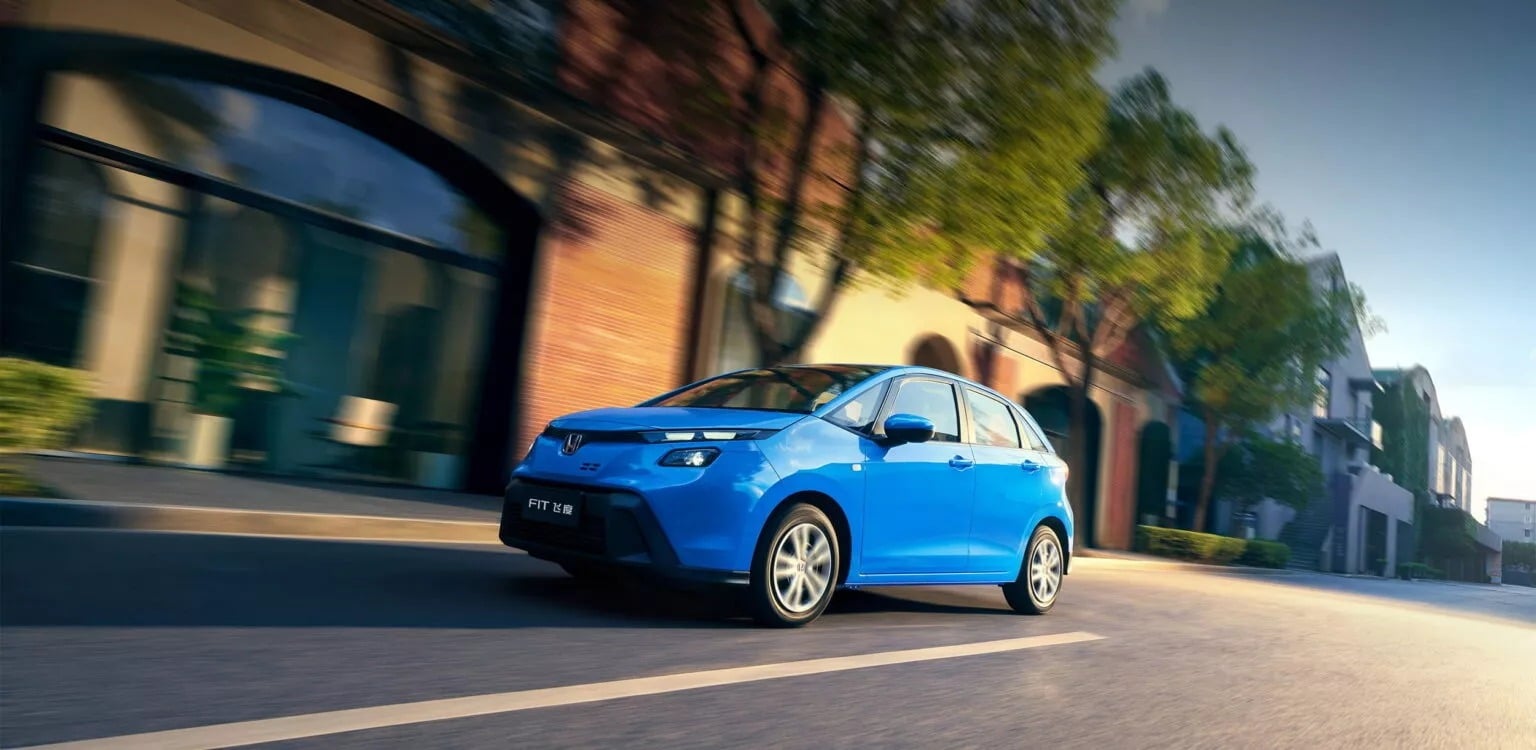
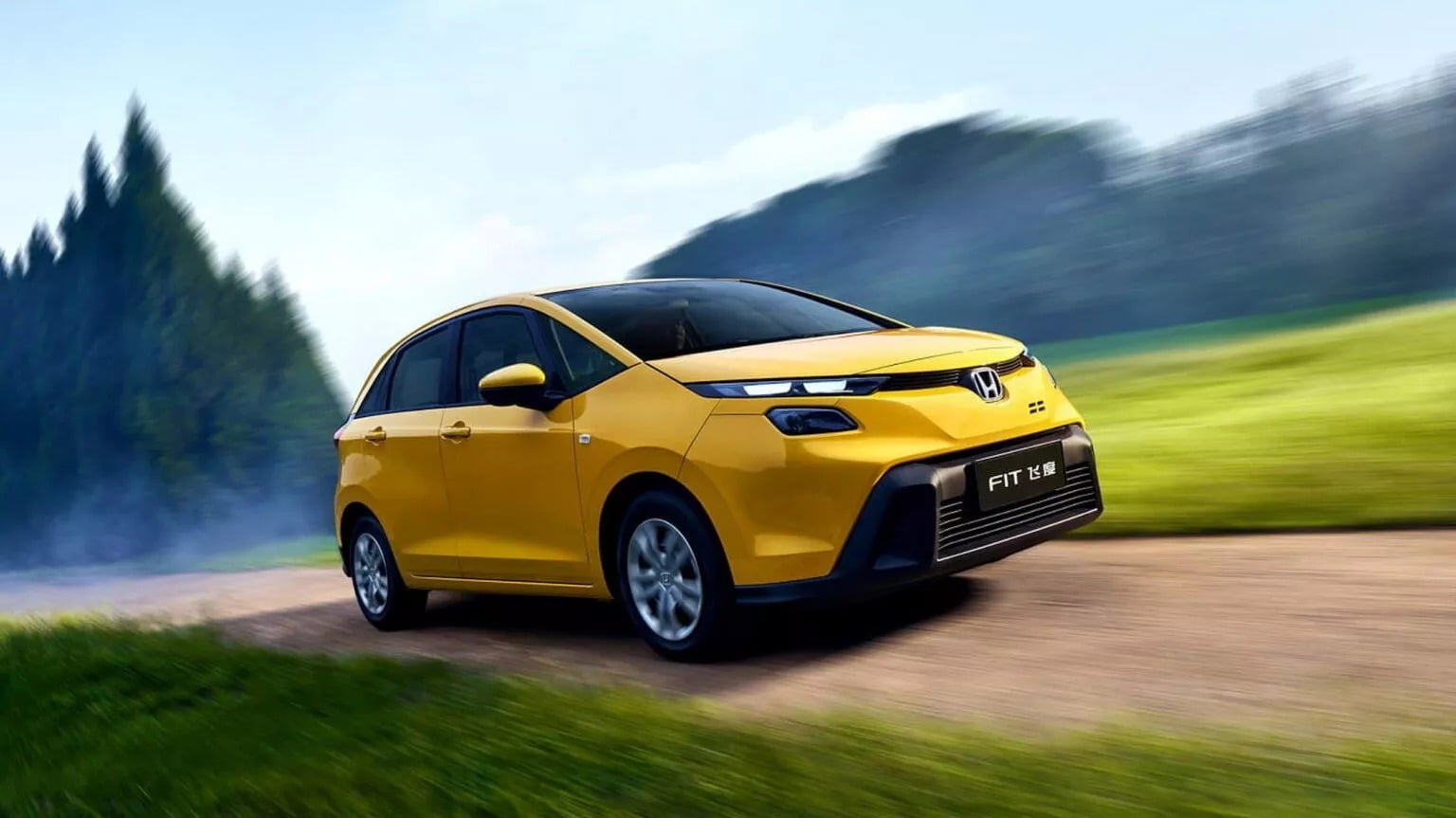

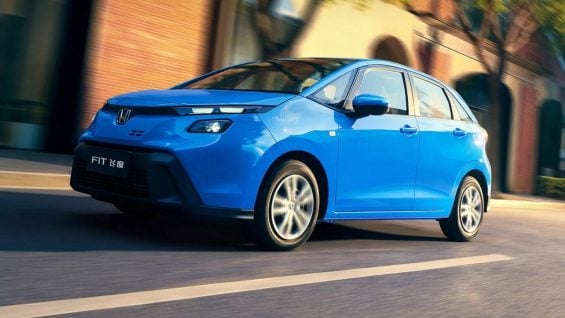
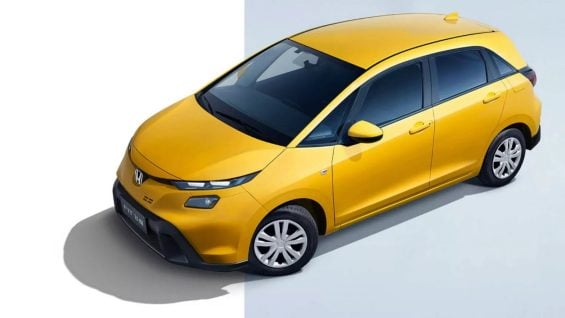
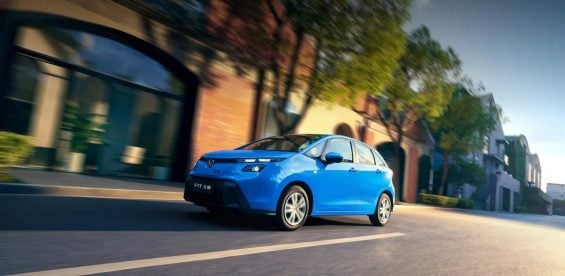
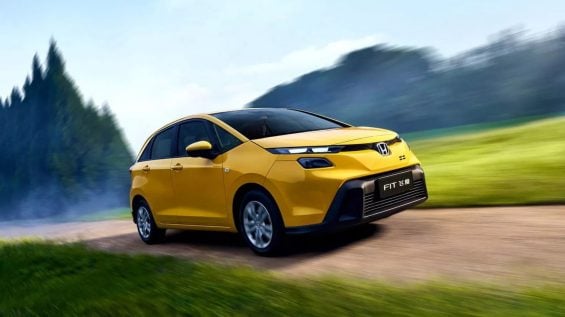

To make the price tag below US$ 10 thousand viable, the scissors went through the interior. The finish is spartan: simple fabric seats, mechanical handbrake and a basic sound system with only two speakers. Although it has a 10.1″ multimedia center and 7″ digital panel, the model lost driving assistance items (ADAS). The presence of the famous “Magic Seats”, a modular seating system that consecrated the Fit, has not yet been confirmed in this entry-level version.






If the technological package was reduced, the mechanics bet on conservatism. The hatch maintains the 1.5 i-VTEC gasoline engine (without electrification), delivering 122 hp and 14,8 kgfm of torque, coupled to the CVT transmission. Honda promises a range of more than 700 km with a tank, a practical differential against the autonomy anxiety of urban electrics.
The final card to attract the suspicious consumer is the warranty: GAC Honda offers lifetime coverage for the engine and gearbox in this limited series. It remains to be seen whether the measure will be enough to reverse the decline of combustion models in the world’s largest market.