Without "off-cycle credits", automakers lose financial reason to impose the controversial system as a standard configuration in US vehicles
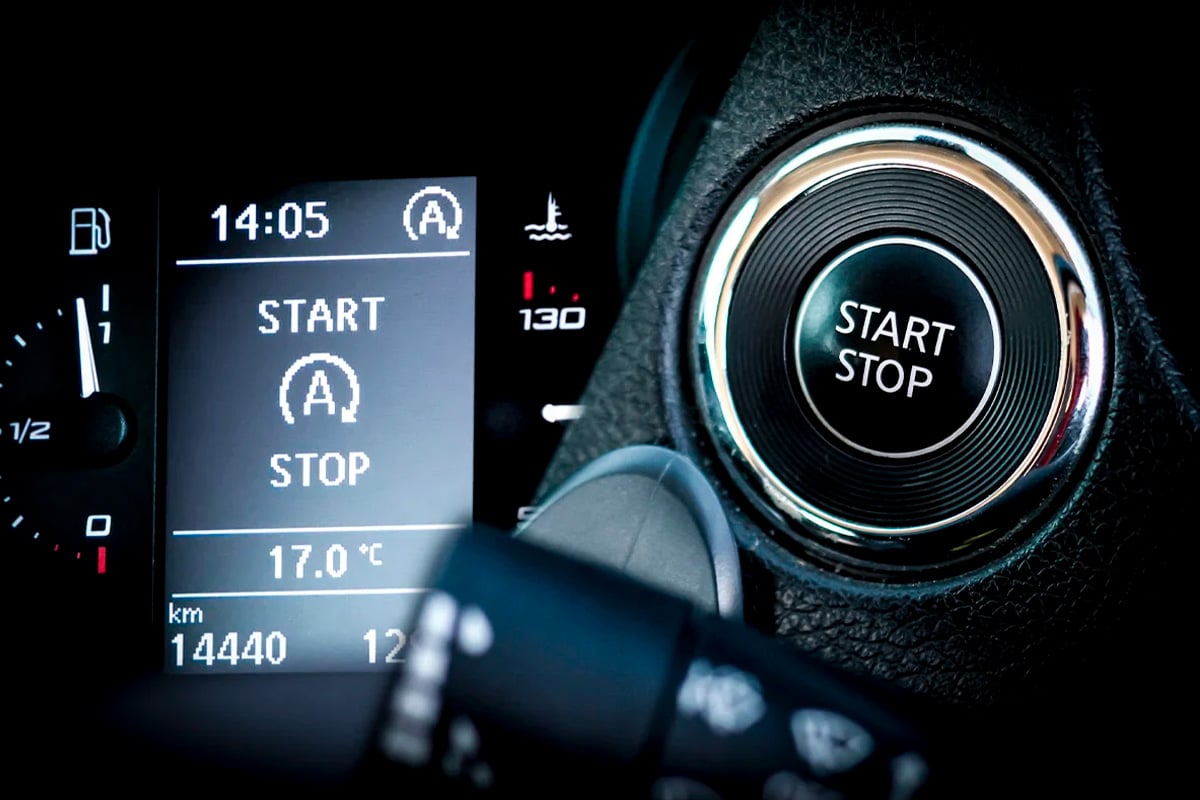
The United States Environmental Protection Agency (EPA) announced the repeal of technical legislation that should signal the end of the mandatory start-stop system in new vehicles. The measure is part of a broad deregulation package promoted by Donald Trump, focused on eliminating strict emissions standards and, specifically, the so-called “off-cycle credits”.
SEE ALSO:
The start-stop is designed to save fuel by automatically shutting down the engine at full stops, restarting it as soon as the foot comes off the brake. Studies show that the technology can improve efficiency between 3% and 10% in heavy urban traffic. Although it was never strictly mandated by law, manufacturers adopted the feature en masse to obtain environmental credits — bonuses that helped meet government targets for average fleet consumption. This set the system to “on by default” in virtually all modern combustion models.
However, efficiency has taken its toll on comfort: the system is often cited as a source of irritation due to vibration in the engine restart and, in many cases, the interruption of the air conditioning. In addition to the discomfort, there is a lingering technical concern among owners and mechanics about premature wear of vital components such as the starter motor and battery, subjected to an exhausting work cycle.
Currently, to deactivate the function, the driver is required to press a button at each new start — an inconvenience that has fostered a parallel market for devices to permanently nullify the technology.
With the repeal of Obama-era standards and the elimination of credits for “off-cycle” technologies, the financial incentive for automakers to push the start-stop disappears. The technology is unlikely to disappear from the assembly lines immediately due to production cycles, but manufacturers are now free to change the factory configuration. Thus, the tendency is for the system to be turned off by default or become optional, giving the driver back sovereignty over how to operate his own vehicle.



